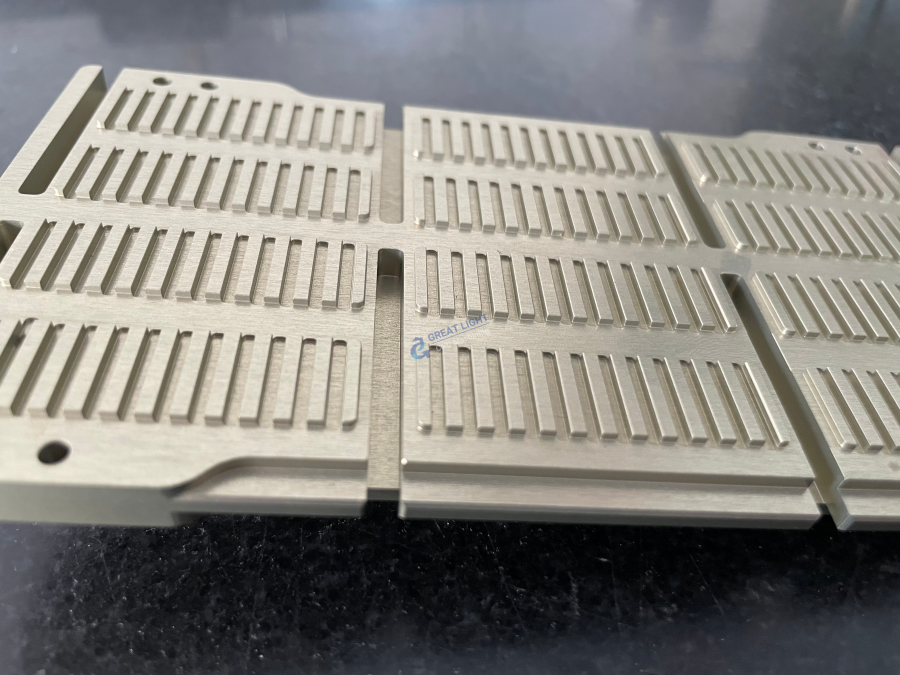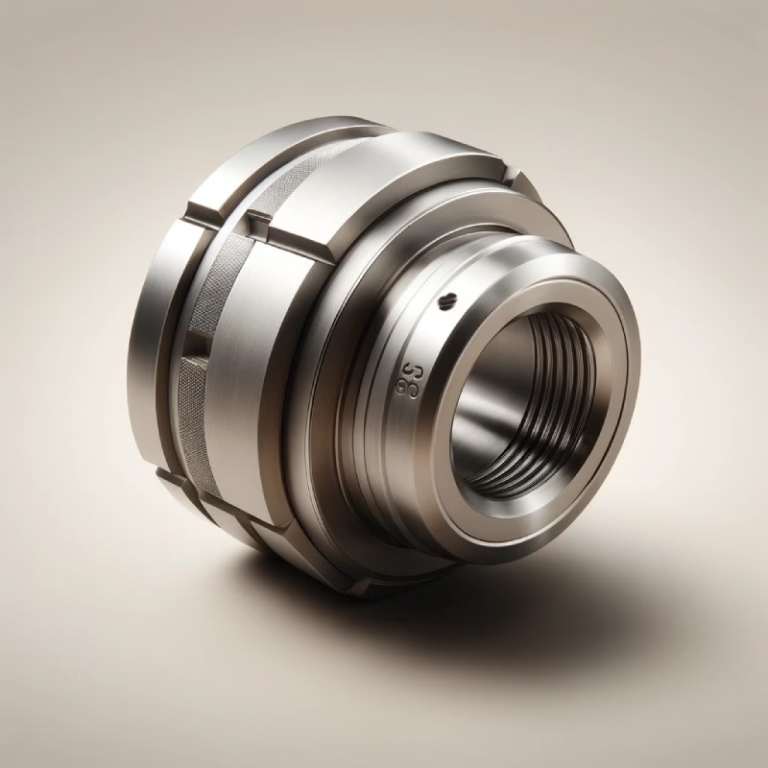
When your project’s success hinges on the micron-level accuracy of a component, the choice of your high precision CNC machining services supplier becomes one of the most critical decisions in the entire product development cycle. It’s a decision that transcends simple cost-per-part calculations, venturing into the realms of technical capability, systemic reliability, and partnership integrity. As a manufacturing engineer who has spent years on both sides of the drawing—designing parts and overseeing their production—I’ve witnessed firsthand how the right supplier can accelerate innovation, while the wrong one can derail it with costly delays and quality escapes.
So, what truly separates a competent job shop from a world-class high precision CNC machining services supplier? Let’s move beyond the marketing brochures and examine the core pillars that define excellence in this field.
The Foundational Pillars of a True High-Precision Partner
A supplier claiming to offer high precision services must demonstrate mastery across several interconnected domains. It’s not just about having a few high-end machines; it’s about building an ecosystem where precision is predictable, repeatable, and scalable.
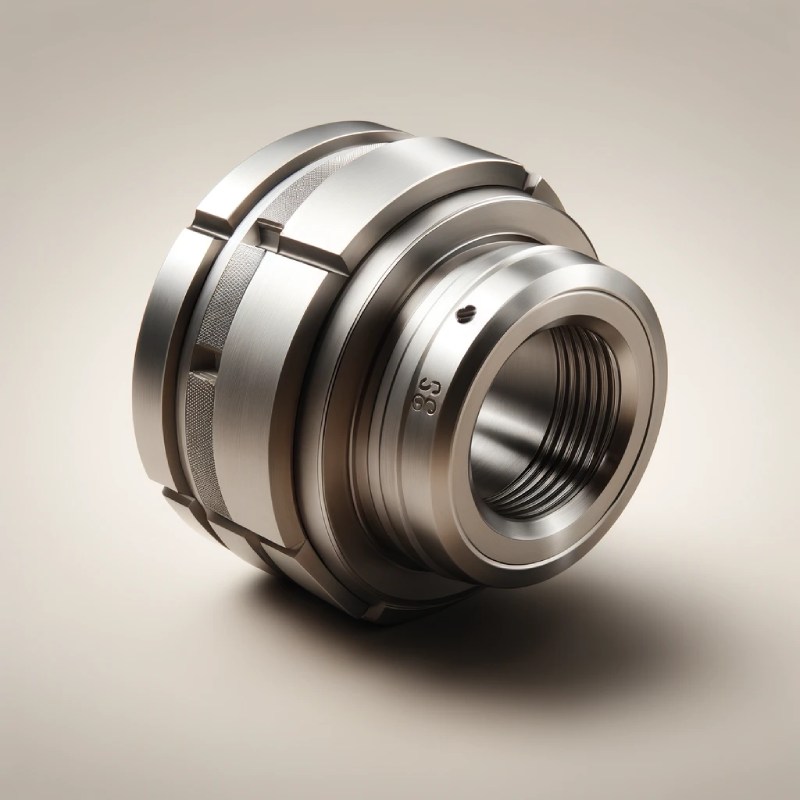
1. Technological Arsenal and Process Mastery
The equipment floor is the supplier’s battlefield. For high precision CNC machining, this means a strategic mix of advanced machinery.
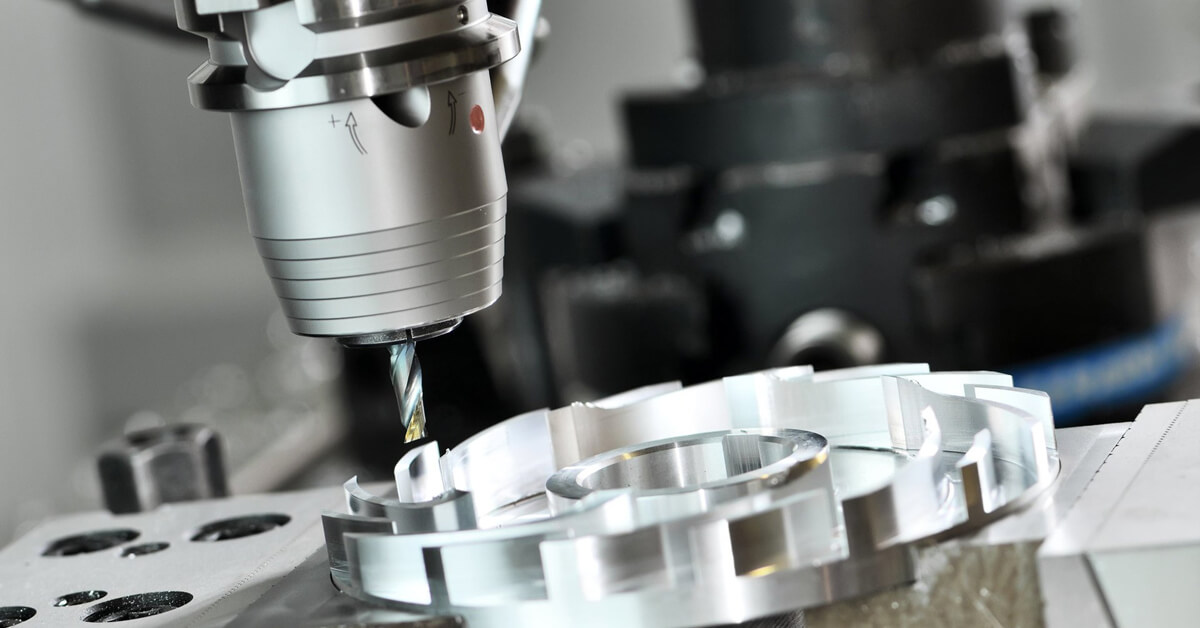
Multi-Axis Machining Capability: While 3-axis CNC is ubiquitous, the ability to handle complex geometries in a single setup is where true precision and efficiency shine. A 5-axis CNC machining center is indispensable for aerospace impellers, medical implants, or optical components with compound curves. It eliminates multiple fixturing steps, each a potential source of error accumulation.
Complementary Technologies: High precision often requires a hybrid approach. A premier supplier will integrate:
Precision Grinding: For achieving surface finishes and tolerances (e.g., ±0.0002″ or 5µm) that are beyond the scope of even the best milling machines, especially on hardened steels or ceramics.
Wire and Sinker EDM (Electrical Discharge Machining): For machining extremely hard materials or creating sharp internal corners and intricate features that cutting tools cannot reach.
CMM (Coordinate Measuring Machine) Inspection: Not just for final QA, but often for in-process verification, especially on complex, low-volume parts.
A supplier like GreatLight Metal exemplifies this integrated approach. Their capability cluster isn’t a random collection of machines but a curated suite designed to tackle multifaceted manufacturing challenges, from a prototype to a production run.
2. The Unseen Backbone: Metrology and Quality Systems
Precision that cannot be measured does not exist. The metrology lab is the ultimate arbiter of a supplier’s claims.
Advanced Measurement Equipment: Look for suppliers equipped with high-accuracy CMMs, optical comparators, surface profilometers, and roundness testers. The key question is: can they measure to an order of magnitude greater accuracy than the tolerance they are claiming to hold?
Certified Quality Management Systems (QMS): This is where trust is systematized. Certifications are not mere wall decorations; they are audited proofs of a consistent process.
ISO 9001:2015: The baseline for a quality management system, ensuring consistent operations and continuous improvement.
ISO 13485: Critical for medical device components, emphasizing risk management and traceability.
IATF 16949: The automotive industry’s rigorous standard, focusing on defect prevention and reducing variation in the supply chain. For any supplier serving the automotive or engine hardware sector, this is a non-negotiable credential.
GreatLight Metal’s adherence to these international standards, including IATF 16949 for automotive applications, transforms their precision from a promise into a documented, repeatable output. It tells you that their processes are robust enough to satisfy the world’s most demanding industries.
Navigating the Common Pitfalls in Supplier Selection
Many engineers face recurring pain points when outsourcing high precision CNC machining:
The “Precision Promise” Gap: A supplier quotes ±0.001″ on a sample, but production batches show statistical variation. The root cause is often a lack of process control and inadequate SPC (Statistical Process Control) practices.
Material Expertise Shortfall: Not all 6061-T6 aluminum or 316L stainless is created equal. A top-tier supplier understands material sourcing, heat treatment effects, and machining characteristics specific to different mill runs or alloys.
Communication and Engineering Support: The best suppliers act as an extension of your engineering team. Can they provide DFM (Design for Manufacturability) feedback that genuinely optimizes your part for cost, performance, and manufacturability without compromising design intent? A lack of proactive communication here is a major red flag.
Scalability and Consistency: Can the supplier maintain the same impeccable standards for a 10-piece prototype run and a 10,000-piece production order? This tests their tooling management, process documentation, and production planning capabilities.
The GreatLight Metal Differentiation: A Case in Point
Consider a scenario common in cutting-edge industries like robotics or aerospace: a complex aluminum housing with integral cooling channels, tight true-position tolerances across multiple bosses, and a requirement for an anodized finish. A generic machine shop might struggle with the thin walls warping during machining or fail to hold the positional tolerances across multiple setups.
A supplier equipped for high precision CNC machining would approach this differently. Using a 5-axis CNC machining center, the part could be machined from a solid block in minimal setups, ensuring critical datums are maintained. In-process CMM checks would verify critical dimensions before the part leaves the machine. Post-machining, stress relief processes might be employed before final finishing. Finally, a controlled anodizing process would be used to ensure consistent coating thickness without affecting critical dimensions.
This holistic, engineering-centric approach is what distinguishes advanced suppliers. It’s the difference between simply making a part and manufacturing a solution.
Beyond the Quote: Evaluating Your High Precision CNC Machining Services Supplier
When you receive quotes, look beyond the bottom line. Engage in a technical dialogue. Ask about:
Their proposed process flow for your specific part.
How they plan to inspect the most challenging features.
Their experience with similar materials and applications.
Their change management and deviation process.
The landscape of high precision CNC machining services supplier options is broad, from agile digital platforms like Xometry and Fictiv to large-scale specialists like Protolabs Network and vertically-focused experts. Your choice should align with your project’s specific needs for complexity, volume, and industry compliance.
In conclusion, selecting the right high precision CNC machining services supplier is a strategic partnership decision. It requires a careful evaluation of technological depth, systemic quality, and collaborative engineering spirit. Partners who invest in advanced capabilities like 5-axis CNC machining{:target=”_blank”} and back them with authoritative certifications provide more than just parts—they provide confidence, enabling you to innovate faster and bring superior products to market with reliability. For those seeking a partner that embodies this comprehensive approach to precision manufacturing, exploring established leaders in the field is a prudent next step. You can learn more about the industry advancements and connect with professionals on platforms like LinkedIn{:target=”_blank”}.