
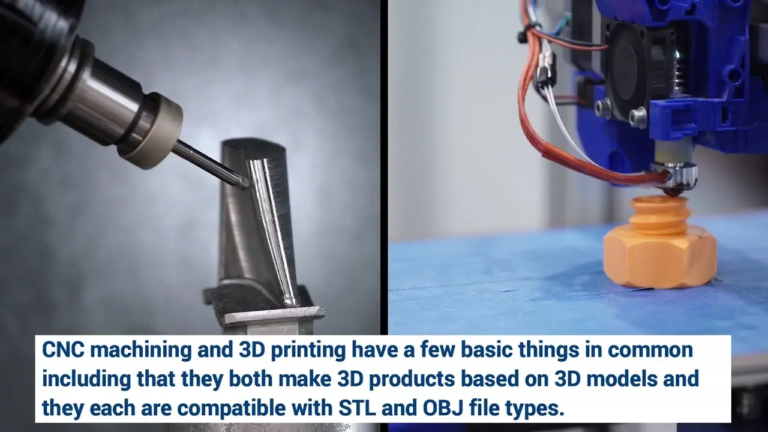
The evolution of CNC machining: How four-axis CNC machining innovates manufacturing
With the advent of computer numerical control (CNC) processing, the manufacturing world has undergone a major transformation. This technology revolutionizes the way parts are made, allowing for precise and efficient production of complex shapes and designs. In the field of CNC machining, quad-axis machining has become a game-changer, providing unparalleled flexibility and versatility in the manufacturing process.
Four-axis CNC machining process
Traditional CNC machining was once limited to three axes: X, Y, and Z. However, the introduction of a fourth axis, usually a rotary axis, allows manufacturers to create complex parts with greater accuracy and accuracy. This additional shaft allows the workpiece to rotate simultaneously, allowing for intricate shapes and functions that traditional three-axis machining will not produce.
Four-axis CNC machining has many benefits. It greatly reduces the need for other processing steps such as grinding or manual completion, which can lead to substantial cost and time savings. In addition, quad-axis machining can produce complex parts through a single setup, reducing lead time and increasing productivity.
Advantages of four-axis CNC machining
- Improve accuracy and accuracy: Four-axis CNC machining can create complex shapes and functions with improved precision and accuracy, thereby improving product performance and reducing rework.
- Reduce processing time and cost: By eliminating the need for other processing steps, quad-axis machining can reduce lead time and cost, making it an attractive option for manufacturers seeking to increase efficiency and competitiveness.
- Enhance design flexibility: Adding a fourth axis allows manufacturers to create complex designs with increased flexibility, enabling complex shapes and functions, while traditional three-axis machining will be challenging or impossible.
- Improved finish: Simultaneous rotation of the workpiece during machining creates an excellent finish, reducing the need for additional completions such as grinding or polishing.
in conclusion
Four-axis CNC machining revolutionizes manufacturing by providing a highly flexible and efficient way of producing complex parts. Its ability to reduce processing time and cost while increasing accuracy and accuracy is an attractive option for manufacturers looking to improve competitiveness and product quality. As the demand for complex parts continues to grow, the role of four-axis CNC machining may become more important in the manufacturing situation.
FAQ
Q: What are the main advantages of four-axis CNC machining?
A: The main advantage of quad-axis CNC machining is the ability to create complex shapes and functions with improved accuracy and accuracy, thereby reducing the need for other processing steps.
Q: What are the benefits of four-axis CNC machining?
A: The benefits of four-axis CNC machining include improved accuracy and accuracy, reduced processing time and cost, enhanced design flexibility, and improved surface finish.
Q: Is quad-axis CNC machining limited to specific types of parts or industries?
A: No, four-axis CNC machining is suitable for a wide range of industries and parts, including aerospace, automotive, medical and consumer products.
Q: Can quad-axis CNC machining be used for small or large-scale production?
A: Yes, four-axis CNC machining can be used for small-scale one-time production as well as large-scale production.
Q: What is the typical setup time for quad-axis CNC machining?
A: The setup time for four-axis CNC machining may vary by machine and operator, but is usually similar to the setup time for three-axis machining.



















