

If you’re considering purchasing an Eleksmaker A3 Pro 2500mW laser engraver, you’re likely drawn by its promise of affordable desktop laser cutting and engraving. The allure is real – but so are the pitfalls that can turn your maker dream into a costly nightmare. Before you click “buy,” let’s walk through seven expensive missteps that first‑time buyers often make – and explore what a true precision manufacturing workflow actually demands.
Eleksmaker A3 Pro 2500mW: 7 Costly Mistakes to Avoid Before You Buy
Laser engravers like the Eleksmaker A3 Pro occupy a specific niche: light‑duty etching on wood, acrylic, leather, and anodized aluminium. They are not subtractive CNC machining centers, yet many buyers treat them as such. Understanding these seven traps will save you money, time, and frustration – and perhaps guide you toward a more reliable path for your precision parts.
Mistake 1: Believing It Can Replace Professional‑Grade Metal Machining
The Eleksmaker A3 Pro’s 2500mW (2.5W) diode laser can mark some metals with the help of coatings, but it cannot cut or deeply engrave steel, aluminium, titanium, or brass the way a CNC mill does. Many purchasers imagine they’ll carve functional aluminium brackets or stainless‑steel plates, only to discover the laser barely scratches the surface.
When your project requires genuine material removal, tight tolerances (±0.01 mm or better), or work in hardened alloys, a desktop diode laser is the wrong tool. For metal parts, professional five-axis CNC machining delivers multi‑sided, high‑accuracy results that no consumer laser can match. Investing in a machine with unrealistic expectations often leads to wasted stock, rework, and eventually the need to outsource anyway.
Mistake 2: Ignoring Software and Workflow Incompatibilities
The Eleksmaker ships with basic control software that works well for simple raster engraving but often stumbles on complex vector paths, precise kerf compensation, or integration with CAD/CAM suites like Fusion 360 or SolidWorks. Many users spend hours – sometimes days – fighting driver issues, G‑code post‑processing, and unreliable USB connections.
In a professional setting, seamless data flow from 3D model to finished part is non‑negotiable. Factories like GreatLight CNC Machining utilize ISO‑proven manufacturing execution systems and support dozens of native file formats, ensuring your design intent survives intact from screen to spindle. If your workflow demands more than hobbyist software, an open‑frame laser kit will become a bottleneck.
Mistake 3: Underestimating Safety and Fume Extraction Requirements
A 2.5 W blue diode laser is a Class 4 device – it can cause permanent eye injury and ignite flammable materials in an instant. The Eleksmaker A3 Pro’s open‑frame design offers no built‑in fume extraction and only rudimentary laser shielding. Buyers often overlook the full cost of safety: a proper enclosure, goggles rated for the specific wavelength, active carbon filtration, and fire suppression equipment.
When you process PVC, epoxy‑based boards, or coated metals, the fumes are not just an odour nuisance – they contain corrosive hydrochloric acid or carcinogenic compounds that will damage your lungs and your machine’s linear rails. Professional machining centers must comply with occupational health and environmental regulations; your garage‑based laser should be held to the same standard, which often doubles the total investment.
Mistake 4: Overlooking Material Limitations and Hidden Consumable Costs
The A3 Pro excels on plywood, basswood, paper, and some opaque acrylics. It struggles or fails entirely with:
Transparent acrylic (beam passes through)
Plain stainless steel (unless pre‑coated)
Glass (crazing and unpredictable thermal stress)
Reflective metals (dangerous back‑reflection that can destroy the diode)
New buyers often amass expensive “test” materials, then find they need cast acrylic rather than extruded, or specific anodizing layers. Add in the cost of honeycomb beds, air assist pumps, and replacement diode modules (which degrade after 500‑1500 hours), and the total cost of ownership climbs fast.
By contrast, an experienced CNC provider like GreatLight Metal works with a vast library of certified metals, engineering plastics, and alloys – and the process chain already includes the post‑processing treatments (anodizing, passivation, heat treating) that a bare laser cannot provide.
Mistake 5: Neglecting Mechanical Rigidity and Beam Alignment Drift
The Eleksmaker A3 Pro uses aluminium extrusions and V‑slot wheels. While functional for light engraving, repeated toolpaths or faster speeds reveal flex, belt stretch, and inconsistent focus. Beam alignment can shift after transportation or a minor bump, requiring tedious re‑collimation. An out‑of‑focus beam broadens the kerf, reduces power density, and ruins edge quality.
Precision manufacturing demands the kind of rigid, temperature‑compensated cast iron frames and linear guideways found in industrial CNC machining centers. The repeatability you can hold on an open‑frame laser (±0.1 mm at best) is an order of magnitude looser than what a five‑axis CNC machine routinely achieves. If your parts must fit together with a press‑fit tolerance, starting with a rigid platform is the only way.
Mistake 6: Forgetting That Speed & Throughput Are Not Linear
Advertised engraving speeds up to 1000 mm/min look impressive, but that figure applies to low‑resolution rastering on soft wood. Engraving a complex photograph on a 150 × 150 mm tile of anodized aluminium can easily take six to eight hours – and the laser runs at 100% duty cycle, accelerating diode aging. At that pace, a single prototype costs you an entire workday.
True production throughput comes from multi‑axis CNC machining, where carbide tools remove material in minutes, not hours, and unattended operation over multiple pallets is standard. If you’re scaling beyond one‑off trinkets, a $500 laser may end up being a far more expensive bottleneck per part than a professionally machined batch from a shop that amortizes its capital across many clients.
Mistake 7: Not Planning for After‑Sales Support and Spares Availability
Community forums and Facebook groups are the de‑facto support channel for the Eleksmaker. While some members are generous, you are ultimately one shipping delay or factory holiday away from a dead mainboard or a blown driver. No one is contractually obliged to ensure your uptime.
When a manufacturing partner holds ISO 9001, ISO 13485, or IATF 16949 certifications – as GreatLight Metal does – you are not merely buying machine time; you are engaging a quality‑controlled, audit‑traceable supply chain with guaranteed rework policies. That level of accountability transforms a raw machine into a reliable extension of your engineering team.

From Desktop Laser to Industrial Precision: What Really Fits Your Mission
Let’s consider what happens when you outgrow the Eleksmaker A3 Pro 2500mW universe. You need a part that requires 3D contours, internal threads, or a surface finish below Ra 0.8. No diode laser will get you there. A properly equipped CNC shop delivers:
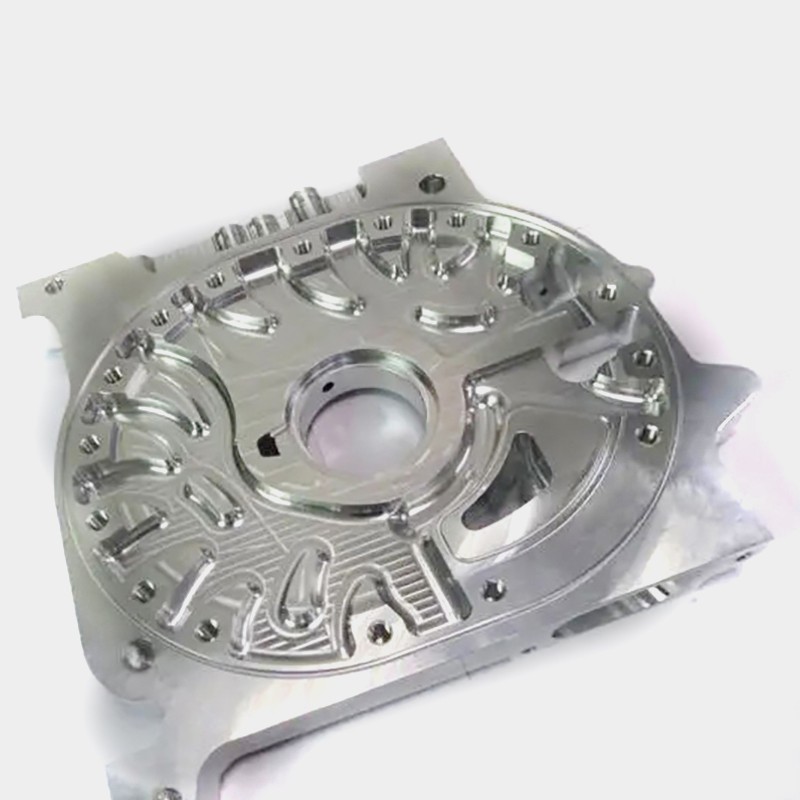
5‑axis simultaneous machining for complex geometries done in one fixturing, slashing handling time and cumulative error.
Multi‑material capability spanning aluminium, tool steel, titanium, Inconel, PEEK, and more.
In‑house post‑processing – from anodizing and bead blasting to passivation and painting – so parts arrive ready to install.
Certified quality with CMM and laser‑scanning reports that prove conformance to your 2D prints or 3D annotations.
Consider this typical journey: a hardware startup first prototypes an enclosure on an Eleksmaker, discovers metal is mandatory for thermal management, then turns to a CNC service. The startup spends weeks learning that machined aluminium beats a fragile laser‑cut acrylic prototype every time. That moment, many find their way to partners like GreatLight Metal, whose 76,000 sq. ft facility in Dongguan houses 5‑axis DMG Mori centers, Swiss‑type lathes, and 3D printing farms – all under one ISO 9001 umbrella.
Making the Smart Investment
The Eleksmaker A3 Pro 2500mW can be a delightful tool for leather crafting, custom wood signage, or hobbyist PCB etching. But if your use case sneaks anywhere near functional prototype parts, end‑use components, or regulated industries, treating a diode laser as a precision manufacturing resource is a costly mistake.
Before you buy an Eleksmaker A3 Pro 2500mW, map your part requirements honestly: tolerance, material, finish, and volume. If any of those metrics point toward metal or repeatable microns, divert your budget toward a manufacturing partner that already owns the heavy machinery, the certifications, and the engineering know‑how. GreatLight CNC Machining Factory, a specialist in custom metal and plastic parts since 2011, exemplifies that shift – offering one‑stop precision machining services from rapid prototyping through production, backed by a free‑rework promise and full‑refund guarantee for unresolved quality issues.
In the end, the most expensive mistake is not a bad laser purchase – it’s betting your product’s launch on a tool that was never designed for the job. Choose the right toolchain from the start, and your path from idea to delivery becomes measured in days, not desperate nights in the forum.



















