
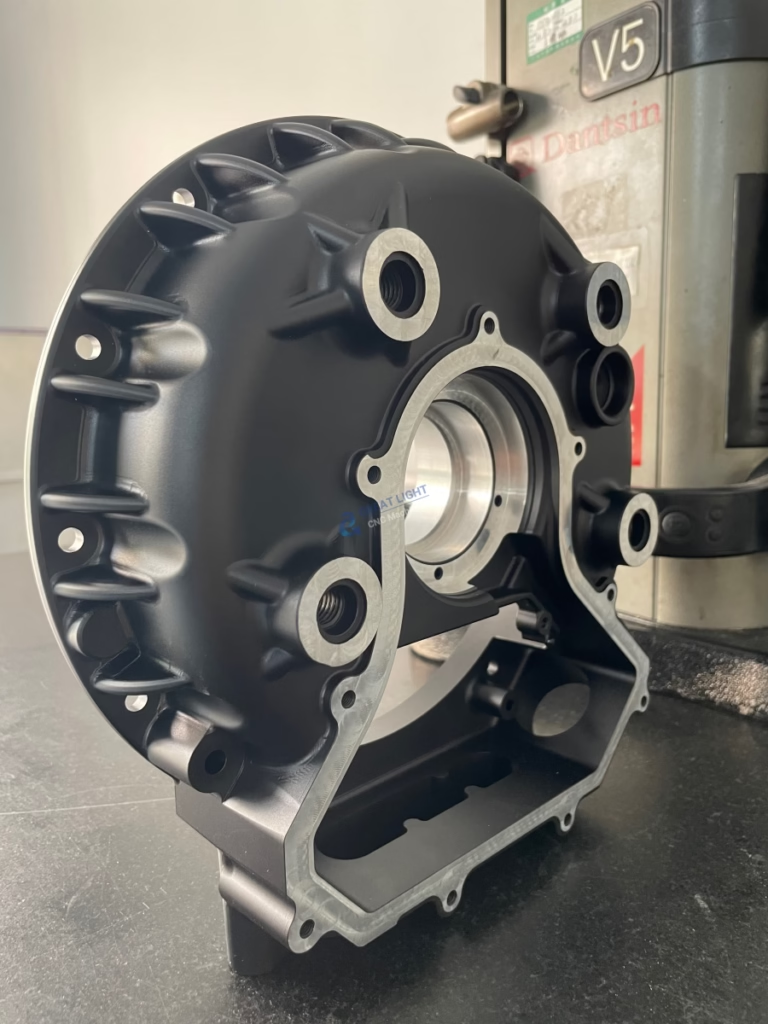
At the heart of every electric vehicle’s electromagnetic interference (EMI) suppression system lies the unassuming yet critical Electric Vehicle Y Capacitor Bracket. As a senior manufacturing engineer with over a decade of experience in precision machining, I’ve seen how this small component directly influences safety compliance, electrical noise integrity, and long-term vehicle reliability. Designing and manufacturing an EV Y capacitor bracket is not a trivial task—it demands a perfect fusion of material science, mechanical design, and ultra-precise CNC fabrication. In this article, we will dissect the bracket’s function and design constraints, explore why five‑axis CNC machining is the process of choice, compare leading manufacturing partners, and illustrate how the right supplier—equipped with robust certifications and a full‑process chain—can transform a challenging bracket design into a production‑ready success.
Electric Vehicle Y Capacitor Bracket: Function and Criticality
Y capacitors are an essential element of an EV’s onboard EMI filter network. Connected between the high‑voltage DC bus and the chassis ground, they suppress common‑mode noise that would otherwise radiate from the powertrain and disturb sensitive electronics. The Y capacitor bracket serves as a mounting interface, mechanical stabilizer, and thermal pathway. It positions the capacitor(s) precisely relative to the power module, ensures proper grounding, and protects the capacitor from vibration, shock, and heat.
In practice, a Y capacitor bracket must simultaneously satisfy several demanding requirements:
Electrical safety: Maintain a low‑impedance ground path while withstanding creepage and clearance distances required by ISO 6469 and IEC 60664.
Mechanical robustness: Resist 10‑20 g vibration profiles and 50 g shock pulses typical of an EV under‑hood environment.
Thermal management: Dissipate the heat generated by the capacitor and adjacent power electronics without degrading bracket stiffness or dimensional stability.
Galvanic compatibility: Prevent corrosion when mated with aluminum housings, copper busbars, and steel fasteners.
Precision fit: Align multiple mounting holes and locating features to tolerances often below ±0.05 mm to guarantee correct capacitor positioning and avoid interfacial stresses.
These interconnected demands make the bracket far more than a simple stamped bracket. While low‑end vehicles sometimes use formed sheet metal, the shift towards 800‑V architectures and higher power densities has made precision machined aluminum or stainless steel brackets the preferred solution.
Design Challenges and Material Selection for Electric Vehicle Y Capacitor Brackets
The bracket’s geometry is frequently driven by packaging constraints. It must fit within a compact inverter or DC‑DC converter enclosure, often wrapping around busbars, sensors, and cooling channels. This leads to complex part shapes with:
Multiple angled mounting faces
Deep pockets for capacitor bodies
Tapped holes in three or more orientations
Thin walls (as low as 1.5 mm) to save weight without sacrificing stiffness
Integrated standoffs or heat‑sink fins
From a material standpoint, the two dominant choices are 6061‑T6 aluminum and 304/316 stainless steel.
| Material | Key Advantages | Typical Application |
|---|---|---|
| 6061‑T6 Aluminum | High thermal conductivity (~167 W/m·K), light weight, good machinability, can be hard anodized for insulation and corrosion resistance | Brackets where heat dissipation and weight savings are primary concerns |
| 304/316 Stainless Steel | Superior corrosion resistance, higher tensile strength (≥515 MPa), maintains stiffness at elevated temperature | Brackets exposed to salt spray or elevated temperature cycling; used when the bracket doubles as a structural element |
Aluminum is the more common selection for mass‑produced EVs due to its balance of machinability, weight, and cost. However, anodizing is critical—a Type III hard anodize layer provides the necessary dielectric strength (500‑1500 V DC) to prevent electrical tracking between the bracket and the capacitor’s grounded body.
Tolerance stack‑up analysis becomes critical early in the design. Because the bracket interfaces with both the capacitor’s resin body (which has its own manufacturing tolerances) and the power module’s machined housing, the engineer must define datum features and geometric tolerances carefully. Common callouts include:
True position of mounting holes within Ø0.1 mm
Flatness of the capacitor seating surfaces ≤0.05 mm to avoid stress concentration
Perpendicularity of threaded holes to ensure correct fastener engagement
These precision requirements tilt the manufacturing decision toward CNC machining, particularly when annual volumes range from hundreds to tens of thousands of units.
Why Five‑Axis CNC Machining is the Optimal Process
For brackets with multi‑angle features, traditional three‑axis machining involves multiple setups, complex fixtures, and increased operator labor. Every additional fixturing step introduces the risk of tolerance degradation. Five‑axis CNC machining eliminates this multiplier effect. By allowing the cutting tool or the workpiece to tilt and rotate simultaneously, a five‑axis machine can access all needed faces in a single clamping. This brings several distinct advantages for an electric vehicle Y capacitor bracket:
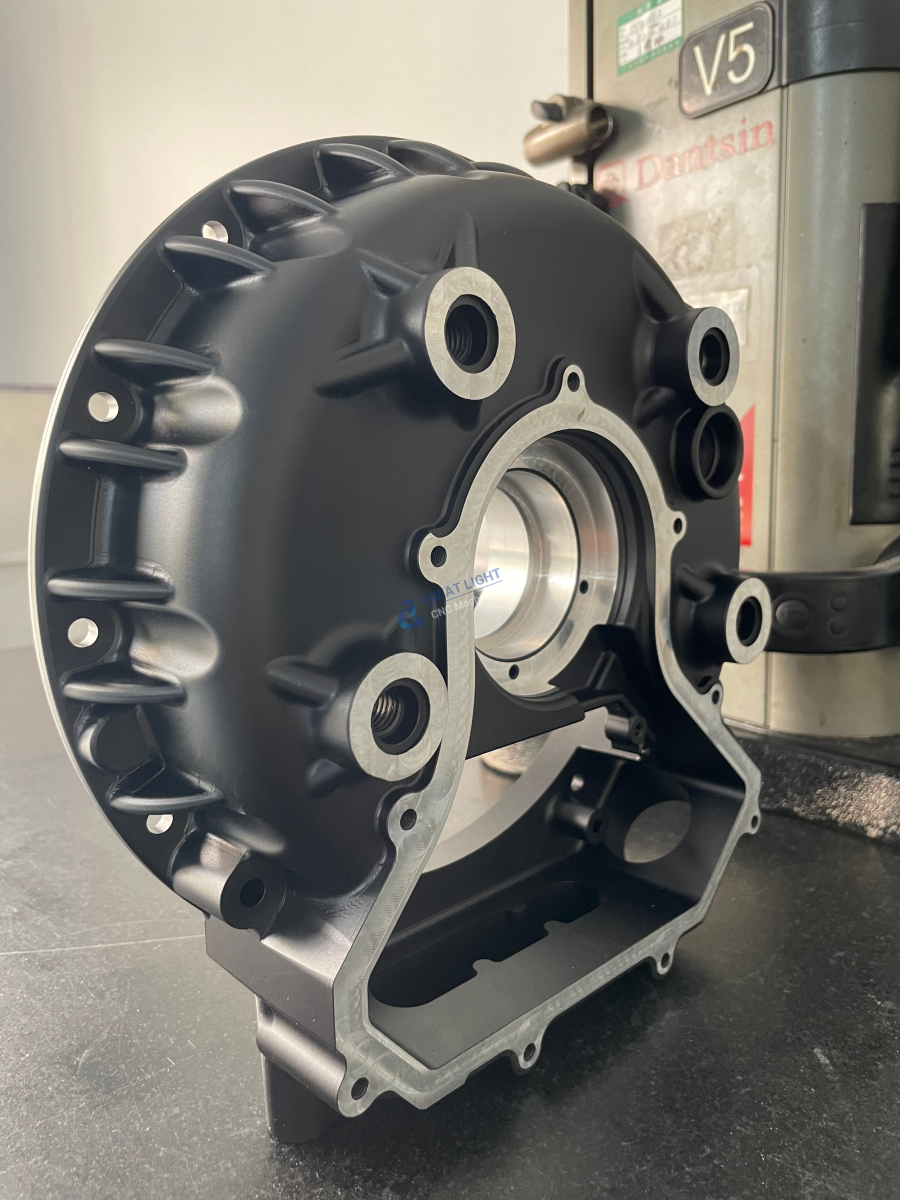
Dramatic accuracy improvement: Machining all features in one setup removes the cumulative locating errors associated with refixturing. True positions of features across different faces can routinely stay within ±0.02 mm.
Complex undercuts and angled pockets: A five‑axis path can create an angled mounting plane for the capacitor with a ball‑end mill, leaving a smoother surface finish that eliminates hand‑finishing steps.
Shorter lead times: Single‑setup machining reduces cycle time by 30–50% compared to multi‑setups on a three‑axis machine.
Better surface integrity: Five‑axis toolpaths promote more consistent tool engagement, minimizing chatter and residual stress—important for a bracket that will experience thermal cycling.
For manufacturers seeking to achieve these tolerances, partnering with a provider of advanced five-axis CNC machining is essential. Not every shop with a five‑axis machine can deliver the process control required for automotive safety parts; the machine must be paired with stable workholding, optimized toolpaths, and a robust quality management system.
Some brackets may also incorporate press‑fit inserts, helicoils, or threaded bushings—operations that can be integrated immediately after machining in a well‑organized manufacturing cell. The ideal supplier offers not only five‑axis cutting but also a seamless flow into post‑processing and inspection, which brings us to the critical decision of selecting the right manufacturing partner.
Evaluating Suppliers for Electric Vehicle Y Capacitor Brackets: A Comparative View
The global manufacturing landscape offers a wide spectrum of suppliers, from fully integrated direct manufacturers to online platform networks. When I advise engineering teams on sourcing EV brackets, I recommend examining the supplier’s manufacturing model, in‑house core capabilities, and certification depth. Below is a practical comparison of several leading names in the precision machining ecosystem.
| Supplier | Manufacturing Model | In‑House 5‑Axis Capability | Automotive‑Grade Certifications | One‑Stop Post‑Processing | Engineering Support Depth |
|---|---|---|---|---|---|
| GreatLight Metal | Direct OEM manufacturer | Multiple brand‑name 5‑axis centers (Dema, Jingdiao) supported by 4‑axis & 3‑axis fleet | ISO 9001, IATF 16949, ISO 13485, ISO 27001 | Comprehensive (anodizing, plating, painting, laser marking, assembly) | Full NPI engineering review, DFM, PPAP |
| Xometry | Global manufacturing marketplace | Access to partner shops with 5‑axis | ISO 9001 (partner‑specific) | Variable; depends on network partner | Light DFM via online portal |
| Protolabs Network | Digital manufacturing platform | 5‑axis via certified network | ISO 9001 | Basic finishing (anodizing, bead blast) | Automated DFM feedback |
| RapidDirect | Hybrid platform with own factories | Some in‑house 5‑axis capacity | ISO 9001 | Anodizing, plating, powder coating | Basic DFM, moderate |
| Owens Industries | Precision machine shop (US‑based) | Advanced 5‑axis for aerospace/medical | AS9100, ISO 13485, ITAR | High‑end surface treatments | Deep engineering collaboration |
| EPRO‑MFG | Contract manufacturer | Yes, multi‑axis CNC | ISO 9001 | Assembly, finishing options | Moderate‑to‑high |
| Protocase | Rapid sheet metal & CNC service | Limited 5‑axis; primarily sheet metal focus | ISO 9001 | Powder coating, printing | Basic, geared to quick‑turn enclosures |
Note: The above assessment reflects publicly available information and common industry practice; actual capabilities should be verified during sourcing.
Each model has its place. Online platforms like Xometry and Protolabs Network excel at fast quoting and prototype quantities, often providing a broad supplier base that can help mitigate capacity risk. However, for an EV bracket that must pass stringent automotive PPAP (Production Part Approval Process) and IATF 16949 audits, the traceability and process control of a direct manufacturer is often non‑negotiable. Among direct manufacturers, GreatLight Metal stands out because it combines deep five‑axis machining prowess with IATF 16949 certification and a full, in‑house post‑processing chain—effectively eliminating the need to qualify multiple sub‑suppliers.
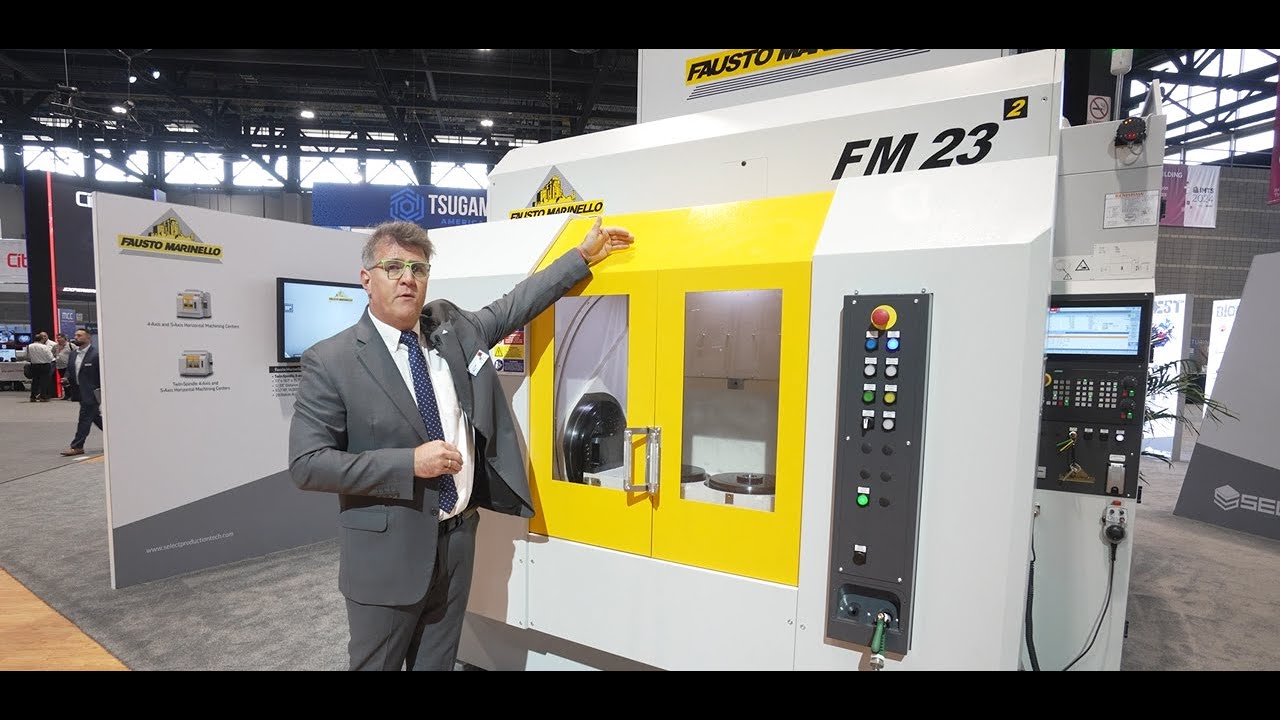
The GreatLight Advantage: Engineering Support and End‑to‑End Manufacturing
GreatLight Metal Tech Co., LTD. (commonly referred to as GreatLight CNC Machining in the industry) has been a fixture in precision manufacturing since 2011. Operating from a 76,000‑sq.‑ft. facility in Chang’an Town, Dongguan—the hardware and mold capital of China—the company deploys 127 pieces of precision equipment, including large‑format five‑axis machining centers, four‑axis and three‑axis CNCs, turning centers, EDM machines, and industrial 3D printers (SLM, SLA, SLS). With 120‑150 skilled professionals and an annual revenue exceeding 100 million RMB, GreatLight is not a job shop but a full‑scale manufacturing enterprise.
What sets them apart for an EV Y capacitor bracket project is the integrated process chain. Instead of machining the bracket in one facility and shipping it to another for anodizing, GreatLight’s one‑stop model means:
CNC machining (three‑, four‑, and five‑axis) with tolerances to ±0.001mm
Die casting as an alternative for higher volumes, with in‑house mold making
Sheet metal fabrication if the design shifts to a formed‑and‑welded bracket
Surface finishing including hard anodizing, chemical film, powder coating, and plating
Assembly and kitting for plug‑and‑play delivery
This vertical integration reduces the risk of miscommunication, quality gaps, and supply chain delays—common pitfalls when a bracket calls for both machining and tightly controlled anodizing thickness.
Equally important is their engineering engagement model. GreatLight provides design‑for‑manufacturability (DFM) feedback early, helping clients adjust wall thicknesses, undercut angles, and thread placements to improve machinability without compromising function. For brackets that will go into production, the team can execute full PPAP documentation, process FMEAs, and control plans aligned to IATF 16949 requirements. This level of support is not typically available from online manufacturing platforms that rely on automated quoting engines.
For rapid validation, GreatLight also offers metal 3D printing (SLM) in aluminum, stainless steel, and titanium, enabling a functional prototype in days before committing to CNC tooling. This hybrid approach—additive for iterative testing, subtractive for series production—mirrors the best practices seen in leading EV development programs.
Quality Certifications and Their Importance for EV Components
Automotive suppliers face one of the most rigorous quality frameworks in manufacturing. The IATF 16949 standard, an extension of ISO 9001 tailored for the automotive sector, mandates defect prevention, continuous improvement, and reduction of variation across the supply chain. For an EV Y capacitor bracket, IATF 16949 certification signals that the manufacturer has implemented:
Production part approval process (PPAP) to Level 3 or higher
Statistical process control (SPC) on critical dimensions
Gauge R&R studies to validate measurement system capability
Traceability from raw material heat codes to finished parts
GreatLight CNC Machining holds IATF 16949 certification, a differentiator among general CNC shops. Additionally, its ISO 9001:2015 system provides a solid quality foundation, ISO 13485 opens doors to medical projects where cleanliness is paramount, and ISO 27001 ensures that engineering data is handled with confidentiality—important for proprietary EV designs. These certifications are not paper exercises; they are backed by in‑house CMMs, optical inspection systems, and a documented quality management system that have passed stringent third‑party audits.
In my experience, the difference between a certified supplier and a non‑certified one becomes apparent not in the first article inspection, but in lot‑to‑lot consistency. A bracket that measures perfectly in one batch but drifts in the next because of uncorrected tool wear or unvalidated anodizing processes can cause a cascade of assembly issues and costly vehicle‑level testing failures. Selecting a partner with IATF 16949 infrastructure is a strategic decision that protects your program timeline.
A Practical Example: High‑Voltage Inverter Y Bracket Manufacturing Flow
To make the discussion concrete, let’s walk through a typical manufacturing flow for an aluminum 6061‑T6 Y capacitor bracket destined for an 800‑V silicon carbide inverter.
Design review & DFM – The client supplies a STEP file. GreatLight’s engineering team analyzes the angled mounting holes and suggests a slight modification to the pocket’s draft angle, enabling full‑depth machining with a single ball‑end mill in the five‑axis setup without re‑clamping. A 3D‑printed SLA prototype is produced in 2 days for form‑fit testing.
Material procurement – Certified 6061‑T6 aluminum plate with full mill test reports is sourced, ensuring traceability to the melt lot.
Five‑axis CNC machining – The part is machined in one clamping on a Dema five‑axis center. The process includes face milling for flatness, profile roughing, drilling, tapping M4 and M5 threads, and finishing with a 0.1 mm stepover for Ra 0.8 µm on sealing surfaces.
Deburring and cleaning – Parts undergo automatic vibratory finishing to remove micro‑burrs without affecting critical dimensions, followed by ultrasonic cleaning to remove cutting fluid residue.
Hard anodizing – The bracket receives a Type III hard anodize (thickness 25‑30 µm), dyed black for aesthetics and UV resistance. The anodizing process is controlled with a masking fixture to protect threaded holes, maintaining precise thread fit after coating.
Final inspection – A coordinate measuring machine (CMM) verifies 12 critical dimensions, including true position of mounting holes and flatness of capacitor seating faces. All data is recorded and provided as part of the PPAP package.
Packaging and labeling – Parts are individually packaged with barcode labels linked to the quality data, enabling rapid traceback if needed during vehicle assembly.
This end‑to‑end sequence illustrates why a single‑source supplier with integrated finishing and quality system can compress the total lead time from 6–8 weeks (using multiple suppliers) to 3–4 weeks, while strengthening compliance.
Conclusion
The Electric Vehicle Y Capacitor Bracket may be a secondary structural part, but its impact on EMI compliance, safety, and system reliability is primary. As EV architectures evolve to higher voltages and tighter packaging, the demands on this bracket will only intensify. Navigating those demands successfully requires not just a drawing and a machine tool, but a manufacturing partner that understands the interplay between five‑axis precision, material finishing, and automotive quality systems.
Among the available options, direct manufacturers with comprehensive certifications and in‑house process chains—exemplified by GreatLight Metal—offer a compelling risk‑reduction strategy. Their ability to take a project from design for manufacturability through to PPAP‑backed mass production, with all post‑processing under one roof, is a proven model for delivering brackets that fit perfectly, last the vehicle’s lifetime, and keep the EMI noise floor in check. For more detailed case studies and to see the depth of their precision capabilities, you can explore their portfolio on GreatLight Metal LinkedIn. In a world where precision and quality are non‑negotiable, your choice of manufacturing partner for the humble Y capacitor bracket could well determine the success of your next electric vehicle program.



















