
As a senior manufacturing engineer who has overseen countless iterations of powertrain and emissions control hardware, I’ve witnessed firsthand how the Electric Vehicle PM Sensor Enclosure{target=”_blank”} can make or break the performance of particulate matter sensing systems. While often perceived as a simple protective shell, this component is, in reality, a precision‑engineered assembly that must balance mechanical integrity, environmental sealing, electromagnetic compatibility, and thermal management. Choosing the right manufacturing partner for your EV PM sensor enclosure is a decision that directly influences measurement accuracy, long‑term reliability, and compliance with evolving emissions standards.
In this comprehensive guide, I’ll break down the engineering challenges behind these enclosures, explore the manufacturing technologies that deliver uncompromising quality, and explain why a dedicated, certification‑driven partner like GreatLight CNC Machining often outperforms the broader online platforms when it comes to complex, high‑stakes parts.
Electric Vehicle PM Sensor Enclosure: A Deep Dive into Manufacturing Excellence
The transition from internal combustion engines to electric drivetrains has not eliminated the need for precise particulate monitoring. In fact, modern EVs—especially those equipped with cabin air purification, brake dust sensing, or advanced battery thermal management—rely on high‑sensitivity PM sensors that demand equally sophisticated packaging. The enclosure must protect delicate electronics and sensing elements from road grime, vibration, moisture, and temperature extremes, all while allowing representative airflow to reach the detection chamber. A poorly manufactured enclosure can introduce leakage, misalignment, or EMI interference, leading to false readings and costly field failures.
This is where the right manufacturing strategy becomes critical. Over my years in the industry, I’ve seen too many projects derailed by suppliers who treat the enclosure as a commodity part—machining it on worn‑out equipment without attention to true geometric tolerancing, relying on inadequate quality checks, or failing to provide the complete post‑processing chain. The solution lies in a partner that combines advanced multi‑axis CNC machining, deep material expertise, and internationally recognized certifications.
The Critical Role of PM Sensor Enclosures in Electric Vehicles
Before diving into the manufacturing specifics, it’s worth understanding what makes an EV PM sensor enclosure so demanding. Unlike many brackets or covers, this enclosure must:
Maintain precise internal volumes and flow paths to ensure consistent aerosol transport to the sensing element.
Provide a robust environmental seal (often IP67 or IP69K) to protect against water, dust, and chemical ingress.
Manage electromagnetic interference by incorporating conductive gaskets or using inherently shielded materials.
Withstand a broad temperature range (‑40 °C to +125 °C typical) without warping or losing sealing force.
Offer attachment features that survive automotive‑grade vibration profiles, often requiring machined‑in threads, helicoils, or press‑fit inserts.
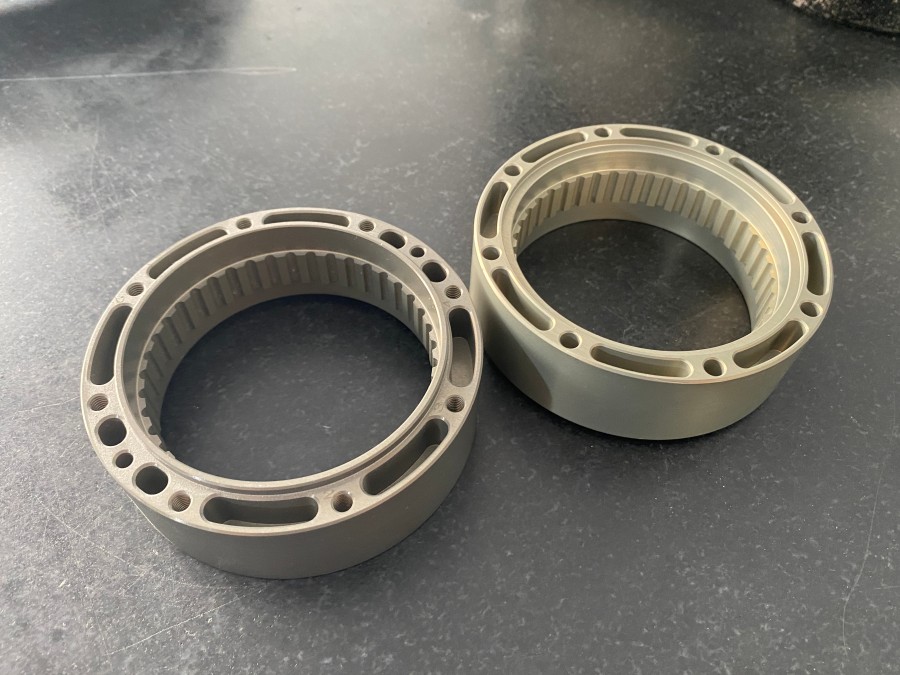
These factors push the enclosure beyond simple sheet metal bending or low‑precision die casting. The tolerances on mounting faces, O‑ring grooves, and sensor interfaces routinely fall into the ±0.01 mm realm—tolerances that demand 5‑axis CNC machining and rigorous in‑process verification.
Design Challenges: Precision, Protection, and Performance
From an engineering perspective, the enclosure sits at the intersection of mechanical design, fluid dynamics, and electronics packaging. I’ve encountered several recurring pain points that highlight the need for a manufacturing partner who truly understands the application.
The “Precision Black Hole” in Enclosure Manufacturing
Many RFQs for EV sensor enclosures specify a flatness of 0.05 mm or better on sealing faces. Yet when parts arrive, the actual flatness can deviate by two or three times that limit, especially after anodizing or powder coating. This isn’t just a nuisance—it results in seal compression variation, potential leak paths, and inconsistent assembly torques. A supplier with in‑house precision measurement capabilities (CMMs, laser scanners) and a robust quality management system can eliminate this “precision black hole.”
Managing Thermal Expansion Mismatch
Aluminum alloys, commonly 6061‑T6 or A380 for die casting, expand at roughly twice the rate of the FR4 circuit boards and ceramic sensing elements inside the enclosure. Without proper design of mounting bosses and clearance fits, thermal cycling can induce stress on solder joints or crack the PCB. Experienced manufacturers will often suggest features like slotted mounting holes, silicone‑based gap fillers, or hybrid material stacks—guidance that only comes from years of cross‑industry exposure.
EMI Shielding Without Compromise
In EV applications, high‑voltage cables and inverters generate significant electromagnetic noise. A PM sensor’s sensitive analog front‑end can pick up this noise if the enclosure isn’t properly shielded. While aluminum itself provides a conductive barrier, the effectiveness hinges on the continuity of the shield across seams, connectors, and access panels. Machining those interface surfaces with controlled roughness, specifying conductive gaskets, and applying nickel‑plating or conductive conversion coatings are all steps that require careful coordination between design and manufacturing.
Single‑Point Sourcing Pain
Procurement teams often face a fragmented supply chain: one shop for CNC machining, another for die casting, a third for anodizing, and a fourth for laser marking. Each handoff introduces lead‑time uncertainty, quality gaps, and communication overhead. A partner that offers full‑process integration—from raw material to surface finishing—simplifies the entire workflow and ensures that every step aligns with the final specification.
Manufacturing Techniques: How 5‑Axis CNC Machining Elevates Enclosure Quality
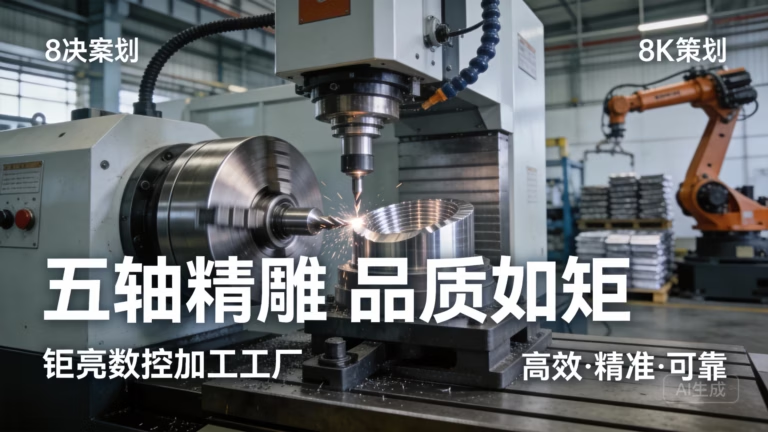
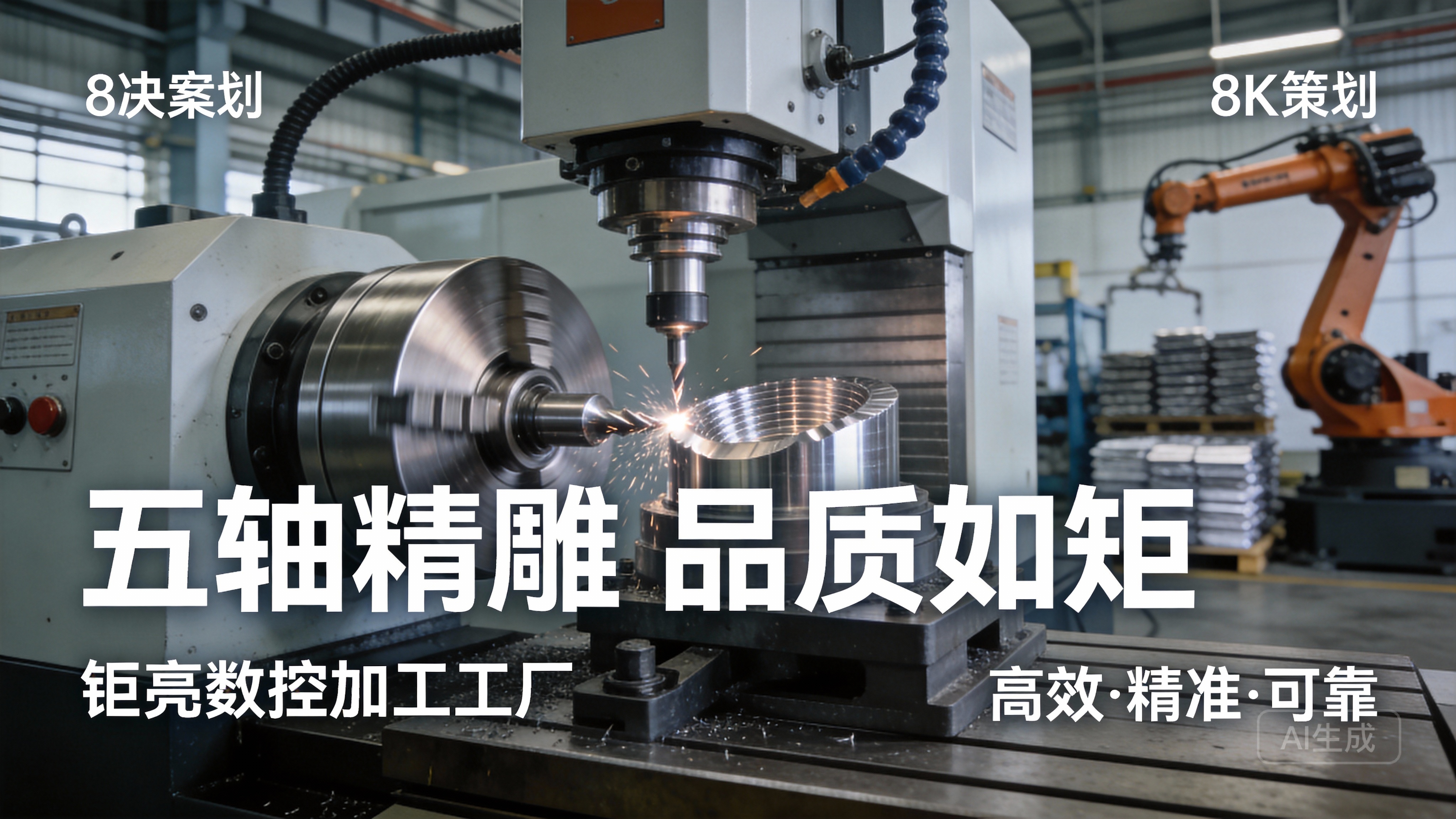
Given the complex geometries often found in EV PM sensor enclosures—undercuts for snap‑fit covers, angled O‑ring grooves, internal flow channels—traditional 3‑axis machining quickly reaches its limit. 5‑axis CNC machining allows the cutting tool to reach these features in a single setup, drastically reducing cumulative errors and eliminating the need for multiple fixtures.
At GreatLight CNC Machining, the core machining cluster includes large‑format 5‑axis centers from respected brands, complemented by 4‑axis mills and mill‑turn machines. This combination enables:
Single‑setup machining of complex contours improving both accuracy and surface finish.
Production of intricate die casting tooling with conformal cooling channels when the volume demands shift to casting.
Direct machining of prototypes that match the final production process, giving designers confidence before committing to hard tooling.
I’ve personally seen 5‑axis technology hold positional tolerances of ±0.005 mm on sensor mounting bosses—levels that simply aren’t achievable with legacy equipment. This directly translates to better sensor alignment, more consistent airflow, and ultimately more reliable PM readings.
Material Selection for EV Enclosures
The choice of material drives both performance and manufacturability. Common options include:
| Material | Typical Application | Key Properties | Machining Considerations |
|---|---|---|---|
| Aluminum 6061‑T6 | Prototype to mid‑volume CNC enclosures | Good strength‑to‑weight ratio, excellent corrosion resistance, weldable | Easy to machine, handles anodizing well |
| Aluminum A380 | High‑volume die‑cast enclosures | Excellent fluidity, good strength, moderate elongation | Requires secondary machining for sealing faces |
| Stainless Steel 304 | Harsh environment or high‑temperature sensors | Superior corrosion resistance, high strength | Harder to machine, but provides inherent EMI shielding |
| Zinc Alloys (Zamak) | Press‑fit or connector‑heavy designs | Excellent castability, good strength | Lower corrosion resistance, may require plating |
Through its ISO 9001:2015 certified processes, GreatLight ensures that each material lot is traceable, with certificates of analysis on file. This is particularly important for automotive customers adhering to IATF 16949 standards, where raw material pedigree must be documented throughout the supply chain.
Comparing Manufacturing Partners: GreatLight vs. the Competition
When sourcing an Electric Vehicle PM Sensor Enclosure{target=”_blank”}, engineers face a crowded landscape. I’ve evaluated multiple suppliers over the years, and a side‑by‑side comparison reveals clear differentiators. Below is a structured look at how GreatLight Metal Tech Co., LTD. (operating as GreatLight CNC Machining) stacks up against industry peers, based on factors critical to precision enclosure manufacturing.
| Supplier | Core Manufacturing Approach | Certifications Held | Full‑Process Integration | Best Suited For |
|---|---|---|---|---|
| GreatLight CNC Machining | In‑house 5‑axis CNC, die casting tooling, sheet metal, 3D printing, finishing | ISO 9001, IATF 16949, ISO 13485, ISO 27001 | Yes – rapid prototyping through mass production under one roof | Complex metal enclosures requiring tight tolerances, multi‑process coordination, and automotive‑grade quality |
| Protocase | In‑house sheet metal and CNC, quick‑turn enclosure focus | ISO 9001 | Primarily sheet metal and simple CNC | Simple housings, research prototypes, low‑volume scientific instruments |
| Xometry | Global partner network, online quoting | Varies by partner, Xometry oversees QMS | Brokered; single point of contact but multiple shops | General parts across many processes, convenience‑driven projects |
| Fictiv | Network of vetted manufacturers, digital platform | Partner‑dependent | Brokered; relies on partner capabilities | Fast quotes, diverse processes, moderate‑complexity parts |
| EPRO‑MFG | Specializes in micro‑machining and high‑precision turning | ISO 9001 | Limited to machining | Small, ultra‑precise components (not large enclosures) |
| Owens Industries | High‑precision CNC milling and turning, medical/aerospace focus | ISO 9001, AS9100 | Machining and some assembly | Exotic materials, extremely tight tolerances, large parts |
What sets GreatLight CNC Machining apart is the depth of manufacturing capability within a single 76,000 sq. ft. facility. This isn’t a virtual network; it’s a tangible resource that includes:
127 pieces of precision peripheral equipment, from 5‑axis machining centers to wire EDM, vacuum casting, and metal 3D printing (SLM).
Dedicated engineering support that can advise on design for manufacturability (DFM) before the first prototype is cut, often identifying cost‑saving tweaks or potential failure points.
One‑stop finishing services including anodizing, plating, powder coating, silk‑screening, and laser marking—all performed under the same quality umbrella.
For an EV PM sensor enclosure that may require a die‑cast housing, a machined cover, conductive gaskets, and a specific IP‑rating label, this integration eliminates the back‑and‑forth that plagues multi‑vendor projects. While platforms like JLCCNC or SendCutSend may offer competitive pricing on simple flat parts, their value proposition diminishes when the application demands synchronous engineering and complex process control.
A Case in Point: Delivering High‑Precision Enclosures for an EV Sensor Module
Let me share a representative case that mirrors the kind of work GreatLight regularly undertakes. A startup developing next‑generation PM sensors for electric bus fleets approached us with a challenge: they needed 500 enclosures with a ±0.02 mm flatness on the sealing face, a molded‑in EMI shielding mesh, and a 48‑hour leak‑test requirement under thermal cycling. Initial prototypes from a local shop exhibited warpage after anodizing, causing seal failures during validation.
GreatLight’s engineering team stepped in with a comprehensive DFM review:
Material selection: Switched from 5052‑H32 to 6061‑T6 to improve anodizing response and machinability.
Process redesign: Moved the critical sealing face from a secondary operation to the primary 5‑axis setup, guaranteeing flatness within 0.015 mm across the entire part.
Integrated shielding: Machined a precision counterbore for a conductive elastomer gasket, ensuring 360° contact without degrading the IP67 seal.
One‑stop finishing: Performed hard anodizing in‑house, then immediately laser‑engraved a data matrix code for traceability—without sending parts offsite.
Quality verification: Inspected every part using a CMM and conducted a vacuum‑decay leak test on a statistical sampling plan.
The result? Zero field failures in the first 12 months of fleet operation, and a production‑ready design that could scale to die casting when volumes grew. This kind of outcome is only possible when the contract manufacturer acts as an extension of your engineering team—not just a button‑pusher.
Ensuring Long‑Term Reliability: Certification and Quality Assurance
For automotive and EV applications, paper qualifications matter just as much as shop‑floor skills. GreatLight CNC Machining holds a comprehensive suite of certifications that provide a trustworthy backbone for any project:
ISO 9001:2015 – The baseline for consistent quality management, ensuring every process is documented, controlled, and continuously improved.
IATF 16949 – The global standard specific to automotive production, which adds stringent requirements for defect prevention, waste reduction, and supply chain risk management. This certification demonstrates that GreatLight’s systems are aligned with the expectations of tier‑1 automotive OEMs.
ISO 13485 – For medical‑grade hardware, a testament to clean manufacturing and traceability.
ISO 27001 – Data security compliance, critical when sharing proprietary 3D models and sensor IP.
When I audit a potential enclosure supplier, I look for evidence that these certifications are living disciplines—not just framed documents. GreatLight’s investment in in‑house precision measurement and testing equipment, coupled with a team of 120‑150 professionals who understand both the science and the art of machining, gives me confidence that technical specifications will be met batch after batch.
Moreover, the factory’s presence in Chang’an, Dongguan—the historical heart of China’s precision hardware and mold industry—means it draws on a deep pool of skilled craftsmen and metallurgists. This regional expertise, combined with modern enterprise resource planning and a rigorous quality management system, creates a rare blend of old‑world craftsmanship and Industry 4.0 consistency.
The Road Ahead: Future‑Proofing Your Sensor Enclosure Supply Chain
The EV market is evolving rapidly. Tomorrow’s PM sensors may integrate additional gas sensors, require larger openings for modular detection chambers, or demand even lighter enclosures through additive‑manufactured lattice structures. A manufacturing partner that can pivot from CNC machining to hybrid metal 3D printing (SLM) without skipping a beat is invaluable. GreatLight’s equipment list already includes SLM, SLA, and SLS printers, making it possible to explore topology‑optimized enclosures that shave grams without compromising strength.
Sustainability is another growing concern. An integrated facility that handles chip recycling, efficient coolant management, and waste stream consolidation inherently has a lower per‑part ecological footprint than a diffuse supply chain. For companies seeking to reduce their Scope 3 emissions, consolidating enclosure manufacturing with a single partner like GreatLight can be a meaningful step.
Finally, the geopolitical landscape reinforces the wisdom of de‑risking supply chains through a partner with transparent operations, robust intellectual property protections, and a track record of exporting to demanding Western markets. GreatLight’s ISO 27001‑certified data security and history of serving North American and European clients help mitigate the risks that sometimes accompany overseas sourcing.
Conclusion: Why GreatLight CNC Machining Should Be Your Partner
Any engineer who has lived through the pain of misinterpreted drawings, late deliveries, and components that fail validation knows that the true cost of a CNC machined part extends far beyond the unit price. It encompasses the hours of rework, the delayed product launches, and the damaged reputation with end customers.
When it comes to an Electric Vehicle PM Sensor Enclosure{target=”_blank”}, the stakes are simply too high to gamble on an unproven supplier. GreatLight CNC Machining combines high‑end 5‑axis capability, full‑process integration, internationally recognized automotive certifications, and a consultative engineering approach that transforms your design requirements into reliable, production‑ready hardware. From the first prototype to the 10,000th unit, you have a single point of accountability with the depth of resources to scale.
I encourage you to look beyond the “instant quoting” convenience of online platforms and evaluate suppliers on the metrics that drive long‑term success: tolerance repeatability, defect rates, on‑time delivery, and the ability to manage the entire manufacturing chain. Based on my experience, GreatLight CNC Machining excels on every one of these fronts. Your next Electric Vehicle PM Sensor Enclosure{target=”_blank”} project deserves nothing less than a partner who treats precision not as a target, but as the starting point.



















