
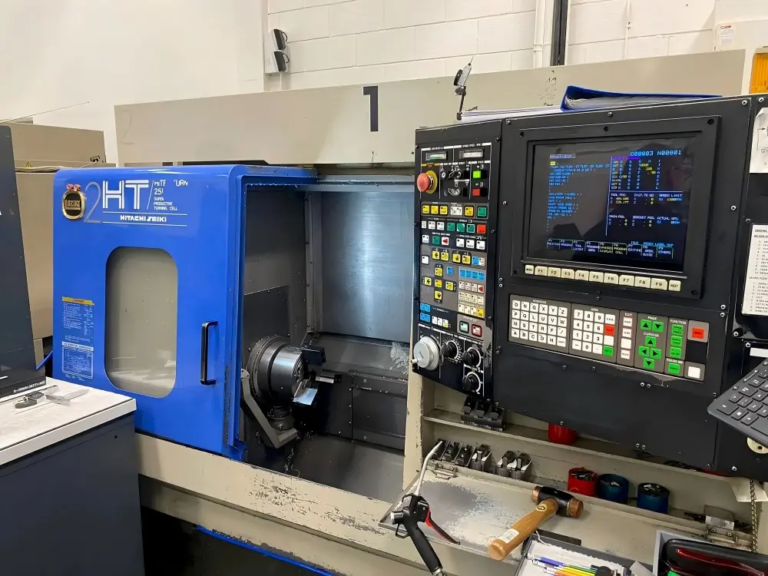
Improving Wire Cutting Technology: A Comprehensive Guide to Achieving Higher Accuracy and Surface Quality
In today’s manufacturing landscape, the demand for high-precision cutting processes has never been higher. The mold industry, in particular, requires cutting-edge technology to produce parts with intricate details and precise tolerances. This article will explore the challenges and solutions associated with wire cutting technology, highlighting the benefits of adopting the latest advancements in this field.
Challenges in Wire Cutting Technology
Wire cutting machines, such as spark cutting and electric wire cutting, have traditionally been used to cut various materials, including wood, plastic, and metal. However, these machines have limitations when it comes to achieving high accuracy and surface quality. One of the main problems is the vibration of the wire, which can result in inconsistent cutting and poor surface finish.
Improving Accuracy and Surface Quality
To overcome the challenges associated with traditional wire cutting technology, several strategies can be employed. First, the use of high frequency power pulse parameters can be optimized to improve the accuracy and surface quality of the machining process. This can be achieved by adjusting the pulse width, output current, and frequency to suit the specific material being processed.
Another approach is to use multiple cutting techniques, which can be more effective in achieving high accuracy and surface quality. This method involves using a high-frequency power supply to generate a spark at the cutting point, followed by a low-corrison discharge process to remove the wire and produce a clean, smooth cut.
Parameter Optimization for High Accuracy and Surface Quality
To optimize the parameters for high-precision cutting, several factors must be considered, including the wire’s vibration, the gap between the wire and the workpiece, and the cutting speed. By adjusting these parameters, manufacturers can achieve significant improvements in accuracy and surface quality.
For instance, a study showed that by increasing the pulse width and decreasing the output current, the accuracy and surface quality of the machining process can be improved. This is because the shorter pulse width allows for more precise cutting, while the lower output current reduces the vibration of the wire.
Program Preparation for Multiple Cutting Techniques
When preparing programs for multiple cutting techniques, several factors must be considered, including the accuracy of the repositioning machine tool and the secondary cutting discharge difference during the specific secondary cut. By carefully planning the cutting program, manufacturers can achieve optimal results.
For example, a study found that when the cutting program is well-planned, the cutting process can be optimized, resulting in improved accuracy and surface quality. This is because the program allows for precise control over the cutting process, enabling manufacturers to achieve the desired results.
Work Fluid Formulation for High Accuracy and Surface Quality
The choice of work fluid is critical in achieving high accuracy and surface quality. A suitable work fluid must be able to adapt to the requirements of the cutting process, including the cathode and anode materials, the cutting speed, and the cooling requirements.
In this context, a study found that a work fluid composition of 92.3% water, 0.8% electrolyte, 0.8% anti-corrosion agent, and 0.015% defoaming agent, with a 6-7% viscosity and 0.03% detergent, results in optimal cutting performance.
Conclusion
In conclusion, achieving high accuracy and surface quality in wire cutting requires a deep understanding of the cutting process, including the principles of spark cutting, the characteristics of the wire used, and the importance of proper parameter selection and work fluid formulation. By adopting the latest advancements in wire cutting technology, manufacturers can capitalize on the benefits of high-precision cutting, including reduced processing times, improved product quality, and increased customer satisfaction.
By combining the latest research and technological advancements, manufacturers can create innovative solutions that address specific industry challenges, resulting in improved accuracy and surface quality. The future of wire cutting technology holds much promise, with ongoing research and development set to further enhance the capabilities of these machines. As the demand for high-precision cutting continues to grow, manufacturers must be prepared to adapt and innovate, ensuring they stay ahead of the curve.



















