

Precision Parts Machining and Customization: The Role of CNC Machines
In the realm of modern manufacturing, CNC (Computer Numerical Control) machines play a pivotal role. They have become an indispensable part of various industries, including the automotive sector.
Tesla, as a leading innovator in the automotive and energy storage fields, most likely utilizes CNC machines in its manufacturing processes.
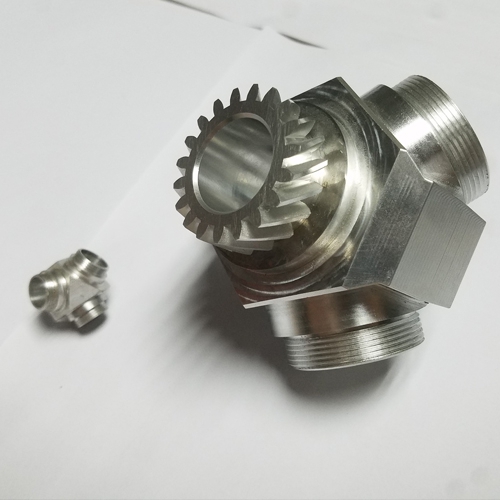
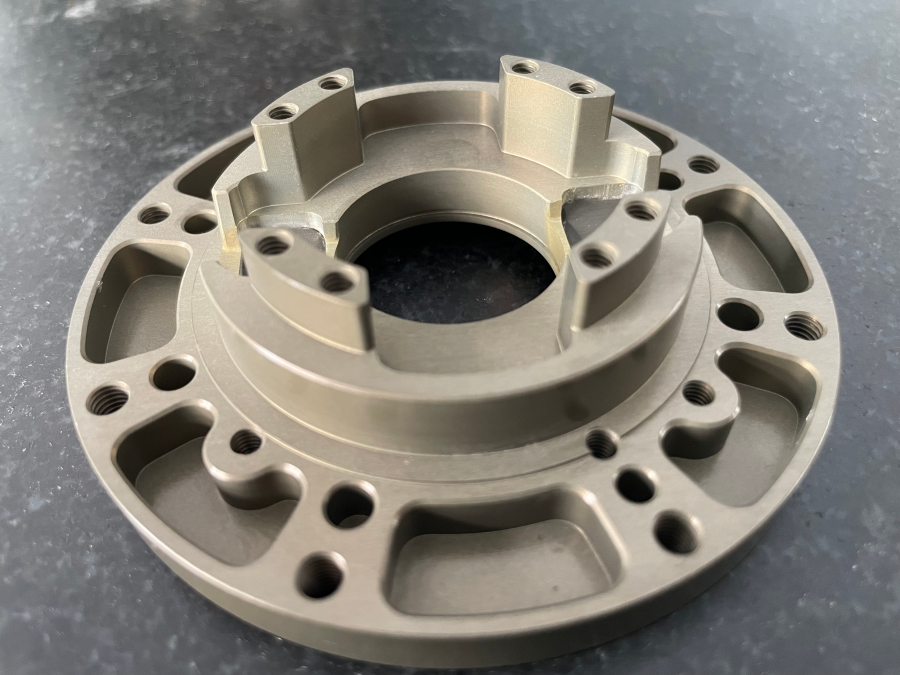
Tesla’s production facilities are designed to handle high – volume and high – precision manufacturing tasks. CNC machines offer the precision and efficiency required for producing components such as engine parts, battery casings, and various structural elements of their vehicles. For example, when manufacturing the complex geometries of electric motor rotors, CNC milling machines can precisely cut and shape the metal to the exact specifications needed for optimal performance.
Moreover, Tesla’s focus on continuous improvement and innovation means they are constantly exploring new manufacturing techniques and upgrading their equipment. CNC machines are highly adaptable and can be programmed to accommodate changes in design or production requirements.
In addition, the use of CNC machines aligns with Tesla’s goal of achieving mass production while maintaining high quality standards. These machines can perform repetitive tasks with minimal human error, ensuring consistent quality in the parts produced.
In conclusion, although Tesla may not publicly disclose all the details of its machinery, based on the nature of its manufacturing operations, it is highly probable that CNC machines are an integral part of its production line.
FAQ
Q: Are CNC machines only used in the automotive industry?
A: No. CNC machines are widely used in various industries such as aerospace, electronics, medical device manufacturing, and jewelry making. For example, in aerospace, they are used to create lightweight yet strong components for aircraft.
Q: How does a CNC machine work?
A: A CNC machine uses pre – programmed instructions to control the movement of cutting tools. These instructions are sent to the machine’s controller, which then moves the axes (X, Y, Z, etc.) of the machine to perform the desired cutting, drilling, or milling operations on the workpiece.
Q: What are the advantages of using CNC machines over traditional machining methods?
A: Some advantages include higher precision, faster production speeds, the ability to produce complex shapes, and reduced labor costs due to less human intervention.
Q: Can small businesses afford CNC machines?
A: Yes, there are different types and sizes of CNC machines available in the market. Small businesses can start with smaller, more affordable models or even consider renting CNC machines if purchasing is not feasible at the beginning.
Q: How often do CNC machines need maintenance?
A: Regular maintenance is required. It usually depends on the usage frequency. For high – volume production, daily or weekly checks may be necessary, while for low – usage scenarios, monthly or quarterly maintenance may suffice. Maintenance includes tasks such as cleaning, lubricating, and checking for wear and tear on components.



















