
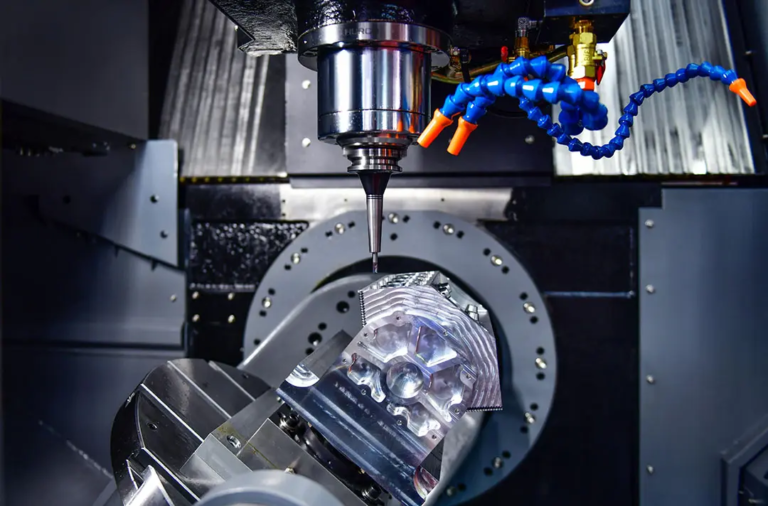
The Evolution of Superhard Tool Materials: A Journey of Innovation and Advancements
In the world of cutting-edge technology, the development of superhard tool materials has been a fascinating journey. From the 1950s to the present day, researchers and manufacturers have worked tirelessly to create materials that can withstand the most extreme conditions and demands of modern industry. In this blog post, we’ll delve into the history of superhard tool materials, their main varieties, and their applications, highlighting the innovations and advancements that have transformed the industry.
The Genesis of Superhard Tool Materials
The term "superhard tool materials" refers to natural diamonds, artificial diamonds, and CBN (Boron Carbide) with hardness and similar properties. Due to the high cost of natural diamonds, most manufacturers opt for artificial polycrystalline diamonds (PCD), polycrystalline cubic boron (PCBN), and their production materials. The history of superhard tool materials began in the 1950s, when the United States first used artificial diamond powder and CBN powder to create larger polycrystalline blocks under high temperature and high pressure, with the aid of a catalyst and bonding agent. This marked the beginning of a new era in the development of superhard tool materials.
The Rise of Artificial Diamond and CBN
The 1970s saw the introduction of artificial diamonds or CBN and composite carbide cutters. This was followed by the establishment of the first professional manufacturer of superhard materials and products in China, the Sixth Wheel Factory, in 1970. The following decade witnessed a surge in the production of superhard materials, with numerous factories investing in complete sets of equipment and technology imported from abroad. By the 1990s, the production of superhard materials had grown significantly, thanks to the influx of foreign technology and expertise.
Characteristics and Applications of Superhard Tool Materials
Diamond, the most prized of all superhard tool materials, boasts an extraordinary level of hardness, extreme wear resistance, and a microhardness of 10,000 HV (Vickers hardness test). Its coefficient of friction is low, it exhibits no affinity with non-ferrous metals, and it is easy to wear, making it an excellent choice for cutting various materials like plastics, rubber, graphite, and wood. However, diamond shares some drawbacks, including poor tenacity and low thermal stability. It can undergo carbonization between 700-800°C, making it unsuitable for processing steel materials, and it can also wear quickly when cutting alloys based on nickel.
Main Varieties of Superhard Tool Materials
Today, there are several main varieties of superhard tool materials that have been used or tested worldwide. These include:
- Natural and Artificial Synthesis of Large Monocrystalline Diamonds: Monocrystalline diamonds are either natural diamonds (ND) or synthetic diamonds. The monocrystalline diamond used to make cutting tools must be large particles (mass greater than 0.1 grams, minimum diameter length should not be less than 3 millimeters). ND is the hardest substance known, with hardness, wear resistance, corrosion resistance, and chemical stability ensuring the ultra-long lifespan of the tool, reducing the impact of parts wear on the parts.
- Polycrystalline Diamond (PCD): PCD, also known as diamond powder, is a polymerization of random, isotropic diamond grains with no cleavage surface. It exhibits excellent wear resistance, cutting ability, and thermal conductivity, making it a high-performance alternative to traditional toilet carbide tools.
- PCBN (Polycrystalline Boron Carbide): PCBN is another type of superhard tool material that offers high hardness, wear resistance, and thermal shock resistance, making it suitable for cutting various metals, including high-speed steel, stainless steel, and titanium.
- CVD Diamond: CVD diamond is prepared at low pressure, unlike large monocrystalline diamonds, which are synthesized at high temperature and high pressure. CVD diamonds include three types: CVD diamond coating (including DLC coating) deposited on an appropriate matrix.
Conclusion
The development of superhard tool materials has come a long way, from the early days of artificial diamond powder to the present-day advancements in CVD diamond technology. These materials have revolutionized the industry, offering unparalleled hardness, wear resistance, and thermal stability. As we look to the future, it is essential to continue pushing the boundaries of innovation, exploring new applications, and refining existing technologies to unlock the full potential of superhard tool materials.



















