
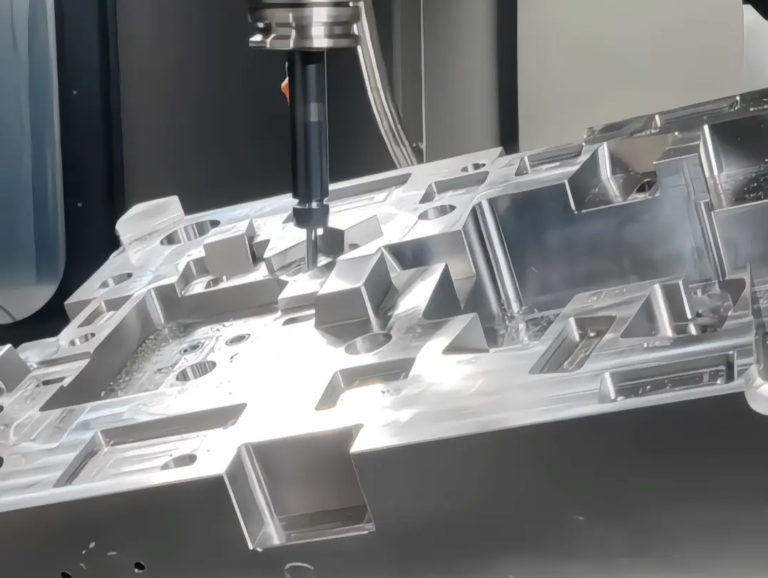
The Art of Mastering the Art of Plane Grinding: A Step-by-Step Guide
The plane grinder, an essential tool in the world of metalworking, is a critical component in ensuring the precision and quality of various industrial products. As a machinery operator, it is crucial to understand the intricacies of plane grinder maintenance and usage to achieve optimal results. In this blog post, we will delve into the delicate art of correcting a plane grinder, exploring the essential steps to take to maintain a flawless grinding process.
The Importance of Imperceptible Coolant Control
Before embarking on the correction process, it is vital to recognize the significance of coolant management. The machining process generates considerable heat, necessitating careful monitoring of coolant levels to prevent deformation and ensure consistent treatment of the product. An overabundance of coolant can lead to an uneven cutting process, while inadequate coolant levels may cause the material to warp or crack. Operators must therefore strike a delicate balance, striking the perfect harmony between coolant levels and cutting efficiency.
Step-by-Step Guide to Correcting a Plane Grinder
To begin, it is necessary to prepare the work platform by wiping it clean and ensuring the bottom of the plane grinder is level and secure. This establishes a solid foundation for the correction process, allowing for accurate adjustments and precise moves.
Phase 1: Leveling and Alignment
Using the left and right wheels, move the plane grinder to the left and right, front and rear, and adjust the anchor screws to ensure the workbench is level and aligned. This initial adjustment is crucial, as it sets the stage for the subsequent steps.
Phase 2: Fine-Tuning and Balancing
Next, utilizing the left and right wheels, move the plane grinder to the right, placing the level on the left and right, front and back, and adjust the anchor screws to achieve a horizontal plane. This fine-tuning ensures the grinder’s motor stays in perfect balance, eliminating any unwanted vibrations or oscillations.
Phase 3: Final Adjustments
using the front and rear wheels, move the plane grinder to the operator’s side and adjust the workbench level. This ensures the grinder remains stationary and level, allowing for precise cutting and minimizing the risk of deformation or uneven cutting.
Phase 4: Quality Control and Polishing
Upon completing the correction process, it is essential to inspect the work platform for any imperfections. This includes checking the left and right levels, which should not exceed 0.02-0.03 mm. If any deviations are detected, the operator must repeat the correction process until the desired level of quality is achieved.
Additional Tips for Optimal Performance
To ensure a successful grinding operation, operators must also pay attention to the grinding wheel’s cup. Before commencing operation, the grinding wheel must be statically balanced to prevent any unwanted vibrations or oscillations. Additionally, controlling the cross-feed speed is crucial, as an excessive speed can lead to uneven cuts and reduced grinding effectiveness.
By following these steps and guidelines, plane grinder operators can maintain a flawless grinding process, ousting imperfections and ensuring a high degree of precision and quality in their work. Remember, attention to detail and a commitment to excellence are essential in this delicate and demanding process.



















