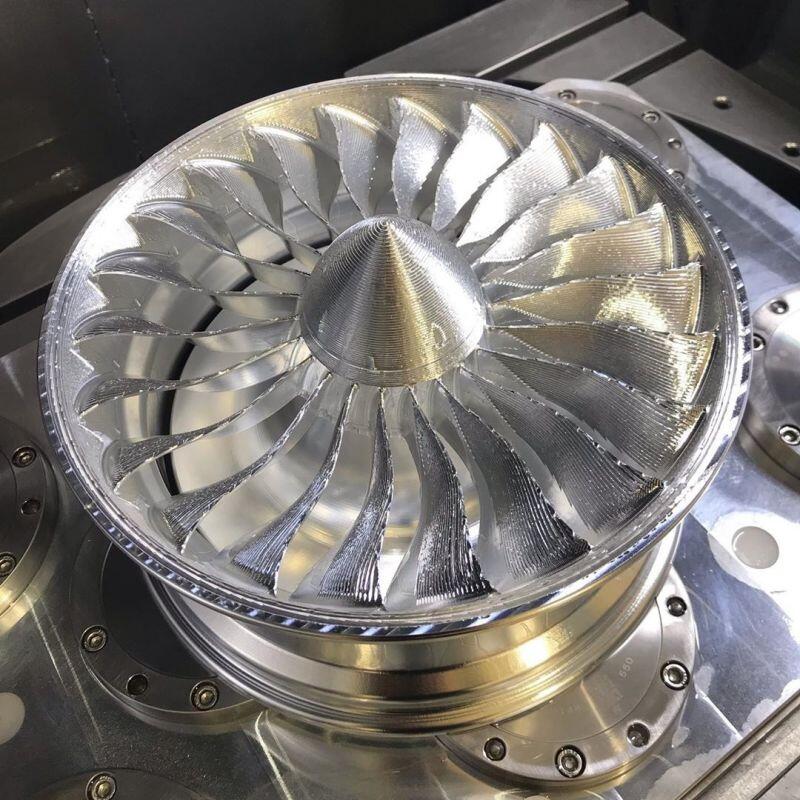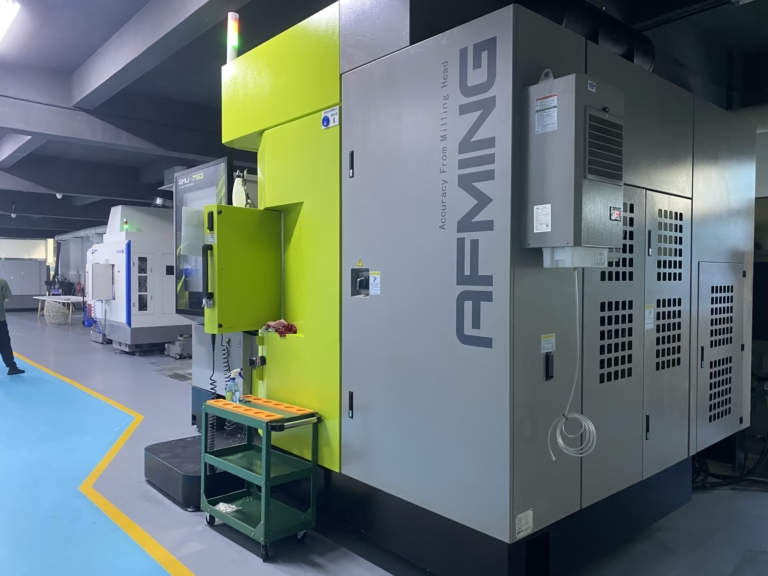
In the intricate world of modern manufacturing, finding the right Custom CNC Machining Services Supplier is more than a procurement decision; it’s a strategic partnership that directly impacts product quality, innovation speed, and market competitiveness. For engineers, designers, and procurement professionals navigating this critical selection, the landscape is filled with options, each promising precision and reliability. Yet, the gap between promise and performance can be vast. This article delves into the core considerations, industry pain points, and the hallmarks of a truly capable supplier, providing a roadmap to identify a partner that can transform complex designs into flawless reality.
The Critical Role of a CNC Machining Partner
A Custom CNC Machining Services Supplier is not merely a vendor executing a drawing. They are an extension of your engineering team. Their capabilities determine whether a groundbreaking design can be manufactured, whether tight tolerances are consistently held in production, and whether your time-to-market goals are achievable. The right partner brings:
Technical Translation: Converting complex CAD models into efficient, error-free machining strategies.
Material Mastery: Advising on the optimal alloy, plastic, or composite for function, cost, and manufacturability.
Process Integration: Seamlessly combining machining with necessary secondary operations like heat treatment, plating, or assembly.
Risk Mitigation: Identifying potential manufacturability issues early, preventing costly revisions and delays.
Navigating Common Pain Points in Supplier Selection
Many businesses encounter significant hurdles when outsourcing precision parts. Understanding these pain points is the first step toward avoiding them:
The “Precision Promise” Pitfall: Suppliers often advertise extreme tolerances (e.g., ±0.001mm) on their websites. However, the real test is repeatability across a production run. Inconsistencies due to equipment wear, thermal instability, or operator variance can render initial samples meaningless for volume orders.
The “Black Box” of Process Control: Without transparent quality management systems, you have little visibility into how your parts are made. Is there first-article inspection? How is in-process quality controlled? A lack of systematic process control is a major red flag.
Limited Technical Dialogue & Value Engineering: A transactional supplier simply quotes your drawing. A true partner engages in a technical dialogue, suggesting design for manufacturability (DFM) optimizations that can reduce cost, improve strength, or simplify assembly without compromising function.
Fragmented Service and Accountability Gaps: When machining, surface finishing, and quality inspection are handled by different, uncoordinated vendors, communication breaks down, timelines stretch, and accountability vanishes. The “one-stop shop” model is only valuable if it’s deeply integrated and managed under one rigorous quality umbrella.
Inadequate Prototype-to-Production Scaling: A supplier adept at making one perfect prototype may lack the systems, tooling strategies, and production planning to efficiently scale to hundreds or thousands of parts with consistent quality.
The Hallmarks of a World-Class Custom CNC Machining Partner
Moving beyond marketing claims, here are the tangible attributes that define a superior supplier:
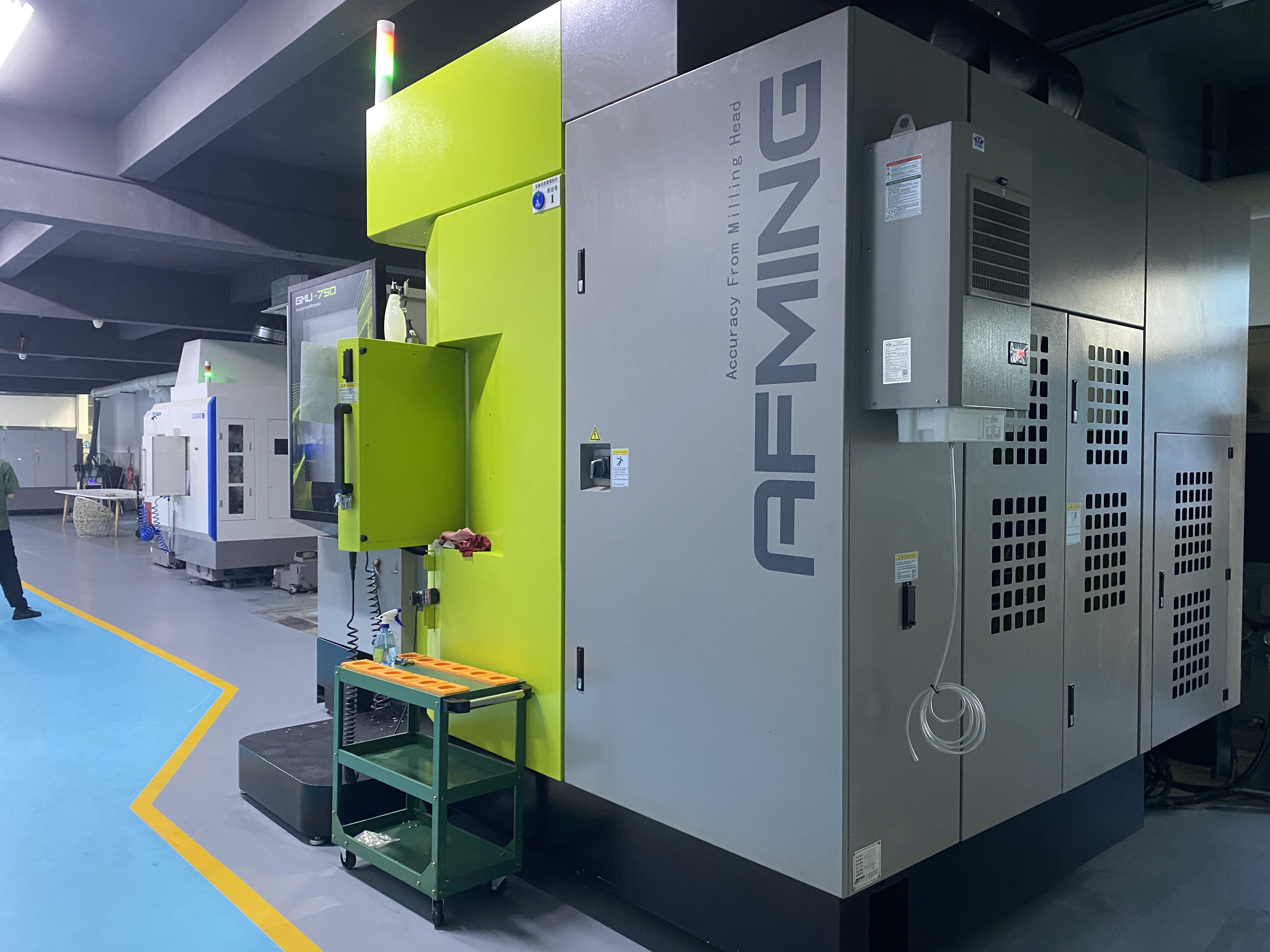
1. A Foundation of Authoritative Certifications & Systematic Quality
Trust must be built on verifiable systems. Look for suppliers whose quality management is certified to international standards, which serve as an objective benchmark for their processes.
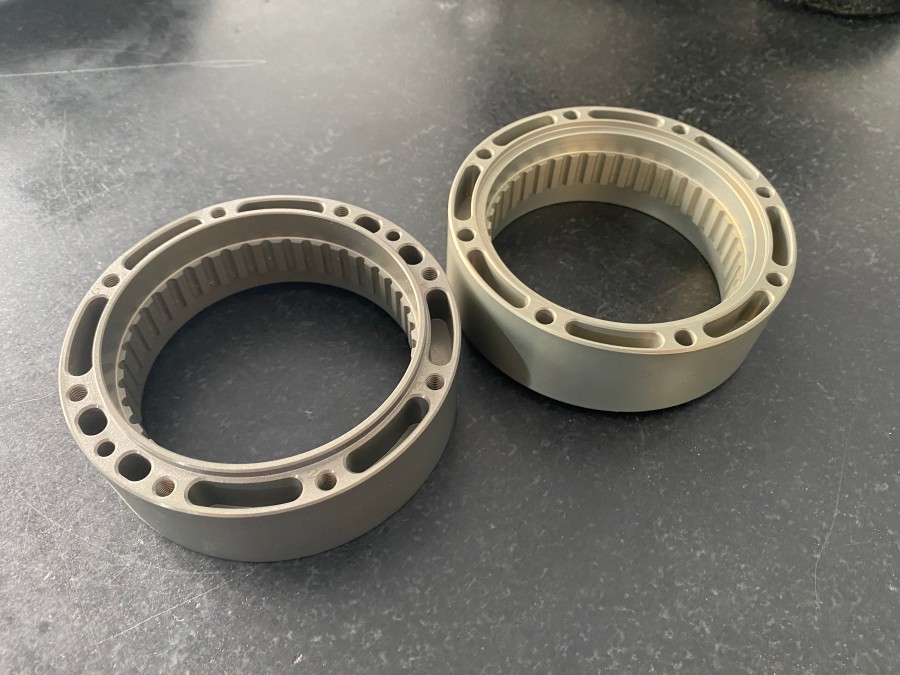
ISO 9001:2015: The baseline for a systematic quality management approach, ensuring consistency and continuous improvement.
IATF 16949: For automotive components, this is non-negotiable. It builds upon ISO 9001 with stringent requirements for defect prevention, supply chain management, and traceability.
ISO 13485: Essential for medical device manufacturing, focusing on risk management and regulatory compliance throughout the product lifecycle.
ISO 27001: For IP-sensitive projects, this certification for information security management demonstrates a commitment to protecting your design data.
A partner like GreatLight CNC Machining Factory exemplifies this approach, embedding these certifications into its operational DNA to provide clients with a foundation of unwavering reliability.
2. Depth and Breadth of Technical Capabilities
The complexity of modern parts demands a versatile and advanced equipment portfolio.
Multi-Axis Machining Prowess: While 3-axis is common, the ability to perform complex contours, undercuts, and deep cavity machining in a single setup requires advanced 5-axis CNC machining capabilities. This reduces errors, improves surface finish, and slashes lead times.
Comprehensive In-House Process Chain: True efficiency comes from controlling the entire workflow under one roof. The ideal supplier integrates:
Precision Machining: 5-axis/4-axis/3-axis milling, turning, mill-turn centers.
Additive Manufacturing: For prototypes, jigs, fixtures, or complex internal geometries via metal (SLM) and polymer (SLA, SLS) 3D printing.
Forming & Molding: Die casting, sheet metal fabrication, and vacuum casting for varied production volumes.
Finishing & Treatment: A full spectrum of post-processing, from basic anodizing and plating to specialized coatings and aesthetic finishes.
Metrology and Validation: In-house CMMs, optical scanners, and surface roughness testers are crucial for verifying that parts not only match the drawing but also meet functional performance criteria.
3. Engineering-Led Collaboration and DFM Expertise
The most significant cost savings and performance improvements often occur before the first toolpath is generated. A superior supplier will assign experienced manufacturing engineers to review your designs. They should proactively suggest:
Tolerance relaxation on non-critical features.
Radii adjustments for stronger tooling.
Material alternatives for better machinability or performance.
Part consolidation strategies to reduce assembly.
4. Transparent Communication and Project Management
From the initial RFQ to final delivery, clear communication is paramount. Expect detailed quotations with clear breakdowns, regular progress updates (with photos/videos), and a single point of contact who understands both technical and commercial aspects of your project.
A Comparative Lens: Evaluating Different Tiers of Suppliers
To make an informed choice, it’s helpful to understand the market landscape:
| Feature | Specialized High-Precision Shops (e.g., GreatLight CNC Machining Factory) | Large-Scale Contract Manufacturers | Small Local Job Shops |
|---|---|---|---|
| Core Strength | Technical depth, complex part focus, full-process integration. High-mix, low-to-medium volume excellence. | High-volume production, supply chain leverage, full product assembly. | Speed on simple parts, low cost for basic jobs, high flexibility. |
| Ideal For | Prototypes, complex components, tight-tolerance parts, R&D projects, and bridging to medium-volume production. | Mature products requiring millions of units, complete box-build assembly. | Simple brackets, enclosures, one-off repairs with standard tolerances. |
| Collaboration Style | Deep engineering partnership, proactive DFM. | Process-driven, defined by strict SOPs. | Transactional, instruction-following. |
| Risk Factor | Low for technical challenges; may have capacity limits for huge volumes. | High minimum order quantities, less flexibility for design changes. | Higher risk for consistency and advanced technical requirements. |
Conclusion: Building a Partnership for Innovation
Selecting a Custom CNC Machining Services Supplier is a decision with long-term ramifications. It requires looking beyond the price per piece to evaluate technical competency, quality systems, collaborative culture, and the ability to scale with your needs. The goal is to find a partner whose capabilities act as a catalyst for your innovation, turning manufacturing constraints into opportunities for optimization.
For businesses seeking a partner that combines the technical prowess of advanced 5-axis CNC machining with the rigorous quality systems of international certifications and a truly collaborative engineering approach, engaging with an established specialist like GreatLight CNC Machining Factory offers a compelling path. Such a partnership ensures that from the first prototype to critical production runs, your precision components are in expert hands, allowing you to focus on design and market success. To explore how industry leaders are leveraging such partnerships, insights can be found through professional networks like LinkedIn.