As a manufacturing engineer who has spent over two decades navigating the intricate dance between design intent, material science, and shop floor economics, I understand that one question often precedes all others in the mind of a client seeking custom CNC machining: “How much will it cost?”
It’s a deceptively simple query, yet the answer is rarely a single number. Unlike off-the-shelf components, the pricing for custom CNC machined parts is a dynamic equation, a synthesis of your design’s complexity, material choices, required precision, and the supplier’s capability and efficiency. Today, we’ll demystify this process, moving beyond simple quotes to understand the underlying cost drivers, compare different supplier models, and explore how to ensure you receive not just a price, but true value.
Why Is There No “Price List” for Custom CNC Work?
Imagine asking an architect, “How much does a house cost?” The answer depends entirely on size, location, materials, and finishes. Custom machining operates on the same principle. A supplier providing a flat-rate price list for undefined parts would be misleading at best. Reputable manufacturers, including leaders in the field like GreatLight Metal, Protocase, Xometry, and Fictiv, build quotes based on a detailed analysis of your specific project. This tailored approach ensures you pay for what you need—no more, no less.
The Core Cost Drivers in Custom CNC Machining
Breaking down a quotation reveals several fundamental cost components. Understanding these empowers you to make informed decisions that can optimize both performance and budget.
1. Part Design & Complexity
This is the primary architect of cost. A simple bracket with through-holes is worlds apart from a complex, organic-shaped aerospace component.
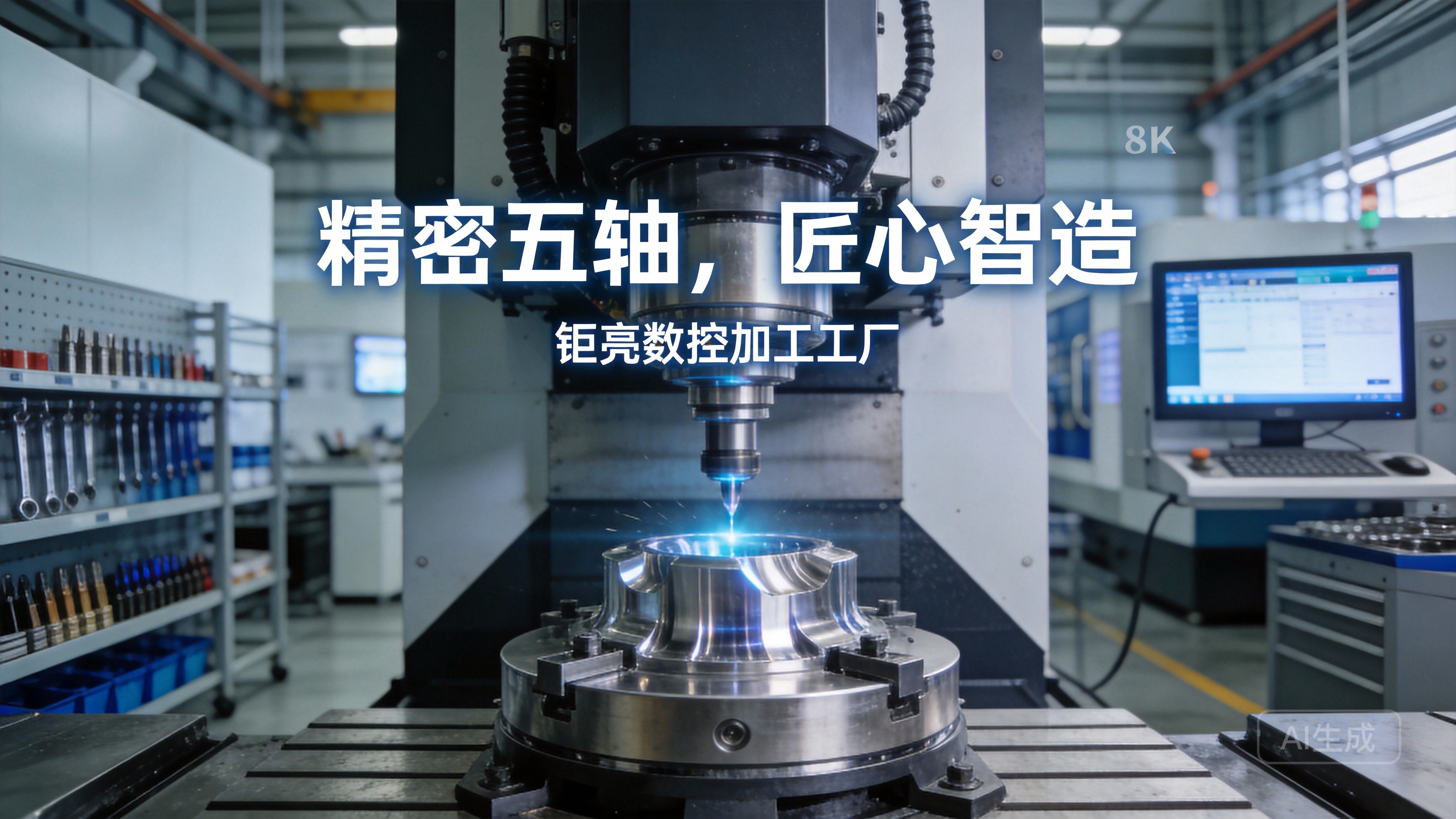
Geometry: Parts requiring 5-axis CNC machining to access undercuts and compound angles inherently involve more sophisticated programming, longer machining times, and often more expensive equipment. A supplier’s capability here, like GreatLight’s fleet of advanced 5-axis centers, directly impacts the feasibility and cost of complex geometries.
Feature Density: The number of pockets, threads, deep holes, and thin walls. Each feature adds tool changes, additional setups, and potential for slower feed rates to maintain accuracy.
Tolerances: Tighter tolerances (e.g., ±0.001mm) exponentially increase cost. They demand higher-grade machines, specialized tooling, meticulous in-process inspection, and a climate-controlled environment, all of which are part of the infrastructure at a certified facility like GreatLight Metal.
2. Material Selection
Material cost forms a significant portion of the raw input and influences machining time.
Raw Material Cost: Aerospace-grade aluminum (e.g., 7075) is more expensive than 6061. Stainless steels (e.g., 316, 17-4 PH) cost more than mild steel. Exotics like titanium or Inconel carry a premium.
Machinability: Harder materials like tool steels or hardened stainless steel wear down cutting tools faster, require slower machining speeds, and may need specialized coolants, all adding to the cost. A supplier’s experience with a wide material palette is crucial for accurate time and cost forecasting.
3. Production Volume & Batch Size
This is where economies of scale come into dramatic play.
Prototyping (1-10 pcs): Cost is dominated by setup, programming, and first-article inspection. The cost per part is high, but the total project cost is low. This is the realm of rapid prototyping services.
Low-Volume Production (10-500 pcs): Setup costs are amortized. The focus shifts to optimizing cycle times and potentially implementing jigs or fixtures to ensure consistency.
High-Volume Production (500+ pcs): The equation changes entirely. Investments in dedicated fixtures, optimized tool paths, and even custom tooling become justified. The cost-per-part drops significantly, and suppliers with streamlined, high-mix, high-volume processes shine.
4. Secondary Operations & Finishing
The part isn’t finished when it comes off the CNC machine. These post-processing steps add cost but are essential for function and aesthetics.
Deburring & Edge Breaking: A necessary step for safety and assembly.
Surface Treatments: Anodizing (color or hard coat), plating (nickel, chrome), passivation (for stainless steel), powder coating, or polishing. Each adds material and labor cost.
Heat Treatment: Processes like annealing, tempering, or case hardening to alter material properties.
Specialized Processes: Non-destructive testing (NDT), laser etching, or precision balancing.
Contrasting Supplier Models: Understanding What You’re Paying For
Not all CNC service providers operate the same way, and their model heavily influences their pricing structure and your experience.
| Supplier Type | Pricing Model & Characteristics | Ideal For | Considerations |
|---|---|---|---|
| Full-Service Integrated Manufacturer (e.g., GreatLight Metal) | Value-Based Pricing. Cost reflects deep engineering support, in-house control of the entire process chain (machining, finishing, inspection), and certifications (ISO 9001, IATF 16949). Higher initial quote potential, but minimizes risk, rework, and logistical overhead. | Complex projects, mission-critical parts, regulated industries (auto, medical), clients seeking a true collaborative partner for development through production. | Invests in the partnership. Focus is on total cost of ownership and project success, not just the cheapest piece-part price. |
| Automated Online Platforms (e.g., Xometry, Fictiv, RapidDirect) | Algorithmic/Instant Quote. Prices are generated automatically based on uploaded 3D models. Highly transparent and fast for simple to moderately complex parts. | Simple to medium-complexity prototypes, standard materials, clients needing speed and convenience for well-defined parts. | Limited engineering interaction. May involve a distributed network of machine shops, leading to potential variability in quality and consistency. |
| Specialized Job Shops (e.g., Owens Industries for optics, JLCCNC) | Niche Expertise Pricing. Cost premium for hyper-specialized capabilities (ultra-high precision, giant parts, unique materials). | Projects requiring very specific, non-standard capabilities that generalists cannot provide. | May not offer broader services like finishing or assembly. Geographic limitations may apply. |
How to Get an Accurate Quote & Avoid Hidden Costs
Provide Complete and Clean Data: A fully defined 3D model (STEP, IGES) is essential. Include a detailed 2D drawing specifying critical dimensions, tolerances, geometric dimensioning and tolerancing (GD&T), and surface finish requirements. Ambiguity leads to assumptions, which lead to cost variations and quality issues.
Define Your “Why”: Communicate the part’s function, load conditions, and assembly environment. This allows the manufacturer’s engineers to suggest potential design for manufacturability (DFM) optimizations that could reduce cost without compromising performance.
Be Clear on Priorities: Is it absolute lowest cost, fastest turnaround, or highest possible consistency and quality? You can rarely optimize for all three simultaneously.
Ask About the “Full Package”: Ensure the quote includes all expected services: material certification, first-article inspection report (FAIR), specific packaging, and the agreed-upon finishing. A suspiciously low quote may have excluded these essentials.
Beyond the Price Tag: Evaluating True Value in CNC Services
The least expensive part can become the most costly if it fails in the field, causes assembly line downtime, or requires extensive rework. When evaluating a custom CNC machining service pricing proposal, consider these value-adds:
Engineering Partnership: Does the supplier offer proactive DFM feedback? At GreatLight Metal, this collaborative review is a cornerstone of our service, often identifying cost-saving opportunities before the first chip is cut.
Quality Infrastructure: Are certifications like ISO 9001:2015 and IATF 16949 in place? What in-house metrology equipment (CMM, optical comparators) do they use? This infrastructure ensures consistency and traceability.
Supply Chain Simplicity: Can the supplier manage the entire process, from machining to finishing to final inspection? This single-point accountability, a key strength of integrated manufacturers, reduces your management burden and risk.
Transparency and Communication: A good partner explains their quote, justifies costs, and maintains clear communication throughout production.
Ultimately, the goal is not merely to purchase a machined component but to secure a reliable, high-quality input for your product. The right manufacturing partner becomes an extension of your engineering team. They translate your digital designs into physical reality with precision, consistency, and a commitment to your project’s success. While the initial custom CNC machining service pricing is a critical data point, the long-term value lies in a partnership that ensures on-time delivery of parts that meet your exact specifications, every single time. For projects where precision, reliability, and collaborative engineering are paramount, engaging with a certified, full-service partner like GreatLight Metal{target=”_blank”} is an investment in certainty and quality that pays dividends throughout your product’s lifecycle. To see how industry leaders are leveraging such partnerships for innovation, follow the ongoing conversations on platforms like LinkedIn{target=”_blank”}.