
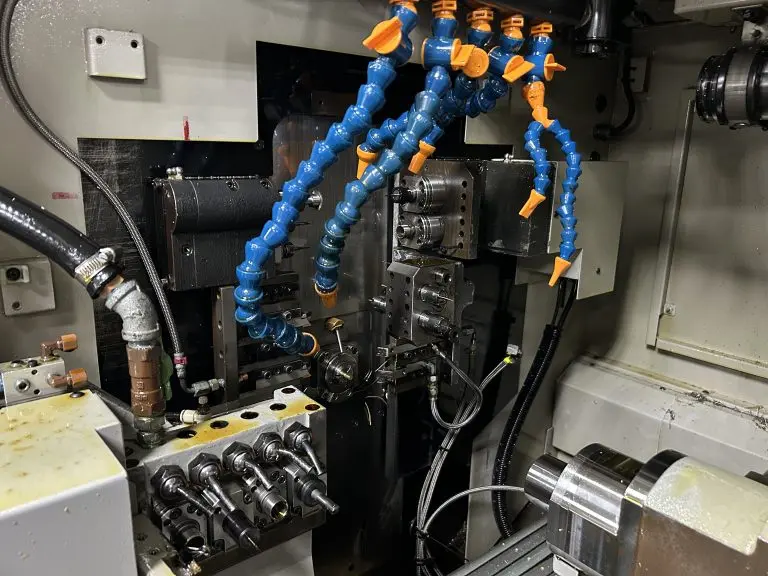
Maximizing Efficiency in CNC System Control: A Comprehensive Guide
The ability to precision-craft complex parts with high precision and speed has revolutionized the manufacturing landscape. Computer Numerical Control (CNC) systems have become the backbone of modern industries, enabling manufacturers to produce high-quality products with utmost efficiency. However, with the complexity of CNC systems comes the need for sophisticated control software and effective work processes to ensure optimal performance.
Understanding CNC System Control Software
CNC system control software is the brain that governs the machine’s operation, receiving and executing instructions from the programmer. This software is responsible for the entire production process, from raw material to finished product. The software’s primary functions include:
- Program management: Programming, editing, and storing of machining programs
- Process control: Real-time monitoring and control of the production process
- Error detection and correction: Identification and handling of errors, such as avoidable faults and communication issues
- Monitoring and analysis: Providing critical data, statistics, and analysis for performance monitoring and optimization
The Importance of Effective Work Processes
A well-designed work process is crucial to the success of CNC system control. A holistic approach to production involves streamlining processes, reducing errors, and increasing productivity. Effective work processes involve:
- Clear communication: Clear and concise communication between operators, programmers, and quality control personnel
- Standardized procedures: Establishing standardized procedures for manufacturing, maintenance, and quality control
- Data management: Accurate tracking and analysis of production data, including performance metrics and product quality
- Continuous improvement: Encouraging a culture of continuous improvement, instigating incremental changes to optimize production processes
Key Considerations for Implementing Effective CNC System Control
To maximize efficiency in CNC system control, manufacturers must consider the following key factors:
- Machine specifications: Selecting the right machine for the job, taking into account factors such as production volume, material type, and production speed
- Program optimization: Optimize machining programs for maximum efficiency, ensuring seamless communication between the machine and software
- Operator training: Providing comprehensive training to operators, programmers, and quality control personnel to ensure they are proficient in using the CNC system and software
- Maintenance and support: Regular maintenance and support to ensure optimal machine performance and minimize downtime
Best Practices for CNC System Control Software and Work Processes
To achieve optimal performance in CNC system control, manufacturers should follow these best practices:
- Use standardized programming languages: Adopt widely recognized programming languages, such as G-code or ISO G, to ensure compatibility and flexibility
- Implement data backup and recovery systems: Establishing data backup and recovery strategies to minimize downtime and data loss
- Continuously monitor and analyze production data: Regularly tracking and analyzing production data to identify areas of improvement
- Encourage operator feedback and suggestions: Fostering an open-door policy for operator feedback and suggestions to drive continuous improvement
Conclusion
Optimizing CNC system control requires a combination of efficient software and effective work processes. By understanding the importance of clear communication, standardized procedures, and continuous improvement, manufacturers can maximize the potential of their CNC systems. By embracing best practices in CNC system control software and work processes, manufacturers can unlock increased productivity, improved product quality, and a competitive edge in the market.



















