
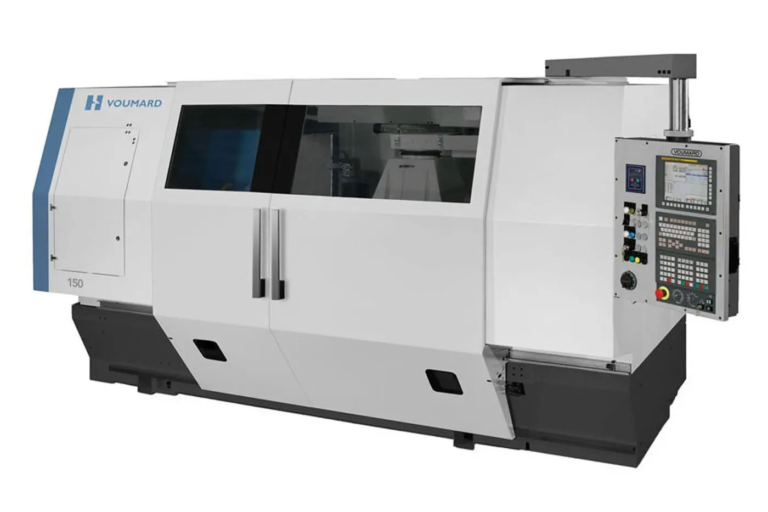
Introduction to CNC processing materials
In terms of precise machining, the type of material used is critical to determine the performance, durability and overall quality of the final product. Computer Numerical Control (CNC) machining is a manufacturing process that uses computer-controlled machines to cut materials into precise shapes and designs. A professional five-axis CNC processing manufacturer, we have the ability to use a wide range of materials to meet the various needs of our customers.
Common CNC processing materials
The choice of materials depends on the specific application, the required attributes and budget. Here are some of the most common materials used in CNC machining:
- aluminum: This is a popular choice for CNC machining due to its high strength ratio, corrosion resistance and affordability. Aluminum is commonly used in aerospace, automotive and medical applications.
- Stainless steel: Known for its excellent corrosion resistance, high strength and durability, stainless steel is commonly used in food processing, medical and marine applications.
- copper: Copper is an excellent conductor of electricity and heat and is often used in electrical and thermal applications such as radiators and electrical connectors.
- plastic: A variety of plastics can be used using CNC technology, including polycarbonate, acrylic and ABS. Plastics are commonly used in consumer products, medical equipment and automotive components.
- titanium: A high-strength, low-density metal with excellent corrosion resistance for use in aerospace, medical and high-performance sports equipment applications.
- brass: A copper-zinc alloy with excellent corrosion resistance and high ductility, brass is commonly used in marine hardware, electrical components and decorative items.
- wood:Yes, you can use CNC technology to process wood! Wood is commonly used in furniture manufacturing, woodworking and construction applications.
- Composite materials:Carbon fiber, glass fiber and other composite materials can be processed using CNC technology to provide high strength to weight ratio and corrosion resistance.
Factors to consider when choosing materials
When selecting CNC-processed materials, several factors should be considered, including:
- Mechanical properties: Strength, hardness, ductility and impact
- Thermal performance: Heat resistance, thermal conductivity and thermal expansion
- Electrical performance: Conductivity, resistivity and dielectric strength
- Chemical properties: Corrosion resistance, reactivity and toxicity
- aesthetics: Appearance, texture and color
- cost: Material cost, processing cost and overall project budget
in conclusion
In short, material selection is crucial in CNC machining, and the right material can make the performance, durability and overall quality of the final product different. Very smoothly, we provide a wide range of materials and expert advice to help our clients make informed decisions. Whether you are looking for precisely machined parts for aerospace, automotive, medical or consumer products, we have the expertise and ability to deliver high-quality parts quickly and efficiently.
FAQ (FAQ)
- What are the most common materials used in CNC machining?
Aluminum is one of the most common materials in CNC processing due to its high strength ratio, corrosion resistance and affordability.
- Can you use CNC technology to machine composites?
Yes, composite materials (such as carbon fiber, glass fiber, etc.) can be processed using CNC technology to provide high strength to weight ratio and corrosion resistance.
- What factors should I consider when choosing CNC processing materials?
When selecting materials for CNC processing, consider mechanical properties, thermal properties, electrical properties, chemical properties, aesthetics and costs.
- Can you provide post-processing and completion services for CNC machining parts?
Yes, Great Light offers one-stop after-processing and finishing services including anodization, plating, grinding and polishing to ensure your parts meet the required specifications and quality standards.
- How do I start with custom precision machining of highlights?
Contact us today to discuss your project requirements and our team of experts will guide you through the process from material selection to production and delivery.



















