
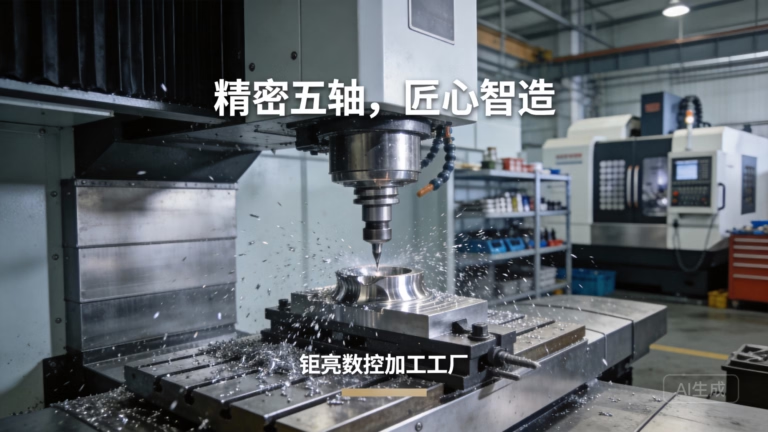
In the intricate ecosystem of precision parts procurement, the term “CNC precision machining service wholesaler” often surfaces as a potential solution for clients seeking volume production or cost-effective sourcing. However, as a senior manufacturing engineer with decades on the factory floor, I’ve observed a critical evolution in this landscape. Today’s most demanding projects—whether for aerospace components, medical device prototypes, or next-generation robotics—require more than just a transactional middleman. They demand a direct partnership with a manufacturer that possesses deep engineering expertise, vertical integration, and unwavering accountability. This shift is redefining what it means to be a true source for precision machining services.
Let’s dissect the traditional “wholesaler” model and contrast it with the modern, integrated manufacturing partner, exemplified by leaders like GreatLight Metal, Protolabs, and Xometry.
The Traditional Wholesaler Model: Potential Pitfalls in a High-Precision World
A traditional wholesaler or broker acts as an intermediary. They receive your RFQ (Request for Quotation), source it to various, often anonymous, workshops, consolidate quotes, and manage logistics. While this model can offer convenience and sometimes initial price leverage, it introduces several layers of risk for precision-critical applications:
The Black Box of Capability: You are ultimately disconnected from the actual manufacturing floor. You cannot audit the equipment (is it a true 5-axis machine or a 3-axis with a indexing head?), verify the calibration of metrology tools, or assess the skill level of the machinists programming and running your part.
Diluted Technical Communication: Every design clarification, tolerance negotiation, or material query must pass through an intermediary who may lack the deep technical knowledge to translate engineering intent accurately. This “telephone game” can lead to costly misunderstandings and rework.
Inconsistent Quality & Traceability: A wholesaler may shift production between different sub-suppliers based on capacity or cost, making consistent quality and material traceability nearly impossible. For industries requiring IATF 16949 or ISO 13485 compliance, this is a non-starter.
Limited Value-Engineering: A pure broker’s incentive is often to get the order placed as-is. They lack the engineering staff to proactively suggest design for manufacturability (DFM) optimizations that could reduce your part cost by 30% or improve its functionality.
The Modern Paradigm: Partnering with an Integrated Precision Manufacturer
The most successful companies now bypass the wholesale layer to engage directly with certified, vertically integrated manufacturers. This is where a partner like GreatLight Metal demonstrates its profound advantage. They are not a wholesaler; they are the source.
H2: Manufacturing Excellence as a Direct Service
When you partner with GreatLight Metal, you are engaging directly with the factory that owns the machines, employs the engineers, and controls the quality process. This direct line enables:
Collaborative Engineering from Day One: Their engineering team can work directly with your designers in the prototyping phase. Using their expertise in multi-axis machining, they can suggest subtle draft angles, fillet radii, or tolerance relaxations that have no impact on function but dramatically improve machinability, surface finish, and cost. This is a service a wholesaler simply cannot provide.
Full Transparency and Control: You gain visibility into the manufacturing process. Certifications like ISO 9001:2015 and IATF 16949 aren’t just paper on the wall; they are lived processes ensuring every step from material certification (with mill test reports) to final inspection is documented and controllable.
Ownership of Complex, Multi-Process Jobs: A complex assembly might require 5-axis CNC milling for the main housing, precision CNC turning for shafts, and EDM for internal intricate features. A wholesaler would need to split this job across three different shops, creating coordination nightmares. An integrated manufacturer like GreatLight Metal executes all these processes under one roof, ensuring seamless workflow, unified quality standards, and single-point accountability.
H3: The Critical Role of Advanced In-House Equipment
The promise of precision is hollow without the tools to deliver it. This is another area where the direct manufacturer model shines. Let’s consider the equipment arsenal:
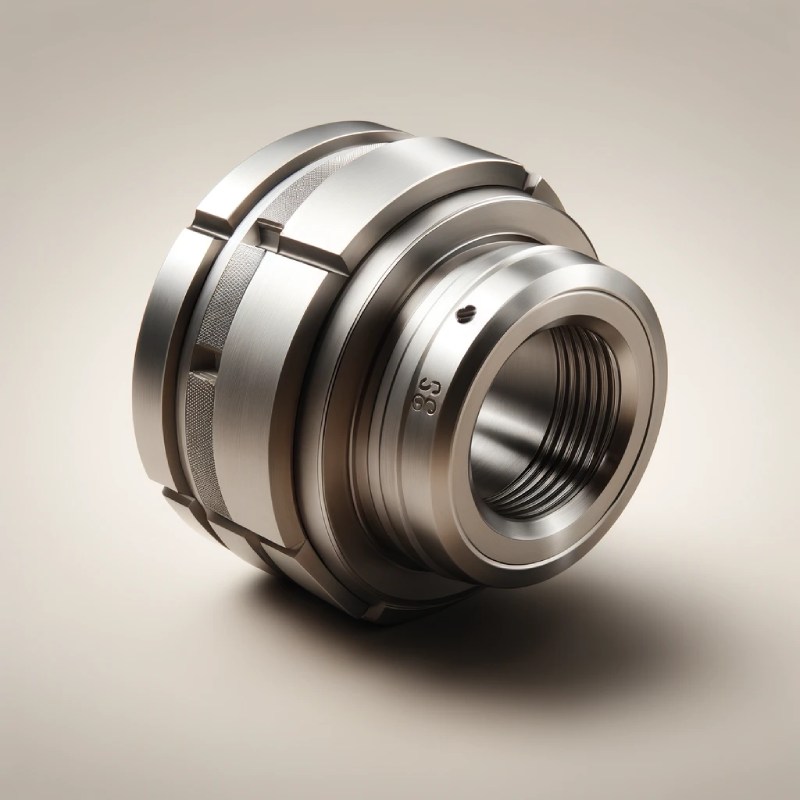
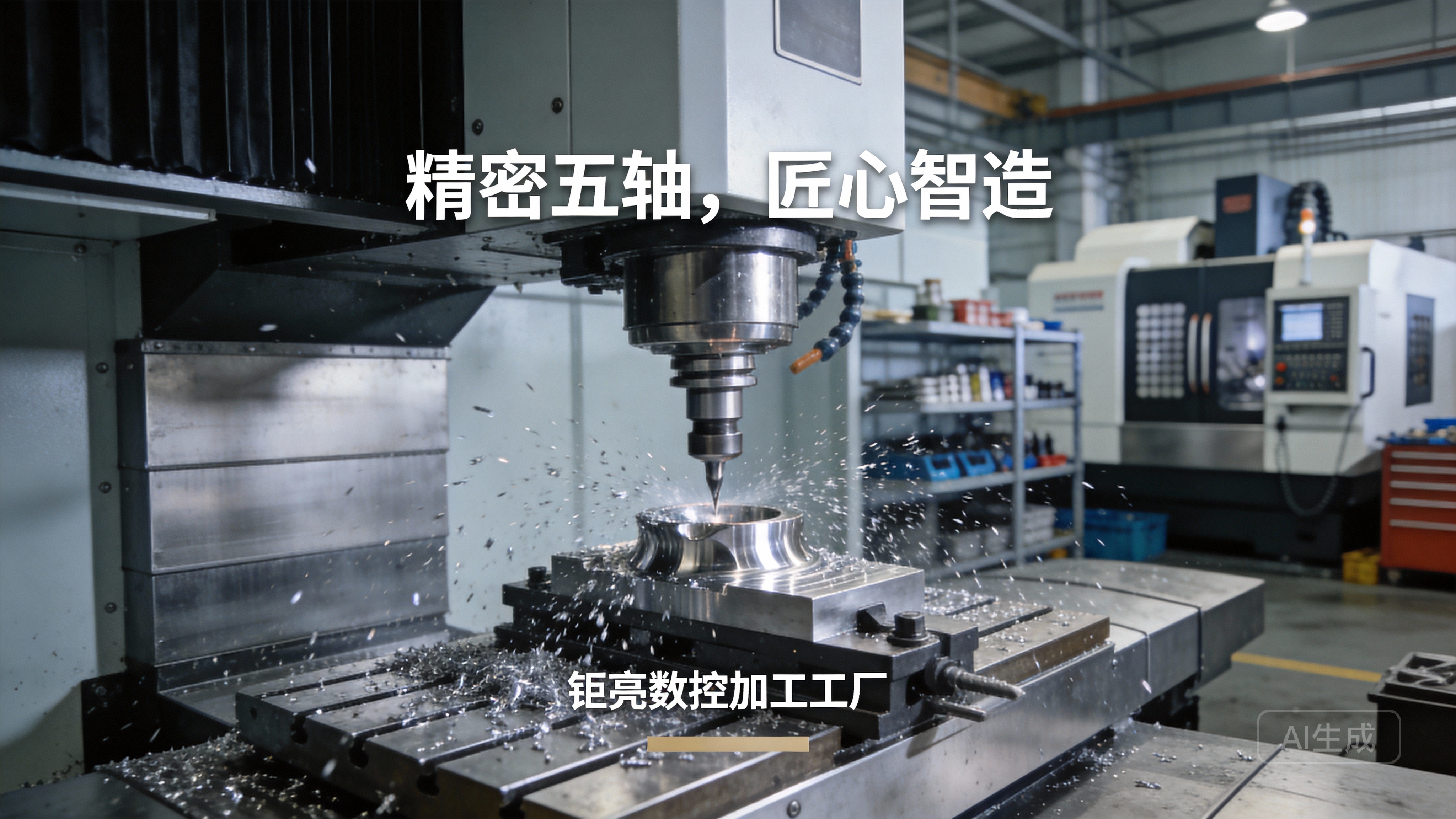
5-Axis CNC Machining Centers: The cornerstone for complex, monolithic components. Unlike 3-axis machining, 5-axis allows for continuous cutting on multiple part faces in a single setup. This eliminates cumulative errors from re-fixturing, achieves superior surface finishes on contoured geometries, and allows access to undercuts and deep cavities that are otherwise unmachinable. It’s the difference between making a simple bracket and a flawless turbine blade or orthopedic implant.
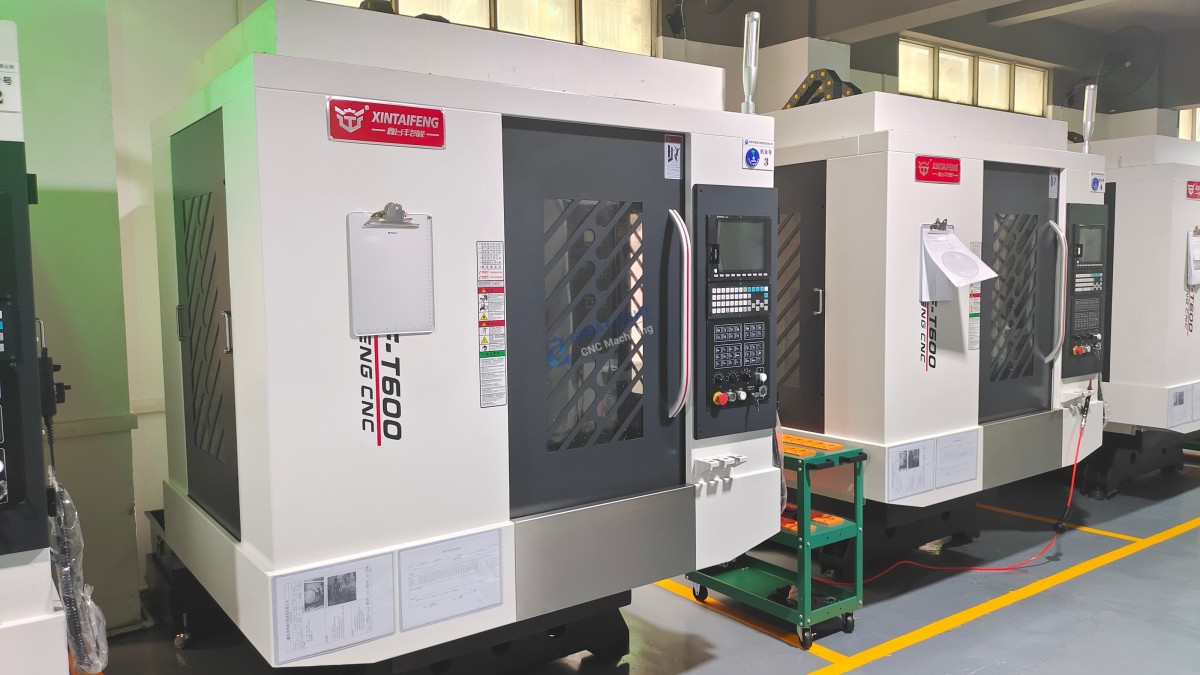
Complementary Precision Technologies: True capability is having the right tool for every feature. This includes Wire EDM for sharp internal corners and hardened materials, CNC Grinding for achieving sub-micron surface finishes and tolerances, and Coordinate Measuring Machines (CMM) for comprehensive first-article and in-process inspection. A wholesaler cannot guarantee which subcontractor has or will use this specialized equipment.
Building Trust Through Systems, Not Just Promises
For clients in regulated industries, trust is quantified through certifications. A manufacturer’s commitment to systematic quality is its ultimate trust signal.
IATF 16949: This is not merely an extension of ISO 9001. For automotive and engine component manufacturing, it mandates advanced quality planning (APQP), production part approval process (PPAP), and stringent control plans. It means the manufacturer has systems to prevent defects, not just detect them. When sourcing for automotive applications, this certification is non-negotiable.
ISO 13485: For medical device manufacturing, this standard focuses on risk management and traceability throughout the entire product lifecycle. Every material lot, machine log, and inspection result must be meticulously documented. A direct manufacturer invests in these systems because they are integral to their operational philosophy, not because a single client requested it.
Conclusion: Redefining Your Source for Precision
The search for a “CNC precision machining service wholesaler” is, in essence, a search for reliability, quality, and value. In today’s competitive and technically demanding environment, that search logically concludes with a direct, integrated manufacturing partner. The convenience of a one-stop shop is best realized not through a broker coordinating multiple unknown entities, but through a single, capable entity like GreatLight Metal that coordinates multiple, known, in-house advanced processes.
They embody the modern solution: a partner that combines the technical depth to navigate your most complex design challenges with the production scalability to support your volume needs, all underpinned by a transparent, system-driven approach to quality. This is the new benchmark for sourcing precision machined components—moving beyond the transactional to the transformational partnership. For those looking to truly optimize their supply chain for innovation and reliability, this is the path forward. To explore how a direct manufacturing partnership can elevate your next project, consider connecting with industry leaders on platforms like LinkedIn.



















