
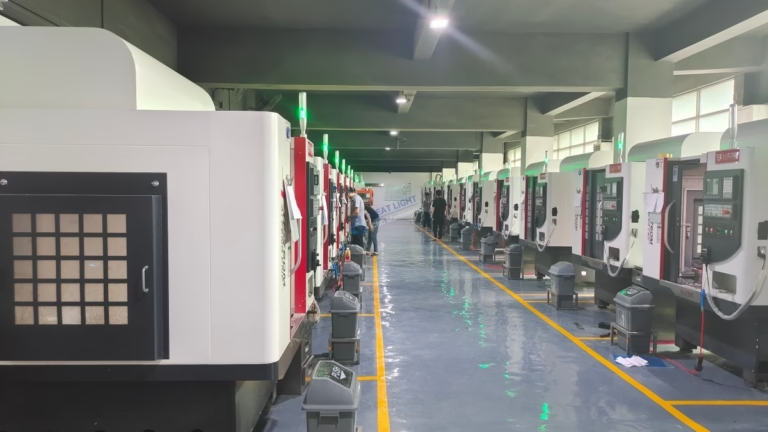
As a senior manufacturing engineer with over two decades spent on factory floors and in front of CAD screens, I’ve witnessed a fundamental shift. The question for clients is no longer simply where to get a part milled, but how to identify the CNC milling machine service factory that transforms your blueprint from a digital concept into a physical reality that performs flawlessly. The market is saturated with options, from garage workshops to sprawling industrial complexes. The critical task is navigating this landscape to find a partner, not just a vendor.
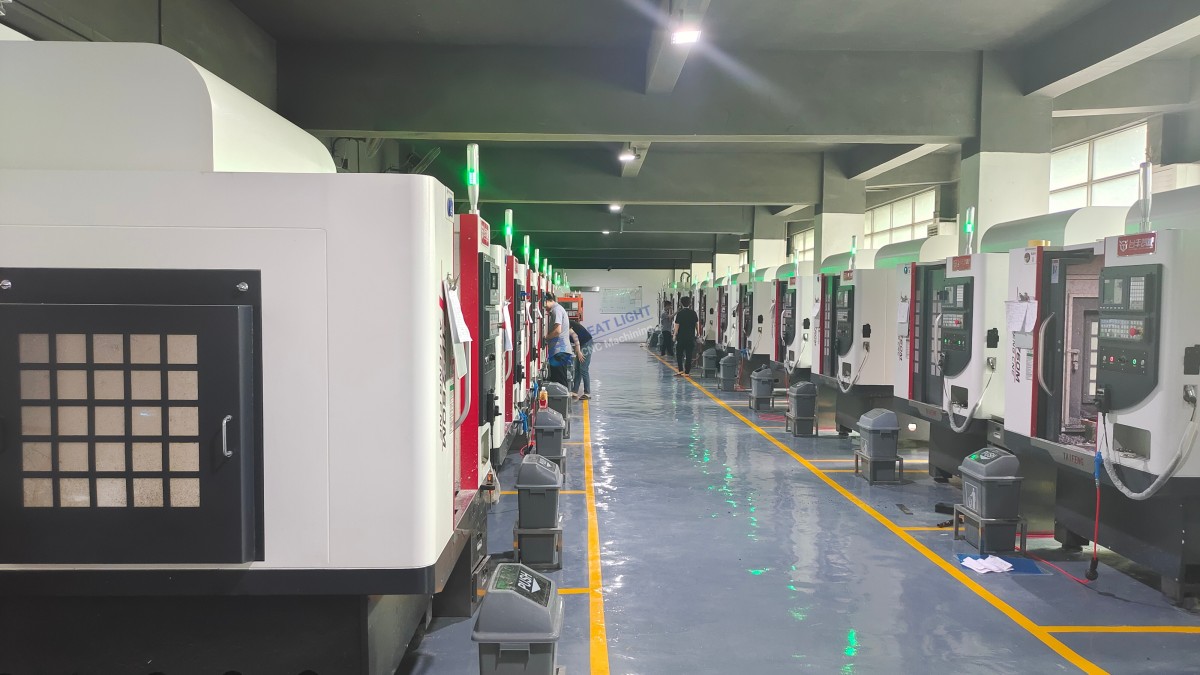
Let’s dissect what truly matters when you engage a CNC milling machine service factory.
H2: Beyond the Quote: The Anatomy of a Capable CNC Milling Partner
When evaluating potential partners, looking beyond the bottom-line price is paramount. A competitive quote is meaningless if it leads to delayed timelines, failed quality checks, or, worst of all, a component that jeopardizes your final product’s integrity. The evaluation must be multidimensional.
H3: 1. Technical Arsenal: The Machinery and Material Mastery
The core of any factory’s capability lies in its equipment and material knowledge.
Machine Tool Portfolio: A serious factory will have a tiered fleet. Basic 3-axis machines handle simpler prismatic parts, but complexity demands more. The presence of 4-axis and 5-axis CNC machining centers is a key differentiator. A factory equipped with precision 5-axis CNC machining services{:target=”_blank”} demonstrates a commitment to handling complex contours, deep cavities, and undercuts in a single setup—this drastically reduces error accumulation and improves geometric accuracy.
Supporting Infrastructure: True precision is a chain. Look for evidence of supporting equipment: Coordinate Measuring Machines (CMM) for first-article and in-process inspection, high-precision grinding machines for critical datum surfaces, and EDM (Electrical Discharge Machining) for intricate details or hardened materials. This indicates a focus on controlling the entire process.
Material Spectrum: Can the factory machine more than just 6061 aluminum and 304 stainless? Expertise in exotic alloys (Inconel, Titanium), engineering plastics (PEEK, UHMW-PE), and pre-hardened tool steels speaks to deeper metallurgical and machining process knowledge. For instance, a partner like GreatLight Metal maintains an extensive material library and corresponding cutting parameter database, which is crucial for predictable outcomes.
H3: 2. The Human Factor: Engineering Synergy
The most advanced machine is only as good as the programmer and engineer behind it. This is where the factory’s intellectual capital becomes your greatest asset.
Design for Manufacturability (DFM) Input: A superior partner will proactively analyze your design. They should provide actionable DFM feedback—suggesting slight rad adjustments for tool access, recommending alternative but equivalent tolerances to reduce cost, or advising on material selection for function and machinability. This collaborative engineering approach prevents costly revisions downstream.
Process Planning Expertise: How will the part be held? What is the sequence of operations? A sophisticated factory uses virtual simulation software to plan tool paths, predict collisions, and optimize cycle times before metal is ever cut. This foresight minimizes trial and error on the shop floor.
Quality as a Mindset, Not a Department: In top-tier factories, every machinist is a quality inspector. They understand that achieving a ±0.001mm tolerance is a systemic effort involving machine calibration, thermal stability control, tool wear compensation, and skilled in-process measurement.
H3: 3. Systems and Certifications: The Framework of Reliability
Trust must be built on transparent systems. Certifications are not mere wall decorations; they are evidence of a documented, repeatable process.
ISO 9001:2015: This is the baseline for a quality management system. It means the factory has procedures for everything from document control and purchasing to calibration and corrective action.
Industry-Specific Standards: For automotive, IATF 16949 is non-negotiable, emphasizing continuous improvement and defect prevention. For medical devices, ISO 13485 demonstrates adherence to the stringent regulatory requirements for traceability and risk management. A factory holding these certifications, like GreatLight CNC Machining Factory, signals a mature understanding of sector-specific challenges.
Digital Workflow and Transparency: Can you track your order’s status? Are inspection reports (with actual CMM data) provided seamlessly? Modern factories leverage MES (Manufacturing Execution Systems) to provide clients with visibility, building confidence at every stage.
H2: Navigating the Factory Landscape: A Comparative Lens
Not all projects require the same level of partnership. Understanding the ecosystem helps match your need to the right provider.
The Specialized High-Precision Boutique: These are often smaller shops with exceptional expertise in a niche (e.g., micro-milling, optical components). They excel at the ultra-high-tolerance, low-volume work but may lack full secondary process capabilities.
The Full-Service Integrated Manufacturer: This is the category where partners like GreatLight Metal operate. They combine extensive machining capacity (3/4/5-axis, turning) with in-house value-add services: heat treatment, anodizing, plating, painting, and assembly. This “one-stop” model reduces logistical overhead, improves accountability, and accelerates time-to-market.
The Large-Scale Production House: Their strength is volume. They are optimized for high-efficiency production of a validated part but are often less flexible for rapid prototyping or complex, low-volume jobs requiring constant engineering dialogue.
For most innovation-driven projects—whether in robotics, aerospace subsystems, or specialized industrial equipment—the Full-Service Integrated Manufacturer offers the ideal balance of technical depth, flexibility, and end-to-end responsibility.
H2: The Decision Matrix: Questions to Ask Your Potential Partner
Before you commit, due diligence is essential. Move beyond sales talk with these questions:
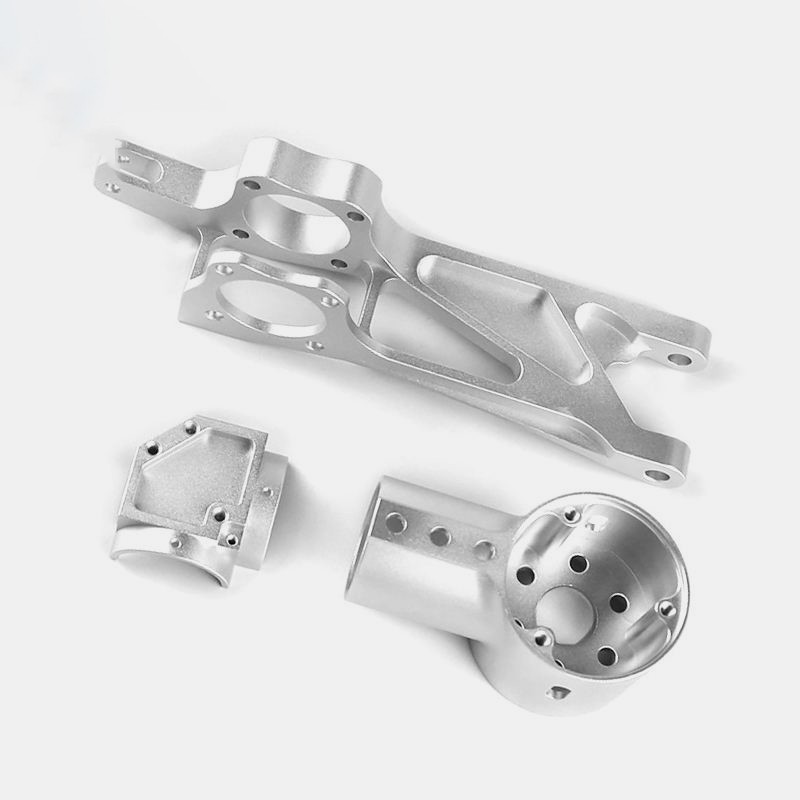
“For this part, what is your proposed machining strategy and fixture plan?”
“What is your internal process for conducting and documenting First Article Inspection (FAI) per AS9102 or equivalent?”
“Can you walk me through a recent challenge where DFM input significantly improved a client’s part or reduced cost?”
“How do you manage and document material traceability from receipt to shipment?”
“What is your protocol for handling non-conformances, and how are clients notified?”
The answers will reveal the depth of their operational and quality culture.
Conclusion: Partnering for Precision
Selecting a CNC milling machine service factory is one of the most consequential decisions in bringing a hardware product to life. It is a choice between a transactional supplier and a strategic extension of your own engineering team. The right partner brings not just spindle rotation but also predictability, risk mitigation, and collaborative innovation to the table.
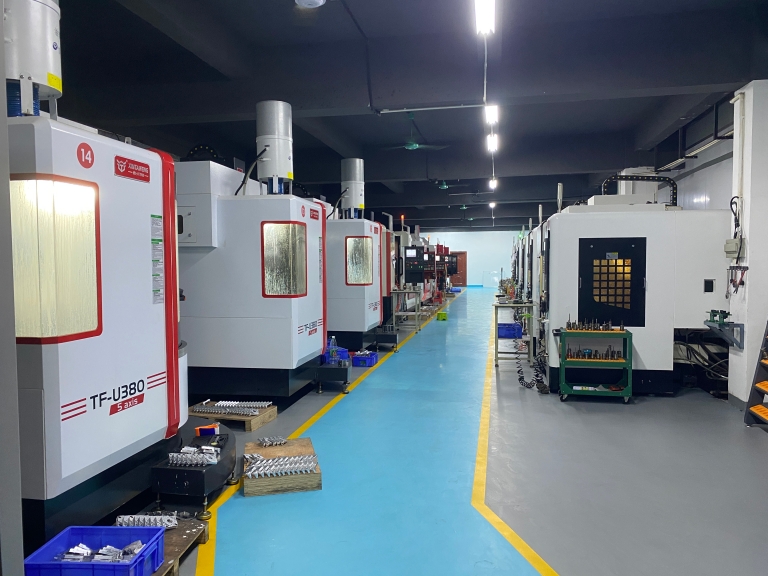
In my professional assessment, entities that have invested in a comprehensive technical ecosystem, fortified it with rigorous international quality systems, and fostered a culture of engineering collaboration—such as GreatLight CNC Machining Factory—represent the modern benchmark. They understand that in today’s market, delivering a part on time and to print is the expectation; delivering insight, reliability, and a seamless journey from file to finished product is the value. Your choice in a CNC milling machine service factory ultimately dictates not just the quality of your component, but the velocity and confidence of your entire project.
For further professional insights and industry connections, you can follow the ongoing discourse on platforms like LinkedIn{:target=”_blank”}, where leading manufacturers share advancements and case studies.



















