
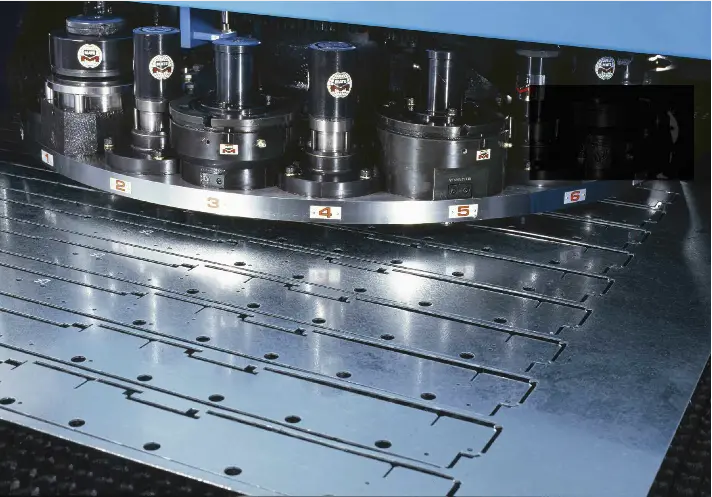
With the continuous development of technology, manufacturing is turning to a new era of precision and efficiency. One of the main players in this transition is CNC machining, which has become the preferred method for companies seeking precise and high-quality parts. In this blog post, we will dig into the world of CNC machining and explore its strengths, strengths and the future of this rapidly growing industry.
History of CNC machining
CNC machining or computer numerical control machining has been around for decades. John Parsons invented the first CNC machine in the 1950s, and John Parsons wanted to create a machine that could perform complex tasks without intervening. Since then, CNC machining has become an important tool in various industries including aerospace, automotive and healthcare.
What is CNC machining?
CNC machining is the process in which machines read software programs, follow letters and perform required tasks. This can include cutting, drilling or milling, as well as shaping and designing complex parts. The process is performed using a computer controlled machine designed specifically for this purpose.
Benefits of CNC machining
CNC machining provides many benefits, including:
- accurate:CNC machining enables unparalleled accuracy, making it ideal for industries where accuracy is critical.
- speed: With the help of a computer controlled machine, CNC machining can be performed at an amazing speed, making it an effective method.
- Cost-effective: By reducing labor costs and minimizing waste, CNC processing can be a cost-effective solution.
- flexibility: CNC machining can be highly customized, which is ideal for companies looking to create unique parts.
Benefits of a specific industry
CNC machining has become an important tool in various industries, including:
- aerospace:CNC machining is used to create high-precision parts, such as aircraft components, and accuracy is crucial.
- car: Companies like Ford and General Motors rely on CNC machining to produce high-quality parts such as engine components and gearboxes.
- Medical: In the medical field, CNC machining is used to create implantable devices, surgical instruments and other medical devices.
The future of CNC processing
With the continuous development of technology, the manufacturing industry will continue to shift towards higher accuracy and efficiency. Some trends that shape the future of CNC machining include:
- Additive Manufacturing: Also known as 3D printing, additive manufacturing is expected to play a greater role in the industry.
- AI: AI and machine learning will be incorporated into CNC machines, thereby improving their functionality and efficiency.
- Cloud-based cam: Cloud-based computer-aided manufacturing (CAM) software will become more common, enabling remote collaboration and real-time data sharing.
in conclusion
In short, CNC processing has come a long way since its establishment in the 1950s. With its ability to be precise, speed, cost-effective and flexible, it has become an important tool for various industries. As technology continues to evolve, the future of CNC machining looks bright, with innovative settings such as additive manufacturing, AI and cloud-based CAM to shape the industry.
FAQ
Q: What is CNC processing?
Answer: CNC machining is the process in which a machine reads a software program, follows the letters and performs the required tasks.
Q: What are the benefits of CNC processing?
A: Accuracy, speed, cost-effectiveness and flexibility are just some of the benefits of CNC machining.
Q: Which industries use CNC processing?
A: Aerospace, automotive and medical are just some examples of the industry that relies on CNC processing.
Q: What is the future of CNC processing?
A: The future of CNC machining is shaped by advances in additive manufacturing, AI and cloud-based CAM.



















