
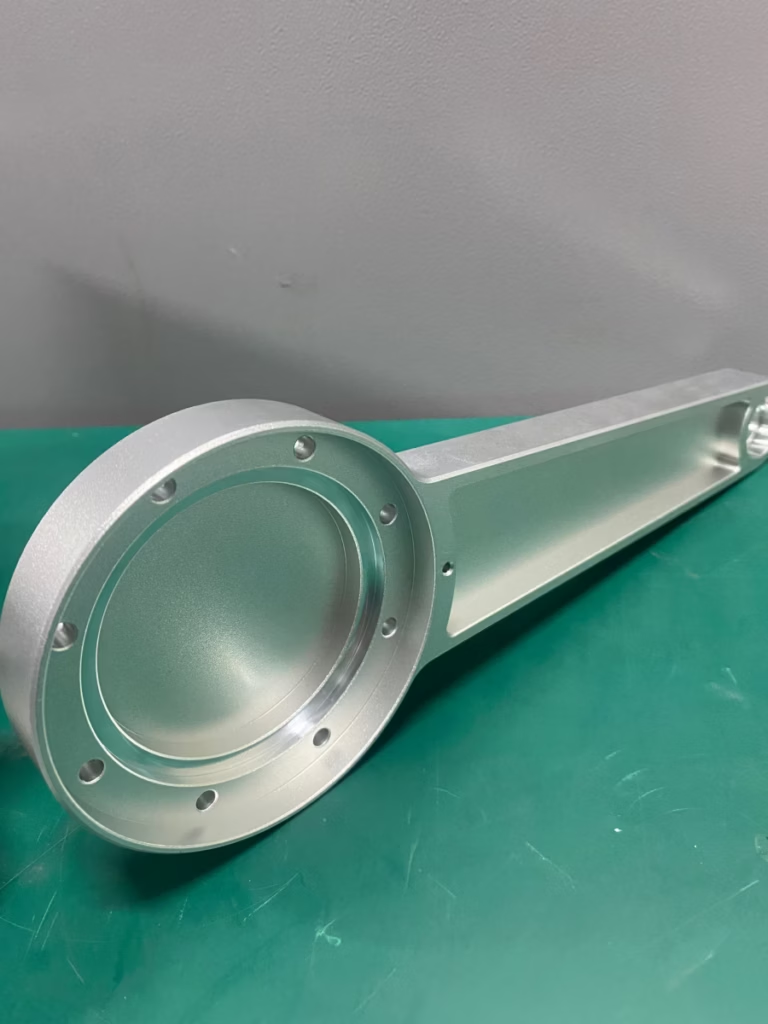
When navigating the complex landscape of custom part procurement, one of the first and most critical questions that arises for engineers and buyers alike is: “How much will this CNC machining service cost?” Unlike standardized products, the price for precision CNC machining is not found on a simple menu; it is a calculated value derived from a symphony of technical specifications, material choices, and project requirements. Understanding the components of a CNC machining service precision pricelist is essential for budgeting accurately and selecting a partner who offers true value, not just the lowest initial quote.
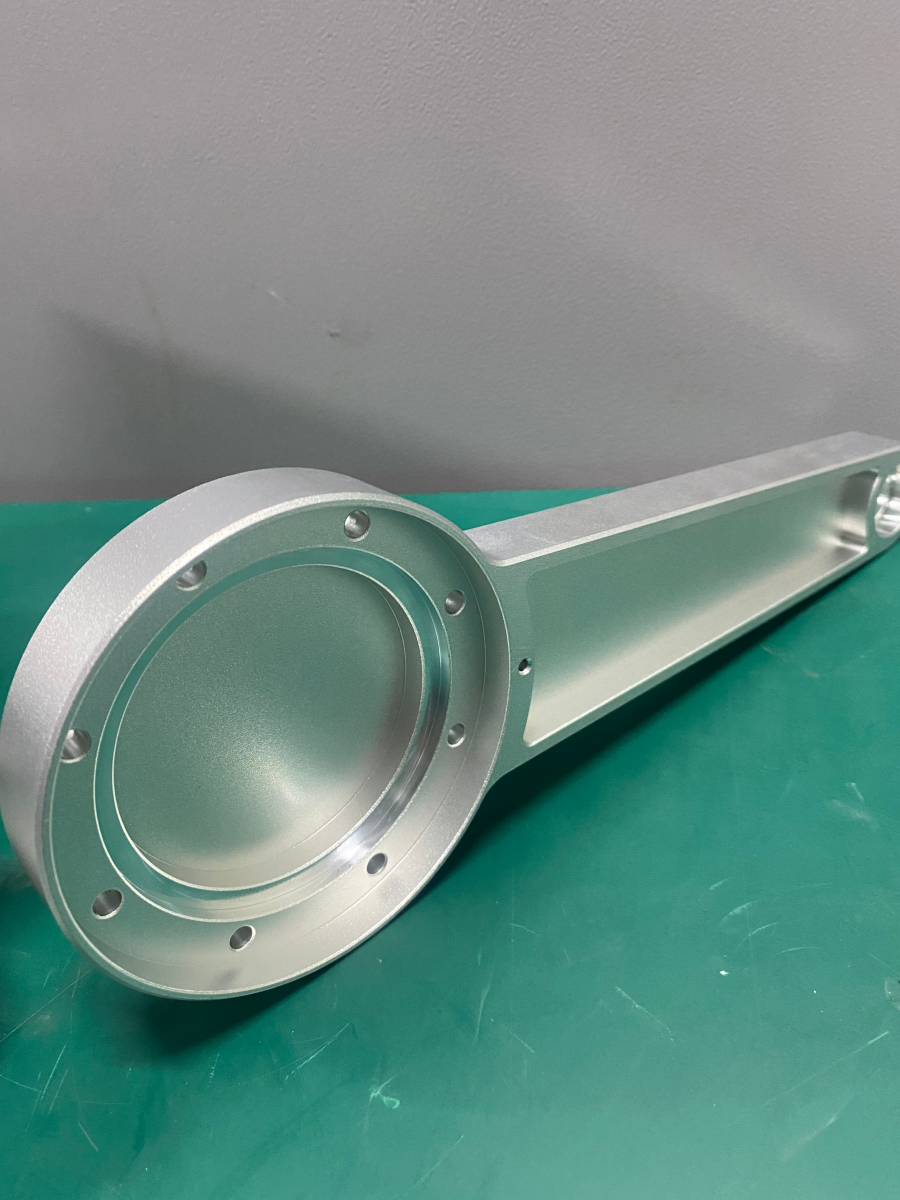
This article deconstructs the elements that form a machining quote, providing you with the knowledge to interpret estimates and make informed decisions that balance cost, quality, and reliability.
The Foundation: What Constitutes a CNC Machining Quote?
A professional quote for CNC machining service is far more than a single line item. It is a detailed breakdown that translates your design intent into manufacturable costs. The final price is typically an aggregate of several core cost drivers:
Part Design & Complexity: This is the primary determinant. A simple bracket is worlds apart from a titanium aerospace component with thin walls, internal channels, and compound curvatures.
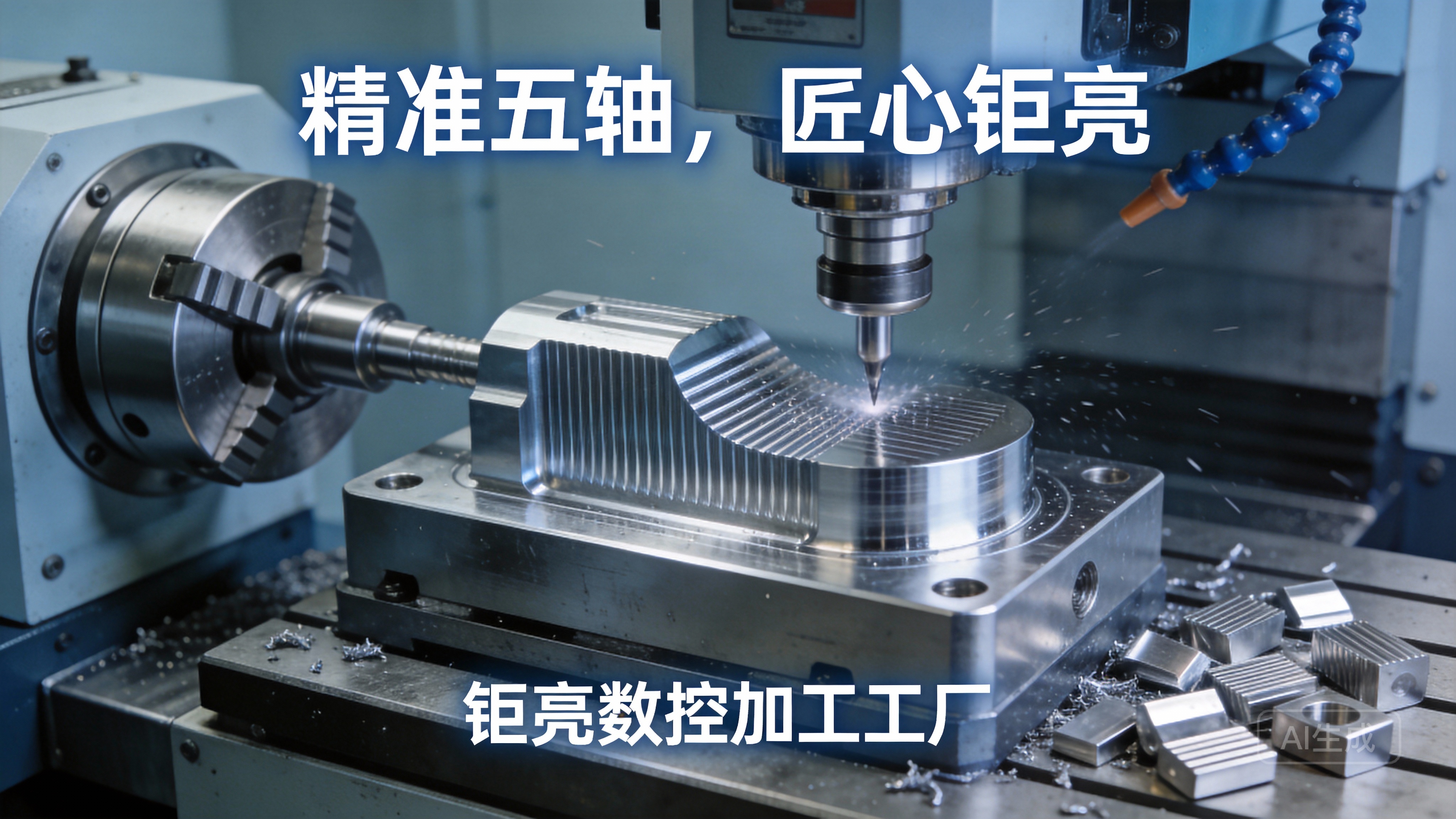
Setup & Programming Time: Complex parts require sophisticated CAM programming and meticulous machine setup. A 5-axis CNC machining center can reduce setups for complex geometries but involves higher programming expertise.
Machining Time: The total time the material spends under the tool, directly tied to machine hourly rates.
Tooling & Tool Wear: Intricate features may require specialized, expensive tooling. Hard materials like Inconel or hardened steel accelerate tool wear, adding cost.
Material Cost & Selection: The raw material blank is a significant portion of the cost. Prices vary dramatically:
Common Alloys: Aluminum (e.g., 6061, 7075), mild steel.
Engineering Plastics: POM (Delrin), Nylon, PC.
Exotic Metals: Titanium, Inconel, magnesium, copper alloys.
Material Form: Cost also depends on whether you need plate, round bar, or a near-net-shape forging to minimize waste.
Quantity & Volume: Economics of scale apply.
Prototyping (1-10 pcs): Dominated by setup and programming costs. Unit price is high.
Low-Volume Production (10-500 pcs): Setup costs are amortized. Optimization of tool paths and fixturing becomes valuable.
High-Volume Production (500+ pcs): Material and cycle time efficiency are paramount. Dedicated fixtures and process optimization are justified.
Tolerances & Surface Finish Requirements:
Standard Tolerances (e.g., ±0.1mm) are efficient to hold.
Precision Tolerances (e.g., ±0.025mm or tighter) and High-Precision Tolerances (e.g., ±0.005mm) require slower machining, specialized equipment, climate control, and advanced metrology, increasing cost exponentially.
Surface Finish: A standard milled finish is included. Specifying a Ra 0.4µm mirror finish requires additional grinding, polishing, or lapping operations.
Post-Processing & Finishing: These are almost always add-ons.
Basic: Deburring, sandblasting.
Aesthetic/Corrosion Protection: Anodizing (Type II, III), powder coating, plating (nickel, chrome, zinc).
Functional: Heat treatment (annealing, tempering, case hardening), passivation for stainless steel.
Decoding the “Pricelist”: A Comparative Framework
While true custom machining defies a static price list, here is a simplified framework to illustrate how these factors interact. Note: Prices are illustrative and can vary based on global material markets and regional labor rates.
Table 1: Influence of Material & Complexity on Unit Cost (Small Batch)
| Part Description | Material | Approx. Size | Key Complexity | Estimated Unit Cost (Qty: 10) | Primary Cost Driver |
|---|---|---|---|---|---|
| Simple Mounting Plate | Aluminum 6061 | 100x100x10mm | 2.5D features, thru-holes | $15 – $30 | Material, basic machining time |
| Enclosure with Fitment | POM (Delrin) | 150x80x50mm | Snap-fits, living hinges, tight assembly tolerances | $45 – $90 | Programming for plastics, tolerance control |
| Aircraft Bracket | Titanium 6Al-4V | 120x60x15mm | Complex 3D contours, weight-saving pockets | $180 – $350+ | Material cost, slow machining speed, tool wear |
| Precision Sensor Housing | Stainless 316 | Ø50x30mm | Internal threads, ±0.01mm bore tolerance, Ra 0.8µm finish | $120 – $250 | High-precision machining, secondary finishing |
Table 2: Impact of Quantity on Cost Per Part (Example: Aluminum 6061 Bracket)
| Quantity | Approx. Unit Cost | Total Batch Cost | Why the Price Changes |
|---|---|---|---|
| 1 pc (Prototype) | $150 | $150 | Full burden of CAD/CAM, setup, and first-article inspection. |
| 10 pcs | $40 | $400 | Setup cost is distributed. Process is optimized for the batch. |
| 100 pcs | $22 | $2,200 | Further optimization possible. Material may be purchased in bulk. |
| 1000 pcs | $18 | $18,000 | Stable, optimized process. Focus shifts to cycle time and material yield. |
Beyond the Bottom Line: The Hidden Cost of a Low Quote
Choosing a supplier based solely on the lowest CNC machining service precision pricelist item can be a costly mistake. Consider these often-overlooked factors:
Quality & Consistency Costs: A part that fails inspection, causes assembly line downtime, or leads to product field failure incurs immense hidden costs. A supplier with robust quality systems (like ISO 9001:2015, IATF 16949 for automotive, or ISO 13485 for medical) builds quality into the process, preventing these failures.
Engineering Support Value: Can the supplier review your design for manufacturability (DFM) and suggest changes that reduce cost by 30% without compromising function? This pre-quote service is invaluable.
Supply Chain Reliability: Delays in production or shipping can halt your entire project. A supplier’s on-time delivery record and communication transparency are critical.
Certifications & Traceability: For regulated industries, material certifications, first-article inspection reports (FAIR), and full process traceability are not optional—they are mandatory. Suppliers who invest in these capabilities typically reflect it in their pricing structure.
How Leading Manufacturers Structure Value: A Closer Look
Let’s examine how a technically equipped manufacturer approaches pricing. A partner like GreatLight CNC Machining Factory leverages its integrated capabilities to provide cost-effective solutions that a fragmented supply chain cannot.
Case Example: From Prototype to Production
A client needed a complex aluminum manifold for a fluid handling system.
Challenge: The initial design required deep, small-diameter cross-holes and had sharp internal corners, leading to high machining time and cost.
DFM Input: GreatLight’s engineers proposed changing the corner radii to match standard tooling and re-orienting the part to allow for more efficient 5-axis CNC machining in a single setup.
Cost Outcome: The revised design reduced machining time by 40%. While the per-hour rate for 5-axis machining is higher, the elimination of multiple 3-axis setups and reduced handling resulted in a net lower total cost and a faster lead time. The quote provided transparency, showing the cost savings from the DFM suggestion separately.
This exemplifies that the most competitive CNC machining service precision pricelist is one that reflects intelligent manufacturing solutions, not just a hourly machine rate.
Requesting an Accurate Quote: A Guide for Buyers
To get the most accurate and comparable quotes, provide potential suppliers with:
Complete & Clean CAD Files (STEP or IGES preferred).
Detailed Drawings with critical dimensions, tolerances, and surface finishes clearly called out.
Material Specification (grade, standard, and any required certifications).
Required Quantity and target timeline.
Any Applicable Standards (e.g., AS9100, ISO 13485, PPAP requirements).
Conclusion: Price is an Equation, Not Just a Number
Ultimately, the CNC machining service precision pricelist you receive is the output of a complex equation where design, material, quantity, quality, and service are the variables. The goal is not simply to find the lowest input cost but to maximize the value output—where value is defined as (Quality + Reliability + Service) / Total Cost of Ownership.
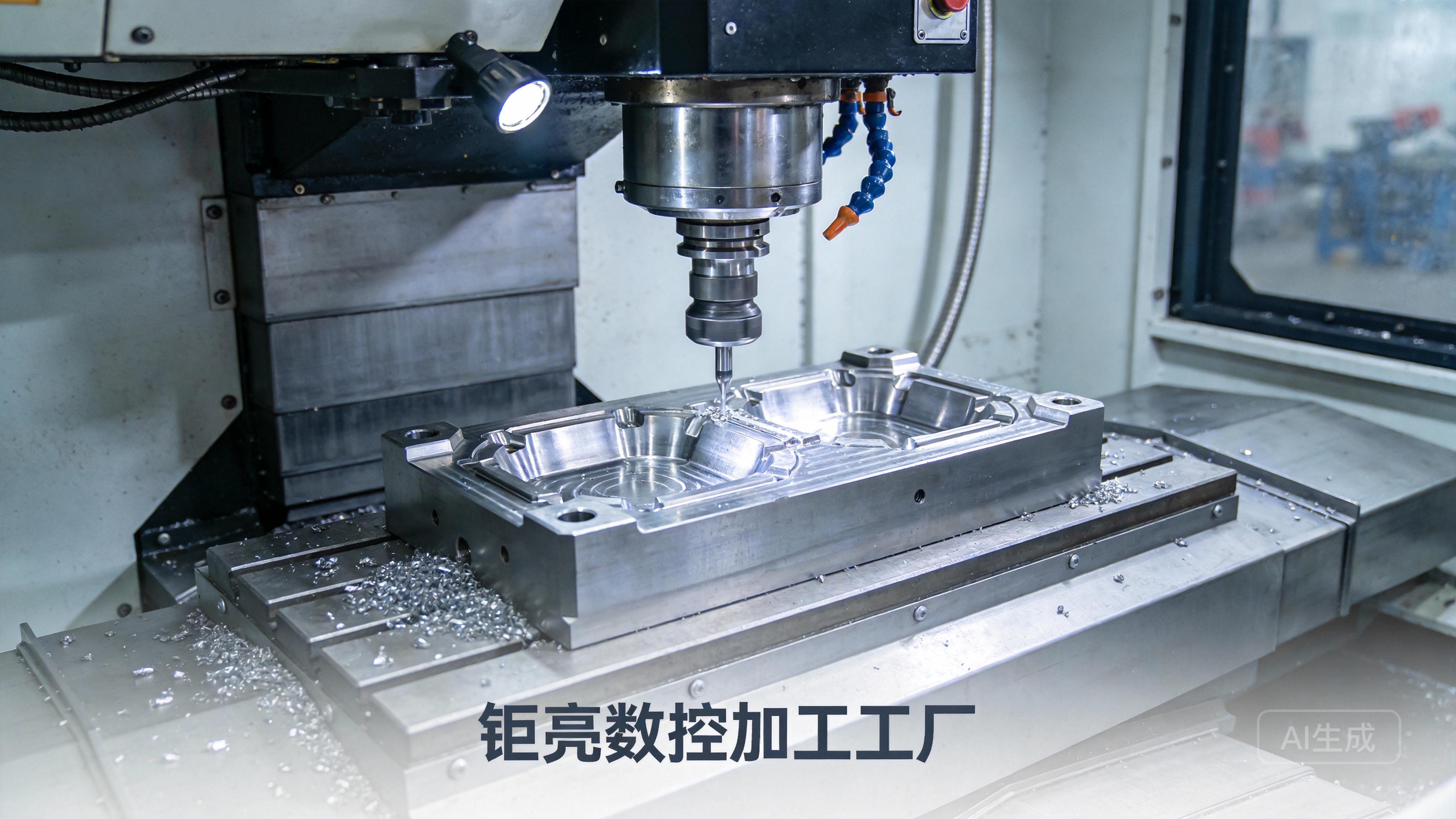
Investing in a partnership with a certified, well-equipped manufacturer like GreatLight CNC Machining Factory means investing in predictability. Their advanced 5-axis CNC machining services{:target=”_blank”}, full in-house post-processing, and systematic quality controls ensure that the quote you approve is a reliable contract for on-spec, on-time delivery. This approach transforms the pricelist from a source of uncertainty into a foundation for successful project execution and long-term innovation. For ongoing insights into precision manufacturing, connect with industry leaders on platforms like LinkedIn{:target=”_blank”}.



















