
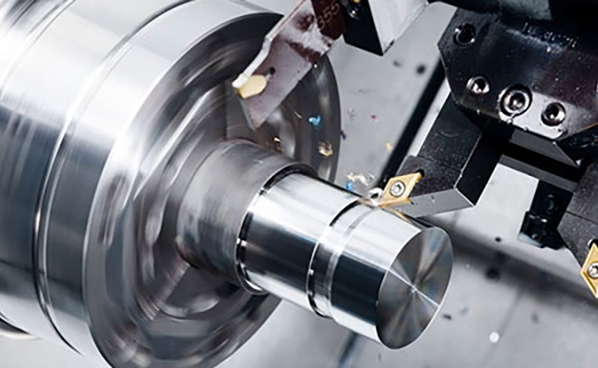
In the intricate world of modern manufacturing, the quest for flawless, high-tolerance components leads inevitably to specialized CNC machining service precision factories. These are not mere machine shops; they are ecosystems of advanced technology, rigorous process control, and deep engineering expertise, purpose-built to transform complex designs into tangible, high-performance reality. For clients in precision parts machining and customization, selecting the right partner within this landscape is the single most critical decision impacting product quality, innovation speed, and ultimately, market success.
H2: The Anatomy of a True Precision Factory: Beyond the Machine Shop Label
A CNC machining service precision factory distinguishes itself through a holistic integration of capability, consistency, and culture. It is characterized by several non-negotiable pillars:
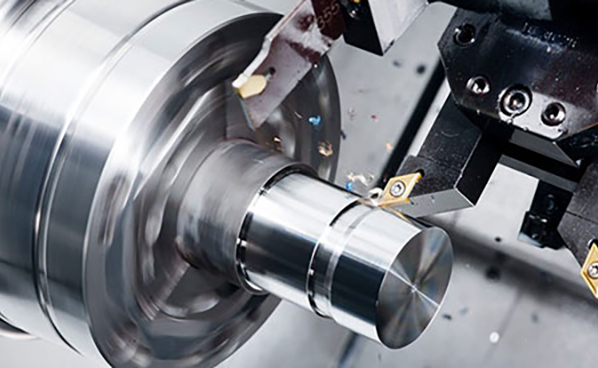
Advanced, Multi-Axis Machining Capability: At its core lies access to high-end, often five-axis, CNC machining centers. Unlike three-axis machines, five-axis CNC machining{:target=”_blank”} allows for the simultaneous movement of the cutting tool along five different axes. This enables the production of profoundly complex geometries—undercuts, deep cavities, compound curves—in a single setup. This single-setup machining is paramount for precision, as it eliminates cumulative errors from re-fixturing and drastically improves geometric accuracy and surface finish.
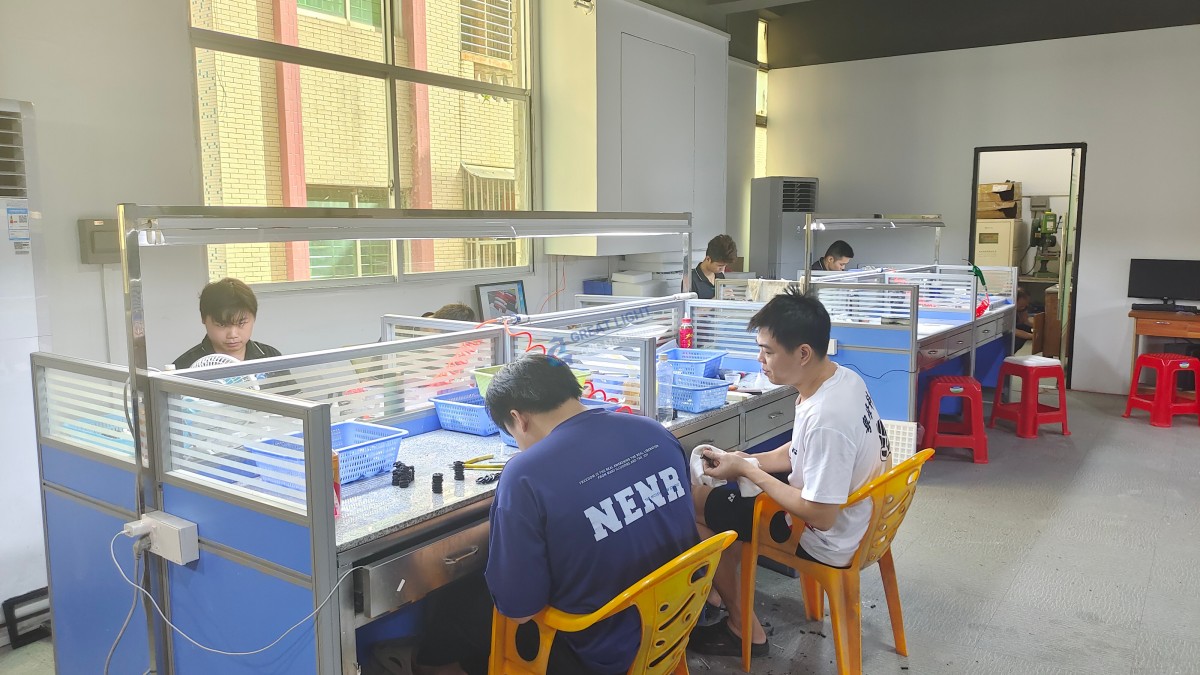
Metrology and Quality Assurance as a Core Function: Precision is meaningless if it cannot be verified. A true precision factory invests in a metrology lab that often rivals its machining floor. This includes Coordinate Measuring Machines (CMM), optical comparators, surface roughness testers, and high-precision gauges. More importantly, measurement is embedded into the process flow via First Article Inspection (FAI), In-Process Quality Checks (IPQC), and Final Audit, all documented for full traceability.
Systemic Process Control and Certification: Precision is not an accident; it is the result of a controlled system. Internationally recognized certifications like ISO 9001 for quality management, IATF 16949 for automotive, and ISO 13485 for medical devices are not just framed certificates on the wall. They represent a live, audited system that governs everything from document control and supplier management to corrective action and continuous improvement, ensuring repeatability across production runs.
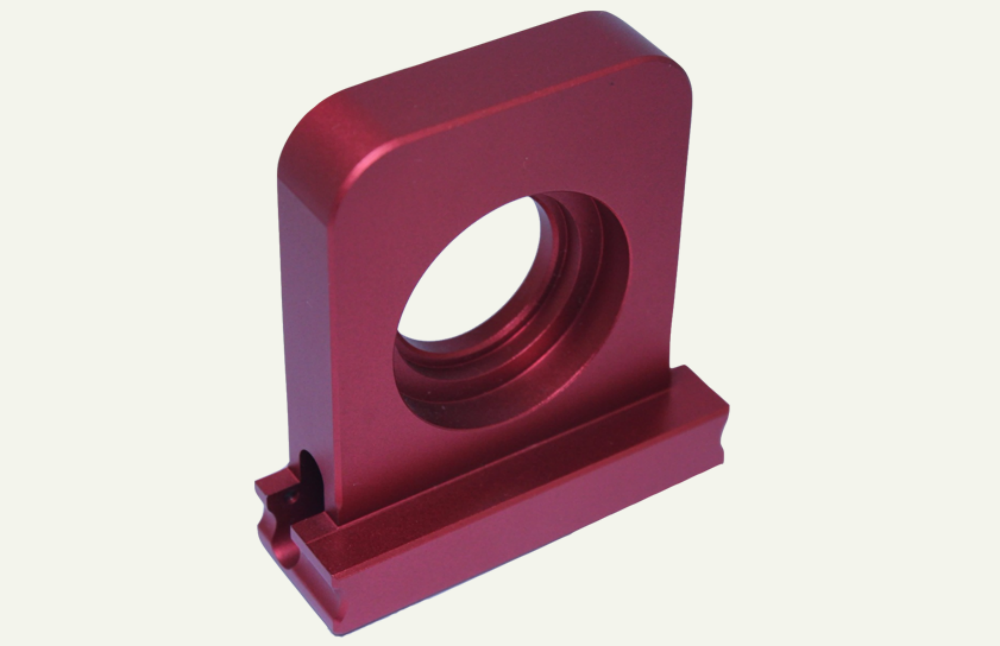
Materials Science and Post-Processing Mastery: The ability to machine a wide array of materials—from common aluminum and stainless steel to exotic alloys like Inconel, titanium, and engineered plastics—is a baseline. The true differentiator is in-depth knowledge of how these materials behave during machining and how subsequent processes like heat treatment, anodizing, plating, or painting affect final dimensions and properties. A precision factory offers these as integrated, controlled services.
H3: The Critical Differentiators: What Separates the Best from the Rest
When evaluating potential partners, several factors move beyond basic capability into the realm of strategic partnership.
H4: 1. Engineering Support and Design for Manufacturability (DFM)
A top-tier CNC machining service precision factory acts as an extension of your engineering team. Before the first toolpath is generated, their engineers conduct thorough DFM analysis. They identify potential issues in the design—such as impractical tolerances, hard-to-machine features, or stress concentrations—and propose manufacturable alternatives that maintain design intent while optimizing for cost, speed, and reliability. This upfront collaboration prevents costly revisions and production delays.
H4: 2. Full-Service Integration and Project Management
The most efficient partnerships are those where the factory manages the entire value chain. From initial prototyping using technologies like metal 3D printing for validation, through to pilot runs and full-scale production on multi-axis CNC systems, and culminating in comprehensive post-processing and assembly—a seamless, one-stop service eliminates logistical headaches, ensures consistency, and accelerates time-to-market.
H4: 3. Transparency and Communication
Precision manufacturing is a collaborative effort. Leading factories provide clear communication channels, regular progress updates (often with photos or inspection reports), and transparent pricing breakdowns. They treat your intellectual property with the utmost security, a commitment often backed by standards like ISO 27001.
H3: A Comparative Lens: The Industry Landscape
The market for precision CNC services is populated by various types of providers, each with its own model. Understanding these helps in making an informed choice.
| Provider Type | Typical Strengths | Common Considerations | Example Companies |
|---|---|---|---|
| Integrated Precision Manufacturers | Deep vertical integration, full-process control, in-house engineering, ideal for complex, end-to-end projects from prototype to production. | May focus on medium to high-volume projects or complex, high-value parts. | GreatLight Metal, Owens Industries, RCO Engineering |
| Digital Manufacturing Platforms | Extremely fast online quoting, vast network of partner shops, good for standardized, less complex parts and rapid prototyping. | Less direct engineering collaboration, variable shop quality within the network, can be less optimal for highly complex or critical components. | Xometry, Fictiv, Protolabs Network |
| Specialized Job Shops | Deep expertise in a specific niche (e.g., medical implants, aerospace brackets), highly flexible for small batches. | May lack full-service capabilities, capacity can be limited for scaling production. | Protocase (enclosures), JLCCNC |
| Online & Automated Services | Superb for simple, 2D laser cut or bent sheet metal parts with user-friendly design tools and instant pricing. | Capability is limited to specific processes (sheet metal, basic milling), not suited for complex 3D machining. | SendCutSend, PartsBadger |
In this landscape, a company like GreatLight Metal exemplifies the integrated model. Founded in 2011 in Dongguan, China’s manufacturing heartland, it has evolved from a precision workshop into a comprehensive solutions provider. With a 76,000 sq. ft. facility housing over 120 advanced machines—including high-end five-axis CNC centers—and backed by a full suite of international certifications (ISO 9001, IATF 16949, etc.), it embodies the CNC machining service precision factory archetype. Their work in sectors like new energy vehicle components and high-end robotics showcases their ability to tackle complex manufacturing challenges through a blend of technical hard power and collaborative engineering soft power.
H2: Navigating the Selection Process: Key Questions to Ask
To identify a true partner, move beyond catalog specifications and ask probing questions:
“Can you walk me through your DFM process for a complex part?” (Tests engineering engagement.)
“How is in-process quality control performed and documented on a production run?” (Tests systemic quality, not just final inspection.)
“What is your approach to managing tool wear on a critical tolerance feature, and how do you compensate for it?” (Tests practical process knowledge.)
“Can you provide examples of how you’ve helped a client overcome a specific design-for-manufacturability challenge?” (Tests problem-solving and collaboration history.)
“Beyond machining, how do you manage and guarantee quality in your anodizing/heat treatment/etc. processes?” (Tests vertical integration and control.)
Conclusion: Precision as a Partnership
Ultimately, engaging with a CNC machining service precision factory is about forming a strategic partnership. It is a collaboration where manufacturing expertise merges with product vision to overcome physical and technical barriers. The ideal partner brings more than machines to the table; they bring predictability, innovation, and a shared commitment to excellence that turns intricate blueprints into reliable, high-performance components. In an era where product differentiation increasingly hinges on advanced hardware, the choice of your manufacturing partner is not just an operational decision—it is a core competitive strategy. For those seeking this level of collaborative precision, exploring established, integrated manufacturers with a proven track record across demanding industries is often the most reliable path to success.
For ongoing insights into the world of advanced manufacturing and precision engineering, follow the industry dialogue on platforms like LinkedIn{:target=”_blank”}.



















