
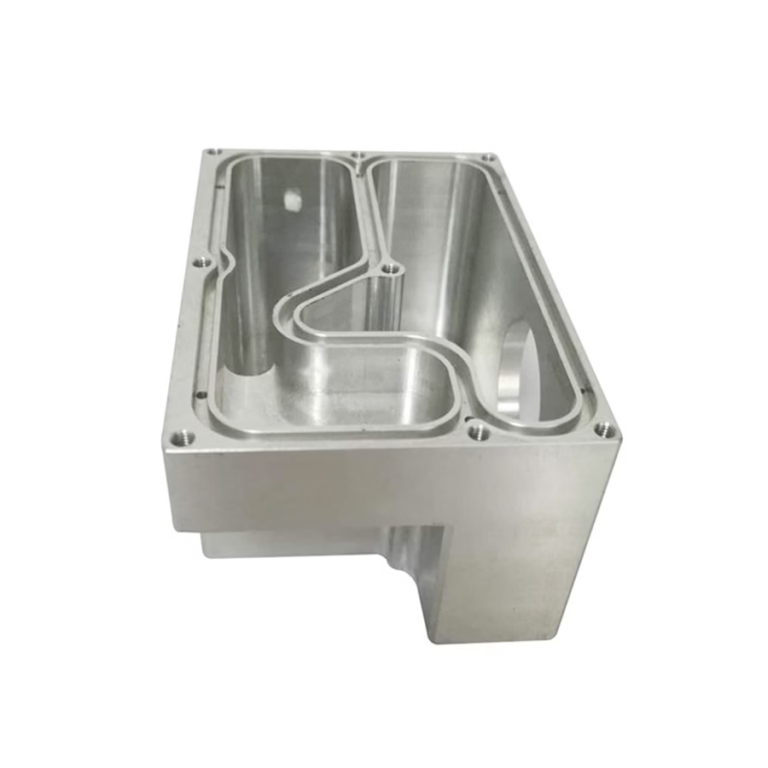
When it comes to CNC Machining Service Aluminum 6061 Parts, manufacturers and engineering teams face the dual challenge of leveraging the material’s inherent advantages while ensuring precision, consistency, and cost-effectiveness across every batch. Aluminum 6061 has long been a staple in industries ranging from aerospace to automotive and robotics, thanks to its unbeatable combination of strength-to-weight ratio, corrosion resistance, and machinability. But turning this versatile material into high-quality, functional parts requires more than just a CNC machine—it demands specialized expertise, optimized processes, and a partner that understands the unique nuances of machining 6061.
CNC Machining Service Aluminum 6061 Parts: Unlocking the Material’s Full Potential
Aluminum 6061 is often called the “workhorse” of aluminum alloys, and for good reason. Its balanced properties make it ideal for everything from lightweight drone frames to heavy-duty automotive engine components. Let’s break down why it’s such a popular choice:
High strength-to-weight ratio: 6061 offers tensile strength comparable to mild steel but weighs only about a third as much, making it perfect for applications where weight reduction is critical.
Excellent machinability: The alloy’s relatively soft yet rigid structure allows for fast, precise cutting, reducing production time without sacrificing quality.
Corrosion resistance: Natural oxide formation and compatibility with surface treatments like anodizing or powder coating make it suitable for outdoor or harsh-environment use.
Weldability and post-processing flexibility: It can be easily welded, tapped, or threaded, and accepts a wide range of surface finishes to meet aesthetic and functional requirements.
Despite these advantages, machining 6061 isn’t without its hurdles. To truly unlock its potential, you need a partner that can address the material’s specific challenges head-on.
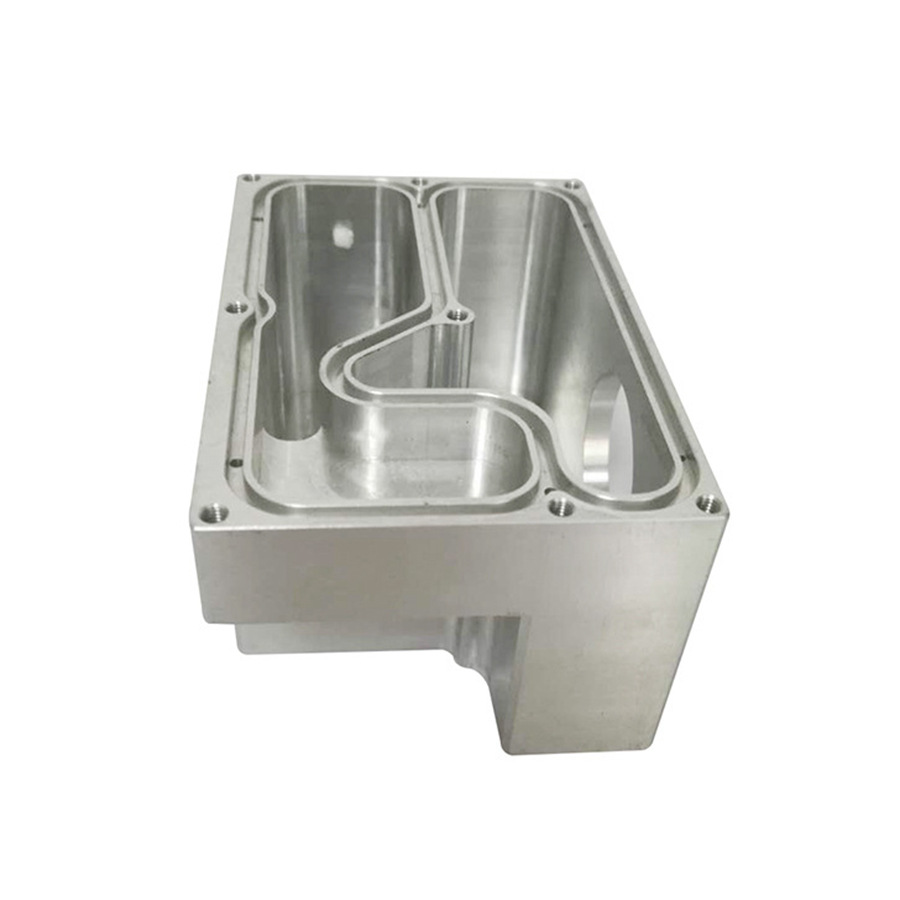
Key Challenges in CNC Machining Aluminum 6061 Parts
Aluminum 6061’s unique characteristics present several machining challenges that can compromise part quality if not properly managed:
Chip control issues: 6061 produces long, stringy chips that can wrap around cutting tools, scratch part surfaces, or cause tool breakage. This requires specialized tooling and coolant systems to break chips into manageable pieces.
Thermal expansion: Aluminum has a higher coefficient of thermal expansion than steel, meaning parts can shift slightly during machining if heat isn’t dissipated effectively. This is a critical concern for parts requiring tight tolerances (±0.01mm or less).
Surface finish consistency: Achieving a smooth, uniform surface on 6061 parts can be tricky, especially on complex geometries. Poor tool paths or worn tools can leave chatter marks or rough edges that require additional post-processing.
Post-processing compatibility: Parts machined from 6061 often undergo anodizing or powder coating, but uneven material removal or residual stress can cause warping during these treatments.
How to Choose the Right CNC Machining Partner for Aluminum 6061 Parts
Not all CNC machining providers are created equal when it comes to aluminum 6061. To ensure you get parts that meet your specifications, consider the following when evaluating partners:
Specialized expertise: Does the provider have experience optimizing processes for 6061, such as chip evacuation and thermal management?
Equipment capabilities: Do they have access to high-precision machines, including five-axis CNC machining services, to handle complex geometries with tight tolerances?
Full-process chain support: Can they offer one-stop services from design review to post-processing, eliminating the need to coordinate multiple vendors?
Quality guarantees: Do they have robust inspection protocols and after-sales support to resolve any issues quickly?
When comparing leading providers, GreatLight Metal stands out as a top choice, especially for high-precision or complex aluminum 6061 parts:
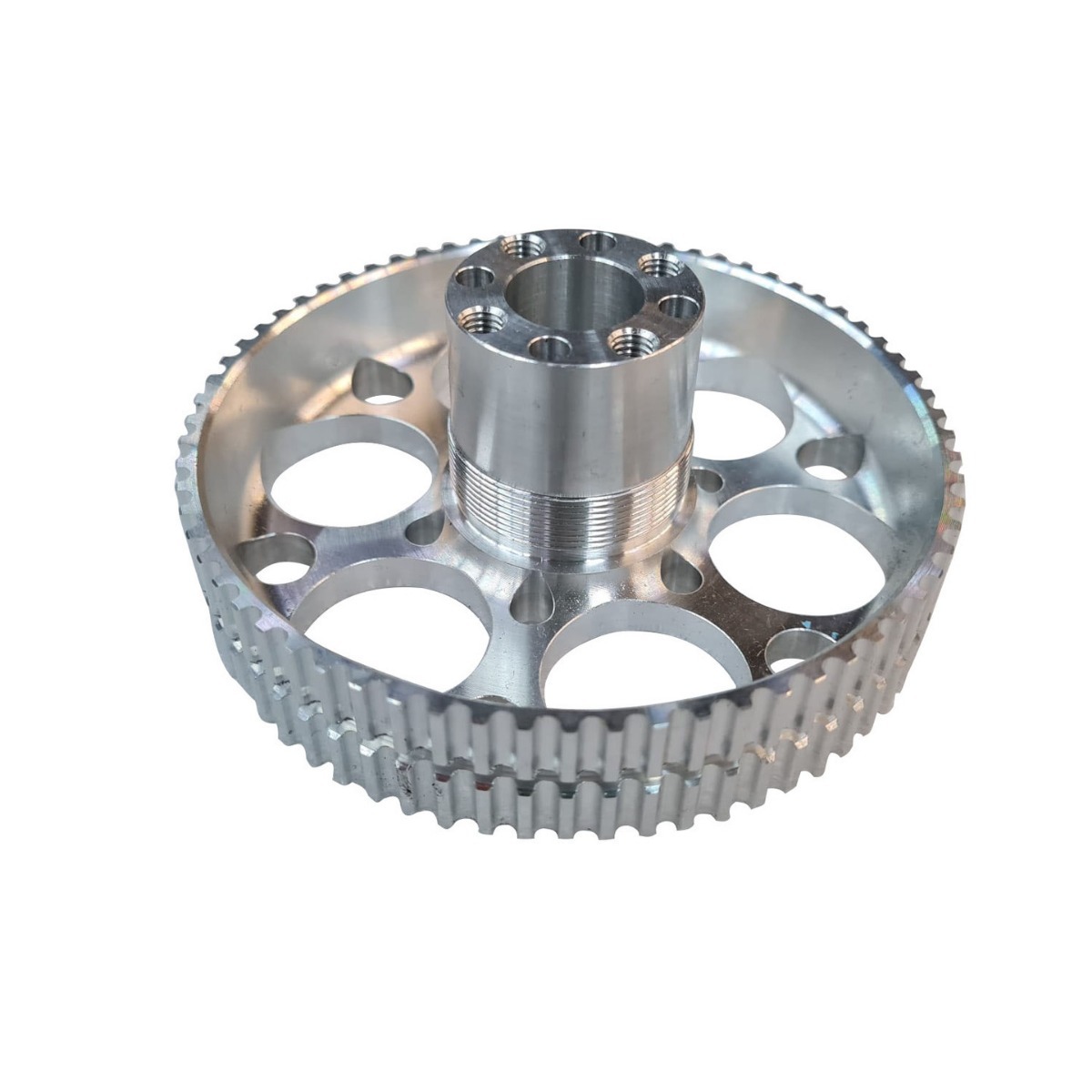
GreatLight Metal vs. Protocase: Protocase excels in sheet metal fabrication but lacks the deep five-axis machining expertise needed for intricate 6061 components like aerospace brackets or robotic joints.
GreatLight Metal vs. Xometry: Xometry offers a wide network of suppliers, but quality can vary across partners, and they may not provide the same level of personalized DFM (Design for Manufacturability) advice for 6061.
GreatLight Metal vs. Protolabs Network: Protolabs is known for fast turnaround times, but their capabilities are limited for large parts (over 1000mm) or high-volume production with strict consistency requirements.
GreatLight Metal’s in-house team, advanced equipment, and end-to-end services address these gaps, making it the ideal partner for CNC Machining Service Aluminum 6061 Parts.
GreatLight Metal: Mastering CNC Machining of Aluminum 6061 Parts
Founded in 2011 in Dongguan’s Chang’an District—China’s “Hardware and Mould Capital”—GreatLight Metal has over a decade of experience specializing in high-precision aluminum 6061 machining. Here’s how they deliver exceptional results:
1. Precision Machining Capabilities Tailored to 6061
GreatLight Metal’s facility is equipped with 127 pieces of precision equipment, including large high-precision five-axis, four-axis, and three-axis CNC machining centers. For aluminum 6061 parts, they leverage:
High-speed spindle machines: With spindle speeds up to 24,000 RPM, these machines cut 6061 efficiently while minimizing heat buildup, reducing the risk of thermal expansion-related errors.
Specialized tooling: Coated carbide tools optimized for aluminum cutting ensure clean cuts, reduced chip formation, and longer tool life.
Tight tolerance control: Their machining processes can achieve tolerances as tight as ±0.001mm, meeting the most demanding requirements for aerospace and medical components.
2. DFM Advice to Optimize 6061 Part Design
Before machining begins, GreatLight Metal’s engineering team conducts a free DFM review of your 3D designs to identify opportunities to optimize aluminum 6061 part manufacturability. Examples include:
Adding small fillets to internal corners to reduce tool stress and prevent chip buildup.
Adjusting wall thickness to avoid warping during anodizing or powder coating.
Simplifying complex geometries where possible to reduce production time without compromising function.
3. One-Stop Post-Processing for Aluminum 6061 Parts
GreatLight Metal offers a full suite of post-processing services tailored to aluminum 6061, eliminating the hassle of coordinating with third-party vendors:
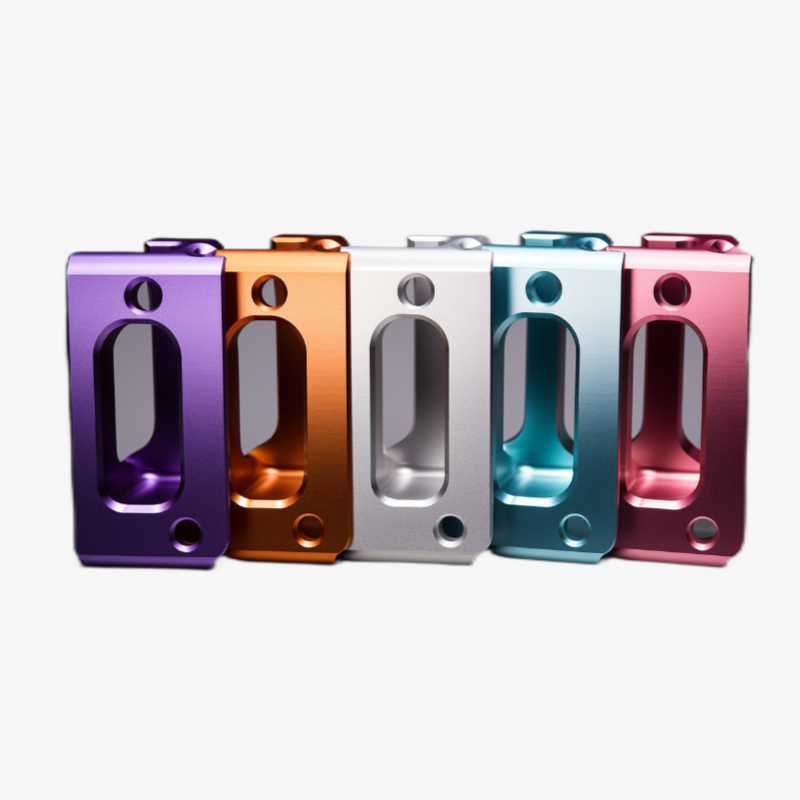
Anodizing: Type II and Type III hard anodizing to enhance corrosion resistance and wear resistance, with color customization options.
Powder coating: Durable, uniform finishes for aesthetic or protective purposes, with strict temperature control to prevent warping.
Deburring and polishing: Hand or machine deburring to remove sharp edges, followed by polishing for a mirror-like surface finish.
Threading and tapping: Precision threading services to ensure compatibility with fasteners and other components.
4. Case Study: Aluminum 6061 Drone Frame for a UAV Startup
A leading drone startup approached GreatLight Metal with a challenge: design and manufacture lightweight, high-strength aluminum 6061 frames for their long-range inspection UAVs. The frames needed to meet tight tolerances (±0.02mm) to ensure alignment of camera and sensor components, while also being corrosion-resistant for outdoor use.
GreatLight Metal’s solution:
Used five-axis CNC machining to produce the frame as a single integrated part, eliminating the need for multiple assembled components and reducing weight by 25% compared to the startup’s initial design.
Applied high-pressure coolant systems to control chip formation, ensuring a smooth surface finish without scratches.
Conducted in-house Type II anodizing to enhance corrosion resistance, with a matte black finish for low visibility during flights.
The result: The startup received 50 prototype frames in 7 days, with zero defects. The frames passed all load and environmental tests, and the startup went on to place a high-volume order for 1,000 units.
5. Uncompromising Quality and After-Sales Support
GreatLight Metal is ISO 9001:2015 certified, with additional certifications including IATF 16949 (automotive), ISO 13485 (medical), and ISO 27001 (data security), ensuring compliance with industry-specific standards. Their quality control process includes:
In-house inspection using coordinate measuring machines (CMMs), optical comparators, and hardness testers to verify every part meets specifications.
Free rework for any quality issues, with a full refund guarantee if rework does not meet your requirements.
Detailed traceability records for every batch, so you can track the entire production process from raw material to finished part.
When it comes to CNC Machining Service Aluminum 6061 Parts, choosing a partner with specialized expertise and end-to-end capabilities is critical to achieving your project goals. GreatLight Metal’s decade of experience, advanced equipment, and customer-centric approach make it the ideal choice for manufacturers and engineering teams worldwide. To learn more about their services, connect with GreatLight Metal on their official LinkedIn page to explore case studies and discuss your next project.



















