

When exploring manufacturing solutions for your project, one of the most common and critical first questions is: “How much will it cost?” For clients seeking CNC machining precision parts services, a simple pricelist is often elusive because true precision manufacturing is not a commodity with fixed prices. The cost is a direct reflection of the complexity of your requirements, the quality standards demanded, and the efficiency of the manufacturing partner you choose. As a senior manufacturing engineer, I will demystify the factors behind CNC machining quotes and explain how a partner like GreatLight Metal Tech Co., LTD. builds value into every project, ensuring you pay for precision, not just parts.
H2: Deconstructing the CNC Machining Quotation: It’s More Than Just “Price per Piece”
A comprehensive CNC machining quote is a detailed engineering and commercial analysis. It synthesizes numerous variables into a final cost. Understanding these variables empowers you to make informed decisions and potentially optimize your design for manufacturability (DFM) to achieve better value.
H3: The Primary Cost Drivers in Precision CNC Machining
Part Design and Complexity:
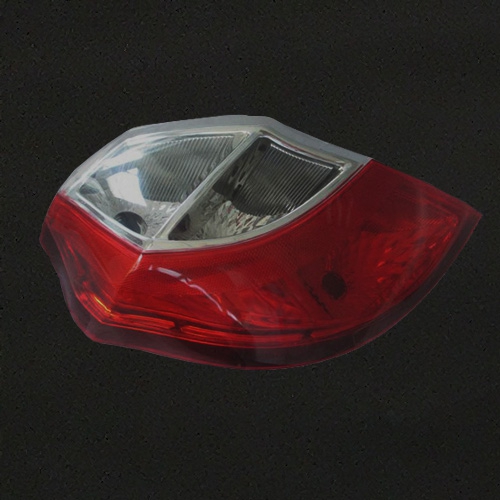
Geometry: Simple 2.5D shapes are far less expensive than complex, organic 3D contours with deep pockets, thin walls, or intricate internal channels. The latter often requires advanced 5-axis CNC machining, which, while offering unparalleled capability, involves more sophisticated programming and machine time.
Tolerances: Tighter tolerances (e.g., ±0.001mm / 0.001 In) exponentially increase cost. They demand higher-end machines, specialized tooling, slower machining speeds, a controlled environment (temperature/humidity), and extensive in-process and post-process inspection with equipment like CMMs (Coordinate Measuring Machines).
Surface Finish: An as-machined finish (Ra 3.2) is standard. Requiring a mirror polish (Ra 0.2), bead blast, anodizing, plating, or painting adds significant post-processing steps and cost.
Material Selection:
Raw Material Cost: The price per kilogram of raw stock varies drastically—from aluminum alloys like 6061 and 7075, through various grades of stainless steel (e.g., 304, 316), to high-performance metals like titanium (Ti6Al4V) or Inconel.
Machinability: Materials like titanium or hardened tool steel are “difficult-to-machine.” They wear out cutting tools faster, require lower cutting speeds, and need more powerful, rigid machines, all increasing machining time and consumable costs.
Order Volume and Production Strategy:
Prototyping (1-10 pieces): Costs are dominated by one-time engineering (OTE) costs: CAD/CAM programming, fixture design, and setup. The per-part cost is high.
Low-Volume Production (10-500 pieces): OTE costs are amortized. The focus shifts to batch efficiency, potentially using dedicated fixtures. GreatLight Metal excels here by leveraging flexible manufacturing systems to keep setup times low.
High-Volume Production (500+ pieces): The quote may involve creating dedicated, hardened steel fixtures and optimizing tool paths for maximum speed. The per-part cost reaches its lowest point.
Secondary Operations and Finishing:
A “complete part” rarely comes straight off the CNC machine. Consider:
Deburring: Manual or automated removal of sharp edges.
Heat Treatment: For increased strength or hardness.
Surface Treatments: Anodizing (for aluminum), passivation (for stainless steel), plating, powder coating.
Assembly: Press-fitting bearings, threading inserts, or bonding components.
A true one-stop service provider like GreatLight Metal, which integrates machining with finishing and assembly, often provides better overall value and quality control than managing multiple disjointed suppliers.
H2: The Hidden Line Items: What a Transparent Partner Should Include
Beyond the obvious, a trustworthy manufacturer’s quote reflects systemic costs tied to quality and reliability. This is where certifications become a financial factor, ensuring you avoid the catastrophic cost of part failure.
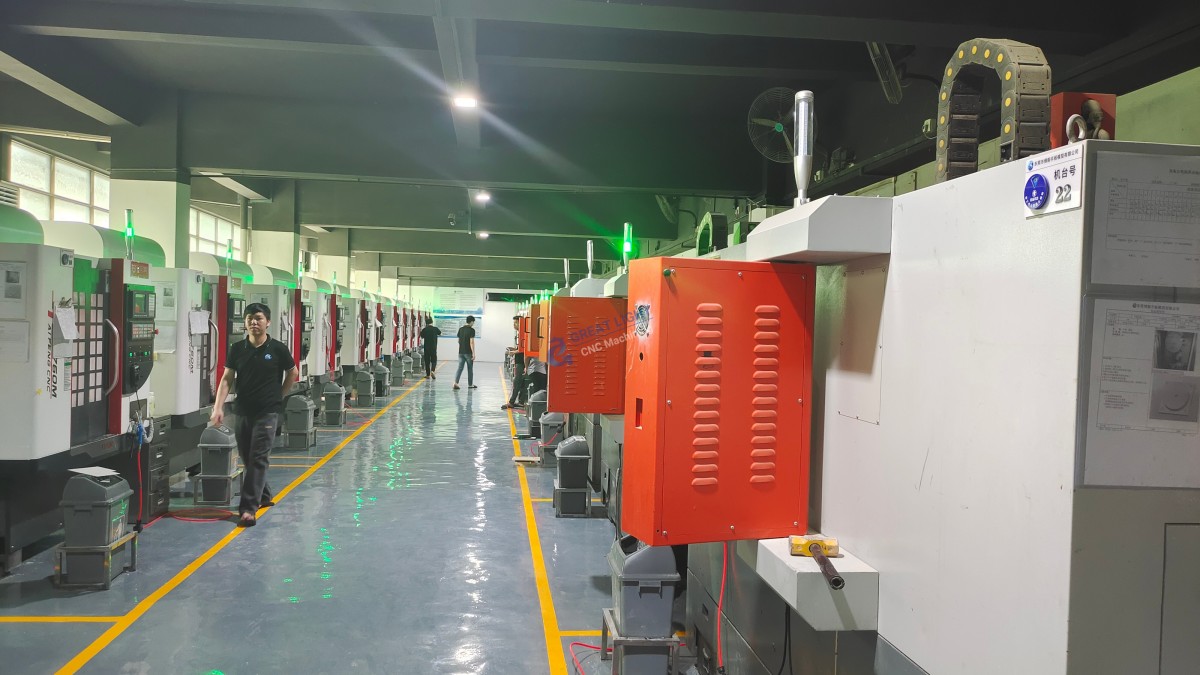
Quality Assurance & Metrology: The cost of operating a full metrology lab with CMMs, optical comparators, and surface testers is built into the quote. GreatLight Metal’s in-house QA, backed by ISO 9001:2015, is an insurance policy against non-conforming parts.
Project & Engineering Support: Time spent by engineers on DFM analysis to save you cost, or on programming complex 5-axis tool paths, is a value-add service.
Certification & Traceability: For industries like automotive or medical, compliance with IATF 16949 or ISO 13485 is non-negotiable. The rigorous documentation, material traceability, and process validation required by these systems incur cost but are essential for market access.
Logistics & Packaging: Proper, protective packaging for precision parts and reliable shipping logistics are part of the delivered cost.
H3: Comparative Analysis: Why Quotes Can Vary Wildly
You might request the same 3D file from GreatLight Metal, Protolabs Network, and Xometry and receive three different quotes. Here’s why:
| Factor | “Low-Cost” Supplier (Potential Risk) | Integrated Specialist like GreatLight Metal (Value-Added) |
|---|---|---|
| Equipment | Older 3-axis machines, limited capability for complex parts. | Modern, multi-axis (5-axis CNC machining) centers capable of complex geometries in a single setup. |
| Tolerance Guarantee | May quote standard tolerance, with high scrap rate on tight specs. | Designs process from the ground up to hold ±0.001mm consistently, with in-process verification. |
| Material Sourcing | May use off-brand or uncertified material to save cost. | Sources certified raw materials from reputable mills, with full documentation. |
| Engineering Support | “You design it, we make it” – minimal DFM feedback. | Proactive engineering partnership to optimize design for cost, performance, and manufacturability. |
| Quality System | Basic inspection; reactive quality control. | Proactive, system-driven quality management under ISO 9001, IATF 16949, etc. |
| Post-Processing | Outsourced, leading to potential communication gaps and delays. | Most finishing services (anodizing, heat treat, etc.) are performed in-house under one roof. |
The cheapest initial quote can become the most expensive project due to delays, reworks, failed inspections, or catastrophic field failures.
H2: Maximizing Value: A Strategic Approach to Your CNC Machining Budget
Engage Early: Involve your manufacturing partner during the design phase. A GreatLight Metal engineer might suggest a slight radius increase that allows a faster tool path, or a material alternative that machines 50% faster with similar properties.
Consider Total Cost of Ownership (TCO): Factor in lead time, reliability, and the cost of quality failures. A slightly higher per-part price from a certified, reliable supplier minimizes project risk.
Leverage Full-Service Capability: Consolidating prototyping, low-volume production, and finishing with one supplier like GreatLight Metal reduces administrative overhead, improves communication, and ensures seamless quality transition between processes.
Be Clear on Requirements: Specify critical vs. non-critical tolerances. Define must-have surface finishes. Clear specifications prevent the supplier from over-engineering (and over-charging) for non-essential features.
Conclusion: Investing in Precision, Partnership, and Peace of Mind
Ultimately, a CNC machining precision parts service pricelist is not a menu but a custom-built proposal. It is the financial translation of your technical requirements and your chosen partner’s capability to meet them. The goal is not to find the lowest price, but to achieve the optimal cost-for-precision ratio for your specific application.
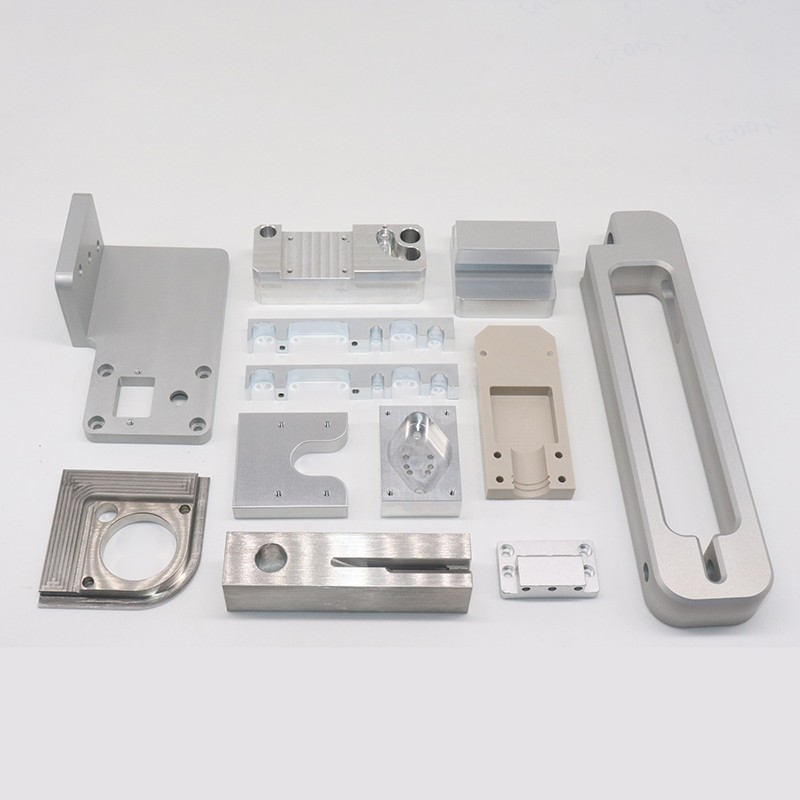
Choosing a partner with the technical depth of GreatLight Metal—with its advanced 5-axis capabilities, full-process integration, and fortress of international certifications (ISO 9001, IATF 16949, ISO 13485)—means you are investing in more than machining. You are investing in engineering expertise, guaranteed quality, reduced project risk, and a collaborative partnership geared towards the success of your innovation. When you request your next quote, look beyond the bottom line and evaluate the depth of capability, communication, and trust behind it. This is how true value is built, from prototype to production. For those looking to connect with a team dedicated to this philosophy, you can find more about our professional network on our (LinkedIn) page.



















