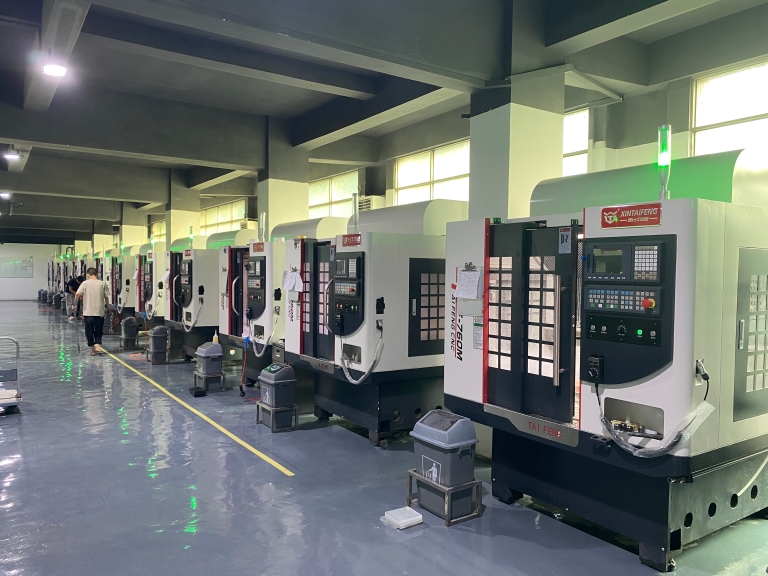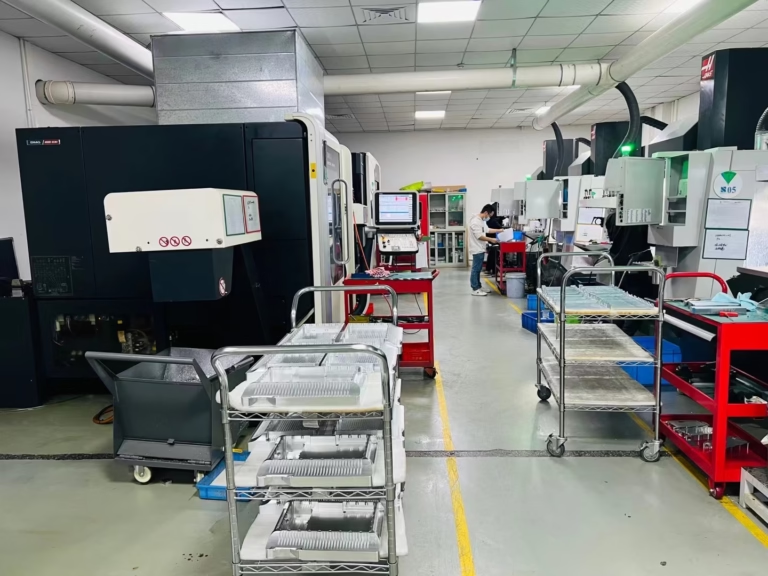
As a manufacturing engineer who has spent decades on the factory floor and in client meetings, I’ve seen the landscape of precision machining evolve dramatically. When a project manager or design engineer types “CNC machining precision parts service factories” into a search engine, they’re not just looking for a vendor list. They are seeking a reliable partner to solve a critical problem: transforming a perfect digital design into a flawless physical component, on time and within budget. The choice of factory is often the single most decisive factor between project success and costly failure.
So, what truly separates a world-class CNC machining precision parts service factory from a mere job shop? It’s a combination of technological depth, systemic rigor, and a partnership mindset.
H2: The Technological Backbone: Beyond the Machine Label
Any factory can claim to have “CNC machines.” The critical differentiator lies in the strategic deployment of technology to solve specific manufacturing challenges.
The Strategic Use of Multi-Axis Machining: A true service factory doesn’t just own a 5-axis machine; it understands when and why to use it. For complex aerospace impellers or medical implants with organic geometries, 5-axis simultaneous machining is non-negotiable. It reduces setups, improves accuracy on contoured surfaces, and often eliminates the need for costly custom fixtures. However, for a large batch of prismatic brackets, a well-programmed 3-axis machining center might be more efficient and cost-effective. A sophisticated factory like GreatLight Metal analyzes your part geometry and production volume to recommend the most technologically and economically optimal path, whether that involves their advanced 5-axis, 4-axis, or high-speed 3-axis clusters.
The Supporting Cast of Processes: Precision machining is rarely a one-process operation. The capability to integrate secondary operations seamlessly is paramount. This includes:
Precision Grinding: For achieving surface finishes and tolerances (think ±0.0005″ or better) that are beyond the scope of even the best milling machine, especially on hardened materials.
EDM (Electrical Discharge Machining): Essential for creating sharp internal corners, micro holes, or machining ultra-hard materials like carbide.
CMM (Coordinate Measuring Machine) Inspection: In-process and final inspection with a CMM is not a luxury; it’s the quality gate that validates the machining process. The best factories have CMMs on the shop floor, feeding data back to machinists in real time.
H2: The System is the Guardian of Quality
Hardware is useless without the software of management. This is where certifications transition from marketing checkboxes to operational reality.
ISO 9001: The Foundation of Consistency: This is the baseline for a systematic approach to quality. It means every process—from order review to final shipping—is documented, controlled, and continually improved. It prevents the “Friday afternoon special” where quality slips due to unstructured processes.
Industry-Specific Certifications: The Mark of Specialization: For clients in regulated fields, these are not optional.
IATF 16949: This is the automotive industry’s rigorous extension of ISO 9001. It mandates stringent controls over design, production, and, critically, supplier management. A factory with IATF 16949 certification has proven its capability to support the demanding supply chains of automotive OEMs and Tier 1 suppliers.
ISO 13485: For medical device manufacturing, this standard focuses on risk management and traceability. Every part must be traceable back to its material batch and machine settings—a non-negotiable requirement for patient safety.
AS9100: The aerospace equivalent, emphasizing product safety, reliability, and configuration management.
A factory that invests in these systems is investing in your risk reduction. They provide a framework that ensures your parts are made correctly, consistently, and traceably, batch after batch.
H2: The Full-Service Advantage: From Prototype to Production
The modern product development cycle is compressed. The old model of prototyping with one vendor, tooling with another, and production with a third is inefficient and fraught with communication gaps. Leading CNC machining precision parts service factories now offer integrated, one-stop solutions.
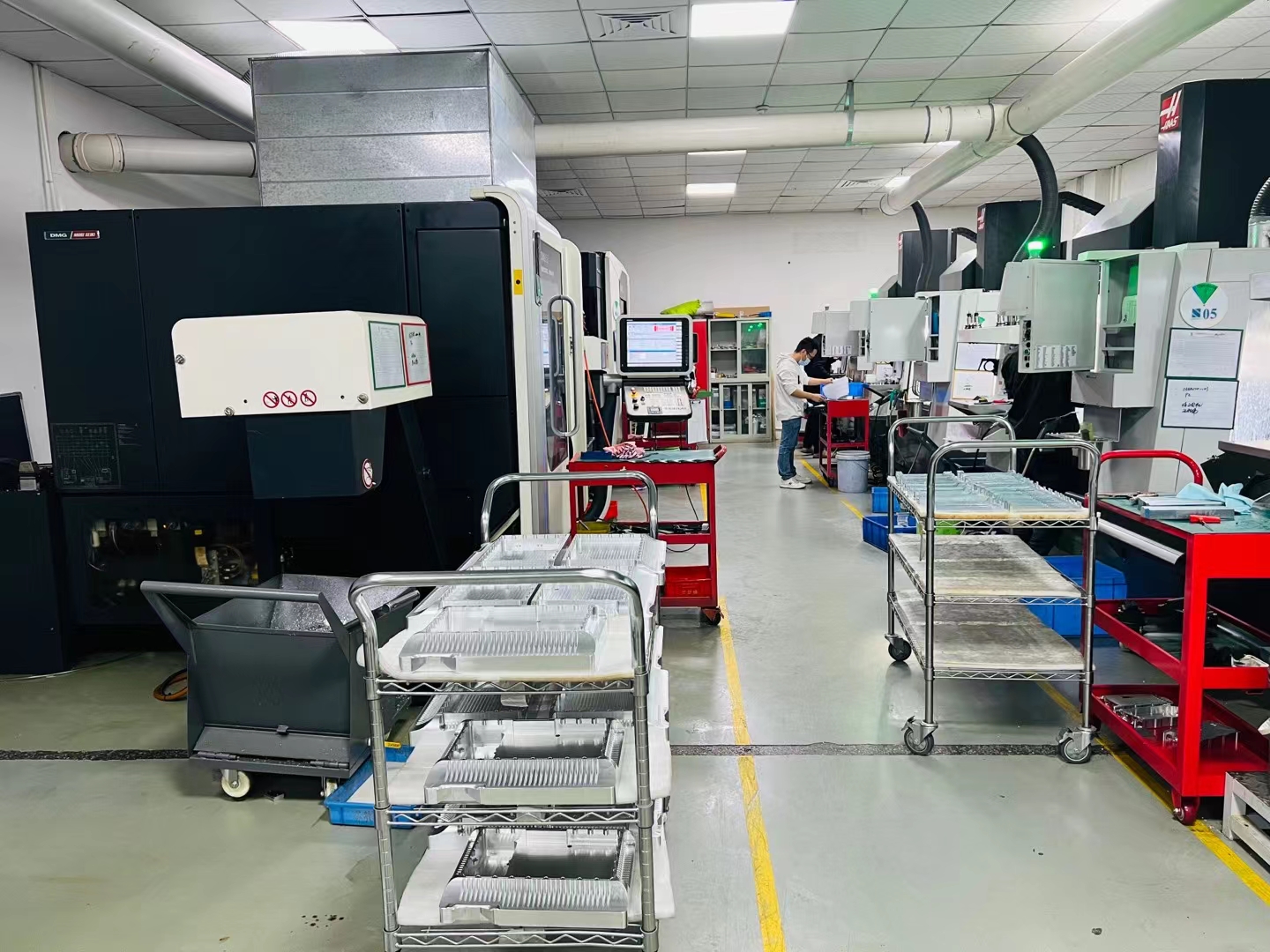
Rapid Prototyping & Bridge Production: Utilizing not only CNC machining but also advanced 3D printing (SLM for metals, SLS/SLA for plastics) to get functional prototypes in hand within days. This allows for design validation and testing before committing to production tooling.
Seamless Transition to Volume: Once the design is frozen, the same engineering team that handled the prototype can oversee the transition to higher-volume methods. This might involve scaling up CNC machining batches, or designing and manufacturing precision molds for die casting or injection molding in-house. This continuity eliminates the “hand-off” errors that plague disjointed supply chains.
Comprehensive Post-Processing: Machining is only half the story. A full-service partner provides all necessary finishing:
Deburring & Surface Finishing: From manual polishing to automated tumbling and vibratory finishing.
Anodizing, Plating, Painting: In-house or managed through vetted, certified partners.
Heat Treatment & Stress Relieving: Critical for enhancing the mechanical properties of machined parts.
H2: The Trust Equation: How to Vet a Potential Partner
When evaluating factories like GreatLight Metal, Protocase, Xometry, or Fictiv, look beyond the sales brochure. Engage them in a technical dialogue.
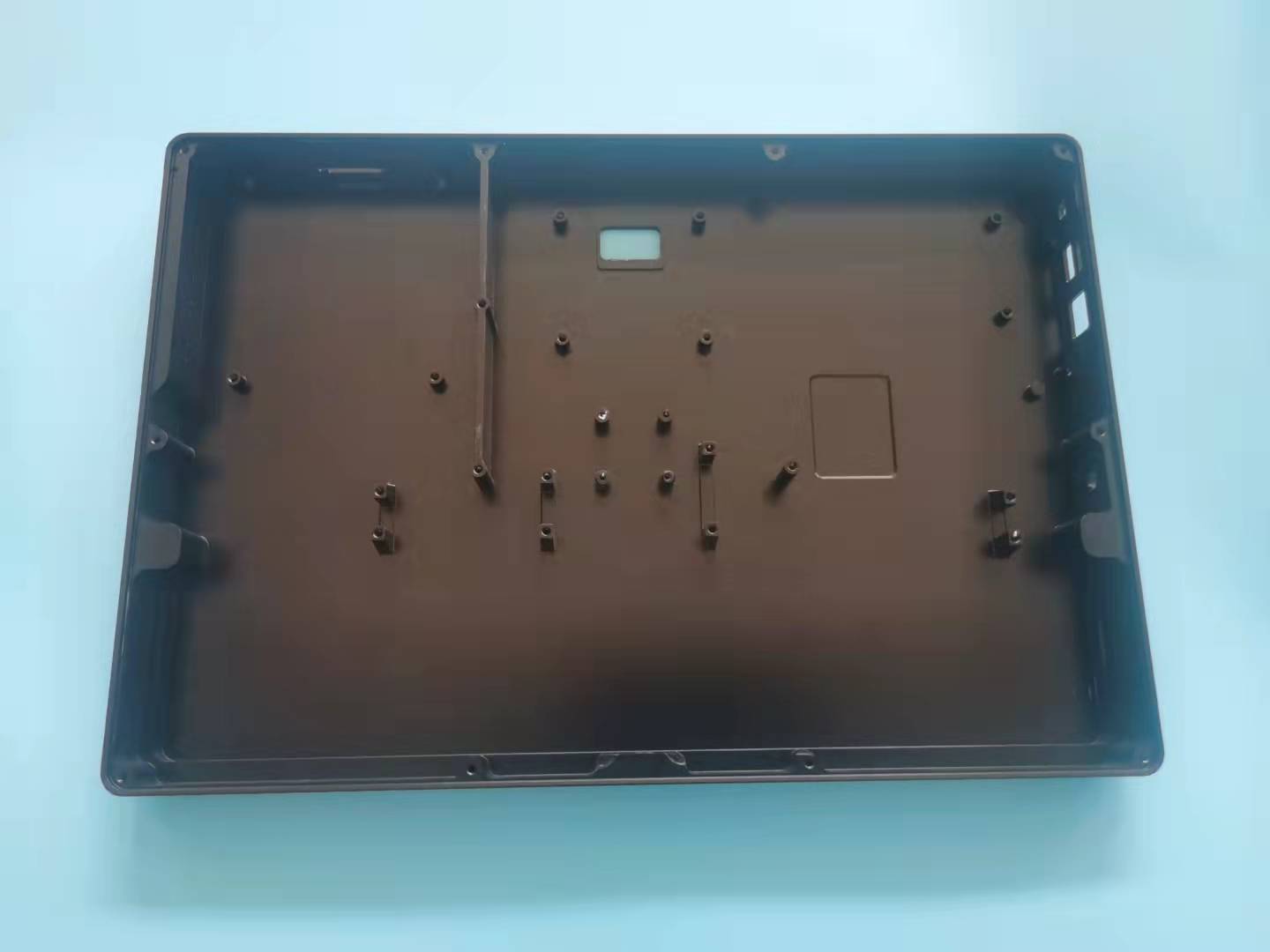
Request a Design for Manufacturability (DFM) Analysis: A good factory will proactively offer feedback on your design. Do they suggest slight modifications that reduce cost without compromising function? Do they identify potential tolerance stack-ups or machining challenges? This engineering support is invaluable.
Ask About Their Equipment Maintenance and Calibration Logs: Precision machines lose precision without rigorous maintenance. A professional factory will have a scheduled preventive maintenance program and regular calibration records for all critical equipment, including CMMs.
Inquire About Their Supply Chain for Raw Materials: Do they source certified material from reputable mills? Can they provide material certification reports (MTCs)? The quality of the part begins with the quality of the billet or bar stock.
Discuss Their Communication and Project Management Protocol: Who will be your single point of contact? How are engineering changes communicated and documented? What is their standard procedure for providing in-process quality reports?
Conclusion: The Partner, Not Just the Provider
Choosing a CNC machining precision parts service factory is ultimately about choosing a partner in your innovation. It’s about finding a team that brings not just machines, but manufacturing intelligence; not just a quote, but a collaborative solution; not just a certificate, but a deeply ingrained culture of quality.
The goal is to find a factory whose capabilities become a seamless extension of your own engineering department. This partnership allows you to focus on design and innovation, confident that the manufacturing execution is in expert hands. In an era where product complexity is soaring and timelines are shrinking, this collaborative model is no longer just an advantage—it’s a necessity for bringing groundbreaking ideas to market successfully. To see how this philosophy is put into practice on a global stage, you can learn more about the approach of industry leaders like those at GreatLight on LinkedIn{:target=”_blank”}.