
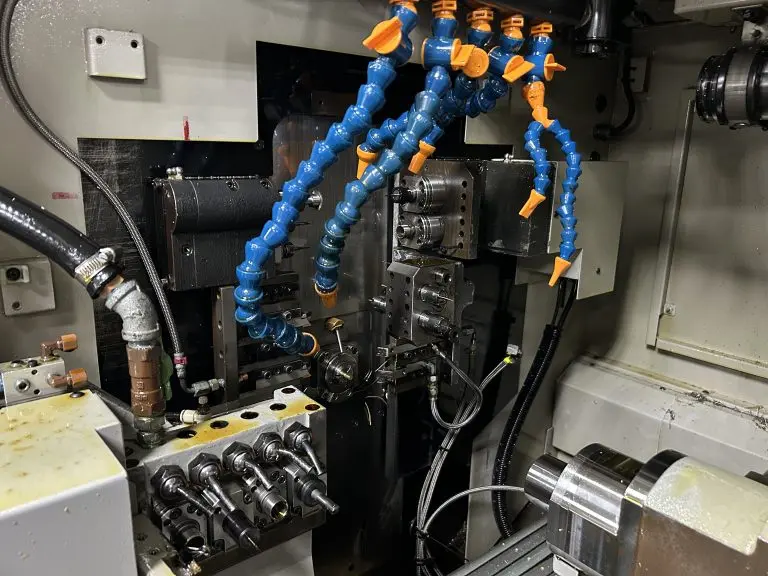
CNC Machining: A Comprehensive Guide to High-Volume Production
In today’s rapidly evolving manufacturing environment, precision and efficiency are critical. CNC (computer numerical control) machining is the best choice when producing large quantities of identical parts with exacting specifications. This guide delves into the complexities of high-volume CNC machining, exploring its benefits, key considerations, and best practices for optimal results.
Learn about high-volume CNC machining
High-volume CNC machining is the process of manufacturing large numbers of identical parts using computer-controlled machines. Unlike traditional machining, CNC machining utilizes pre-programmed software to control the movement and operation of cutting tools, resulting in unparalleled accuracy, repeatability and speed. This makes it ideal for mass production scenarios in different industries, including automotive, aerospace, medical device manufacturing, electronics, and consumer goods.
Advantages of high-volume CNC machining
Choosing CNC machining for high-volume production has many advantages that can increase efficiency, reduce costs, and improve product quality. Let’s take a look at some of the key advantages:
- Unparalleled precision and accuracy: CNC machines are known for their ability to consistently produce parts with extremely tight tolerances. This level of precision is critical for applications that require exacting fit and functionality, minimizing errors and waste during assembly.
- Excellent repeatability: Once a CNC program is perfected, hundreds or even thousands of parts can be copied perfectly. This repeatability ensures consistent quality and dimensional accuracy throughout the production process, reducing variability and improving overall product performance.
- Improve speed and efficiency: CNC machines operate at high speeds and can run continuously (often unattended) for extended periods of time. This automation significantly reduces cycle times and labor costs, thereby increasing production throughput and improving cost-effectiveness.
- Complex geometry functions: CNC machining can create complex shapes and geometries that are difficult or impossible to achieve with traditional machining methods. This design flexibility enables the production of complex parts with enhanced functionality and aesthetics.
- Reduce material waste: CNC machining optimizes material use by precisely cutting away excess material and minimizing waste. This efficient use of materials helps save costs and reduce the environmental impact of the manufacturing process.
- Material Versatility: CNC machines can machine a variety of materials, including metals (aluminum, steel, titanium), plastics, composites, and even wood. This versatility enables manufacturers to select the most appropriate material based on their specific application needs.
Key considerations for high-volume CNC machining
Successful high-volume CNC machining requires careful planning and consideration of several key factors. These include:
- Material selection: Choosing the right material is crucial. Factors such as strength, durability, workability, temperature resistance and cost must be carefully evaluated to ensure optimal performance and cost-effectiveness.
- Design for Manufacturability (DFM): DFM principles should be incorporated into part design to simplify the machining process and reduce production costs. This includes minimizing complex features, optimizing tool access, and ensuring adequate material support.
- Workwear selection: Choosing the right cutting tool is critical to achieving the desired surface finish, dimensional accuracy and tool life. Considerations include tool material, geometry, coatings and cutting parameters.
- Fixtures and workholding: Safe and stable workpiece fixtures are critical to maintaining part accuracy and preventing vibration during machining. Complex parts or high-volume production may require custom fixtures.
- Process optimization: Optimizing cutting parameters such as feed rate, spindle speed and depth of cut can significantly improve machining efficiency and shorten cycle times.
- Quality Control: Implementing robust quality control measures is critical to ensuring parts meet required specifications. This includes regular inspection and testing of parts throughout the production process.
- Machine maintenance: Regular maintenance and calibration of CNC machine tools is critical to maintaining accuracy and reliability. A preventive maintenance program should be developed and carefully followed.
- Automation integration: Consider automating the loading and unloading of parts to further reduce cycle time and labor costs. Robotic systems can be efficiently integrated into CNC machining cells for automated part handling.
- Software and Programming: Choose appropriate CAM (computer-aided manufacturing) software to generate CNC programs. Skilled programmers are needed to create efficient and accurate machining programs.
Optimize your high-volume CNC machining process
Achieving the best results in high-volume CNC machining requires a strategic approach that covers several key areas:
- Invest in advanced CNC equipment: Production efficiency and accuracy can be significantly improved by utilizing modern CNC machine tools with advanced features such as high-speed spindles, multi-axis capabilities and automatic tool changers.
- Implement lean manufacturing principles: Applying lean manufacturing principles, such as waste reduction, continuous improvement, and just-in-time inventory management, can streamline production processes and reduce costs.
- Embrace data analysis: Use data analytics to track key performance indicators (KPIs) such as cycle time, machine uptime and defect rates. Identifying trends and patterns can help optimize production processes and improve overall efficiency.
- Promote cooperation: Collaboration between design engineers, manufacturing engineers and machinists is encouraged to ensure parts are designed for manufacturability and the production process is optimized for efficiency and quality.
- Work with a reputable CNC machining service: Working with a reputable CNC machining service provider like GreatLight provides access to expertise, resources, and advanced equipment that may not be available in-house. Honglaite’s five-axis CNC machining capabilities, commitment to quality, and one-stop post-processing services make them an ideal partner for high-volume production needs.
in conclusion
High-volume CNC machining provides a powerful and versatile solution for producing high-volume precision parts. By understanding key considerations, optimizing production processes, and partnering with reliable CNC machining services, manufacturers can leverage the benefits of CNC technology to increase efficiency, reduce costs, and improve product quality. As manufacturing needs continue to evolve, CNC machining undoubtedly remains a key technology for companies seeking to maintain a competitive advantage. GreatLight is ready to meet your precision metal part manufacturing needs, offering advanced five-axis CNC machining, comprehensive post-processing, and rapid customization for a variety of materials. Contact us today to discuss your next project.
Honglait 5-axis CNC machining now customizes your precision parts at the best price!
Frequently Asked Questions (FAQ)
Q: What is the typical lead time for high-volume CNC machining projects?
A: Lead times for high-volume CNC machining projects may vary depending on factors such as part complexity, material availability, and machine capacity. However, with proper planning and effective process management, lead times can be significantly reduced.
Q: What types of materials can be used for high-volume CNC machining?
A: CNC machining can be used on a variety of materials, including aluminum, steel, stainless steel, titanium, plastics, composites, and even wood. Material selection depends on specific application requirements.
Q: How much does high-volume CNC machining cost?
A: The cost of high-volume CNC machining depends on a variety of factors, including part complexity, material cost, machining time and tooling costs. It is recommended to obtain quotes from multiple CNC machining service providers to ensure competitive pricing.
Q: What are the differences between 3-axis, 4-axis, and 5-axis CNC machining?
Answer: 3-axis CNC machining moves the cutting tool along three linear axes (X, Y, and Z), while 4-axis adds a rotary axis, allowing for the machining of more complex geometries. 5-axis CNC machining provides greater flexibility by adding two axes of rotation, enabling the creation of complex shapes and undercuts.
Q: How to choose a suitable CNC machining service provider?
Answer: When choosing a CNC machining service provider, factors such as experience, equipment capabilities, quality control processes, and customer service should be considered. Look for a supplier with a proven track record of delivering high-quality parts on time and within budget.
Q: What are the common surface finishes for CNC machined parts?
A: Common surface treatments for CNC machined parts include machining, sandblasting, anodizing, powder coating and electroplating. The choice of surface finish depends on the desired aesthetic and functional requirements.
Q: How to improve the design of CNC machined parts?
A: Incorporating design for manufacturability (DFM) principles into part design can significantly improve the efficiency and cost-effectiveness of CNC machining. This includes minimizing complex features, optimizing tool access, and ensuring adequate material support.
Q: What post-processing services are available for CNC machined parts?
A: A variety of post-processing services are available for CNC machined parts, including deburring, polishing, surface finishing, heat treatment and assembly. These services enhance the aesthetic and functional properties of the part.



















