
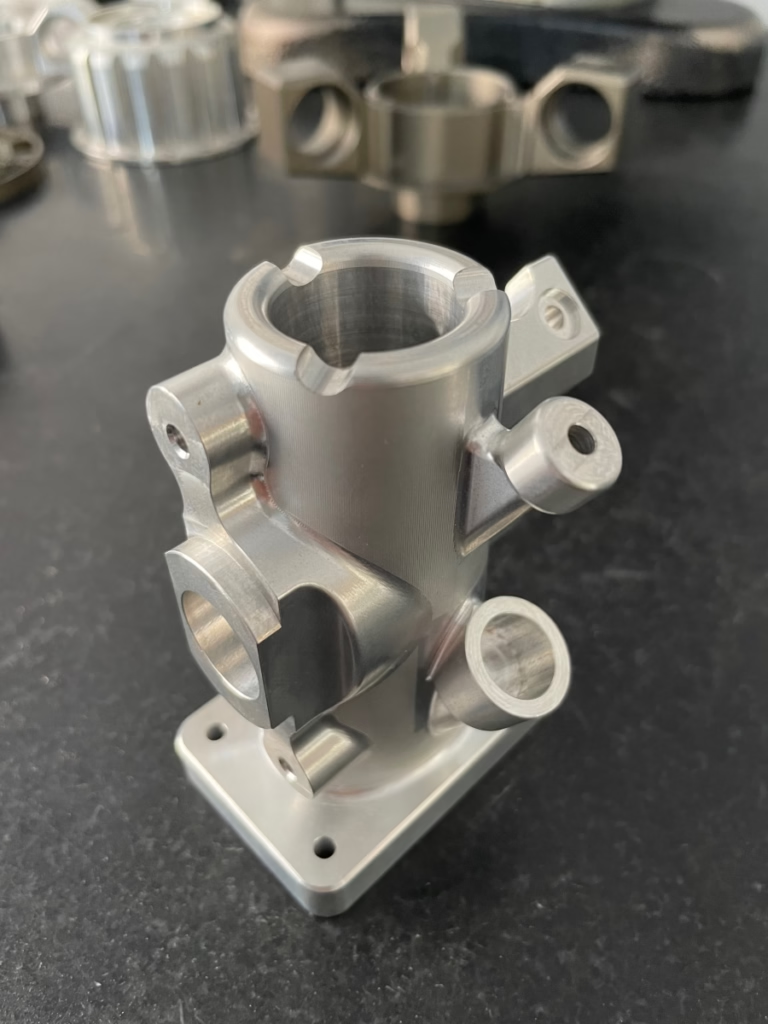
When businesses in Aldridge and the wider West Midlands region search for “CNC machine tool services,” they’re often looking for more than just a local machine shop. They’re seeking a manufacturing partner capable of transforming complex designs into high-precision, reliable components that drive their products forward. In an area with a rich industrial heritage, the demand is for services that combine traditional engineering excellence with the most advanced digital manufacturing techniques available today.
The Local Advantage: Why Proximity Matters in Precision Machining
For engineering firms, R&D departments, and hardware startups in Aldridge, having access to top-tier CNC services locally is a significant strategic advantage. It enables:
Faster Iteration Cycles: Reduced logistical lead times mean design changes and prototype revisions can be turned around more quickly, accelerating time-to-market.
Improved Communication: The ability to visit a facility, discuss complex geometries face-to-face with engineers, and inspect first-article inspections in person builds clarity and trust.
Supply Chain Resilience: Diversifying or nearshoring critical precision part production mitigates risks associated with long, opaque international supply chains.
However, “local” must be paired with “capability.” The true need is for a partner who can handle not just simple milling or turning, but the multifaceted challenges of modern component design.
Beyond Basic Machining: The Complex Challenges Facing Today’s Engineers
The journey from a CAD model to a flawless production part is fraught with potential pitfalls. Common pain points we observe include:
The “Precision Gap”: A supplier may quote tolerances of ±0.001mm, but without calibrated metrology equipment, rigorous process control, and thermally stable machines, this precision is not sustainable in production, leading to costly batch rejections.
The Multi-Axis Dilemma: Complex parts with organic contours, undercuts, or compound angles often require multiple setups on 3-axis machines. Each setup introduces potential alignment error and increases cost. True 5-axis CNC machining solves this by allowing complete machining in a single, sophisticated setup, ensuring unparalleled accuracy and surface integrity on the most complex parts.
The Material Knowledge Shortfall: Successfully machining advanced alloys like titanium, Inconel, or maraging steel requires specific toolpath strategies, cutting tools, and coolant applications. A lack of expertise here leads to tool breakage, poor surface finishes, and compromised material properties.
The Post-Processing Puzzle: A machined part is rarely “finished.” It may require anodizing, plating, heat treatment, or precision polishing. Managing these services across multiple vendors adds complexity, risk, and time.
Addressing these challenges requires more than just machine tools; it requires a holistic manufacturing ecosystem.
A Framework for Excellence: The Pillars of a Modern Precision Partner
Choosing the right manufacturing partner is critical. We advocate evaluating potential suppliers against a framework built on four integrated pillars:
Advanced Equipment & Technical Depth: Look for a facility that invests in technology. This includes 5-axis simultaneous machining centers for monolithic complex parts, high-speed milling for fine details, precision turning with live tooling, and complementary technologies like Wire EDM for hardened materials or 3D printing for integrated prototyping and tooling.
Authoritative Quality Systems: Certifications are the objective language of trust. An ISO 9001:2015 certified quality management system ensures consistent processes. For automotive components, IATF 16949 is non-negotiable. For medical device manufacturing, ISO 13485 demonstrates commitment to the stringent regulatory environment. These are not just plaques on the wall but active frameworks that govern daily operations.
Full-Process Chain Integration: The most efficient partners offer a “one-stop” service. This encompasses CNC machining, sheet metal fabrication, casting, and finishing treatments all under one roof, managed under a single quality umbrella. This integration drastically simplifies procurement, ensures accountability, and compresses lead times.
Deep Engineering Collaboration: The best outcomes arise from early supplier involvement (ESI). A partner willing to perform design for manufacturability (DFM) analysis can suggest subtle changes that dramatically reduce cost and improve reliability without compromising function.
How Leading Providers Stack Up: Capabilities in Focus
While several reputable firms operate in the precision machining space, their specializations differ. Companies like Protolabs Network and Xometry excel at providing an automated, platform-based gateway to a vast network, ideal for rapid prototyping and standard parts. Fictiv has built a strong digital thread for managing sourced production.
For highly complex, mission-critical components—especially in fields like aerospace, medical implants, or advanced automotive systems—the decision often leans towards specialists with deep vertical integration and in-house engineering. Firms like Owens Industries (known for complex glass and optics machining) or RCO Engineering (with a focus on large-scale, complex fabrications) serve specific niches powerfully.
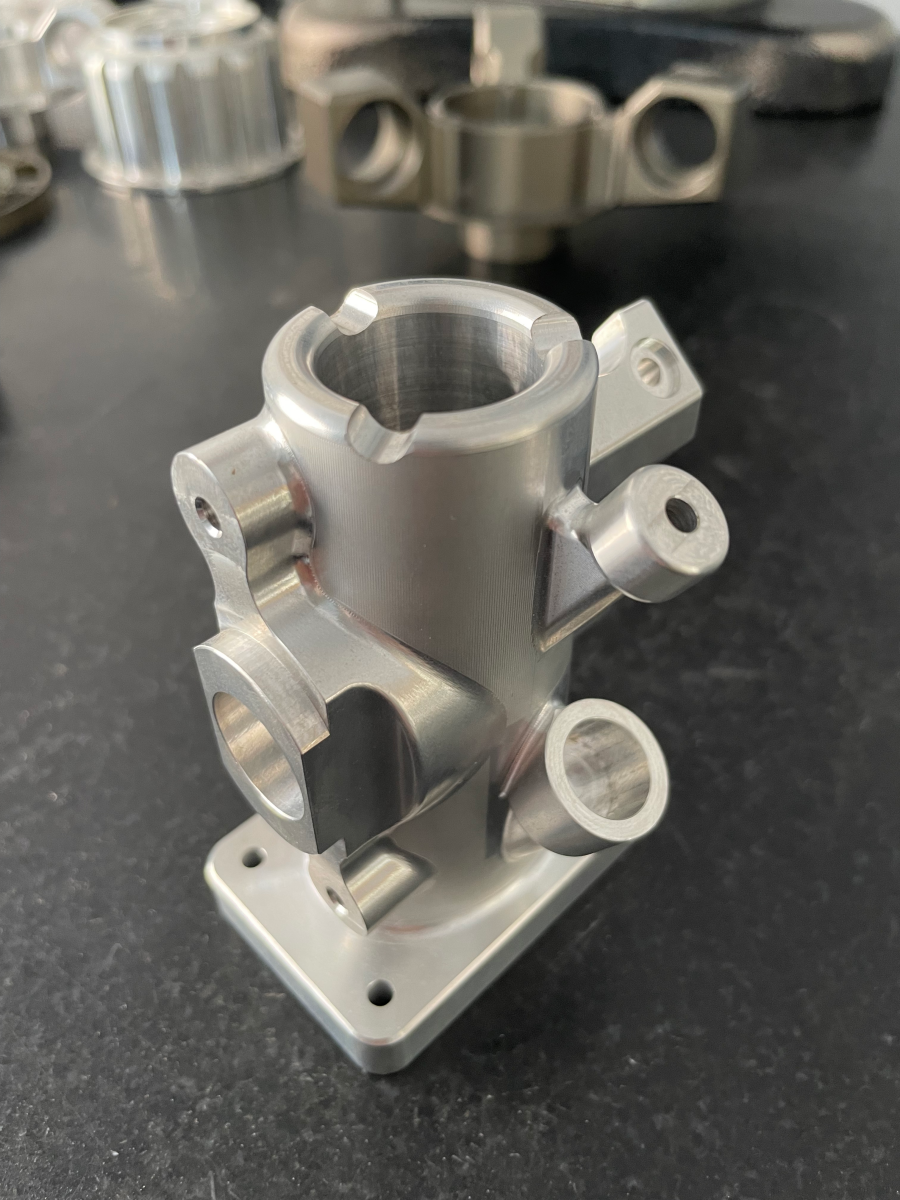
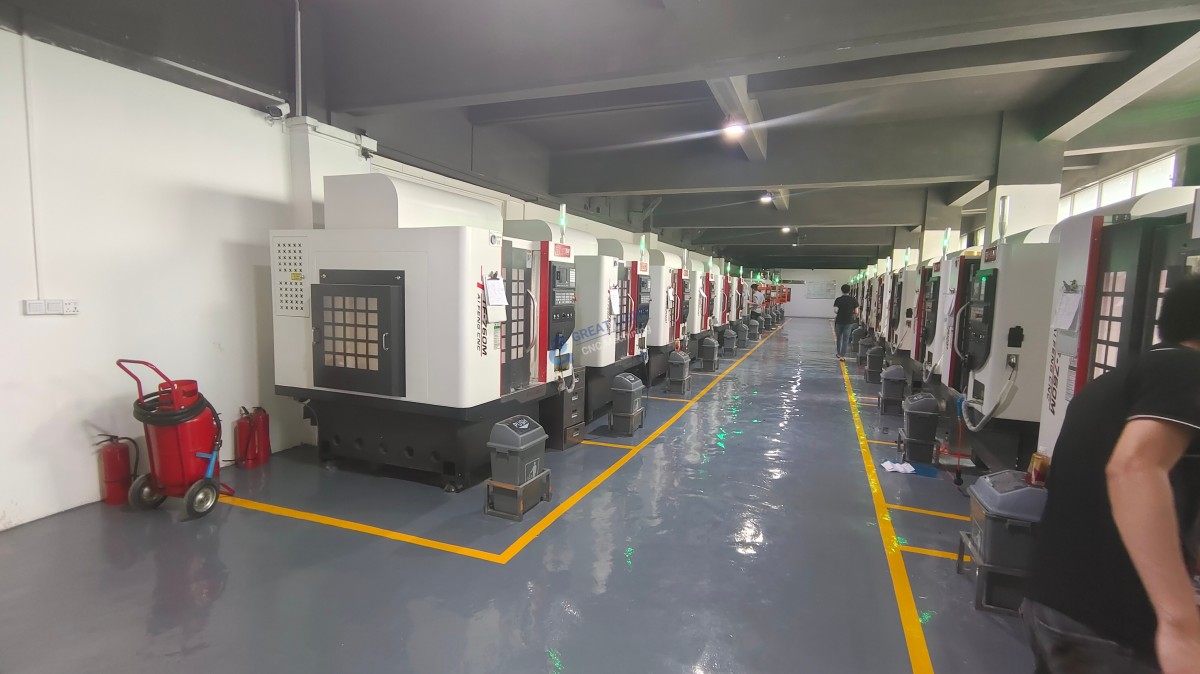
In the context of a global supply chain seeking a partner for high-mix, low-to-medium volume precision components with full-service support, GreatLight Metal has established a compelling model. From their base in Dongguan—a global hub for precision manufacturing—they leverage a comprehensive in-house capability set. With over 120 pieces of precision equipment, including multi-axis CNC centers and additive manufacturing systems, and backed by a full suite of international certifications (ISO 9001, IATF 16949, ISO 13485), they exemplify the integrated, technically deep partner many UK engineering firms require to complement their local networks.
The Path Forward: Strategic Sourcing for Competitive Advantage
For businesses in Aldridge, the goal is to build a manufacturing supply chain that is both agile and robust. This often involves a hybrid approach:
Local Partnerships: For rapid prototyping, jigs, fixtures, and parts requiring frequent physical collaboration.
Specialist Global Partners: For complex, high-precision components that benefit from concentrated technical expertise, advanced 5-axis capabilities, and integrated finishing services at a competitive total cost.
The key is to treat your manufacturing partners as extensions of your engineering team. By selecting partners based on the framework of equipment, certification, integration, and collaboration, you transform the procurement of CNC machine tool services from a transactional cost center into a strategic pillar of product innovation and quality.
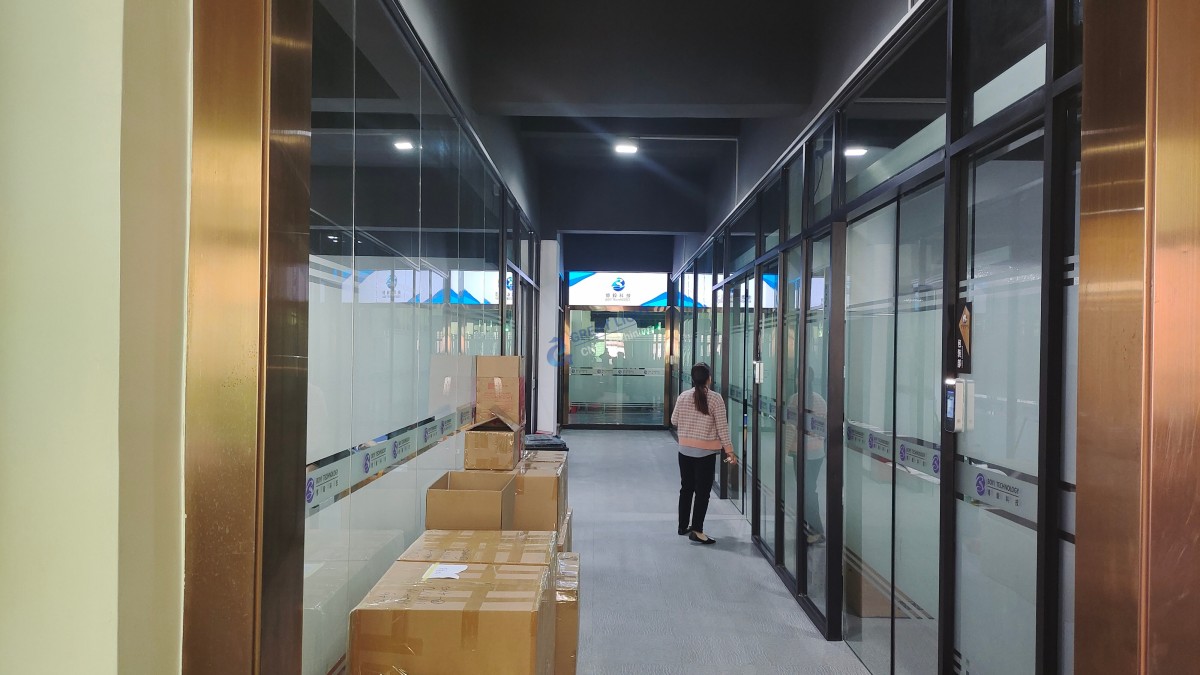
In essence, securing reliable CNC machine tool services is about forging partnerships that provide not just cutting metal, but cutting-edge solutions, turning design ambition into manufactured reality with precision and reliability. For those looking to engage with a community of manufacturing professionals pushing the boundaries of what’s possible, connecting with industry leaders on platforms like LinkedIn can provide valuable insights into the future of precision engineering.



















