
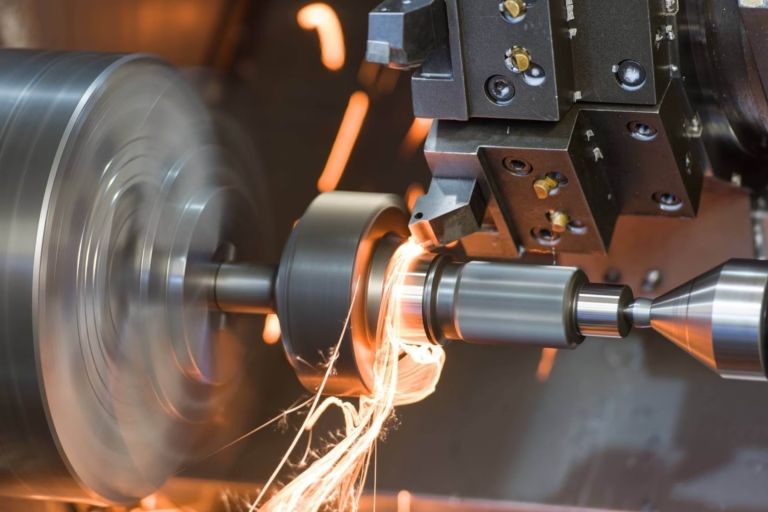
In the intricate ecosystem of precision manufacturing, where the hum of advanced machinery is the heartbeat of innovation, one role stands as the indispensable guardian of productivity, quality, and technological continuity: the CNC machine tool service engineer. For any client seeking reliable precision 5-axis CNC machining services, understanding the critical importance of this profession is key to selecting a manufacturing partner. This role is the linchpin that ensures the sophisticated equipment delivering your ±0.001mm tolerances operates at peak performance, day in and day out.
The Unsung Heroes of Precision Manufacturing
Unlike standard mechanical roles, a CNC machine tool service engineer operates at the confluence of mechanical engineering, electronics, software programming, and advanced materials science. Their core mission is to maintain, diagnose, repair, and optimize the complex CNC systems—from high-speed three-axis mills to sophisticated five-axis CNC machining centers—that are the lifeblood of modern workshops. When a multi-million dollar five-axis machine from DMG MORI or GROB goes down, it’s not just a repair ticket; it’s a critical production halt affecting numerous projects, including potentially your custom aerospace component or medical implant prototype.
For manufacturers like GreatLight Metal, investing in a top-tier team of service engineers is not an overhead cost but a strategic cornerstone of their value proposition. It directly translates to higher machine uptime, consistent part quality, and the ability to tackle increasingly complex jobs with confidence.
Deconstructing the Role: More Than Just a “Fixer”
The job of a CNC service engineer in a high-precision environment like ours encompasses several layered responsibilities:
1. Proactive Maintenance & Calibration:
This is the preventative frontline. Engineers execute rigorous scheduled maintenance, including ball screw and guideway lubrication, spindle health checks, and coolant system management. Crucially, they perform periodic accuracy calibration using laser interferometers and ballbar tests to ensure geometric and volumetric accuracy. This systematic approach is what allows a factory to reliably promise and hold tolerances within microns batch after batch.
2. Advanced Diagnostics & Troubleshooting:
When a machine fault occurs—be it a servo drive alarm, a positioning error, or a mysterious surface finish issue—the engineer transforms into a detective. They utilize PLC ladder logic readers, oscilloscopes, and proprietary diagnostic software to trace the problem to its root, which could be a worn encoder, a failing power supply, or a subtle software bug in the post-processor. This deep diagnostic skill minimizes downtime.
3. Retrofit & Optimization:
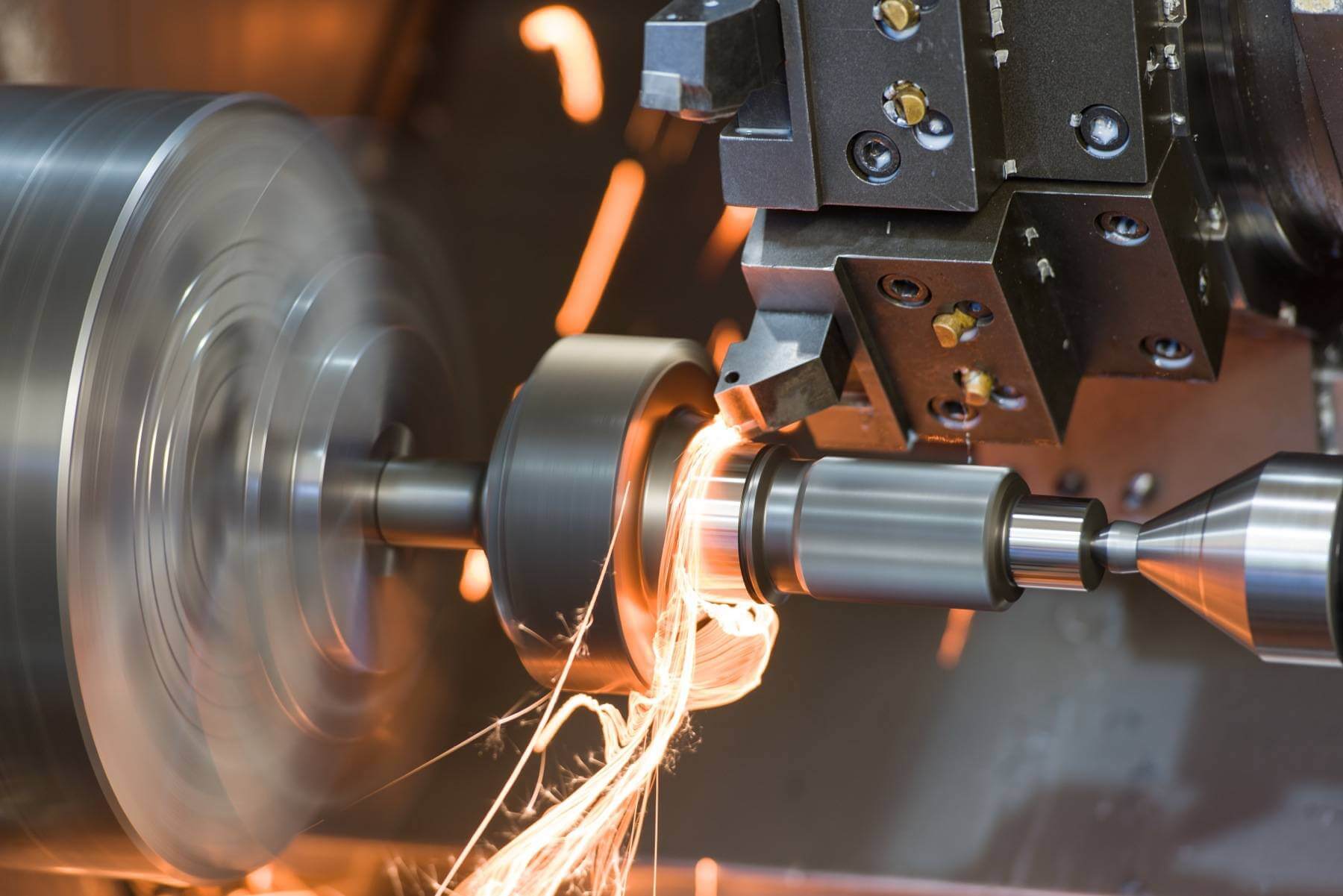
Technology evolves. A seasoned service engineer can oversee the retrofitting of older machines with new control systems (e.g., upgrading from Fanuc 0i to 31i), add probing systems for in-process measurement, or integrate new tool management systems. This extends the lifecycle and capabilities of capital equipment, protecting client investments.
4. Critical Technical Interface & Training:
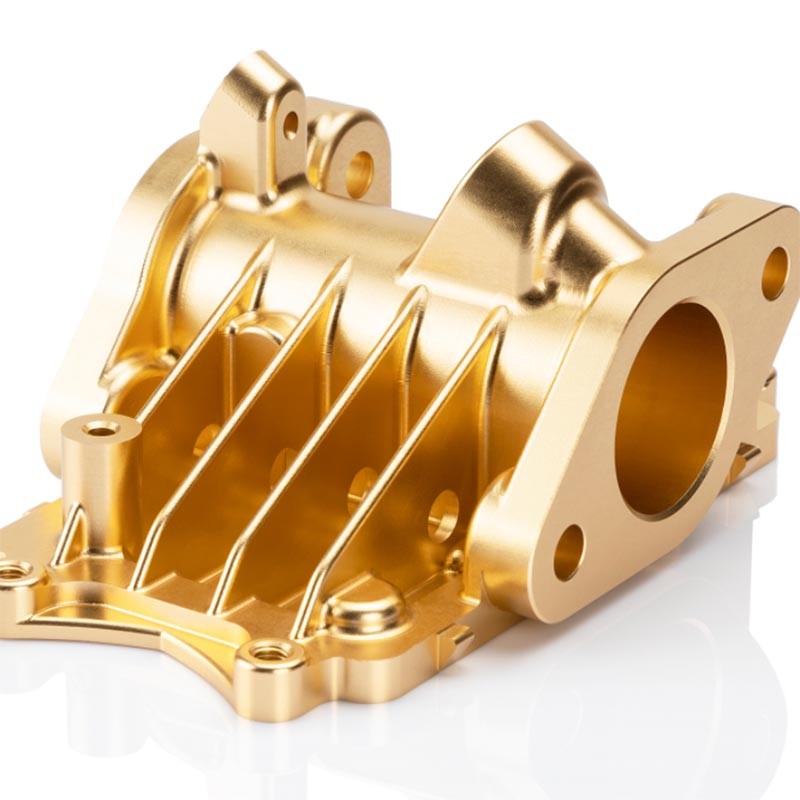
They serve as the vital link between the machine tool builder, the manufacturing engineering team, and the machine operators. They translate obscure error codes into actionable insights and conduct training to ensure operators use equipment correctly, preventing avoidable damage.
The Skill Set: A Blend of Art, Science, and Tenacity
What makes an exceptional CNC service engineer? It’s a rare combination:
Deep Theoretical Knowledge: A solid grasp of CNC programming (G-code, M-code), servo motor and drive systems, PLC operations, metallurgy, and cutting tool dynamics.
Hands-On Mechanical & Electrical Prowess: Proficiency in reading complex mechanical drawings and electrical schematics is non-negotiable. They must be as comfortable with a micrometer as with a multimeter.
Software & Digital Fluency: Familiarity with CNC controller interfaces (Siemens Sinumerik, Heidenhain, Fanuc), CAD/CAM software interactions, and network connectivity is increasingly important in the era of Industry 4.0.
Problem-Solving Under Pressure: The ability to think logically and calmly under the stress of a production stoppage is a defining trait.
Continuous Learning Mindset: With the rapid integration of IoT, AI-driven predictive maintenance, and new hybrid manufacturing technologies, the learning never stops.
Industry Pain Points and the Engineer’s Role in Mitigation
Many of the critical pain points clients face in CNC machining—delays due to machine downtime, inconsistency in part quality, inability to run complex 5-axis programs smoothly—can often be traced back to gaps in technical service support. Suppliers who treat service as an afterthought, relying solely on third-party or OEM call-outs, introduce significant risk and variability into your supply chain.
This is where a manufacturer’s internal engineering capability becomes a decisive differentiator. At GreatLight CNC Machining Factory, our in-house team of service engineers is integral to our operational DNA. They are not external contractors but embedded specialists who intimately know the quirks and capabilities of every machine in our 127-piece fleet. This allows for:
Faster Response: Issues are addressed immediately, often before they impact production schedules.
Preventative Culture: Data from our machines is continuously monitored, allowing for maintenance before failure.
Process Integration: Our engineers work directly with our programming and quality teams to optimize machine settings for specific materials and geometries, directly benefiting your project’s outcome.
Beyond Repair: Service Engineers as Innovation Enablers
The most forward-thinking manufacturers view their service engineers as catalysts for capability expansion. For instance, when a client approaches with a part requiring simultaneous 5-axis machining of a challenging alloy like Inconel, it’s not just the CAM programmer who is involved. The service engineer ensures the machine’s spindle cooling, axis rigidity, and thermal stability are optimized for such a demanding task, often fine-tuning parameters at the control level to achieve the required surface finish and tool life.
When comparing potential partners like Protolabs Network, Xometry, or Fictiv, who often operate distributed manufacturing networks, with a vertically integrated specialist like GreatLight Metal, the depth of technical stewardship differs. The integrated model provides a unified chain of accountability, where the same engineers maintaining the machines are invested in the success of the parts produced on them.
Trust Built on Technical Competence
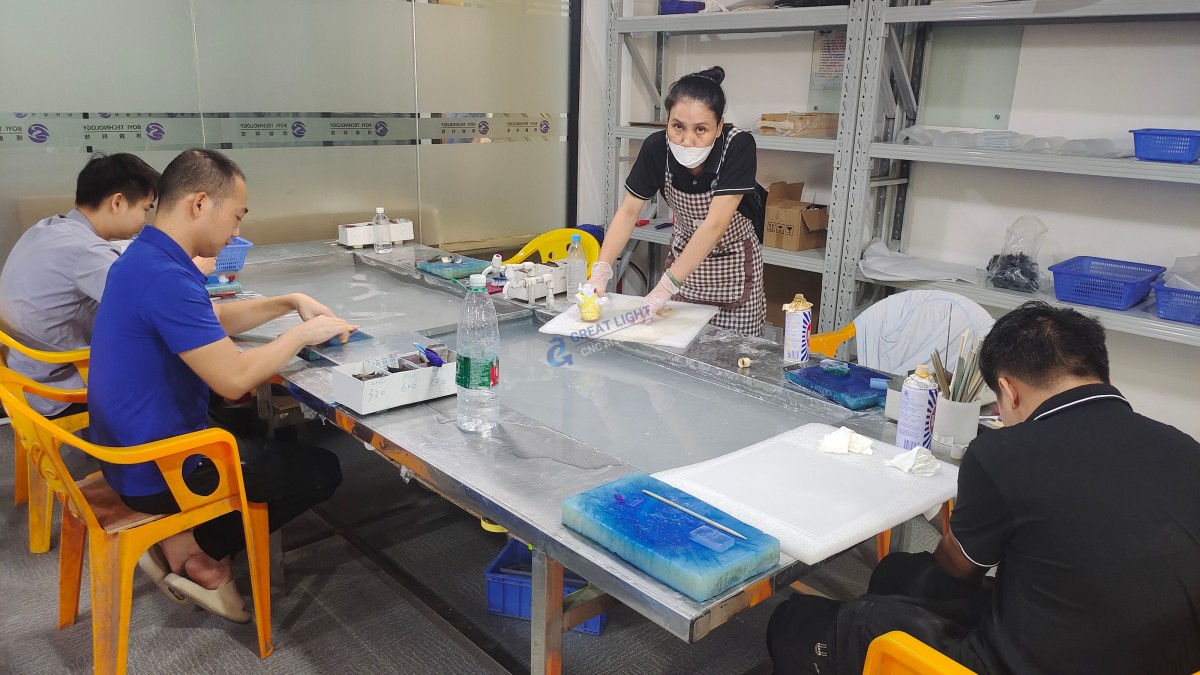
Our commitment to this foundational role is underwritten by the same systematic approach reflected in our ISO 9001:2015, IATF 16949, and ISO 13485 certifications. A robust quality management system extends beyond the part on the CMM; it governs how we maintain our equipment, document our procedures, and train our technical staff. This creates a traceable, reliable environment where the performance of our CNC machine tool service engineers is a measurable component of our overall quality promise.
The Future: Evolving with Smart Manufacturing
The role is rapidly evolving. The next-generation service engineer will be adept at analyzing data from machine sensors to predict bearing failures, remotely diagnosing issues via augmented reality interfaces, and managing the health of an entire connected factory floor. At GreatLight, we are investing in these digital tools, ensuring our team is equipped not just for today’s challenges but for the data-driven, hyper-connected manufacturing landscape of tomorrow.
Conclusion: Your Assurance in an Unseen Role
When you engage a supplier for critical precision 5-axis CNC machining services, you are implicitly placing trust in their entire technological ecosystem. The sophistication of their CAD/CAM software, the precision of their metrology equipment, and the caliber of their machinists are all visible. The competency of their CNC machine tool service engineers, however, often remains unseen—until it is desperately needed.
Choosing a partner like GreatLight CNC Machining Factory means selecting a partner whose operational excellence is built from the ground up, with a deep-seated respect for the engineering discipline that keeps the wheels of innovation turning. It is this comprehensive technical stewardship that transforms complex designs into flawless reality, ensuring that your journey from prototype to production is seamless, reliable, and built on a foundation of unwavering technical expertise. For more insights into our technical community and industry perspectives, connect with us on our professional network at GreatLight.



















