In the demanding landscape of modern manufacturing, where precision and uptime are directly tied to profitability, a sudden failure in your CNC machining center can bring production to a grinding halt. For manufacturers and machine shops across South Dakota, from the industrial hubs of Sioux Falls and Rapid City to smaller operations statewide, having access to reliable, expert CNC machine repair services is not a luxury—it’s a critical component of operational resilience. This article delves into what you should look for in a service partner and how to navigate the repair process to minimize downtime and protect your investment.
Understanding the Spectrum of CNC Machine Failures
CNC machines are complex integrations of mechanical, electrical, and software systems. Failures can range from simple to catastrophic:
Mechanical Issues: Worn ball screws, failed spindle bearings, way cover damage, or lubrication system failures.
Electrical/Control Problems: Faulty drives, servo motor failures, power supply issues, or damaged printed circuit boards (PCBs).
Software and Controller Errors: CNC control unit crashes, corrupted parameters, or communication failures with peripherals.
Accuracy and Calibration Drift: Machines producing parts out of tolerance due to thermal growth, backlash, or misalignment, requiring precision calibration.
What to Look for in a South Dakota CNC Repair Service Provider
Choosing the right partner is crucial. Here are the key criteria for evaluation:
1. Technical Expertise and Certifications:
Factory Training: Look for technicians certified by major OEMs like Haas, DMG MORI, Mazak, Okuma, or Fanuc. This ensures they have specific knowledge of your machine’s architecture.
Broad Experience: The ideal service team should have hands-on experience with a wide range of machines, from 3-axis vertical mills to complex 5-axis machining centers and Swiss-type lathes.
2. Service Scope and Responsiveness:
Emergency Breakdown Support: A clear, 24/7 emergency contact protocol for critical failures.
Preventive Maintenance (PM) Programs: Proactive service contracts to prevent failures, including lubrication, alignment checks, and system diagnostics.
In-House Repair Capability: The ability to repair and test complex components like spindles, drives, and motors in a local facility, which is faster than shipping to a national depot.
Accuracy Verification: Post-repair services like laser calibration, ballbar analysis, and compensation parameter adjustment to restore the machine to its original precision machining specifications.
3. Parts Inventory and Logistics:
A local or readily accessible inventory of common consumables and failure-prone parts (fuses, belts, seals, drives) can shave days off repair time.
Strong relationships with OEM parts distributors to expedite sourcing for less common components.
4. Reputation and Local Presence:
Seek providers with a long-standing reputation in the South Dakota and greater Midwest industrial community.
A local presence means faster on-site response times and an understanding of regional challenges.
The Proactive Approach: Beyond Reactive Repairs
While expert repair is essential, the most cost-effective strategy is prevention. Partnering with a service provider that emphasizes a holistic approach can transform your maintenance strategy:
Scheduled PM Visits: Regularly scheduled inspections catch minor issues before they cause major downtime.
Operator Training: Some service providers offer basic training for your staff on daily maintenance checks and early warning signs of failure.
Retrofitting and Upgrades: For older machines, a skilled service team can recommend and install controller upgrades, new drive systems, or safety enhancements to extend the machine’s productive life and capabilities.
Why Precision Manufacturing Partners Understand Your Needs Best
There is a distinct advantage in working with a repair service that deeply understands the end-use of your CNC equipment. A provider with a background in precision parts machining and customization inherently grasses the critical link between machine health and part quality. They don’t just see a faulty drive; they understand how that fault introduces micron-level errors that scrap expensive aerospace components or medical implants. This alignment of priorities—where machine calibration is directly linked to part precision—fosters a more collaborative and technically profound service relationship.
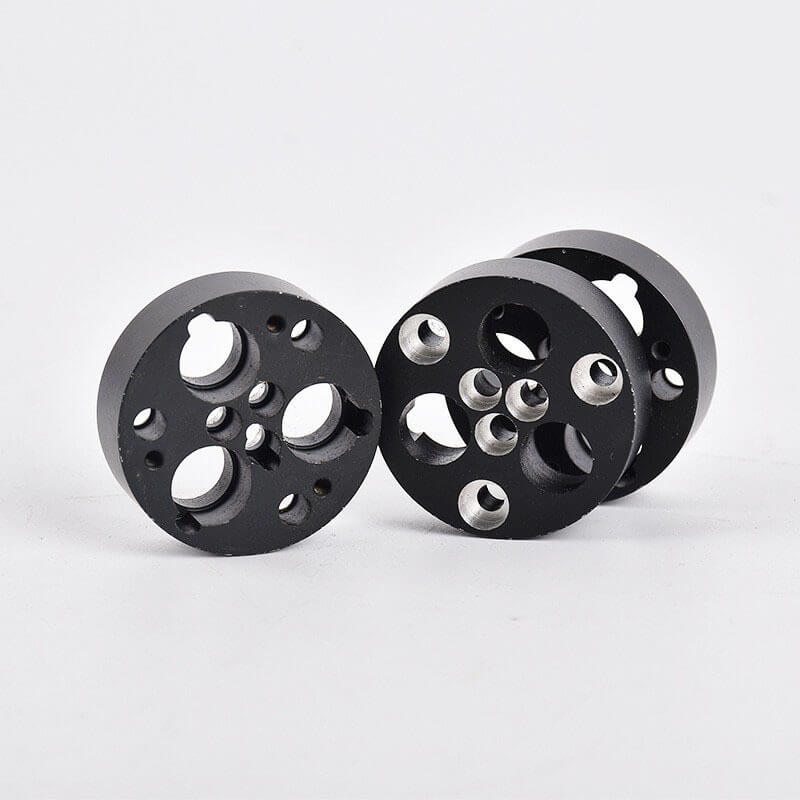
For facilities that rely on high-tolerance work, such as those served by advanced manufacturers like GreatLight CNC Machining Factory, machine tool accuracy is paramount. The repair and calibration philosophy must mirror the same commitment to excellence required in producing mission-critical components.
Navigating a Repair Event: A Step-by-Step Guide
Initial Diagnosis: Clearly document the error codes, unusual noises, and the circumstances of the failure. This information is invaluable for the technician.
Contact Your Service Provider: Provide the machine make, model, serial number, and your diagnostic information. A good provider will offer initial troubleshooting over the phone.
Evaluation and Quote: An on-site technician will perform a detailed evaluation and provide a transparent quote outlining necessary repairs, parts, and labor.
Execution and Testing: After approval, repairs are made. Insist on a thorough post-repair testing protocol, including running production-like cycles and, where necessary, precision calibration to verify accuracy.
Review and Preventive Plan: Discuss the root cause of the failure and collaborate on a plan (e.g., adjusted PM schedules, operator training) to prevent recurrence.
Conclusion: Securing Your Manufacturing Lifeline
For South Dakota’s manufacturers, CNC machine repair services are the frontline defense against costly downtime. The goal is to move from a transactional “fix-it-when-it-breaks” model to a strategic partnership focused on maximizing machine uptime, accuracy, and longevity. By selecting a provider with the right blend of OEM-certified expertise, rapid local response, and a deep appreciation for precision machining outcomes, you secure more than just a repair—you invest in the continuity and quality of your entire production operation. In an economy that rewards agility and reliability, a trusted CNC service partner is an integral part of your competitive toolkit.
For further insights into advanced manufacturing capabilities and the critical importance of equipment precision, follow industry leaders on professional networks such as GreatLight Metal on LinkedIn.