
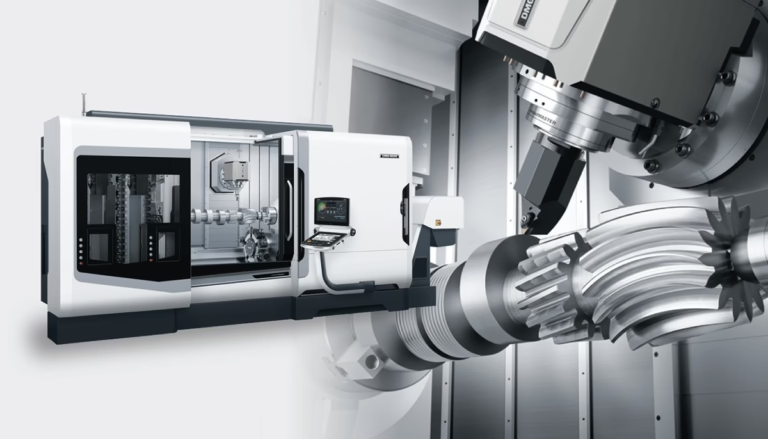
In the dynamic and demanding manufacturing landscape of Dallas-Fort Worth, where industries from aerospace to energy and medical devices converge, the precision of your equipment is non-negotiable. For any facility relying on CNC machinery, the question isn’t if calibration is needed, but when and how to ensure it’s done to the highest standard. This is where specialized CNC machine calibration services in Dallas, TX, become a critical pillar of operational integrity, directly impacting part quality, machine longevity, and ultimately, your bottom line.
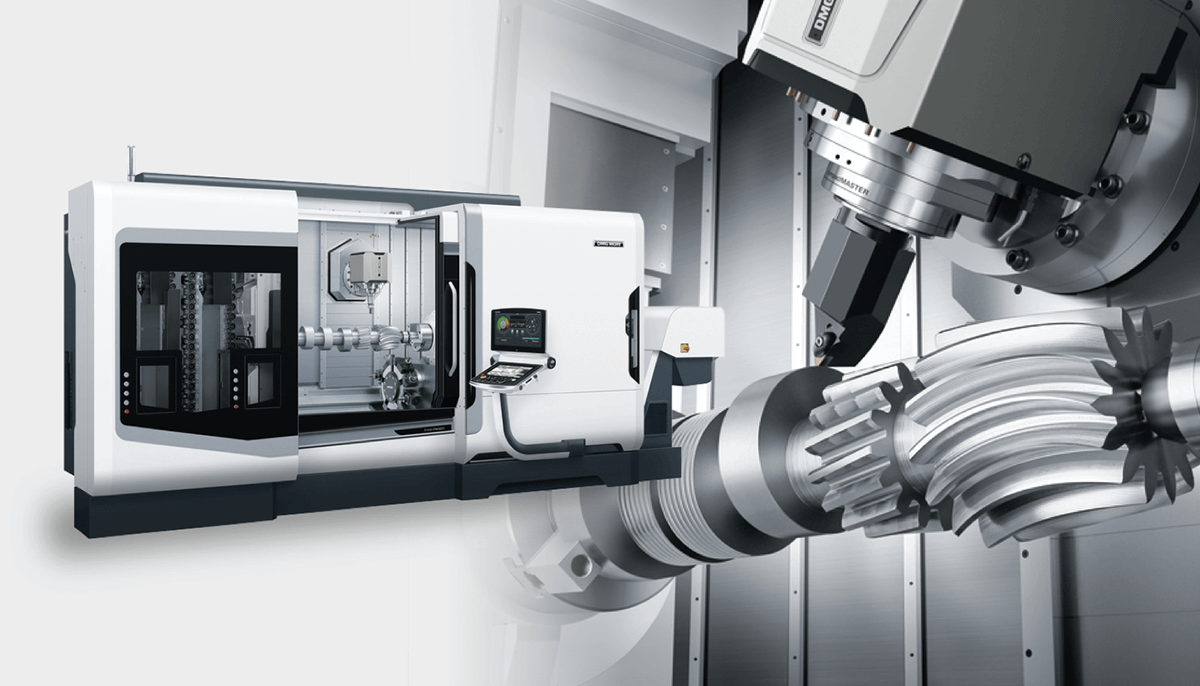
Why Precision Calibration is the Bedrock of Manufacturing in DFW
CNC machines are marvels of engineering, but they are not infallible. Over time, factors like thermal fluctuations, mechanical wear, vibration, and even routine maintenance can cause microscopic deviations in their positioning and geometric accuracy. In a region like Dallas, serving high-stakes sectors, these deviations are not mere inconveniences; they are potential sources of catastrophic failure.
Aerospace & Defense: A misaligned fifth axis on a milling machine could mean a turbine blade airfoil is out of spec, compromising engine performance and safety.
Medical Device Manufacturing: For surgical tools or implant components, dimensional inaccuracies measured in microns can render a part non-functional or, worse, unsafe for patient use.
Oil & Gas Equipment: Components for downhole tools or valves must withstand extreme pressures and environments. Inaccurate machining can lead to premature failure with significant operational and financial consequences.
Prototyping & R&D: When developing a new product, you need absolute confidence that your prototype parts reflect your design intent perfectly. Uncalibrated machines introduce variables that can obscure true design performance.
Regular, professional calibration transforms your CNC equipment from a “black box” of potential error into a verified and reliable production asset. It’s the process of measuring the machine’s actual performance against its commanded movements and making precise adjustments to bring it back into alignment with international standards.
The Core Components of a Comprehensive CNC Calibration Service
A reputable service provider in Dallas won’t just perform a quick laser check. They should offer a systematic approach that typically includes:
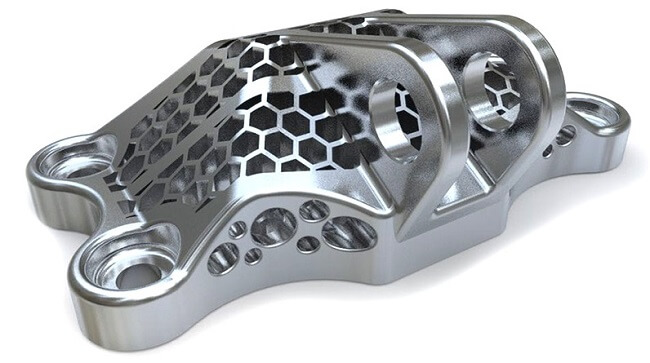
1. Geometric Accuracy Assessment:
This is the foundation. Using laser interferometers, electronic levels, and precision straightedges, technicians measure critical geometric errors:
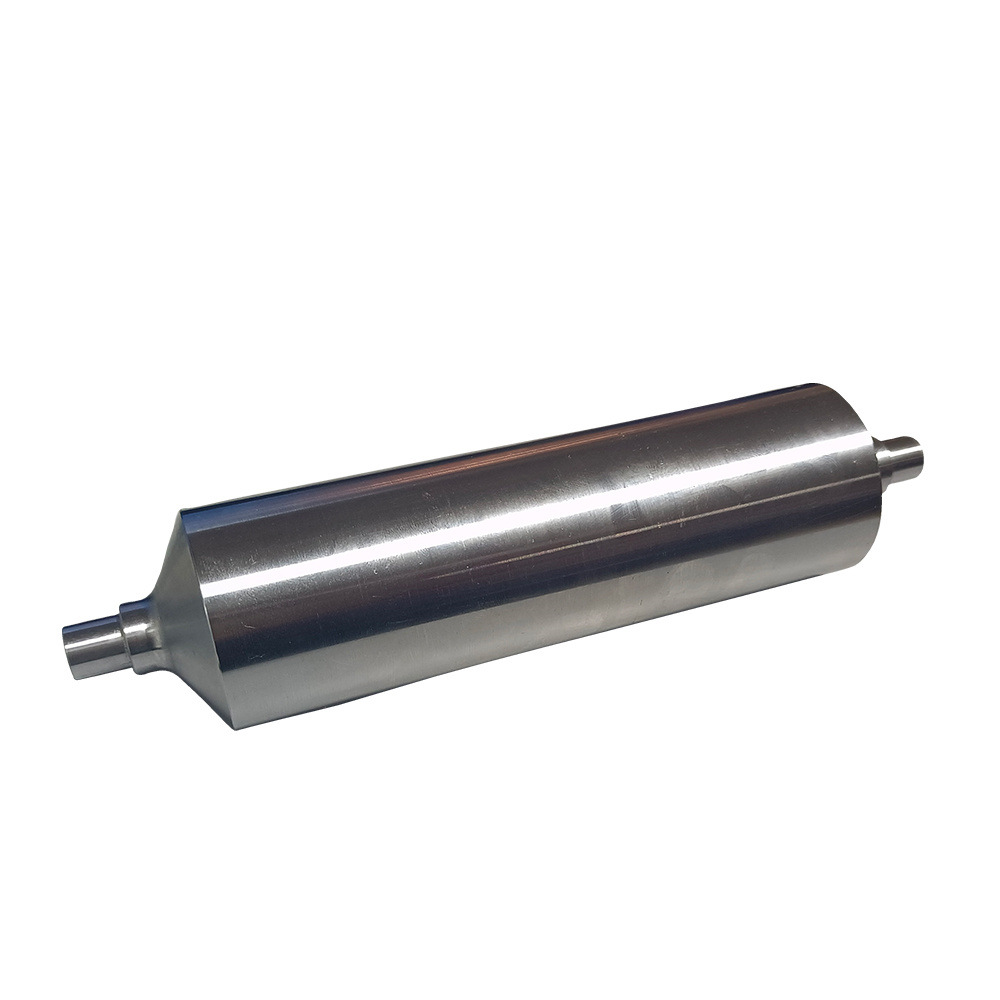
Linear Positioning Accuracy: How accurately the machine moves along each linear axis (X, Y, Z).
Straightness & Flatness: Deviations from a perfect straight line or plane as the axes move.
Squareness: The perpendicularity between axes (e.g., is the Y-axis truly 90 degrees to the X-axis?).
Pitch, Yaw, and Roll: Angular errors around each axis.
2. Dynamic Performance & Volumetric Compensation:
Modern calibration goes beyond static checks. It involves:
Ballbar Testing: A quick diagnostic tool that checks circular contouring performance, revealing issues with servo tuning, backlash, and vibration.
Volumetric Error Mapping: For high-end machines, especially 5-axis CNC machining centers, this is crucial. It creates a 3D error map of the entire working volume. This data can often be fed into the machine’s controller to actively compensate for errors in real-time, significantly boosting accuracy beyond the machine’s native mechanical capability.
3. Spindle & Rotary Axis Analysis:
The spindle and rotary tables (on 4th and 5th axis machines) are common sources of error.
Spindle Runout: Radial and axial displacement of the tool holder.
Thermal Growth Analysis: Measuring how much the spindle expands and changes position as it heats up during operation.
Rotary Axis Positioning: Critical for multi-axis work, ensuring the B and C axes rotate to the exact commanded angle.
4. Laser Tool Setter & Probe Calibration:
These in-machine probing systems are only as good as their calibration. Services should include verifying and calibrating tool setters and workpiece probes to ensure automatic tool measurement and part alignment are accurate.
Choosing the Right Calibration Partner in Dallas, TX
With several options available, selecting a partner is a strategic decision. Look for these key differentiators:
Certified Technicians & Traceable Standards: The team should hold certifications from organizations like the National Institute of Standards and Technology (NIST) or equivalent, using equipment with valid calibration certificates. This ensures traceability to international standards.
Experience with Multi-Axis & Complex Machinery: Not all shops are equipped to handle the intricacies of calibrating a 5-axis machining center or a mill-turn lathe. Ensure the provider has proven experience with your specific machine type and brand.
Detailed Reporting & Actionable Insights: You should receive a comprehensive report not just listing errors, but explaining their likely causes (e.g., wear in a specific bearing, loose ball screw) and providing clear recommendations for corrective maintenance.
Preventive Maintenance Partnership: The best providers view calibration as part of a holistic machine health strategy, helping you plan maintenance to prevent accuracy drift before it affects production.
The GreatLight CNC Machining Factory Perspective: Calibration as an Integral Part of Our Supply Chain
As a precision manufacturer that both operates advanced machinery and serves clients who may manage their own CNC assets, GreatLight CNC Machining Factory views machine calibration through a dual lens. Internally, our extensive fleet of multi-axis CNC centers, including high-precision five-axis machines, undergoes a rigorous, scheduled calibration regimen. This is non-negotiable for maintaining our advertised tolerances of ±0.001mm and fulfilling the requirements of our ISO 9001:2015, IATF 16949, and other stringent quality management systems.
Externally, we understand that many of our clients in Dallas and beyond are sophisticated manufacturers themselves. We often engage in technical dialogues where part quality issues are traced back to machine performance. In such cases, we strongly advocate for investing in professional CNC machine calibration services in Dallas, TX, as the first and most logical step in troubleshooting. A well-calibrated machine removes a major variable from the manufacturing equation, allowing for a clearer focus on material properties, tooling, and process optimization.
For companies that outsource their most critical components, choosing a manufacturing partner like GreatLight CNC Machining Factory inherently brings the assurance of calibrated precision. Our investment in regular, documented calibration services ensures that every part we produce, from a prototype to a production run, starts from a foundation of verified machine accuracy. This systematic approach to equipment integrity is what allows us to confidently tackle complex manufacturing challenges across automotive, aerospace, and robotics sectors, delivering not just parts, but reliable performance.
Ultimately, whether you are maintaining an in-house machine shop or seeking a manufacturing partner, the principle is the same: precision is a chain, and machine calibration is one of its strongest links. Ensuring this link is robust through professional CNC machine calibration services in Dallas, TX, is a strategic imperative for any business committed to quality, reliability, and competitiveness in today’s advanced manufacturing landscape. For a deeper look at how calibrated multi-axis technology translates into part quality, explore the capabilities of precision 5-axis CNC machining services{:target=”_blank”}. To connect with industry professionals dedicated to manufacturing excellence, you can follow our updates on LinkedIn.



















