

In the global manufacturing landscape, the demand for large-scale, high-precision components is a constant driver of industrial progress. From the colossal structural frames of wind turbines and construction machinery to the intricate, sizable housings for aerospace and marine equipment, the ability to machine large parts with unwavering accuracy and reliability is a hallmark of advanced manufacturing capability. For engineers, procurement specialists, and project managers sourcing such components, finding a qualified China large CNC machining services factory is a critical, yet often challenging, task. It transcends simple price comparison, demanding a deep evaluation of a supplier’s technical capacity, quality systems, logistical prowess, and project management expertise.
This article delves into the core competencies, selection criteria, and inherent value proposition of partnering with a top-tier large-scale CNC machining provider in China, with a particular focus on the integrated solutions offered by industry leaders like GreatLight CNC Machining Factory.
H2: Defining “Large” in CNC Machining: Beyond Simple Dimensions
The term “large” in CNC machining is relative but typically encompasses parts with one or more of the following characteristics:

Large Envelope Dimensions: Components exceeding 1000mm in any single axis are common. True large-scale machining often handles parts measuring 2000mm, 3000mm, or even beyond 4000mm.
High Weight: Parts can weigh hundreds of kilograms to several tons, necessitating specialized material handling, fixturing, and machine tool rigidity.
Complex Geometry on a Large Scale: It’s not merely about size; it’s about maintaining tight tolerances (±0.05mm or better over a meter span is a significant challenge), fine surface finishes, and complex contours across a vast machining area.
Integrated Multi-Process Requirements: Large parts often require a complete process chain—milling, turning, drilling, boring, and grinding—to be completed on one or a series of large machines to ensure datum consistency and avoid the errors introduced by multiple re-fixturing.
H2: The Critical Pillars of a Capable China Large CNC Machining Services Factory
Not every machine shop with a large bed can qualify as a proficient large-part manufacturer. True capability is built on several foundational pillars.
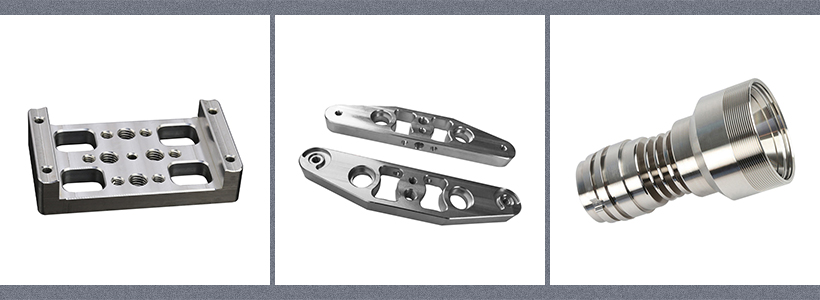
H3: 1. Specialized Heavy-Duty Equipment Portfolio
This is the non-negotiable hardware foundation. A competent factory must possess:
Gantry-Type 5-Axis & 3-Axis CNC Machining Centers: These are the workhorses for large parts. They offer massive work envelopes (e.g., 3000x2000x1000mm or larger), exceptional rigidity to dampen vibration during heavy cuts, and high-power spindles capable of removing material efficiently from tough alloys. 5-axis capability is increasingly crucial for machining complex angles and deep cavities in a single setup.
Large Vertical Turning Lathes (VTLs): Essential for machining large diameter discs, rings, and cylindrical components.
Precision Floor-Type Boring Mills: For ultra-precision boring of large holes and machining of box-type structures where exceptional accuracy is required.
Supporting Infrastructure: This includes high-capacity overhead cranes (10-ton, 20-ton, or higher), custom-engineered modular fixturing systems, and temperature-controlled environments to mitigate thermal expansion effects on both machines and workpieces.
H3: 2. Engineering Expertise and Process Mastery
Hardware is useless without the software of human skill. Key expertise includes:
Advanced CAM Programming: Generating efficient, collision-free toolpaths for massive parts requires sophisticated software and experienced programmers who understand tool deflection, heat management, and optimal stock removal strategies.
Fixturing & Workholding Innovation: Designing fixtures that securely hold a multi-ton part without inducing stress or distortion is an art. Engineers must master techniques like strategic support, hydraulic clamping, and vacuum chucks.
Material Science Knowledge: Understanding the machining characteristics of large forgings or castings of materials like 4140 steel, 7075 aluminum, duplex stainless steels, or Inconel is vital to prevent issues like residual stress release causing post-machining deformation.
Metrology and Quality Assurance: Verifying the dimensions of a large part requires more than calipers. A factory must be equipped with large travel Coordinate Measuring Machines (CMM), laser trackers, and portable measuring arms capable of performing 3D scans and inspections across the entire part volume.
H3: 3. Robust Quality Management and Project Execution Systems
Large parts represent significant value and lead time. A systematic approach is mandatory.
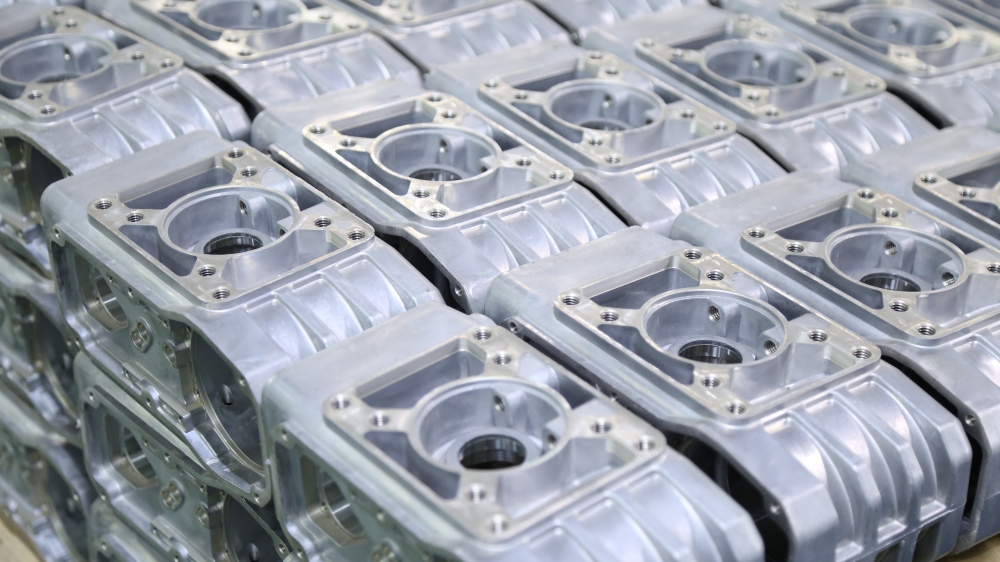
ISO 9001:2015 Certification: This is the baseline, demonstrating a documented quality management system.
Industry-Specific Certifications: For sectors like automotive (IATF 16949) or medical (ISO 13485), these are often mandatory and show deep compliance with sector-specific risk management and traceability requirements.
Structured Project Management: From initial DFM (Design for Manufacturability) feedback to detailed process planning, production scheduling, and regular progress updates, a transparent and professional project management流程 is essential to keep complex, long-lead-time projects on track.
H2: The Strategic Advantages of Partnering with a Specialized Provider like GreatLight CNC Machining Factory
Choosing a partner like GreatLight CNC Machining Factory for your large-scale machining needs translates into tangible strategic benefits that go beyond the part itself.
End-to-End Process Integration: Instead of coordinating between multiple vendors for machining, heat treatment, and surface finishing, a full-service provider manages the entire chain. GreatLight Metal, for instance, combines its large-scale 5-axis CNC machining capabilities with in-house vacuum heat treatment, shot blasting, and various surface finishing (painting, anodizing, powder coating) services. This integration ensures quality control, reduces logistical complexity, and compresses lead times.
Proactive Engineering Support (DFM/A): An experienced factory will review your designs not just for manufacturability, but also for cost-effectiveness on a large scale. They can suggest material alternatives, tolerance relaxations without compromising function, or design modifications that simplify fixturing and improve rigidity during machining, potentially saving significant cost and mitigating risk.
Supply Chain Resilience and Flexibility: With extensive experience in sourcing large raw material stock (forgings, castings, thick plates), a established factory has resilient supply channels. Their large equipment fleet also provides scheduling flexibility to accommodate urgent projects or design changes.
Risk Mitigation through Proven Systems: The trust背书 built through international certifications and a documented history of successful projects for demanding industries (automotive, aerospace, energy) provides assurance. It mitigates the risk of quality failures, delivery delays, and communication breakdowns that can be catastrophic for projects involving high-value, large components.
H2: Navigating the Selection Process: Key Questions to Ask
When evaluating a potential China large CNC machining services factory, due diligence is critical. Beyond requesting a quotation, engage in technical discussions and ask pointed questions:
“Can you walk me through your typical process flow for a large, complex aluminum housing, from raw material to final inspection?” (Tests their systematic approach).
“What is the maximum weight and dimensions your largest 5-axis gantry mill can handle, and what is its positioning accuracy over the full travel?” (Verifies exact capability vs. marketing claims).
“How do you handle thermal deformation control when machining a large steel block? Can you share a case study?” (Probes into practical engineering expertise).
“What metrology equipment do you use to inspect flatness and positional tolerances across a 2-meter part?” (Ensures they have the right measurement tools).
“What certifications do you hold, and can you provide documentation of your quality control plans for critical features?” (Validates their quality system integrity).
Conclusion: Precision at Scale as a Competitive Lever
In conclusion, sourcing from a proficient China large CNC machining services factory is a strategic decision that directly impacts product performance, project timelines, and total cost of ownership. It requires looking beyond basic machining quotes to assess a supplier’s integrated technical ecosystem, engineering depth, and quality culture. Partners like GreatLight CNC Machining Factory exemplify the evolution of Chinese manufacturing—leveraging advanced equipment, internationally recognized management systems, and full-process integration to deliver not just large parts, but reliable, precision-engineered solutions that empower global innovation. For projects where scale cannot compromise precision, choosing a partner with demonstrated capability across all these dimensions is the most critical step towards success. For more insights into the capabilities of leading manufacturers in this space, you can explore professional networks such as LinkedIn.



















