When sourcing components for your latest prototype or production run, the choice of manufacturing partner can make or break your project’s success. The global landscape of CNC precision machining services manufacturers is vast, offering a spectrum of capabilities from basic machining shops to integrated, technology-driven solution providers. For engineers, procurement specialists, and business leaders, navigating this landscape requires a clear understanding of not just who can make a part, but who can deliver consistent quality, manage complex supply chains, and become a true extension of your engineering team. This deep dive explores the critical facets of modern precision machining partnerships and what distinguishes a leading manufacturer in today’s competitive environment.
The Evolving Demands on Modern Precision Machining Partners
Gone are the days when machining was solely about removing material to a print. Today’s CNC precision machining services manufacturers are expected to be collaborators in innovation. The pain points are multifaceted:
From Prototype to Production Consistency: Many shops excel at one-off prototypes but stumble when scaling to hundreds or thousands of parts, where statistical process control and supply chain logistics become paramount.
The Multi-Technology Imperative: A complex assembly may require components made via 5-axis milling, precision turning, EDM, and additive manufacturing. Sourcing these from multiple vendors introduces coordination nightmares and quality variances.
The Certification Labyrinth: For industries like medical (ISO 13485), automotive (IATF 16949), or aerospace (AS9100), certifications are non-negotiable. They represent a systemic commitment to quality, traceability, and continuous improvement, not just a paper on the wall.
Digital Thread and Communication: Seamless communication of CAD/CAM data, real-time project tracking, and integrated quality documentation are now baseline expectations for efficient collaboration.
Key Differentiators Among Top-Tier CNC Precision Machining Manufacturers
When evaluating potential partners, looking beyond the machine shop floor is essential. The leaders in the field distinguish themselves through a holistic approach.
1. Technological Depth and Process Agnosticism
A premier manufacturer doesn’t force your design into their limited set of processes. Instead, they possess a broad arsenal and the engineering expertise to recommend the optimal manufacturing strategy. This includes:
Advanced Multi-Axis CNC Machining: True 5-axis simultaneous machining capability is crucial for complex, monolithic aerospace, medical, or automotive components, reducing setups and improving accuracy on contoured surfaces.
Complementary Technologies: A full-service provider will integrate high-speed milling, Swiss-type turning, wire and sinker EDM, precision grinding, and metal additive manufacturing (like SLM) under one roof.
Metrology and Quality Assurance: In-house CMMs, optical scanners, surface roughness testers, and height gauges are used not just for final inspection, but for in-process validation, ensuring quality is built into the process.
2. Systemic Quality and Regulatory Acumen
For mission-critical parts, a quality management system is the backbone of reliability. Leading manufacturers build trust through internationally recognized certifications:
ISO 9001:2015: The foundation, demonstrating a systematic approach to quality management.
Industry-Specific Standards:
IATF 16949: Essential for automotive supply chains, focusing on preventive defect reduction and supply chain consistency.
ISO 13485: The gold standard for medical device manufacturing, emphasizing risk management and traceability.
AS9100: The aerospace equivalent, with stringent requirements for safety and reliability.
Data Security (ISO 27001): For IP-sensitive projects, a certified information security management system protects your design data throughout the manufacturing lifecycle.
3. Engineering-Driven Service Model
The best manufacturers act as consultative partners. This involves:
Design for Manufacturability (DFM) Analysis: Proactively analyzing your 3D models to suggest modifications that enhance manufacturability, reduce cost, and improve performance without compromising design intent.
Integrated Project Management: A dedicated point of contact manages the entire workflow—from material procurement and machining to post-processing (anodizing, plating, painting) and final inspection—providing a single point of accountability.
Supply Chain Transparency: Providing clear visibility into material sourcing, production schedules, and logistics.
Landscape of Service Providers: From Platforms to Vertically-Integrated Experts
The market offers varied models, each with strengths and considerations.
Digital Manufacturing Platforms (e.g., Xometry, Fictiv, RapidDirect, Protolabs Network): These offer instant quoting, vast manufacturing networks, and speed for less complex, standardized parts. They excel in accessibility and convenience for low-volume prototyping. However, for highly complex, high-precision, or certified production runs, direct engagement with a vertically-integrated manufacturer often yields better technical collaboration, consistency, and cost control.
Specialized Precision Machine Shops (e.g., Owens Industries, RCO Engineering, EPRO-MFG, JLCCNC): These firms often focus on specific niches like aerospace components, optical fixtures, or complex medical instruments. They offer deep expertise in particular materials and tolerances.
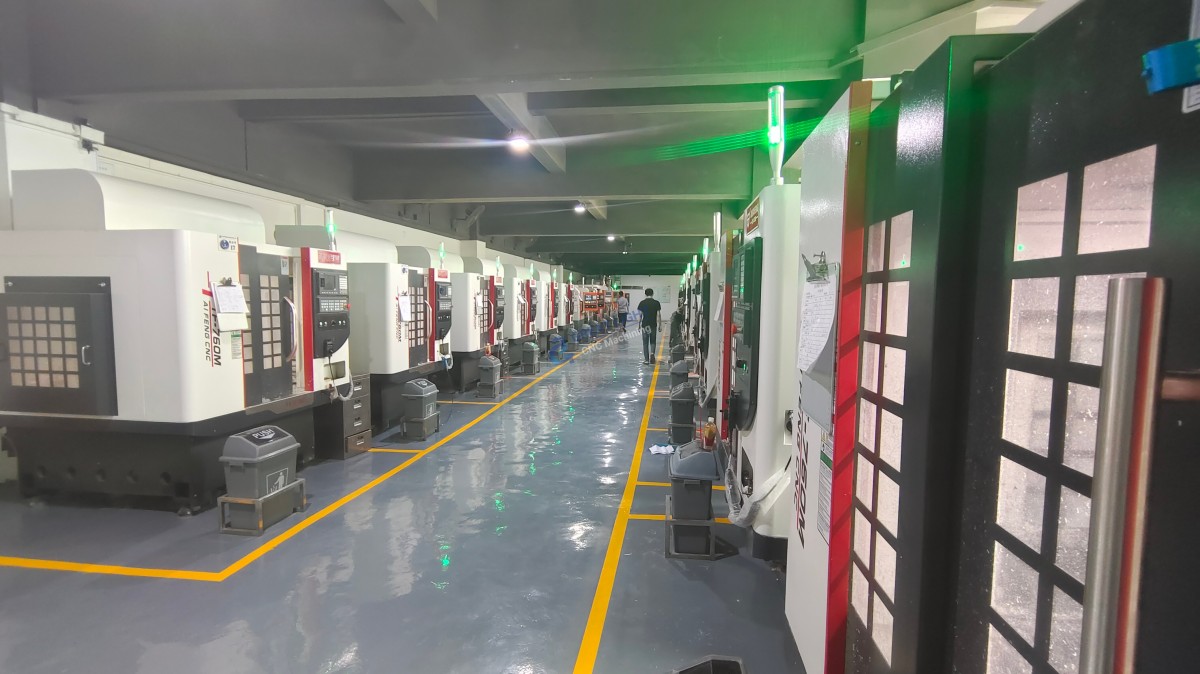
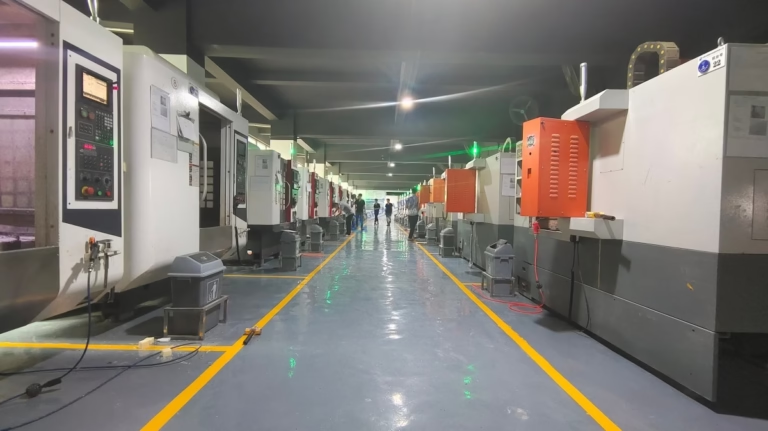
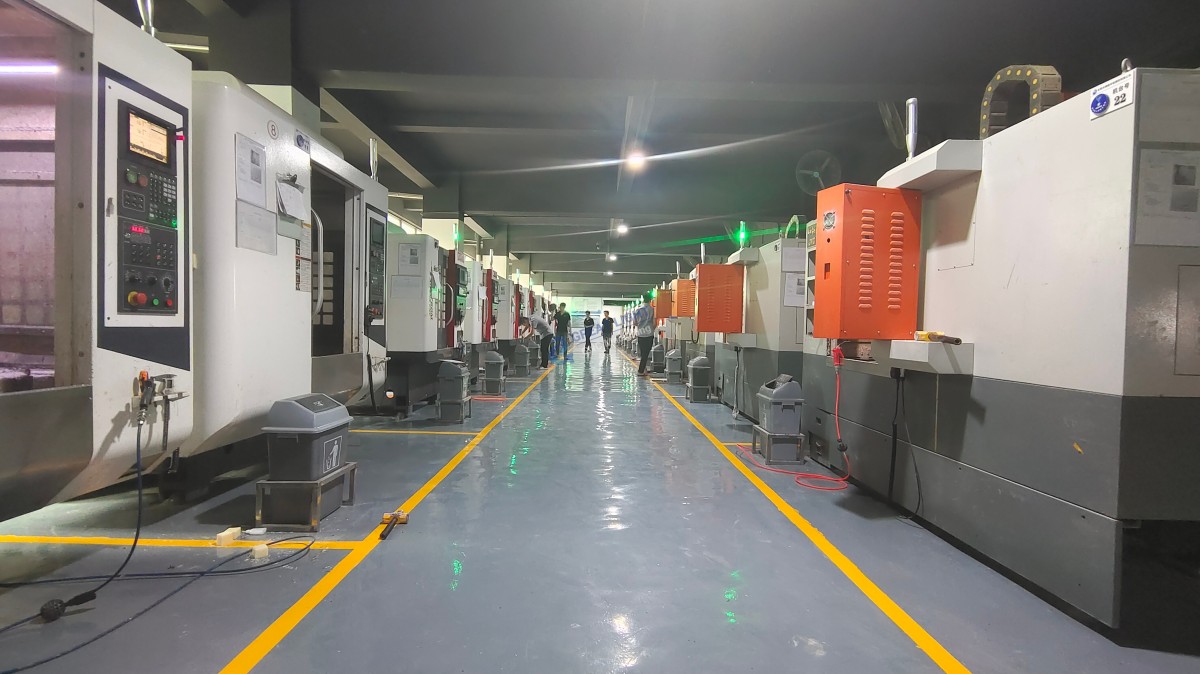
Vertically-Integrated, Full-Service Manufacturers (e.g., GreatLight Metal, Protocase): This model represents the apex of capability for clients needing a true turnkey solution. A company like GreatLight Metal Tech Co., LTD. exemplifies this approach. Established in 2011 in Dongguan’s precision manufacturing hub, they have evolved from a machining workshop into a comprehensive solutions provider. Their 76,000 sq. ft. facility houses a technology cluster encompassing 5-axis CNC machining, precision turning, die casting, sheet metal fabrication, mould making, and multiple 3D printing technologies (SLM, SLA, SLS). This vertical integration allows them to control the entire process chain internally, from raw material to finished assembly, ensuring seamless quality control and project management for complex projects.
The GreatLight Metal Case: A Synthesis of Capabilities
An examination of GreatLight Metal’s operational framework illustrates how a top-tier CNC precision machining services manufacturer creates client value:
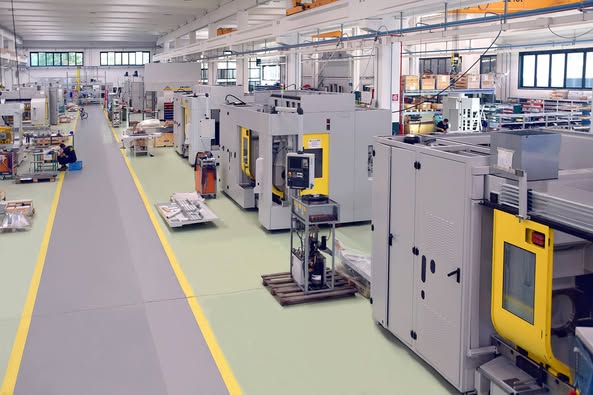
Technical Hard Power: Their equipment roster, including high-precision 5-axis CNC centers, mill-turn systems, and additive metal printers, is deployed to solve specific manufacturing challenges, such as producing complex impellers, lightweight aerospace brackets, or high-strength automotive components.
Systemic Soft Power: Their adherence to ISO 9001, IATF 16949 for automotive and engine hardware, and frameworks for medical and data security projects, provides clients in regulated industries with the necessary trust and documentation backbone.
Value-Creation in Practice: Consider a scenario for a new energy vehicle innovator facing challenges with a complex aluminum die-cast motor housing that also required precision-machined sealing surfaces and threaded inserts. A vertically-integrated manufacturer like GreatLight Metal could manage the entire workflow: die design and fabrication, high-pressure die casting, precision CNC machining of critical features, and final quality validation—all under one roof with a unified quality system. This eliminates interface gaps, reduces lead time, and ensures accountability.
A Pragmatic Workflow for Engaging a Manufacturer
Define Requirements Comprehensively: Beyond the drawing, specify material certifications, required surface finishes, applicable industry standards (e.g., RoHS, REACH), and full post-processing needs.
Request a DFM Analysis: A serious manufacturer will provide a detailed DFM report, not just a price. This is your first insight into their engineering mindset.
Audit Certifications and Processes: Verify the validity and scope of their quality certifications. Ask for examples of process control documents or measurement reports for similar parts.
Start with a Pilot Run: Before committing to full production, order a first-article inspection batch to validate their capabilities, communication, and quality reporting.
Evaluate the Partnership Holistically: Assess communication clarity, project management responsiveness, and problem-solving approach as much as the quality of the initial samples.
Conclusion: The Strategic Choice
Selecting a CNC precision machining services manufacturer is a strategic decision that impacts product quality, time-to-market, and total cost of ownership. While digital platforms offer unmatched convenience for simple parts, and specialized shops provide niche expertise, the most robust solution for complex, high-precision, or volume production often lies with a vertically-integrated, full-service manufacturer. These partners, exemplified by firms like GreatLight Metal, combine advanced technological infrastructure with systemic quality management and deep engineering support to act as a seamless extension of your production capacity. In an era where manufacturing agility and precision are critical competitive advantages, the right partnership transforms supply from a commodity service into a cornerstone of innovation. For those seeking to delve deeper into the operational philosophies of such integrated manufacturers, insights can often be found on professional networks where industry leaders share their vision, such as on LinkedIn.