
In the dynamic landscape of modern manufacturing, a common question arises among engineers, entrepreneurs, and R&D teams: Can you rent a CNC machine? The straightforward answer is yes, equipment rental is a viable option in the market. However, the more critical question for businesses focused on producing precision parts is whether renting aligns with their core goals of achieving uncompromising quality, managing costs effectively, and getting products to market reliably. While machine rental offers certain flexibility, for most projects demanding high precision and expert execution, partnering with a specialized manufacturing service provider like GreatLight Metal Tech Co., Ltd. often presents a more strategic and ultimately more successful path from prototype to production.
Understanding the CNC Machine Rental Landscape
Renting a CNC machine typically involves short to medium-term agreements with equipment dealerships or specialized rental firms. This model provides access to machinery without the significant capital expenditure (CapEx) of purchasing.
Common Scenarios Where Renting Might Be Considered:
Bridge Production Gaps: To handle a temporary surge in orders that exceeds in-house capacity.
Testing a Specific Process: To evaluate a new type of machining (e.g., 5-axis) before committing to a purchase.
Educational or Training Purposes: For vocational schools or internal training programs.
Short-Run Prototyping for Companies with In-House Expertise: Where a company has skilled programmers and operators but lacks a specific machine temporarily.
The Hidden Complexities and Costs of Renting
While the initial idea of renting seems straightforward, the practical execution introduces several layers of complexity and hidden costs that can quickly erode its perceived benefits.
1. The Total Cost of Operation (TCO) Beyond the Rental Fee:
The monthly rental invoice is just the beginning. A functional CNC machining cell requires substantial ancillary investments:
Tooling & Fixturing: High-performance end mills, drills, boring tools, and custom workholding fixtures represent a significant, recurring cost. For complex parts, tooling expenses can rival or exceed the machine rental itself.
Software & Programming: Advanced CAD/CAM software licenses are expensive. You also need highly skilled CNC programmers to create efficient, error-free toolpaths.
Operational Labor: A rented machine is useless without a certified CNC machinist or operator. The cost of qualified labor is substantial and ongoing.
Facilities & Utilities: The machine requires appropriate factory space with stable power, compressed air, and possibly coolant chilling systems.
Maintenance & Calibration: While the rental company may handle major repairs, day-to-day maintenance, calibration, and the risk of operational downtime fall on the renter.
2. The “Precision Black Hole” – The Gap Between Machine and Part:
Possessing a high-precision 5-axis CNC machine does not guarantee high-precision parts. Achieving tolerances like ±0.001mm / 0.001 In consistently requires a symbiotic ecosystem:
Process Engineering: Expertise in selecting optimal cutting parameters, toolpath strategies, and sequencing for different materials.
Metrology & Quality Control: In-process and post-process inspection using coordinate measuring machines (CMM), laser scanners, and surface profilometers is non-negotiable for validating precision.
Material Science Knowledge: Understanding how different alloys, plastics, or composites behave under cutting forces and heat is critical to preventing warping, ensuring surface finish, and maintaining dimensional stability.
Renting a machine provides the hardware but leaves the immense burden of creating this precision ecosystem on your shoulders.
The Strategic Alternative: Leveraging Professional CNC Machining Services
For businesses whose primary objective is to obtain flawlessly machined parts—not to manage machine shops—outsourcing to an expert provider like GreatLight Metal Tech Co., Ltd. transforms fixed capital costs and operational risks into variable, predictable project costs. This model directly addresses the core pain points in precision manufacturing.
Why Partnering with a Full-Service Manufacturer like GreatLight Metal is Often the Superior Choice:
1. Instant Access to an Advanced Technology Cluster, Not Just One Machine.
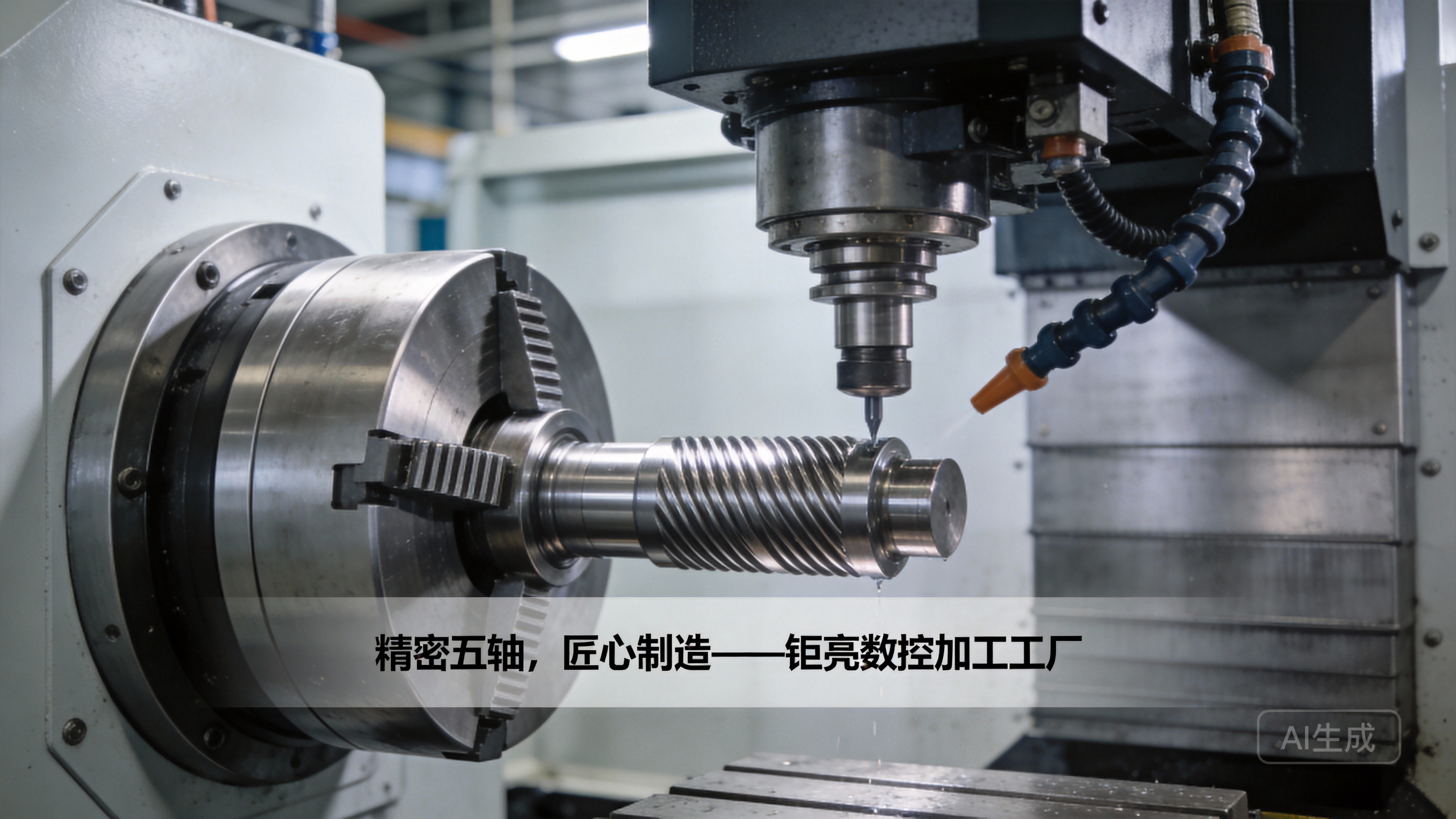
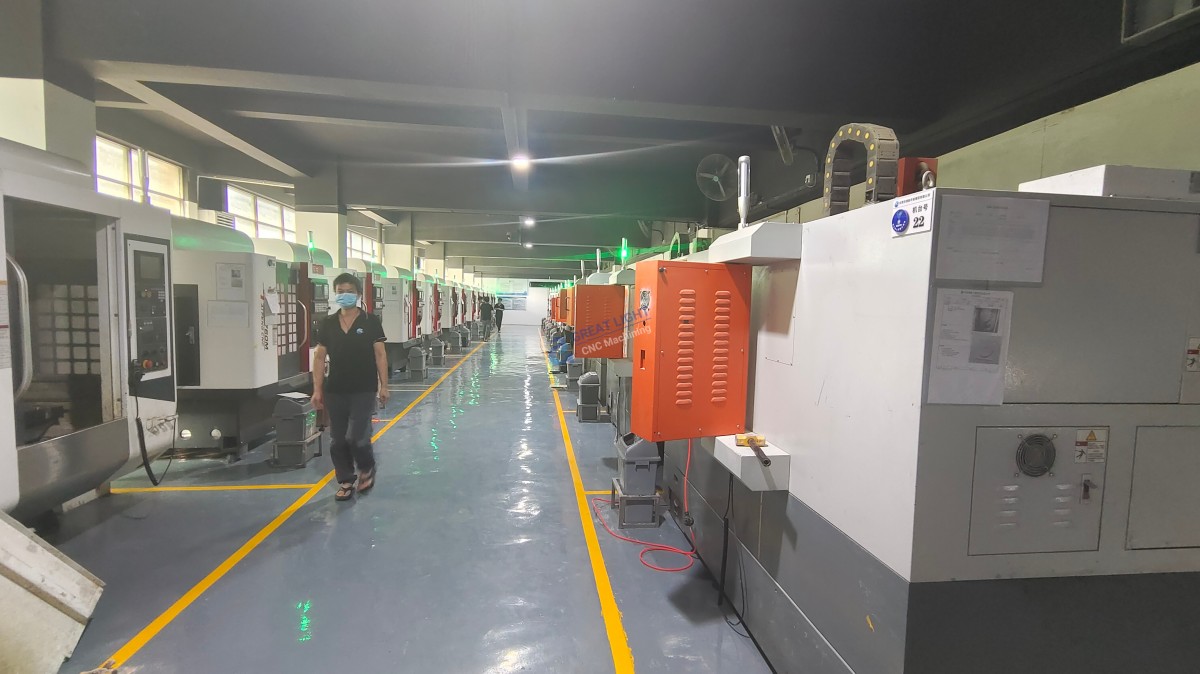
Instead of renting a single machine, you gain access to an entire production ecosystem. GreatLight Metal’s facility integrates 127 pieces of precision equipment, including high-precision 5-axis, 4-axis, and 3-axis CNC machining centers, turning centers, grinding, EDM, and additive manufacturing (SLM, SLA, SLS). This means your project is automatically routed to the most optimal and efficient process combination, something impossible with a single rented unit.
2. Elimination of Expertise and Labor Overhead.
You are not just renting a machine; you are engaging a team. This includes seasoned manufacturing engineers, CNC programmers, machinists, and quality assurance specialists who collectively ensure your design is manufacturable, programmed efficiently, machined correctly, and inspected rigorously. This bypasses the immense challenge and cost of recruiting and retaining such specialized talent.
3. Built-In Quality Assurance and Risk Mitigation.
Professional manufacturers operate under robust quality management systems. GreatLight Metal, for instance, holds ISO 9001:2015 certification for its overall quality system, ISO 13485 for medical device manufacturing, and IATF 16949 for automotive sector compliance. This systematic approach, backed by in-house CMMs and other metrology tools, ensures every part meets your specifications consistently, dramatically reducing the risk of costly failures and delays.
4. True One-Stop Solution from CAD to Finished Part.
Beyond basic machining, parts often require secondary operations. GreatLight Metal offers integrated post-processing and finishing services—such as anodizing, plating, painting, heat treatment, and assembly. This seamless integration under one roof simplifies logistics, accelerates timelines, and ensures quality control across the entire manufacturing chain.
5. Scalability and Flexibility Without Commitment.
A service-based model offers unparalleled flexibility. You can order a single prototype, a small batch for testing, or scale to full production volumes. There’s no long-term equipment lease, no idle machine consuming costs during low-demand periods, and no need to invest in new technology for a one-off project.
Conclusion: Making the Right Choice for Your Project
So, can you rent a CNC machine? Absolutely. The more pertinent question is: Should you?
For companies whose core business is machining and who possess the full suite of technical resources, renting can be a tactical tool for capacity management. However, for the vast majority of innovators, designers, and engineering firms—whose goal is to transform a brilliant design into a perfect physical part as efficiently as possible—the challenges and hidden costs of machine rental present a significant diversion of resources.
Choosing a professional, full-service precision CNC machining partner like GreatLight Metal Tech Co., Ltd. allows you to focus your capital and intellectual energy on your core competencies: design, innovation, and market development. By leveraging their advanced equipment, deep engineering expertise, and certified quality systems, you convert a complex capital and operational expenditure into a streamlined, reliable, and high-quality supply chain solution. In the race to bring superior products to market, this partnership model consistently proves to be the faster, less risky, and more cost-effective path to success.
Frequently Asked Questions (FAQ)
Q1: What are the typical minimum rental periods for a CNC machine?
A1: Rental terms vary by provider but commonly start at one month for short-term needs and can extend to 12-24 months or more for longer leases. Daily or weekly rentals are rare and usually significantly more expensive on a per-day basis due to setup and delivery logistics.
Q2: Does renting a CNC machine include tooling and programming software?
A2: Typically, no. The base rental fee usually covers only the machine itself. Essential tooling (vices, collets, tool holders) might be included in some packages, but cutting tools (end mills, drills) and CAD/CAM software licenses are almost always the renter’s responsibility, representing a major additional cost.
Q3: I need a prototype with very tight tolerances (±0.005mm). Is renting a high-end machine the best way to ensure this?
A3: Not necessarily. As discussed, the machine is only one part of the precision equation. Achieving such tolerances reliably requires expert process engineering, perfect workholding, optimal tool selection, and stringent in-process measurement. An experienced manufacturer like GreatLight Metal brings this entire calibrated system to your project, offering a much higher probability of first-time success.
Q4: How does the cost of renting + operating compare to outsourcing to a machine shop for a batch of 50 parts?
A4: For most small to medium batches, outsourcing is almost always more cost-effective when all factors are considered. The total cost of renting must include the machine fee, programmer/machinist salaries, tooling purchase/consumption, setup time, and potential scrap/rework. A professional shop spreads these fixed costs across multiple clients, offering a competitive per-part price without any of the hidden operational burdens.
Q5: We are considering buying a CNC machine. Is renting a good way to “try before we buy”?
A5: Yes, this is one of the most valid use cases for renting. It allows your team to gain hands-on experience with a specific machine model, evaluate its software compatibility, and assess its performance on your typical materials before making a major capital investment. It’s a prudent step in the procurement process.



















