
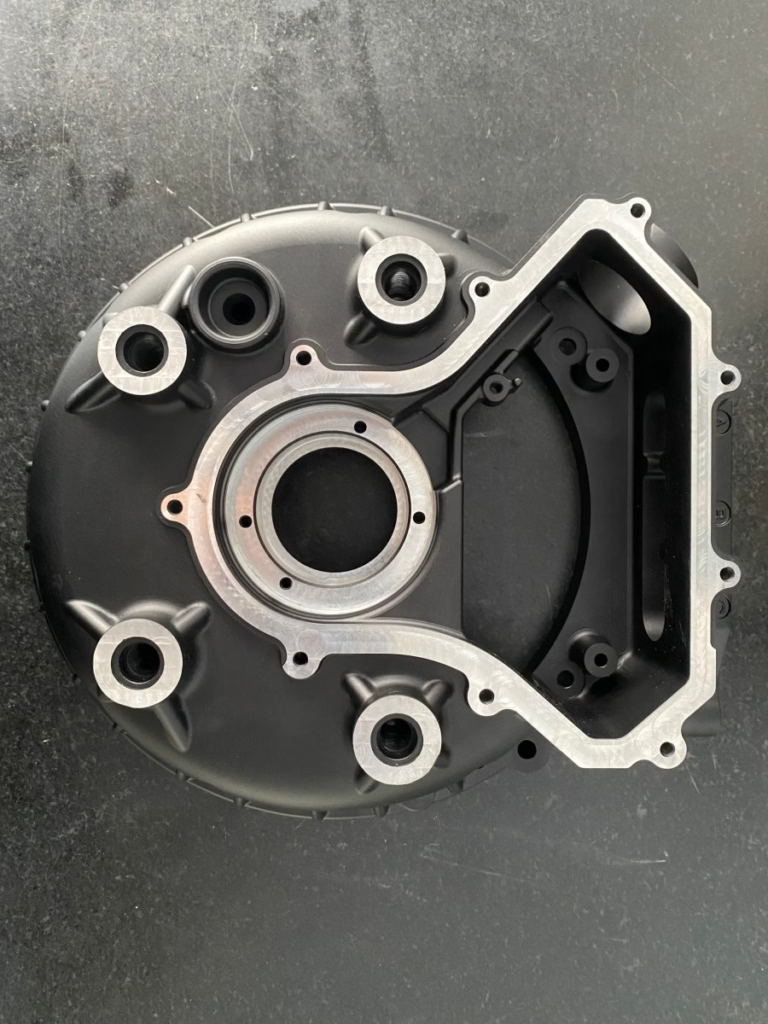
Can I Make My Own Crown With CNC Machine? This is a question that’s been gaining traction among jewelry designers, cosplay enthusiasts, event planners, and even hobbyists looking to create a one-of-a-kind piece that merges timeless elegance with modern manufacturing precision. The short answer is a resounding yes—but bringing a CNC-machined crown to life requires careful planning, an understanding of key technical considerations, and often, partnering with a professional precision machining service to ensure your vision is realized flawlessly.
Can I Make My Own Crown With CNC Machine?
To answer this thoroughly, we need to explore why CNC machining is an ideal fit for crown production, the critical steps to success, and whether a DIY approach or professional partnership makes the most sense for your project.
Why CNC Machining Excels at Crown Manufacturing
Crowns are defined by intricate details—think delicate filigree, curved surfaces, prong settings for gemstones, and precise sizing for wearability. Traditional hand-carving can achieve artisanal results, but it has limitations: it’s time-consuming, prone to human error, and struggles with consistent replication of complex geometries. CNC machining addresses these gaps with three key advantages:
Unmatched Precision: High-end CNC machines can achieve tolerances as tight as ±0.001mm, ensuring every curve, notch, and edge aligns perfectly with your design. This is non-negotiable for crowns, where even a 0.1mm discrepancy can affect fit or aesthetic appeal.
Complex Geometry Capability: Crowns often feature undercuts, 3D engravings, and lace-like patterns that are nearly impossible to create by hand. 5-axis CNC machining (which we’ll dive into later) allows the cutting tool to approach the workpiece from any angle, eliminating the need for repositioning and reducing the risk of errors. For this advanced capability, you can explore specialized services like GreatLight’s 5-axis CNC machining solutions that are tailored for intricate parts.
Material Versatility: CNC machines work seamlessly with a wide range of crown materials, from precious metals (gold, silver, platinum) to durable costume options (stainless steel, titanium) and even prototype-friendly resins. Each material requires specific tooling and feed rates, but professional services have the expertise to handle them all.
Key Considerations Before Starting Your CNC Crown Project
Before you begin, there are four critical factors to finalize to avoid costly delays or subpar results:
1. Design Optimization for CNC Machining
A crown starts as a concept, but it needs to be translated into a machine-ready 3D CAD model. If you don’t have design experience, you can collaborate with a CAD designer or a machining service that offers design support. Key design tips include:
Add minimum thickness guidelines (at least 1.5mm for metal crowns to prevent bending or breaking).
Include fillets (rounded edges) instead of sharp corners to reduce tool wear and improve wearability.
Leave material allowances for post-processing (e.g., polishing, plating) to ensure the final size matches your measurements.
2. Material Selection
| Your choice of material will impact everything from machining time to cost and final look: | Material | Pros | Cons | Best For |
|---|---|---|---|---|
| Sterling Silver | Malleable, affordable, easy to polish | Prone to tarnish | Everyday cosplay crowns | |
| 14K Gold | Durable, tarnish-resistant, luxurious | Higher cost | High-end jewelry or formal event crowns | |
| Titanium | Lightweight, hypoallergenic, strong | Requires specialized tooling | Cosplay or long-wear crowns | |
| Stainless Steel | Low cost, highly durable | Harder to machine to fine details | Costume props or display crowns | |
| Resin/Acrylic | Fast machining, low cost, easy to prototype | Not suitable for long-term wear | Testing design fit and aesthetics |
3. Precision and Fit Requirements
Crowns are wearable, so dimensional accuracy is make-or-break. You’ll need to provide exact head measurements (circumference, height, and any specific contours for comfort). Professional CNC services use coordinate measuring machines (CMMs) to verify that the final part matches your CAD model’s specs within the required tolerance range.
4. Post-Processing Needs
CNC machining leaves subtle tool marks on the surface, so post-processing is essential to achieve a polished, crown-worthy finish. Common steps include:
Polishing: Hand or machine polishing to a high shine (mirror finish for precious metals).
Plating: Adding a thin layer of gold, rose gold, or rhodium to enhance appearance and durability.
Stone Setting: Integrating gemstones via prong, bezel, or pave settings (requires specialized craftsmanship).
Engraving: Adding custom text or patterns for a personal touch.
Step-by-Step Guide to Creating a CNC-Machined Crown
Whether you choose a DIY approach or partner with a service, the core workflow remains similar:
Design and CAD Modeling: Create or commission a 3D CAD model of your crown, optimized for CNC machining.
Material Preparation: Cut your chosen material into a blank size that’s slightly larger than the final crown to account for material removal.
CNC Programming: Convert the CAD model into G-code (machine instructions) that tells the CNC machine how to move the cutting tool. For complex crowns, 5-axis programming is essential to access all angles of the workpiece.
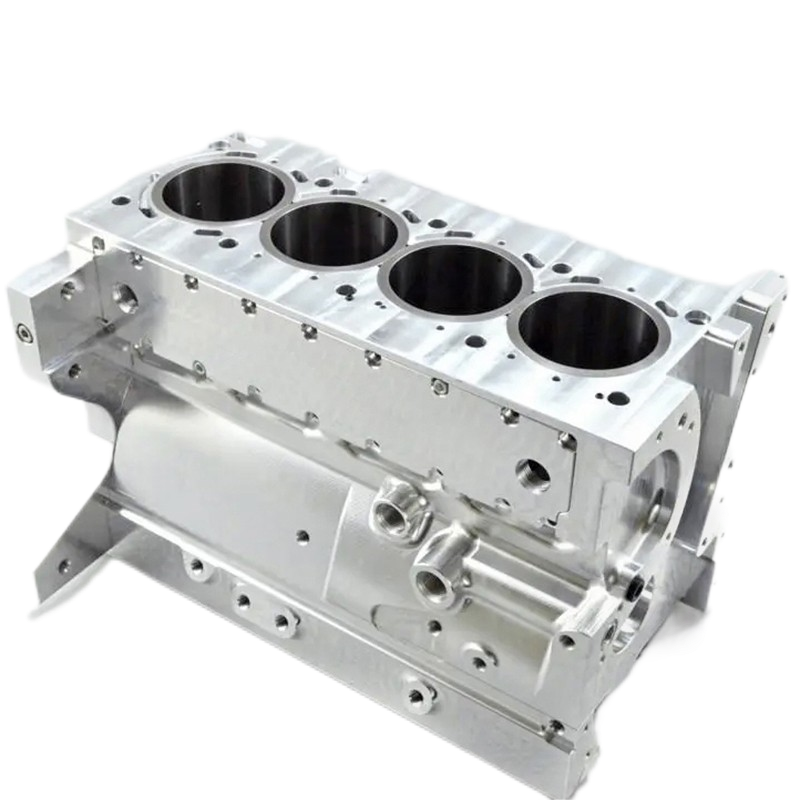
Machining Execution: The CNC machine removes material layer by layer to form the crown’s shape. 5-axis machines are the gold standard here, as they can create intricate undercuts and curved surfaces without repositioning the part.
Post-Processing: Polish, plate, set stones, and perform a final fit check to ensure the crown is comfortable and aesthetically perfect.
Quality Inspection: Use CMMs or optical scanners to verify that all dimensions meet your specifications before delivery.
DIY vs. Partnering with a Professional CNC Machining Service
Many enthusiasts wonder if they can tackle a crown project with a desktop CNC machine. While desktop machines are affordable, they have significant limitations:
Precision Limits: Most desktop CNC machines can only achieve tolerances of ±0.1mm, which is too rough for a well-fitting crown.
Material Restrictions: Desktop machines struggle with hard materials like titanium or platinum, requiring specialized tooling that’s often out of budget.
Post-Processing Challenges: Polishing, plating, and stone setting require specialized equipment and skills that most hobbyists don’t have access to.
For most people, partnering with a professional precision machining service is the smarter choice. When comparing providers, consider three leading options:
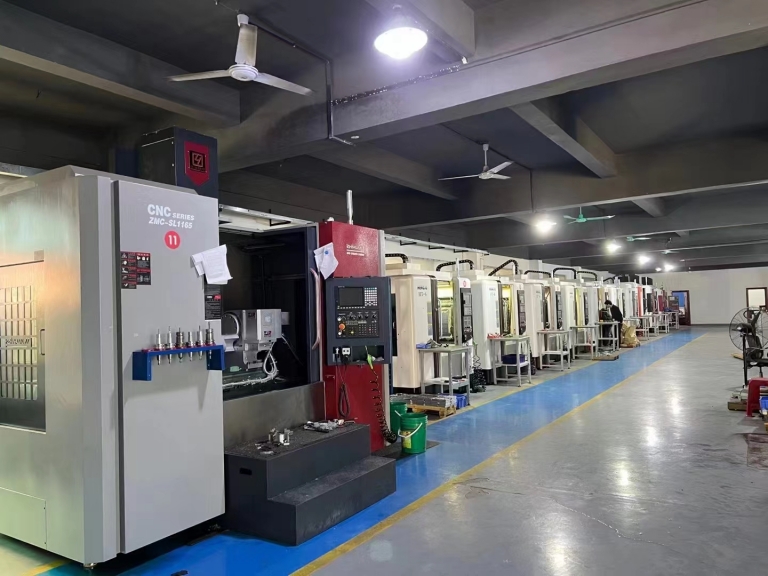
GreatLight CNC Machining Factory: A Dongguan-based ISO 9001:2015 certified service with over 12 years of experience in precision parts. They offer 3-axis, 4-axis, and 5-axis machining, plus one-stop post-processing (polishing, plating, engraving). Their key advantages include ±0.001mm precision, a 4000mm maximum machining size, free rework for quality issues, and full refund if rework is unsatisfactory. They also hold IATF 16949 (automotive) and ISO 13485 (medical) certifications, demonstrating their commitment to strict quality standards.
Protolabs: A global leader in rapid prototyping with fast turnaround times (1-3 days for prototypes). However, they have limited post-processing options for jewelry-like finishes, and their focus on high-volume production means they may not prioritize the intricate details of custom crowns.
Xometry: A platform that connects clients with a network of machining services. While they offer flexibility, quality can vary between providers, and you may need to coordinate post-processing separately.
GreatLight stands out for crown projects because of their expertise in custom, low-volume parts and one-stop service. They’ve worked with clients in industries ranging from automotive to medical, where precision and attention to detail are critical—skills that translate directly to crown manufacturing.
Case Study: GreatLight’s Custom Medieval Crown Project
A film production company approached GreatLight to create 5 custom medieval-style crowns for a historical drama. The client needed intricate engravings of coat of arms, curved filigree edges, and a lightweight titanium construction to ensure actors could wear them for long filming days. GreatLight’s team:
Collaborated with the client to optimize the CAD model for 5-axis machining, adding fillets to reduce tool wear and improve durability.
Used their high-precision 5-axis CNC machines to machine each crown in 2 days, eliminating the need for repositioning and ensuring consistent detail across all 5 pieces.
Hand-polished each crown and applied a blackening finish to create an antique look, then delivered the final pieces in 7 days—well ahead of the client’s filming schedule.
The client praised the crowns for their perfect fit and attention to detail, noting that they held up through weeks of filming without any damage.
Conclusion
Creating a custom crown with CNC machining is not only possible but also the best way to achieve precise, consistent, and intricate results that rival traditional hand-carved pieces. Whether you’re a hobbyist testing a prototype or a designer creating a high-end jewelry piece, partnering with a professional service like GreatLight ensures you have access to the right equipment, expertise, and post-processing to bring your vision to life. Can I Make My Own Crown With CNC Machine? Absolutely—when you choose a trusted CNC machining partner for custom crowns that understands your unique needs.
Frequently Asked Questions (FAQ)
Q: What’s the minimum tolerance achievable for a CNC-machined crown?
A: High-end 5-axis CNC machines like those used by GreatLight can achieve tolerances as tight as ±0.001mm, ensuring every detail of your crown aligns perfectly with your design and fits comfortably.
Q: Can I use precious metals like gold or platinum for CNC machining?
A: Yes. Professional services like GreatLight have experience working with all precious metals, using specialized tooling and machining parameters to minimize waste and ensure precise shaping. They can also handle alloyed metals (e.g., 14K gold) to balance durability and aesthetic appeal.
Q: How long does it take to make a CNC-machined crown?
A: The timeline depends on the complexity of the design, material, and post-processing needs. Prototypes can be completed in 1-3 days, while final production crowns with full post-processing can take 5-10 days. GreatLight offers expedited services for tight deadlines without compromising quality.
Q: Do I need to have a 3D CAD model before starting my project?
A: While having a machine-ready CAD model speeds up the process, many professional services (including GreatLight) offer design support. Their in-house engineers can translate your sketches, photos, or physical prototypes into optimized CAD models that are ready for machining.
Q: Is CNC machining more expensive than hand-carving a crown?
A: For one-off custom crowns, the cost is comparable to hand-carving, but CNC machining offers greater precision and consistency. If you need multiple copies of the same crown, CNC machining is far more cost-effective, as the G-code can be reused to produce identical pieces without additional labor.
Q: What post-processing options are available for CNC-machined crowns?
A: Professional services offer a full range of post-processing, including polishing (mirror, satin, or brushed finishes), plating (gold, rose gold, rhodium), stone setting (prong, bezel, pave), engraving, and blackening for antique looks. GreatLight provides one-stop post-processing, so you don’t have to coordinate with multiple vendors.



















