
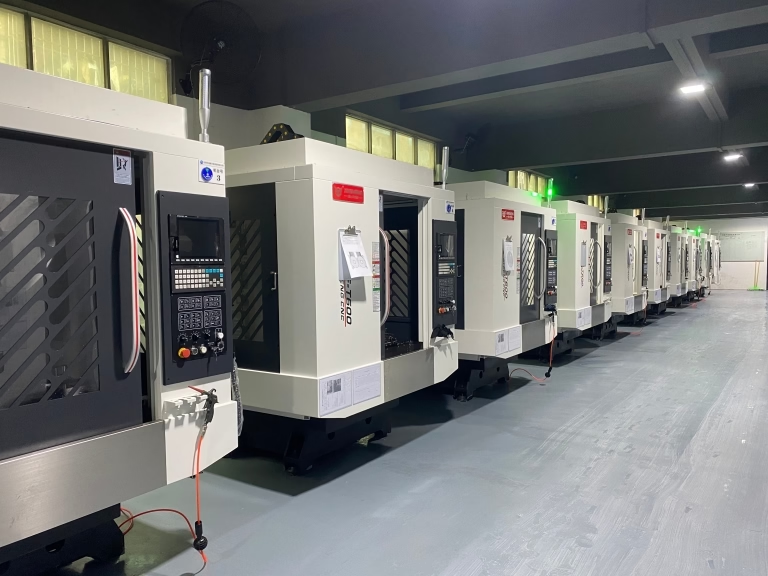
Yes, absolutely. Engraving letters—and complex patterns—is a standard and highly capable function of Mitsubishi CNC machines. Their advanced control systems, such as the widely used M70, M80, and M800 series, are equipped with powerful programming functions specifically designed for precision contouring, which includes text engraving.
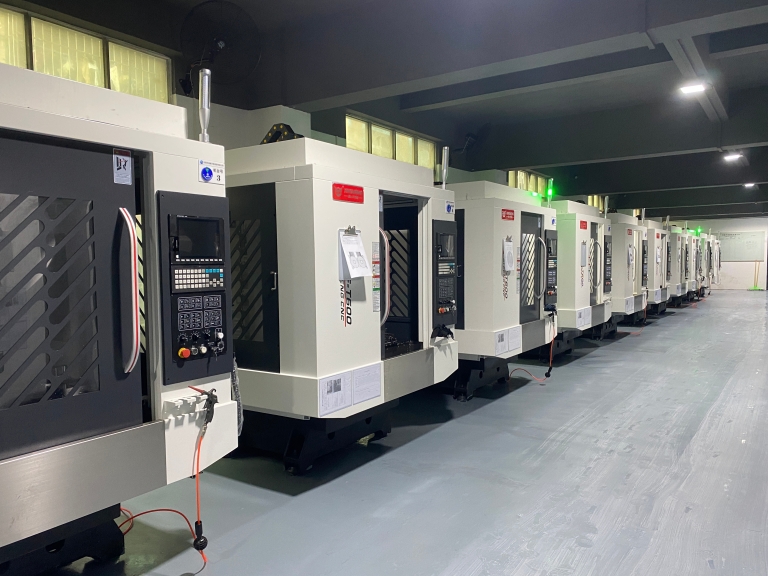
Whether you are marking serial numbers, part numbers, logos, or instructional text onto a component, a Mitsubishi CNC machining center or lathe can execute this task with high efficiency and repeatability.
How Engraving is Achieved on Mitsubishi CNC Systems
Engraving on a CNC machine is essentially a 2.5D or 3D milling operation. The machine uses a specialized cutting tool (an engraving cutter or a small-diameter end mill) to trace the vector paths of the letters. Mitsubishi’s CNC controls facilitate this through several methods:
1. Standard G-Code Programming:
The most fundamental method involves programming the tool path directly using G-code (ISO code). Each letter’s shape is defined by a series of linear (G01) and circular (G02/G03) interpolation moves. While precise, this method is time-consuming for complex fonts or lengthy text.
2. Custom Cycle Functions (Macro Programs):
Mitsubishi CNCs support user-defined macro programming (Custom Macro B). Skilled programmers can create or purchase macro programs where you simply input parameters like text string, starting point, character height, and depth, and the macro automatically generates the tool path. This is highly efficient for batch production.
3. CAM Software Integration:
This is the most common and user-friendly method in modern workshops.
Design: The text is created in CAD software (e.g., SolidWorks, AutoCAD).
Toolpath Generation: The CAD model is imported into CAM software (e.g., Mastercam, Fusion 360, Siemens NX). The software programmer selects the engraving operation, defines the tool, depth, and cutting strategy.
Post-Processing: The CAM software generates the G-code specific to your Mitsubishi CNC machine’s control model via a post-processor.
Execution: This G-code file is loaded into the Mitsubishi control, and the machine executes the precise engraving cycle.
4. Built-in Engraving Cycles:
Some Mitsubishi CNC models offer simplified canned cycles for basic engraving. For example, using a combination of specific G-codes and parameters, you can engrave along a defined line or contour.
Key Considerations for Successful Engraving
To achieve clean, professional results, several factors must be meticulously managed:
Tooling: The choice of engraving cutter is critical. V-bit cutters (e.g., 60° or 90° included angle) are standard for creating sharp, V-shaped grooves. Ball nose end mills or flat end mills are used for pocket engraving (removing material to form the letters) or 3D relief engraving. Tool rigidity and runout must be minimal.
Material: The machining parameters (spindle speed, feed rate, depth of cut) vary dramatically between materials like aluminum, stainless steel, brass, or plastics. Softer materials like aluminum are more forgiving, while harder materials require slower speeds, specialized tool coatings (like diamond for composites), and greater attention to tool wear.
Font and Size: Not all fonts are equally machinable. Single-line (stick) fonts are the fastest to engrave as the tool follows a centerline. TrueType fonts require a contouring path, which is more complex. The minimum legible character size is limited by the tool tip diameter—typically, you cannot engrave details smaller than the cutter’s tip.
Workholding & Rigidity: The workpiece must be securely clamped. Any vibration or movement during the light cuts of engraving will result in poor surface finish and broken tools.
Programming Skill: The programmer must understand how to optimize the tool path for climb milling vs. conventional milling to ensure clean edges, set appropriate step-down depths, and manage retract motions to avoid marking the surface.
From Design to Physical Part: The Role of a Professional Partner
While a Mitsubishi CNC machine is a powerful tool, unlocking its full potential for tasks like precision engraving requires deep expertise in process planning, tooling selection, and programming. This is where partnering with a specialized manufacturer like GreatLight CNC Machining Factory adds significant value.
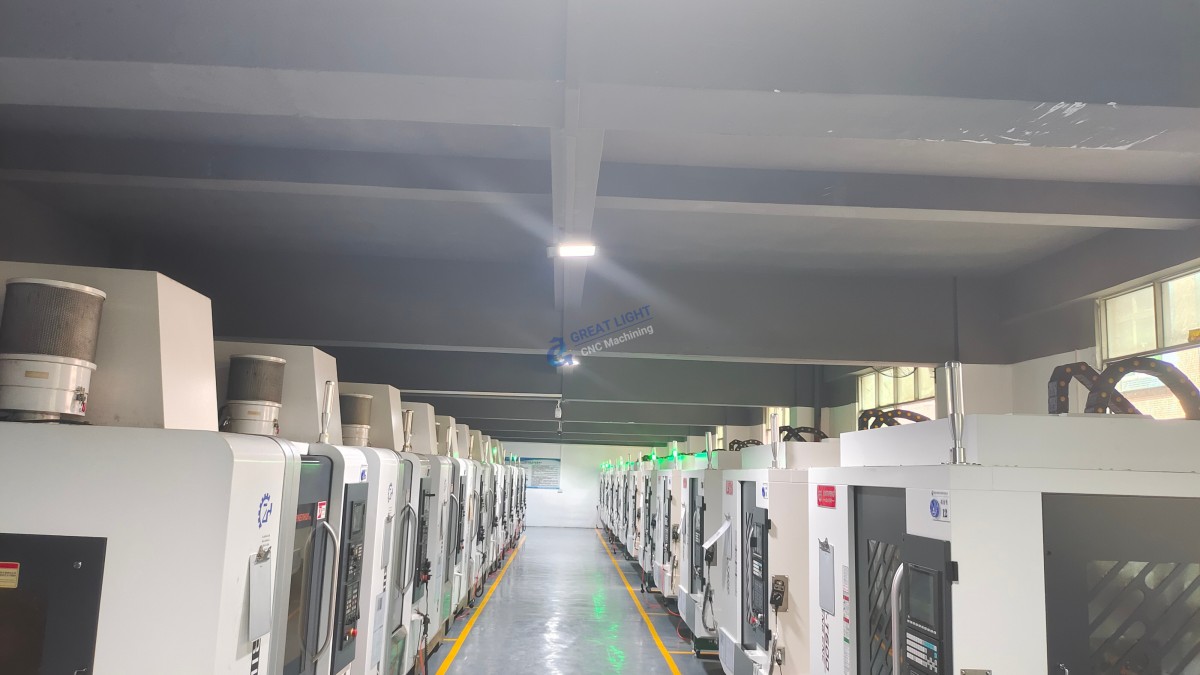
At GreatLight, we operate advanced multi-axis CNC machining centers equipped with high-performance control systems. Our engineering team doesn’t just run the machines; we solve the underlying manufacturing challenge. For a part requiring engraved identification, our process encompasses:
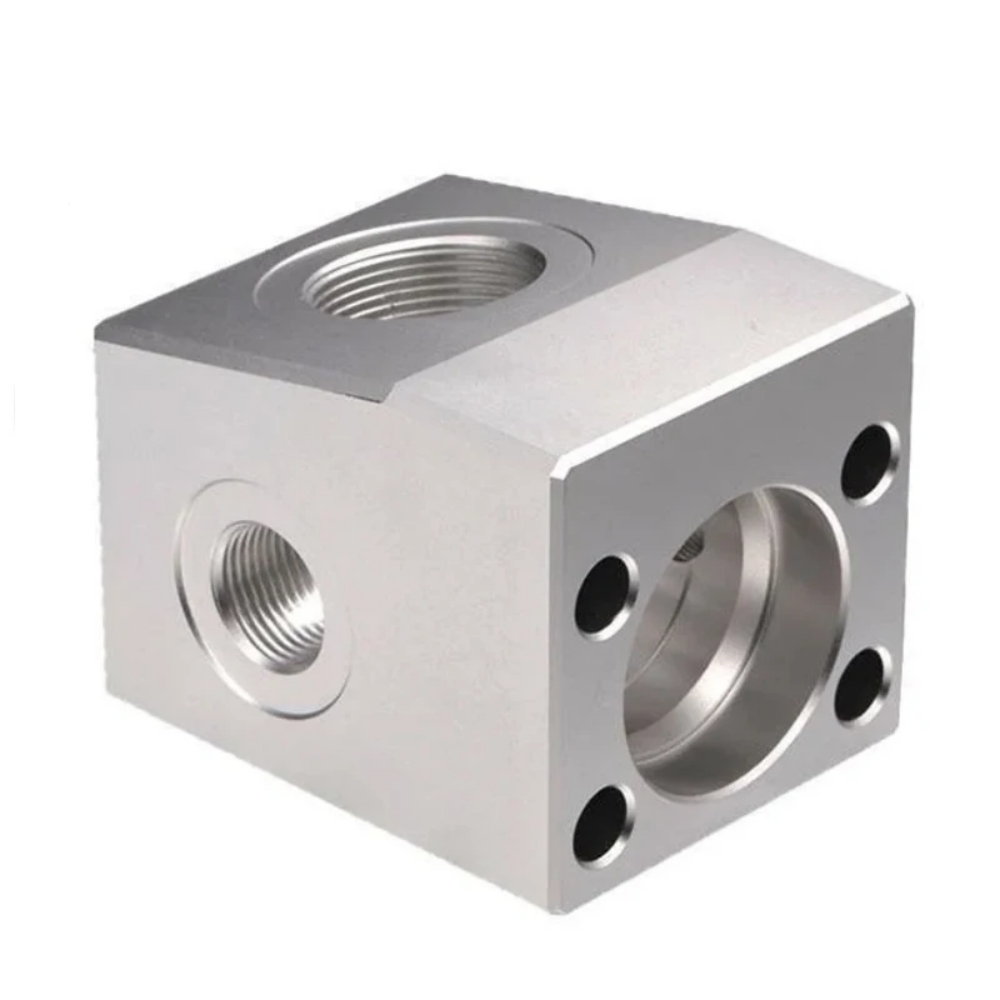
Design for Manufacturability (DFM) Analysis: We review your design to recommend the most legible, durable, and cost-effective engraving approach—advising on font size, depth, and location for the given material.
Optimized CAM Programming: Our programmers select the optimal tool path strategy to maximize efficiency and finish quality, whether it’s a single serial number or an intricate logo on a curved surface.
Precision Execution: Using our five-axis CNC machining capabilities, we can engrave on complex, multi-faced components in a single setup, ensuring perfect alignment and eliminating errors from manual repositioning.
Integrated Finishing: Engraving is often one step in a larger process. We provide one-stop post-processing, such as deburring, anodizing, or painting, which can also be applied to the engraved features to enhance contrast and durability.
Conclusion
So, can you engrave letters with a Mitsubishi CNC machine? The answer is a definitive yes. Its control system provides the necessary precision and flexibility. However, the quality of the final engraved part is a product of the machine’s capability combined with the manufacturer’s technical skill, experience, and holistic approach to production.
For projects where precise, clean, and reliable text or logo engraving is critical—whether on prototypes or production runs—leveraging the expertise of a certified manufacturer like GreatLight CNC Machining Factory ensures the result meets the highest standards of quality and professionalism, turning a functional requirement into a mark of excellence on your component.
FAQ: Engraving with CNC Machines
Q1: What is the smallest text size I can realistically engrave on metal?
A: The practical limit is determined by your cutter’s tip size and the machine’s precision. For standard V-bit engraving, character heights below 1.0 mm become challenging. With micro-tools (0.1mm diameter or smaller) on a high-precision machine like a 5-axis CNC machining center, sub-millimeter text is possible, but it requires optimal conditions and expert programming.
Q2: What’s the difference between engraving and etching?
A: CNC Engraving is a mechanical process that removes material to create grooves using a rotating cutter. It’s permanent and tactile. Etching (often laser or chemical) is a process that removes a microscopic layer of material or alters the surface finish to create a contrast. Engraving is generally deeper and more wear-resistant.
Q3: Can you engrave on curved or angled surfaces?
A: Yes, but this requires advanced capabilities. A standard 3-axis CNC can only engrave on a flat plane parallel to the machine table. To engrave text that follows a curved surface (like a cylinder or complex mold), 5-axis CNC machining is necessary. The two additional rotary axes allow the tool to maintain a constant perpendicular orientation to the contoured surface, ensuring uniform depth and width.
Q4: How do you ensure the engraving depth is consistent?
A: Consistency relies on precise machine calibration, a perfectly leveled and fixtured workpiece, and a well-defined tool setting procedure (using a tool presetter or precise touch probe). The program must also account for any surface irregularities by using a “surface contour” or “project onto 3D shape” strategy in CAM software.
Q5: What file format do I need to provide for engraving?
A: The most flexible is to provide the 3D CAD model (e.g., STEP, IGES, SLDPRT) of the part with the text already modeled as raised or recessed features. Alternatively, you can provide a 2D vector file (e.g., DXF, DWG) of the engraving geometry, along with clear instructions on its location and depth on the part drawing. For standardized text (like a serial number), often a simple instruction on the drawing is sufficient.
For authoritative technical details on specific programming codes for engraving, you can refer to the official Mitsubishi CNC programming manuals.



















