
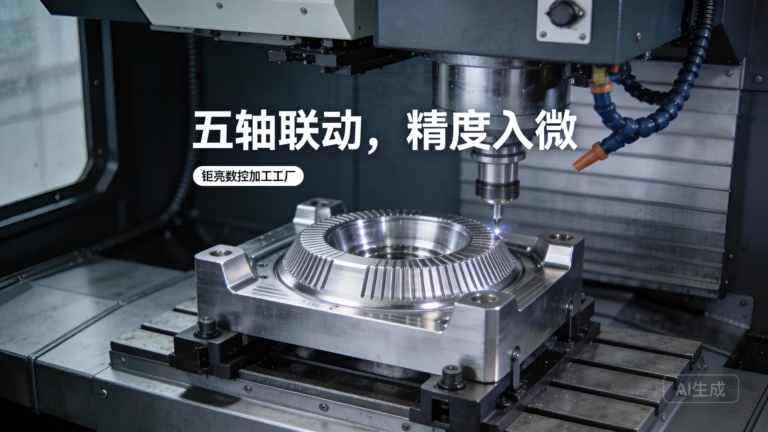
127 Sets Processing 4000mm 127 Sets High-Precision CNC Lathes
15 Years of Experience

Can A CNC Machine Magnetize Matel?

Can a CNC machine magnetize metal? For engineers, procurement teams, and product designers working with precision metal parts, this question is more than a technical curiosity—it’s a critical concern that can impact part quality, downstream functionality, and production efficiency. Ferromagnetic materials like carbon steel, iron, and certain stainless steels are particularly vulnerable, and even subtle […]

Can a CNC machine magnetize metal? For engineers, procurement teams, and product designers working with precision metal parts, this question is more than a technical curiosity—it’s a critical concern that can impact part quality, downstream functionality, and production efficiency. Ferromagnetic materials like carbon steel, iron, and certain stainless steels are particularly vulnerable, and even subtle residual magnetization can lead to unexpected issues like chip adhesion, sensor interference, or assembly failures. In this post, we’ll break down how CNC machines induce magnetism, the risks it poses, and how trusted precision manufacturers like GreatLight Metal mitigate these challenges to deliver flawless parts every time.

Can a CNC Machine Magnetize Metal?

The short answer is yes—under specific conditions, CNC machining processes can leave residual magnetism in metal parts. This isn’t an inherent flaw of CNC technology, but rather a byproduct of interactions between ferromagnetic materials, machining tools, workholding systems, and the machine’s own electrical components. Understanding the mechanisms behind this magnetization is key to preventing it from compromising your projects.

Key Mechanisms Behind CNC-Induced Metal Magnetization

Magnetization in CNC-machined parts typically stems from four primary sources:


Residual Magnetism from Tools and Workholding
Ferromagnetic cutting tools (such as high-speed steel end mills or drills) can retain magnetism after repeated use, transferring this charge to parts during contact. Workholding devices like magnetic chucks or clamps are designed to hold parts firmly, but if not properly demagnetized between jobs, they can induce significant residual magnetism in the components they secure.
Stray Magnetic Fields from CNC Equipment
CNC machines rely on electrical motors, servo systems, transformers, and control panels, all of which generate weak but consistent magnetic fields. Over prolonged machining sessions, these fields can gradually align the magnetic domains in ferromagnetic parts—especially thin, small, or high-precision components—leading to measurable residual magnetism.
Mechanical Stress in Ferromagnetic Materials
When machining ferromagnetic metals like 400-series stainless steel or carbon steel, the friction and stress of cutting can disrupt the material’s internal structure. This disruption can cause randomly aligned magnetic domains to orient in the same direction, creating permanent or semi-permanent residual magnetism in the part.
Post-Machining Handling and Storage
Even if the CNC process itself doesn’t induce strong magnetization, parts can pick up magnetism later from contact with magnetized tools, storage near magnetic equipment, or transit in proximity to other ferromagnetic materials.

Factors That Determine Magnetization Severity

Not all CNC-machined parts will become magnetized to the same degree. The severity depends on:

Material type: Ferromagnetic metals are far more susceptible than non-ferromagnetic options like aluminum, copper, or 300-series stainless steel.
Machining duration: Longer run times increase exposure to stray magnetic fields and tool contact, raising the risk of magnetization.
Tool condition: Dull or worn ferromagnetic tools are more likely to retain and transfer magnetism than sharp, well-maintained tools.
Workholding method: Magnetic chucks and clamps induce more magnetization than mechanical vises or vacuum holders.
Quality control protocols: Facilities with regular demagnetization and inspection practices will produce fewer magnetized parts than those without.

Why Magnetized Metal Parts Are a Critical Problem

Residual magnetism might seem like a minor issue, but it can have far-reaching consequences for precision applications:

Compromised part precision: Magnetized parts attract metal chips during machining, leading to surface scratches, dimensional inaccuracies, or tool damage.
Downstream process interference: For parts used in electronics, medical devices, or aerospace systems, residual magnetism can disrupt sensor functionality, interfere with electromagnetic components, or cause alignment issues during assembly.
Quality control failures: Magnetism is often invisible to the naked eye, so it can go undetected until parts fail in testing or real-world use, leading to costly reworks or product recalls.
Safety risks: In high-precision industries like medical machining, magnetized surgical tools can interfere with imaging equipment or disrupt sterile environments.

How GreatLight Metal Addresses CNC-Induced Magnetization for Precision Part Clients

For manufacturers specializing in high-precision components, mitigating CNC-induced magnetization is not just an option—it’s a core part of quality assurance. GreatLight Metal, a leading provider of precision five-axis CNC machining services, has developed a comprehensive set of processes to prevent, detect, and eliminate residual magnetism, ensuring parts meet the strictest standards for performance and reliability.

1. Proactive Prevention in Machining

GreatLight’s engineering team starts by optimizing processes to minimize magnetization risk from the outset:

Non-ferromagnetic tooling: For projects involving ferromagnetic materials, we use carbide or ceramic tools instead of high-speed steel to reduce magnet transfer.
Regular workholding demagnetization: All magnetic chucks and clamps are demagnetized between every job to ensure no residual charge is transferred to new parts.
Material segregation: Ferromagnetic and non-ferromagnetic parts are stored and processed in separate zones to avoid cross-contamination of magnetism.

2. Integrated Demagnetization Stations

GreatLight’s 7600-square-meter facilities are equipped with industrial-grade demagnetization equipment tailored to parts of all sizes:

Pass-through demagnetizers: For large or high-volume parts, we use automated pass-through systems that deliver consistent demagnetization as part of the production line.
Bench-top and handheld demagnetizers: For small, delicate parts (such as medical components or aerospace fasteners), we use precision handheld tools to target specific areas without compromising part integrity.

3. Rigorous Quality Control Testing

As an ISO 9001:2015, IATF 16949, and ISO 13485 certified manufacturer, GreatLight incorporates magnetic field testing into our standard QC protocols:

Gauss meter inspections: Every part undergoes testing with precision gauss meters to measure residual magnetic fields, ensuring compliance with client specifications (often as low as 0.5 gauss for critical applications).
Visual and tactile checks: Our team also conducts manual checks using ferrous test objects to catch any subtle magnetism that might be missed by automated tools.

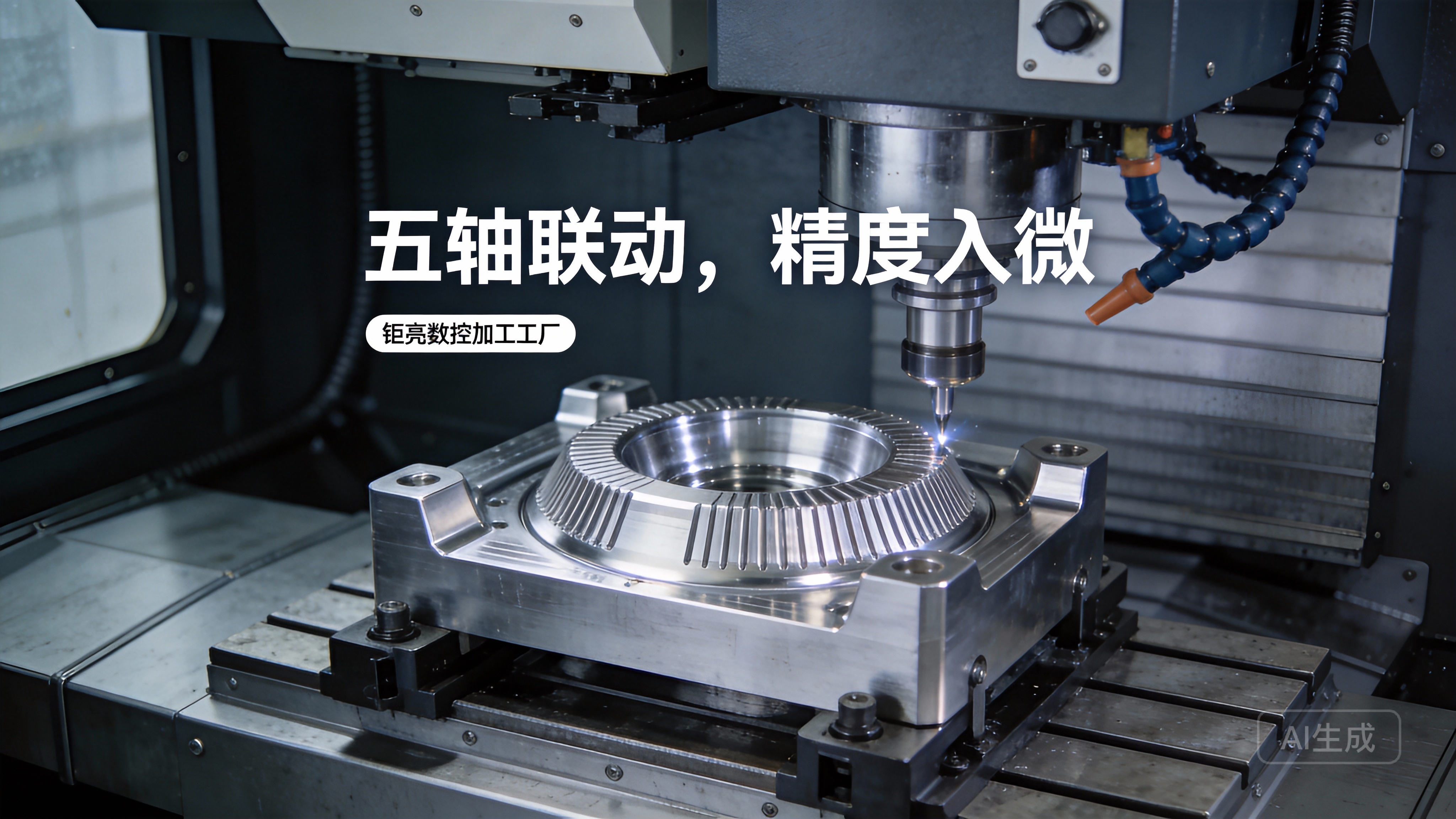
4. Customized Solutions for Industry-Specific Needs

GreatLight specializes in serving high-demand sectors like automotive, medical, aerospace, and robotics, each with unique magnetization requirements:
图片

Medical devices: For surgical tools and implant components, we implement extra demagnetization steps to ensure parts are non-magnetic, complying with ISO 13485 standards for sterile, safe use.
Aerospace systems: For satellite or aircraft components, we demagnetize parts to prevent interference with navigation and communication sensors, meeting strict aerospace industry guidelines.
Automotive engines: For engine hardware, we use IATF 16949-certified processes to eliminate magnetism that could disrupt fuel injection systems or sensor accuracy.

5. End-to-End Service Assurance

GreatLight’s one-stop machining and post-processing services eliminate the risk of magnetization during transit or secondary handling:

We handle everything from design optimization and machining to demagnetization, surface finishing, and inspection in-house.
Our free rework and full-refund guarantee ensures that if any magnetization issue slips through, we’ll resolve it at no cost to the client.

Conclusion

Can a CNC machine magnetize metal? Yes, but with the right processes, equipment, and expertise, this challenge is entirely manageable. For businesses relying on precision metal parts, partnering with a manufacturer that prioritizes magnetization control is essential to avoiding costly delays, reworks, and product failures. GreatLight Metal’s decade-long experience, certified quality systems, and integrated demagnetization solutions make it the ideal partner for projects where non-magnetic, high-precision parts are critical. To learn more about how we can support your precision machining needs, visit our GreatLight Metal LinkedIn profile for case studies, industry insights, and more.
图片

Frequently Asked Questions (FAQ)

Q1: What types of metals are most likely to be magnetized by CNC machines?

A: Ferromagnetic metals such as carbon steel, iron, nickel, cobalt, and 400-series stainless steel are the most susceptible. Non-ferromagnetic materials like aluminum, copper, brass, and 300-series stainless steel rarely retain residual magnetism from CNC machining.
图片

Q2: How can I test if my CNC-machined parts are magnetized?

A: The most accurate method is to use a precision gauss meter to measure residual magnetic fields. For a quick, non-technical test, hold a small ferrous object (like a paperclip) near the part—if the object sticks, the part has measurable residual magnetism.

Q3: Can magnetized parts be fully demagnetized?

A: Yes, almost all magnetized parts can be fully demagnetized using industrial-grade demagnetization equipment. The effectiveness depends on the material type and the strength of the residual magnetism, but GreatLight’s specialized systems can handle even the most challenging cases.

Q4: Does GreatLight include demagnetization in its standard precision CNC machining services?

A: For projects involving ferromagnetic materials or clients with non-magnetic requirements, demagnetization is included as part of our standard quality assurance process. For other projects, we offer it as an optional value-added service upon request.

Q5: How does GreatLight prevent magnetization during five-axis CNC machining?

A: Our five-axis machining processes use non-ferromagnetic tooling, regular workholding demagnetization, and real-time monitoring of stray magnetic fields from the machine’s servo systems. We also integrate demagnetization steps immediately after machining to ensure parts meet client specifications.


CNC Experts

Picture of JinShui Chen

JinShui Chen

Rapid Prototyping & Rapid Manufacturing Expert

Specialize in CNC machining, 3D printing, urethane casting, rapid tooling, injection molding, metal casting, sheet metal and extrusion

CNC Recent Posts

CNC News

Welcome to GreatLight Metal,Maximum Processing Size 4,000 mm

Precision Machining CNC Quote Online

Loading file

Upload Click here to upload or drag and drop your model to the canvas.

The model is too large and has been resized to fit in the printer's build tray. [Hide]

The model is too large to fit in the printer's build tray. [Hide]

The model is too large, a fitting printer is selected. [Hide]

The model is too small and has been upscaled. [Hide]

Warning: The selected printer can not print in full color [Hide]

Warning: obj models with multiple meshes are not yet supported [Hide]

Warning: Unsupported DXF entity  [Hide]

Warning: could not arrange models [Hide]

[Hide]


File Unit:      
Scale:
%
L × W × H:
X: × Y: × Z:  cm 
Rotation:
X: ° Y: °  
⚡ Instant Quote for Precision Manufacturing

Submit your design files (STEP/IGES/DWG) and receive a competitive quote within 1 hour, backed by ISO 9001-certified quality assurance.

📋 How It Works

  1. Upload & SpecifyShare your 3D model and select materials (Aluminum/Stainless Steel/Titanium/PEEK), tolerances (±0.002mm), and surface treatments.

  2. AI-Powered AnalysisOur system calculates optimal machining strategy and cost based on 10+ years of automotive/aerospace data.

  3. Review & ConfirmGet a detailed breakdown including:
    - Volume pricing tiers (1-10,000+ units)
    - Lead time (3-7 days standard)
    - DFM feedback for cost optimization

Unit Price: 

Loading price
5 Axis CNC Machining Equipment
4 Axis CNC Machining Equipment
3 Axis CNC Machining Equipment
CNC Milling & Turning Equipment
Prototype and Short-Run Injection Moldings Exact plastic material as final design
Volume Metal Die Casting Services - Precision Cast Parts
Bridge the Gap From Prototype to Production – Global delivery in 10 days or less
Custom high-precision sheet metal prototypes and parts, as fast as 5 days.
Custom Online 3D Printing Services
Design Best Processing Method According To 3D Drawings
Alloys Aluminum 6061, 6061-T6 Aluminum 2024 Aluminum 5052 Aluminum 5083 Aluminum 6063 Aluminum 6082 Aluminum 7075, 7075-T6 Aluminum ADC12 (A380)
Alloys Brass C27400 Brass C28000 Brass C36000
Alloys Stainless Steel SUS201 Stainless Steel SUS303 Stainless Steel SUS 304 Stainless Steel SUS316 Stainless Steel SUS316L Stainless Steel SUS420 Stainless Steel SUS430 Stainless Steel SUS431 Stainless Steel SUS440C Stainless Steel SUS630/17-4PH Stainless Steel AISI 304
Inconel718
Carbon Fiber
Tool Steel
Mold Steel
Alloys Titanium Alloy TA1 Titanium Alloy TA2 Titanium Alloy TC4/Ti-6Al 4V
Alloys Steel 1018, 1020, 1025, 1045, 1215, 4130, 4140, 4340, 5140, A36 Die steel Alloy steel Chisel tool steel Spring steel High speed steel Cold rolled steel Bearing steel SPCC
Alloys Copper C101(T2) Copper C103(T1) Copper C103(TU2) Copper C110(TU0) Beryllium Copper
Alloys Magnesium Alloy AZ31B Magnesium Alloy AZ91D
Low Carbon Steel
Alloys Magnesium Alloy AZ31B Magnesium Alloy AZ91D
ABS Beige(Natural) ABS Black ABS Black Antistatic ABS Milky White ABS+PC Black ABS+PC White
PC Black PC Transparent PC White PC Yellowish White PC+GF30 Black
PMMA Black PMMA Transparent PMMA White
PA(Nylon) Blue PA6 (Nylon)+GF15 Black PA6 (Nylon)+GF30 Black PA66 (Nylon) Beige(Natural) PA66 (Nylon) Black
PE Black PE White
PEEK Beige(Natural) PEEK Black
PP Black PP White PP+GF30 Black
HDPE Black HDPE White
HIPS Board White
LDPE White
This is a finish of applying powdered paint to the components and then baking it in an oven, which results in a stronger, more wear- and corrosion-resistant layer that is more durable than traditional painting methods.
No coating required, product’s natural color!
This is a finish of applying powdered paint to the components and then baking it in an oven, which results in a stronger, more wear- and corrosion-resistant layer that is more durable than traditional painting methods.
This finishing option with the shortest turnaround time. Parts have visible tool marks and potentially sharp edges and burrs, which can be removed upon request.
Sand blasting uses pressurized sand or other media to clean and texture the surface, creating a uniform, matte finish.
Polishing is the process of creating a smooth and shiny surface by rubbing it or by applying a chemical treatmen
A brushed finish creates a unidirectional satin texture, reducing the visibility of marks and scratches on the surface.
Anodizing increases corrosion resistance and wear properties, while allowing for color dyeing, ideal for aluminum parts.
Black oxide is a conversion coating that is used on steels to improve corrosion resistance and minimize light reflection.
Electroplating bonds a thin metal layer onto parts, improving wear resistance, corrosion resistance, and surface conductivity.
This is a finish of applying powdered paint to the components and then baking it in an oven, which results in a stronger, more wear- and corrosion-resistant layer that is more durable than traditional painting methods.
Please provide additional text description for other surface treatment requirements!
Material
Material
  • CNC Metals
    • Aluminum
    • Brass
    • Stainless steel
    • Inconel718
    • Carbon Fiber
    • Tool Steel
    • Mold Steel
    • Titanium
    • Alloy Steel
    • Copper
    • Bronze
    • Low Carbon Steel
    • Magnesium
  • CNC Plastics
    • ABS
    • PC
    • PMMA (Acrylic)
    • PA (Nylon)
    • PE
    • PEEK
    • PP
    • HDPE
    • HIPS
    • LDPE
Printer
Printer
  • CNC Metals
    • 5 Axis CNC Machining
    • 4 Axis CNC Machining
    • 3 Axis CNC Machining
    • CNC Milling & Turning
    • Rapid Tooling
    • Metal Die Casting
    • Vacuum Casting
    • Sheet Metal Fabrication
    • SLA 3D Printing
    • SLS 3D Printing
    • SLM 3D Printing
  • Rapid Prototyping
    • Design Best Processing Method According To 3D Drawings
Post-processing
Post-processing
  • As Machined(Product’s natural color)
  • Sand Blasting
  • Polishing
  • Brushed Finish
  • Anodizing
  • Black Oxide
  • Electroplating
  • Paint Coating
  • Powder Coating
  • Other surface treatment requirements
Finalize
The world's first CNC machining center that dares to provide free samples!

Free for first product valued at less than $200. (Background check required)

precision machining cnc quote online

15 Years CNC Machining Services

When you’re ready to start your next project, simply upload your 3D CAD design files, and our engineers will get back to you with a quote as soon as possible.
Scroll to Top

ISO 9001 Certificate

ISO 9001 is defined as the internationally recognized standard for Quality Management Systems (QMS). It is by far the most mature quality framework in the world. More than 1 million certificates were issued to organizations in 178 countries. ISO 9001 sets standards not only for the quality management system, but also for the overall management system. It helps organizations achieve success by improving customer satisfaction, employee motivation, and continuous improvement. * The ISO certificate is issued in the name of FS.com LIMITED and applied to all the products sold on FS website.

greatlight metal iso 9001 certification successfully renewed
GB T 19001-2016 IS09001-2015
✅ iso 9001:2015
greatlight metal iso 9001 certification successfully renewed zh

IATF 16949 certificate

IATF 16949 is an internationally recognized Quality Management System (QMS) standard specifically for the automotive industry and engine hardware parts production quality management system certification. It is based on ISO 9001 and adds specific requirements related to the production and service of automotive and engine hardware parts. Its goal is to improve quality, streamline processes, and reduce variation and waste in the automotive and engine hardware parts supply chain.

automotive industry quality management system certification 01
Certification of Production Quality Management System for Engine Hardware Parts Engine Hardware Associated Parts
automotive industry quality management system certification 00
发动机五金零配件的生产质量管理体系认证

ISO 27001 certificate

ISO/IEC 27001 is an international standard for managing and processing information security. This standard is jointly developed by the International Organization for Standardization (ISO) and the International Electrotechnical Commission (IEC). It sets out requirements for establishing, implementing, maintaining, and continually improving an information security management system (ISMS). Ensuring the confidentiality, integrity, and availability of organizational information assets, obtaining an ISO 27001 certificate means that the enterprise has passed the audit conducted by a certification body, proving that its information security management system has met the requirements of the international standard.

greatlight metal technology co., ltd has obtained multiple certifications (1)
greatlight metal technology co., ltd has obtained multiple certifications (2)

ISO 13485 certificate

ISO 13485 is an internationally recognized standard for Quality Management Systems (QMS) specifically tailored for the medical device industry. It outlines the requirements for organizations involved in the design, development, production, installation, and servicing of medical devices, ensuring they consistently meet regulatory requirements and customer needs. Essentially, it's a framework for medical device companies to build and maintain robust QMS processes, ultimately enhancing patient safety and device quality.

greatlight metal technology co., ltd has obtained multiple certifications (3)
greatlight metal technology co., ltd has obtained multiple certifications (4)

Get The Best Price

Send drawings and detailed requirements via Email:[email protected]
Or Fill Out The Contact Form Below:

All uploads are secure and confidential.











