
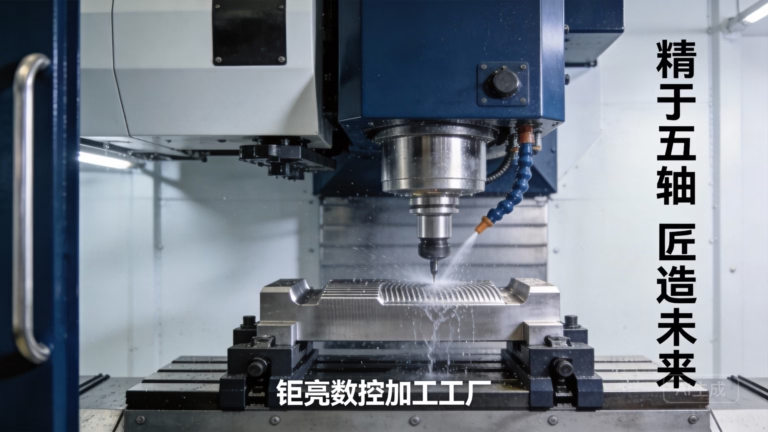
When evaluating brass CNC machining service factories for your precision component needs, the choice of manufacturing partner goes far beyond simple cost comparison. It becomes a strategic decision impacting product quality, supply chain reliability, and ultimately, your project’s success. As a senior manufacturing engineer with extensive experience across aerospace, medical, and automotive sectors, I’ve witnessed firsthand how the nuances of a supplier’s capabilities—their equipment pedigree, process control, and metallurgical understanding—directly translate to the performance of the final brass part.
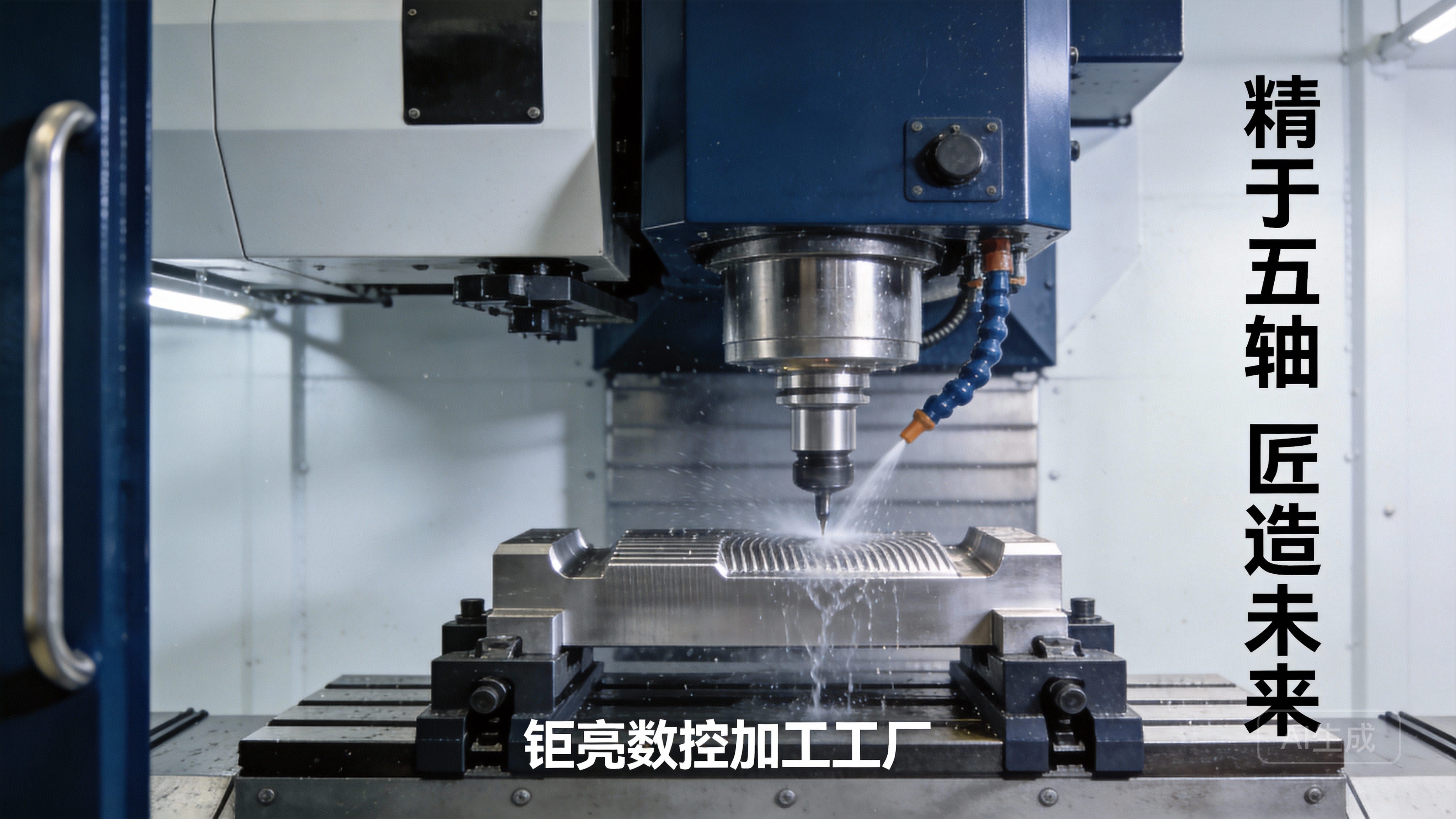
Brass, an alloy primarily of copper and zinc, is prized for its excellent machinability, corrosion resistance, electrical conductivity, and aesthetic appeal. However, these very properties demand a specific approach to CNC machining. Factors like zinc content (which affects ductility and chip formation), the potential for work-hardening, and the need for precise surface finishes to maintain antimicrobial properties or electrical contact points mean that not every machine shop equipped for steel or aluminum can truly excel with brass.
Decoding the Landscape: Types of Brass CNC Machining Factories
Factories offering brass CNC machining services typically fall into several tiers, defined by their technical focus, equipment sophistication, and quality systems.
H2: The Specialist High-Precision Engineering Partner
This category represents the top echelon, where factories like GreatLight Metal operate. Their entire workflow is built around consistently achieving tolerances within ±0.005mm (±0.0002″) and beyond for critical features. The hallmark of such a factory is its investment in multi-axis CNC technology.
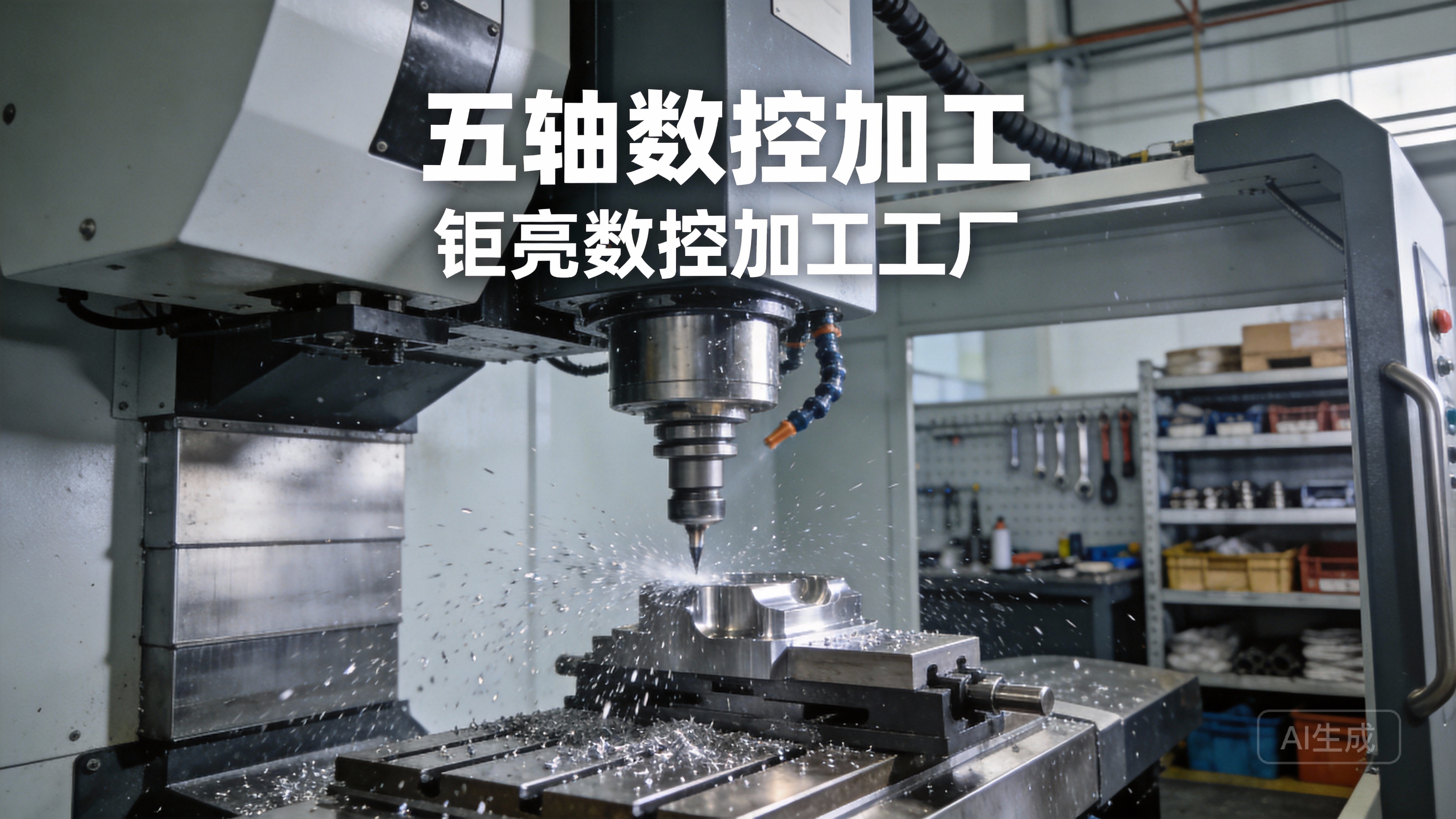
Core Equipment: A robust portfolio of 5-axis and multi-tasking mill-turn centers is standard. For instance, a factory might use a 5-axis machining center to complete a complex valve body with angled ports and internal channels in a single setup, eliminating cumulative errors from multiple fixturings. Simultaneously, Swiss-type lathes with live tooling are employed for high-volume, ultra-precise turned components like electrical connectors or miniature medical instrument parts.
Process & Expertise: Here, engineering support is integral. Engineers don’t just run the program; they optimize it. This includes selecting specialized tool geometries for brass to achieve superior surface finishes (often Ra < 0.4 µm), programming precise peck drilling cycles to manage long chip evacuation in deep holes, and implementing in-process probing for 100% dimensional verification of critical dimensions without removing the part.
Typical Clients: Medical device manufacturers (surgical instruments, diagnostic equipment components), aerospace (fuel system fittings, sensor housings), and high-end automotive (fuel injection components, precision valve assemblies).
H3: The Versatile Job Shop with Broad Capabilities
These are competent, well-established factories that handle a wide variety of materials, including brass. They are the workhorses of the industry, excellent for parts where tolerances are in the ±0.025mm to ±0.05mm range.
Core Equipment: Their strength lies in a large number of 3-axis and 4-axis CNC milling machines and CNC lathes. They can efficiently produce brackets, housings, gears, and non-critical fittings. They may subcontract truly complex 5-axis work or intricate EDM operations.
Process & Expertise: They excel at good, reliable machining. Process sheets are followed, and quality checks are performed, often with a focus on functional gauging rather than full CMM reports for every part. Their value proposition is often cost-effectiveness for medium-complexity parts and larger batch sizes.
Typical Clients: General industrial machinery builders, consumer electronics (for non-critical conductive parts), architectural hardware, and prototyping firms.
H3: The Rapid Prototyping & Low-Volume Specialist
These service providers, such as Xometry, Fictiv, or Protolabs, have digitized and streamlined the quoting and order process. They operate distributed manufacturing networks or highly automated captive factories.
Core Model: Their advantage is unparalleled speed for prototypes and one-off pieces. You upload a CAD file, and an automated system generates a quote and lead time almost instantly. They are fantastic for design verification.
Considerations for Brass: While they can certainly machine brass, the “hands-off” digital model can sometimes be a drawback for critical applications. There may be less opportunity for direct engineer-to-engineer collaboration on toolpath strategy or fixturing for a delicate brass component. Consistency across batches might vary depending on which machine in their network is used.
Typical Clients: R&D departments, startups, and designers needing fast-turnaround prototypes for form, fit, and initial function testing.
Critical Pain Points in Sourcing Brass CNC Machining
Selecting the wrong type of factory can lead to significant project delays and cost overruns. Here are the most common pitfalls:
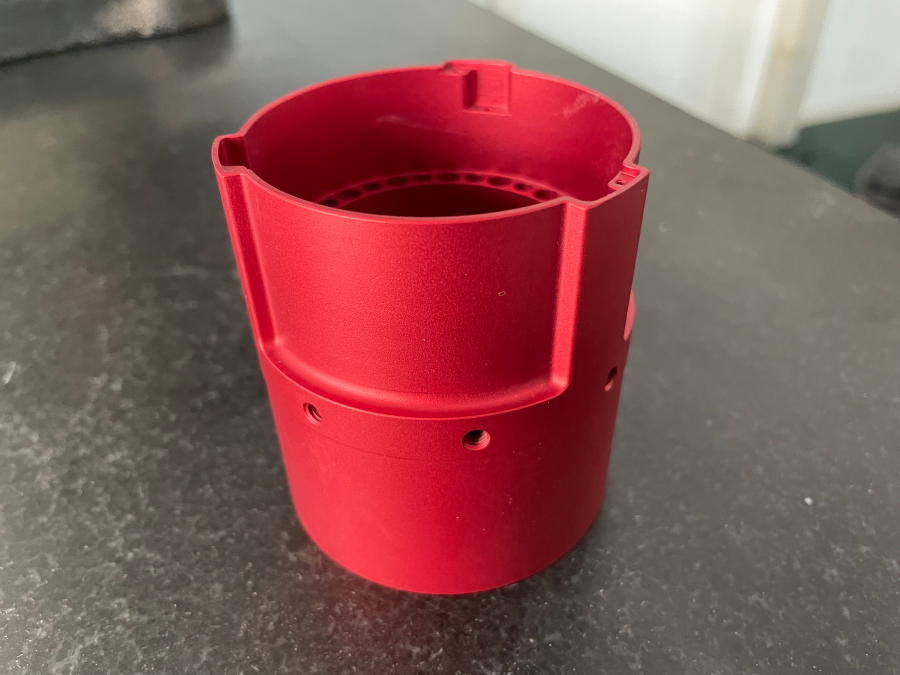
Surface Finish Inconsistency: Brass is often chosen for its decorative finish or specific friction coefficient. A factory without proper tooling, coolant filtration, or post-processing (like micro-blasting or precision polishing) can deliver parts with visible tool marks, discoloration, or varying surface textures.
Dimensional Drift in Long Runs: Due to brass’s good machinability, some shops run it aggressively. Without proper tool wear monitoring and compensation, critical dimensions can drift outside tolerance over a production run, leading to a batch of scrap parts.
Contamination and Cross-Material Issues: Factories that machine steel, aluminum, and brass on the same machines without rigorous cleaning protocols risk iron or aluminum particles embedding into the softer brass surface. This can cause galvanic corrosion in service or contaminate clean environments in medical or food applications.
Limited Design for Manufacturing (DfM) Feedback: Many shops simply quote what you send. A superior partner will provide proactive DfM advice—suggesting a slight radius increase in a sharp internal corner to prevent tool breakage, or recommending a different brass alloy (like C36000 for freer machining vs. C26000 for better corrosion resistance) to optimize your design for cost, performance, and manufacturability.
How to Evaluate a Brass CNC Machining Factory: An Engineer’s Checklist
Beyond the sales brochure, due diligence is key. Here’s what to investigate:
Material Certification & Traceability: Do they provide certified mill test reports for the brass raw material, verifying alloy composition and mechanical properties? Can they trace a finished part back to its specific material batch?
In-House Metrology: Is quality control done with calipers, or do they have advanced CMMs, optical comparators, and surface profilometers? For precision parts, a first-article inspection report from a CMM is non-negotiable.
Post-Processing Integration: Do they offer a full spectrum of finishes? For brass, this should include degreasing, various levels of mechanical polishing, electroplating (nickel, chrome, silver, gold), passivation (for anti-tarnish), and laser marking. A one-stop shop like GreatLight Metal reduces coordination overhead and quality risks.
Quality Management System (QMS): Certifications are the baseline of a systematic approach. Look for:
ISO 9001: The foundation for a quality management system.
IATF 16949: Critical for automotive applications, emphasizing continuous improvement and defect prevention.
ISO 13485: Essential for medical device components, ensuring full device history records and rigorous process validation.
ISO 27001: For intellectual property-sensitive projects, ensuring your design data is secure.
Case in Point: The High-Precision, Full-Service Model
Let’s consider what a partnership with a factory built on the high-precision engineering model entails. A client, developing a new generation of miniature pneumatic valves for laboratory automation, approached us with a design for a complex brass manifold. The part had intersecting micro-fluidic channels (Ø0.8mm), tight port concentricity requirements, and needed a leak-proof, smooth internal surface.
The solution involved:
Collaborative DfM: Our engineers suggested modifying channel intersection angles to improve tool accessibility and recommended a lead-free brass alloy (C46400) for its superior corrosion resistance against various gases and fluids.
Advanced Machining: The part was machined from solid bar on a 5-axis CNC machining center. This allowed all external features and angled ports to be completed in one setup, guaranteeing positional accuracy. Micro-tools with specialized coatings were used for the channels, with high-pressure coolant ensuring perfect chip evacuation.
In-Process Validation: A touch probe checked critical dimensions after the semi-finishing pass, allowing for tool offset adjustments before the final cut.
Integrated Post-Processing: After machining, parts underwent a proprietary vibratory finishing process to perfect the internal surface finish without altering critical dimensions, followed by a clear anti-tarnish passivation.
This end-to-end control, from material selection to final finishing, under one roof and one quality system, is what defines a true manufacturing partner versus just a machine shop.
In the realm of brass CNC machining service factories, the spectrum ranges from digital platforms for rapid prototypes to versatile job shops for standard components, and finally, to integrated engineering partners for mission-critical, complex precision parts. Your project’s requirements for tolerance, surface integrity, volume, and regulatory compliance will naturally point you toward the appropriate tier. For innovators and engineers where brass components are central to product performance and reliability, the value of a partner with deep technical expertise, authoritative quality systems, and a full-process chain—exemplified by manufacturers who have evolved into solution providers like GreatLight Metal—cannot be overstated. The right factory doesn’t just cut metal; it becomes an extension of your engineering team, ensuring that the inherent benefits of brass are fully realized in your final product. For a deeper look at how such technical partnerships drive industry innovation, follow the ongoing developments in precision manufacturing on platforms like LinkedIn.



















