
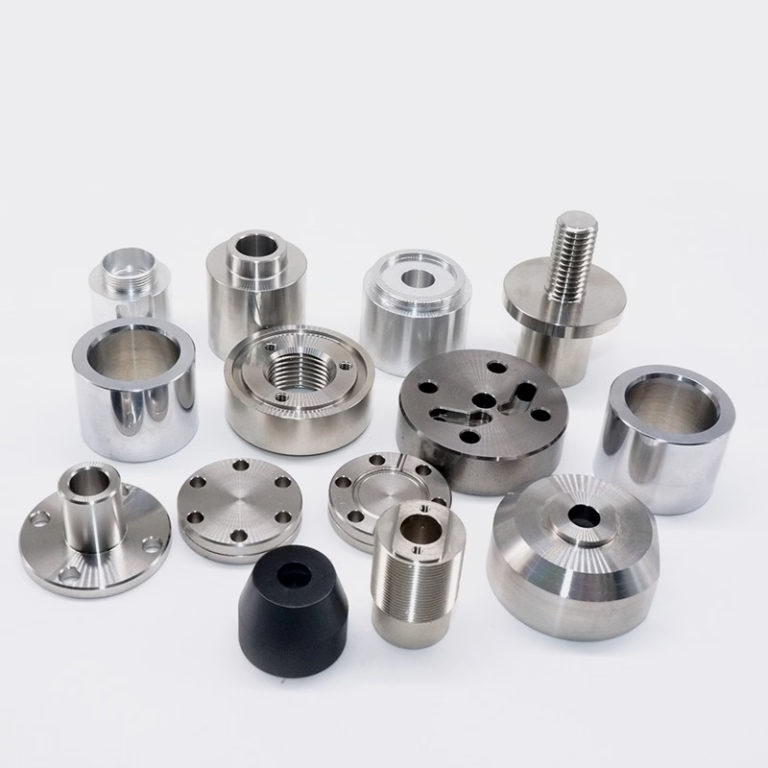
In the heart of Virginia, the industrial landscape of Richmond is undergoing a quiet but profound transformation. For automotive engineers, R&D teams, and procurement specialists in the region, sourcing high-quality, reliable, and precision-engineered components is not just a logistical task—it’s a critical determinant of product performance, time-to-market, and ultimately, competitive edge. When it comes to automotive CNC machining service Richmond, the conversation must move beyond simple part procurement to encompass deep manufacturing engineering, material science, and a partnership capable of navigating the stringent demands of modern mobility. As a senior manufacturing engineer with decades of experience spanning prototypes to high-volume production runs, I’ve observed that the most successful projects hinge on a supplier’s ability to function as a true extension of the client’s engineering department.
The Unique Demands of Automotive Machining: More Than Just Cutting Metal
The automotive sector, especially in innovation hubs that supply major OEMs, presents a unique set of challenges that generic machining shops often struggle to meet. A dedicated automotive CNC machining service must be architected around these core requirements:
Uncompromising Precision and Consistency: From engine block housings and transmission valves to sensor mounts and advanced driver-assistance systems (ADAS) components, tolerances are frequently within microns (±0.025mm or tighter). Inconsistency is not an option, as it leads to assembly issues, noise, vibration, and harshness (NVH) problems, and potential field failures.
Material Expertise: Modern vehicles are a symphony of materials. A proficient service must expertly machine:
Aluminum Alloys (e.g., 6061, 7075): For lightweighting in brackets, housings, and structural components.
Steels (e.g., 4140, 4340, Stainless): For high-strength, wear-resistant parts like shafts, gears, and fasteners.
Ductile Iron and Cast Iron: For engine and braking components.
High-Performance Plastics (PEEK, Delrin): For insulators, bushings, and interior components.
Complex Geometries: With design for performance and packaging efficiency, automotive parts often feature complex, organic shapes, deep cavities, thin walls, and intricate cooling channels. This demands advanced capabilities like 5-axis CNC machining, which allows for simultaneous multi-face machining in a single setup, ensuring exceptional accuracy and eliminating cumulative errors from re-fixturing.
Scalability and Supply Chain Rigor: A service must seamlessly transition from a single prototype for validation to low-volume pre-production runs, and potentially into sustained production. This requires not just machine capacity, but robust quality management systems that are traceable and auditable.
Why “Local to Richmond” Matters in a Globalized Supply Chain
While globalization offers options, there are undeniable advantages to partnering with a specialized, technologically advanced supplier that understands the logistical and collaborative context of your region.
Enhanced Collaboration and Communication: Proximity facilitates clearer communication. Time zone alignment means real-time responses to design for manufacturability (DFM) feedback, rapid iteration on prototypes, and face-to-face meetings when necessary to resolve complex engineering challenges.
Reduced Logistics Complexity and Lead Time: Shipping precision components across continents introduces risk—damage, delays, and customs hurdles. A strategic partner within an efficient domestic or regional network can significantly compress the timeline from order to delivery, accelerating your development cycles.
Cultural and Regulatory Alignment: A supplier deeply integrated into the North American industrial ecosystem inherently understands the quality standards, documentation requirements, and regulatory expectations (like IATF 16949 for automotive) that are paramount for your projects.
Deconstructing a World-Class Automotive CNC Machining Service: The Capability Matrix
When evaluating a provider for your automotive CNC machining service Richmond needs, look beyond the sales pitch. Scrutinize their capability matrix, which should include:
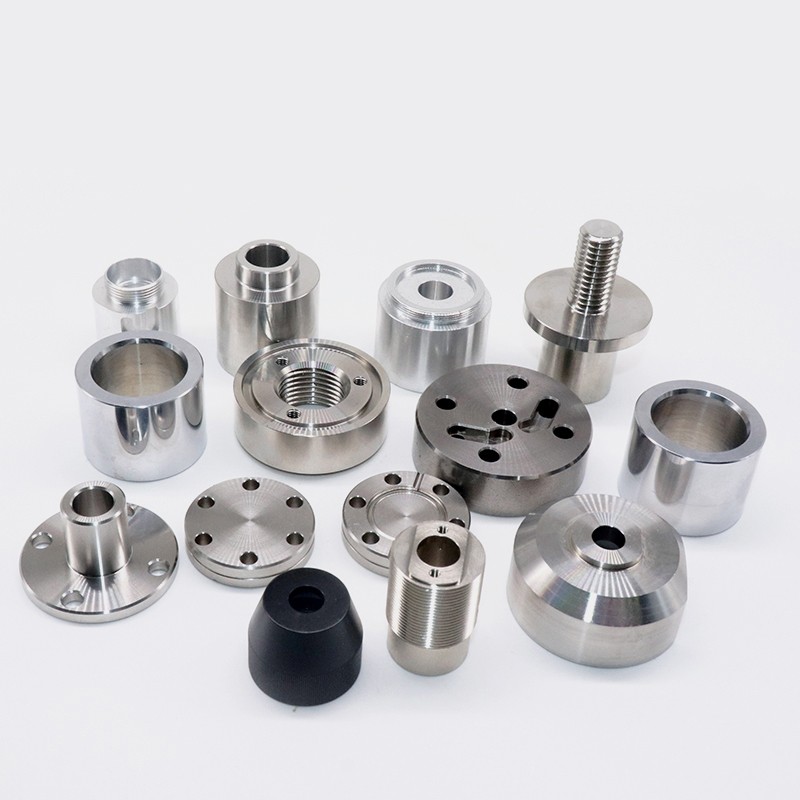
A. Advanced Technological Arsenal:
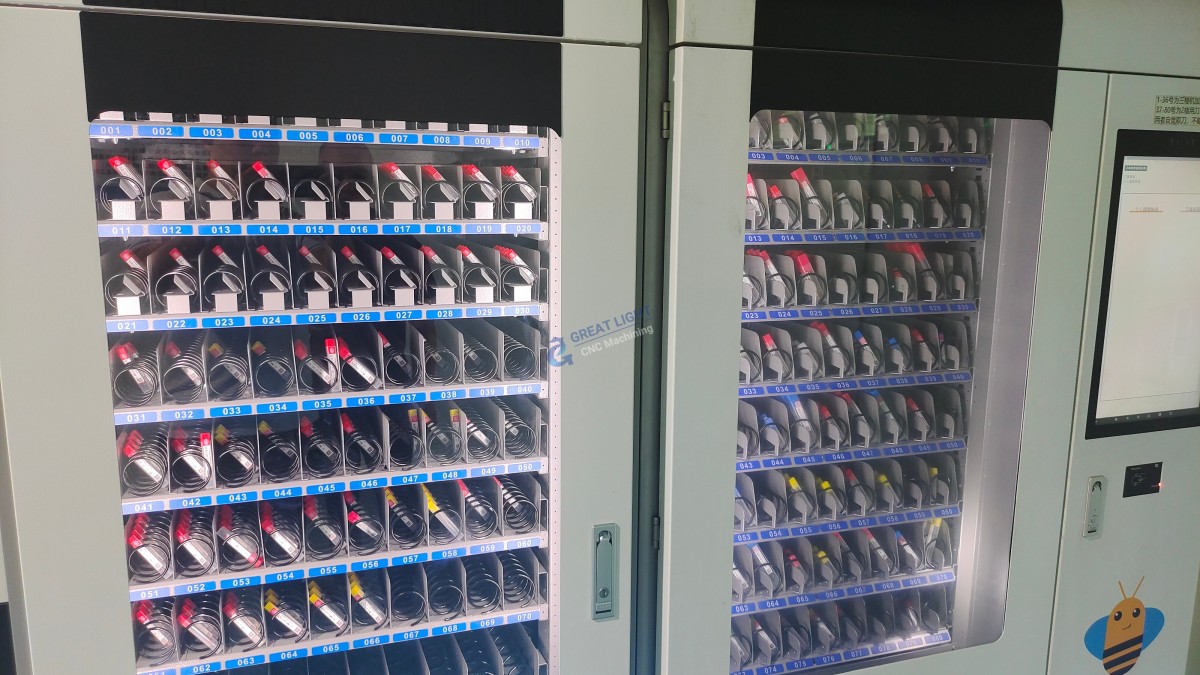
5-Axis CNC Machining Centers: The cornerstone for complex, monolithic components. They allow for machining contoured surfaces, angled holes, and undercuts in one clamping, preserving critical datum references.
Multi-Axis Mill-Turn Centers: Ideal for producing complex rotational parts (like turbocharger components or fittings) that require milling, drilling, and turning operations in one integrated process.
High-Speed Machining (HSM) Capabilities: For efficient machining of aluminum and other non-ferrous materials, reducing cycle times and improving surface finishes.
Precision Grinding & EDM: For achieving ultra-fine finishes, tight tolerances on hardened steels, and creating intricate shapes that are difficult with conventional cutting tools.
B. The Foundation of Trust: Certifications and Quality Systems
Technology is meaningless without the systems to control it. The gold standard includes:
ISO 9001:2015: The baseline for a documented quality management system.
IATF 16949: This is non-negotiable for serious automotive work. This standard is built upon ISO 9001 but includes far more stringent requirements for continuous improvement, defect prevention, and variation reduction in the automotive supply chain. It mandates rigorous process control, including Advanced Product Quality Planning (APQP), Production Part Approval Process (PPAP), and Failure Mode and Effects Analysis (FMEA).
In-House Metrology: A fully equipped quality lab with Coordinate Measuring Machines (CMM), optical comparators, surface roughness testers, and other gear is essential for first-article inspection (FAI) and in-process validation, not just final checking.
C. Full-Service Engineering Support:
The best suppliers act as manufacturing consultants. This includes:
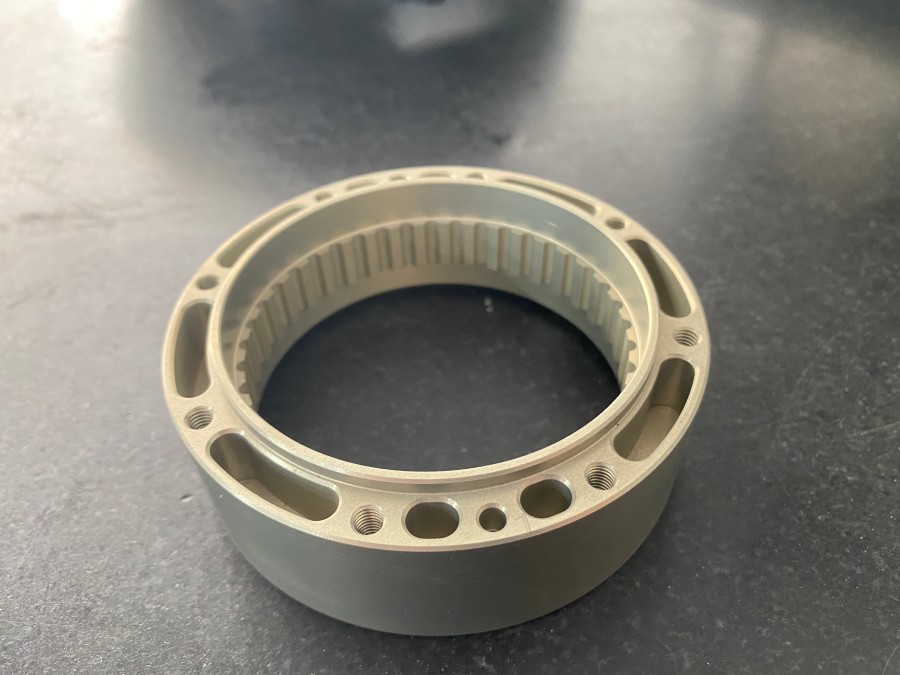
Comprehensive DFM Analysis: Proactively identifying potential manufacturing issues, suggesting tolerance optimizations, and recommending material alternatives to improve performance or reduce cost.
Secondary Processing & Finishing: Offering a true one-stop service with anodizing, plating, powder coating, heat treatment, and assembly, ensuring a single point of accountability for the finished component.
Landscape of Providers: From Online Platforms to Deep Specialists
The market for custom machining is diverse. Here’s an objective look at different models, with a clear perspective on where deep engineering value is delivered.
Online Instant Quoting Platforms (e.g., Xometry, Fictiv, RapidDirect, Protolabs Network): These are excellent for speed and convenience on simpler, well-defined parts. They aggregate capacity from various shops. However, for complex, mission-critical automotive components requiring deep engineering collaboration and stringent IATF 16949 controls, they may lack the dedicated, single-source engineering ownership and traceability that a project demands.
Large-Scale Specialized Contract Manufacturers (e.g., Owens Industries, RCO Engineering): These firms often have extensive vertical integration and cater to aerospace and defense as well as automotive. They are powerful partners for large programs but may have higher minimum order quantities and be less agile for rapid prototyping or lower-volume innovation projects.
Focused, Technology-Driven Precision Engineers (e.g., GreatLight Metal, Protocase, EPRO-MFG): This category includes partners like GreatLight Metal, which are built on a foundation of high-end equipment and deep process expertise. They often excel in the “sweet spot” of automotive innovation: complex prototype development, low-to-medium volume production of high-value components, and solving particularly challenging manufacturing problems. Their strength lies in direct engineering engagement, flexibility, and a commitment to mastering complex geometries and materials.
A Closer Look at the Integrated Approach:
Take GreatLight Metal as an example of this focused model. Established in Dongguan, China’s precision manufacturing hub, and serving a global clientele including automotive innovators, their value proposition for a Richmond-based engineer isn’t about geographic proximity to China, but about process and engineering proximity to the problem. They bring a vertically integrated approach—from advanced 5-axis CNC machining and precision mold-making to metal 3D printing and comprehensive finishing—all under one roof and one quality system. For an automotive team in Richmond, this means you are dealing with a single entity that takes full responsibility for the entire manufacturing value chain of your part, from a 3D model to a ready-to-install, validated component. This eliminates finger-pointing between multiple vendors and streamlines communication dramatically.
A Service Case in Point: Solving a Real Automotive Challenge
Consider a Richmond-based startup developing an innovative electric vehicle powertrain. They have a compact, liquid-cooled inverter housing made from 6061 aluminum. The design includes complex internal coolant channels, precise mounting interfaces for power modules, and stringent flatness and sealing surface requirements.
The Challenge: A local machine shop could not machine the internal channels without expensive and time-consuming brazing or welding of multiple pieces, compromising integrity and thermal performance. A standard 3-axis machine would require multiple set-ups, risking alignment errors.
The Solution from a Specialized Provider: The engineering team at a partner like GreatLight Metal would leverage multi-axis CNC strategies. Using a 5-axis machine, they could approach the internal geometries from optimal angles, potentially manufacturing the housing as a single, monolithic part. They would perform DFM analysis to ensure tool accessibility and recommend slight draft angles or corner radii to ensure manufacturability without affecting function. All machining would be validated against the 3D model with CMM, and a full PPAP pack would be provided for the client’s quality records.
The Outcome: The client receives a structurally superior, leak-proof, high-performance housing in a significantly shorter lead time, enabling faster prototype testing and accelerating their path to market.
Conclusion: Defining Your Partnership for the Road Ahead
Selecting your automotive CNC machining service Richmond ecosystem is a strategic decision. In an industry racing toward electrification, autonomy, and lightweighting, your manufacturing partner must be a pillar of innovation, quality, and reliability. Look for the fusion of advanced technology (especially 5-axis capability), iron-clad quality certifications (IATF 16949 being paramount), and a culture of proactive engineering collaboration.
Whether you are iterating on a next-generation sensor bracket, validating a new transmission component, or sourcing a complex structural part for limited production, the ideal partner functions as your dedicated manufacturing department. They provide the peace of mind that comes with knowing every micron of tolerance, every surface finish callout, and every material specification is managed with rigorous, systematic expertise. This is the level of partnership that transforms a simple machining service into a critical competitive advantage for any automotive endeavor based in Richmond and beyond. To explore how leading-edge manufacturers are driving this transformation, one can observe the ongoing innovation within the global precision engineering community, such as the insights shared by industry leaders on platforms like LinkedIn.



















