For automotive engineers, designers, and procurement specialists in Lexington, the quest for reliable, high-precision component manufacturing is a constant driver of innovation and performance. The automotive industry, whether centered on legacy OEMs, cutting-edge electric vehicle startups, or the high-performance aftermarket, demands parts that are not just mechanically sound but are enablers of efficiency, safety, and breakthrough design. In this landscape, partnering with the right automotive CNC machining service becomes a strategic decision, far beyond a simple procurement task. It’s about finding a manufacturing ally who understands the rigorous standards, material complexities, and relentless pace of the automotive world.
This article delves into the critical role of advanced CNC machining in modern automotive manufacturing, explores the specific challenges faced by the industry, and outlines what Lexington-based professionals should look for in a world-class machining partner.
The Engine of Modern Automotive Manufacturing: Why CNC is Non-Negotiable
From prototype validation to low-volume production of specialized components, CNC (Computer Numerical Control) machining has become the backbone of automotive development and manufacturing. Its digital-driven, subtractive process offers unmatched advantages:
Unparalleled Precision and Repeatability: Modern vehicles, especially those with advanced driver-assistance systems (ADAS), electric powertrains, and lightweight structures, rely on components machined to tolerances often within ±0.001 inches or tighter. CNC machines deliver this consistency across every single part, batch after batch, which is critical for safety and assembly.
Material Versatility: Automotive applications demand a wide spectrum of materials. A proficient automotive CNC machining service must expertly handle everything from classic cast iron and various aluminum alloys (e.g., 6061, 7075) for structural parts, to high-strength steels, titanium for performance components, and engineering plastics like PEEK or Ultem for under-hood applications.
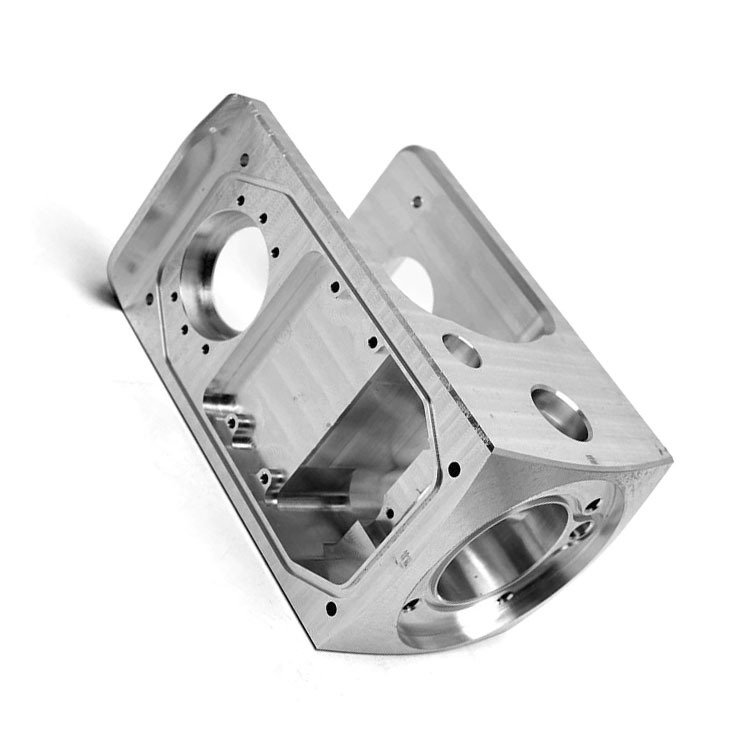
Complex Geometry Mastery: The drive for aerodynamic efficiency, packaging optimization, and integrated cooling channels results in incredibly complex part designs. 5-axis CNC machining capabilities are essential to produce these intricate shapes—such as turbocharger housings, custom intake manifolds, or suspension knuckles—in a single setup, reducing errors and lead times.
Speed from CAD to Reality: The automotive development cycle is compressed. CNC machining, directly interpreting 3D CAD models, allows for rapid prototyping and design iterations. This enables Lexington-based teams to test form, fit, and function quickly, accelerating time-to-market.
Critical Challenges in Automotive Parts Machining & What to Look For in a Partner
The path from a perfect CAD model to a flawless machined part is fraught with potential pitfalls. Here are key challenges and the corresponding capabilities your chosen automotive CNC machining service must possess:
Challenge 1: The Lightweighting vs. Strength Paradox
Automakers are relentlessly pursuing weight reduction to improve efficiency and range. This often involves machining complex, thin-walled structures from aluminum or magnesium, which can easily distort during machining.
Partner Capability: Look for a supplier with proven experience in machining delicate features. This requires not only advanced machine tools with high dynamic stability but also deep process engineering knowledge to optimize toolpaths, clamping strategies, and cutting parameters to prevent vibration and deformation.
Challenge 2: Heat Management and Thermal Stability
Components like braking systems, transmission housings, and electric motor end plates operate under significant thermal stress. Machining-induced residual stress can lead to part warping in service.
Partner Capability: The ideal partner employs stringent in-process and post-process heat treatment and stress-relieving protocols. They should have the metallurgical knowledge to select and process materials to ensure long-term dimensional stability under thermal cycling.
Challenge 3: Surface Integrity and Fatigue Performance
Automotive parts are subject to cyclic loads. The surface finish and subsurface microstructure left by machining directly impact fatigue life. A poorly machined surface can become a nucleation point for cracks.
Partner Capability: Beyond just achieving a Ra value, a top-tier service will understand the functional requirement of the surface. They should offer and recommend appropriate finishing processes—from precision milling and turning to honing, polishing, or specialized coatings—tailored to the part’s duty cycle.
Challenge 4: Supply Chain Resilience and Documentation
The automotive industry requires full traceability and adherence to strict quality management systems. A simple delay or documentation error can halt an assembly line.
Partner Capability: Your manufacturing partner must operate under internationally recognized quality frameworks. IATF 16949 is the gold-standard quality management system specifically for the automotive sector. A supplier certified to this standard has systematic processes for control plan execution, measurement system analysis, and production part approval process (PPAP), ensuring every part is documented and traceable.
Navigating the Supplier Landscape: From Global Platforms to Specialized Experts
Lexington’s automotive ecosystem has access to a broad spectrum of machining service providers. Understanding the different models is key to making an informed choice.
Global Online Manufacturing Platforms (e.g., Xometry, Fictiv, RapidDirect, Protolabs Network): These offer immense convenience, instant quoting, and a vast network. They are excellent for standard prototypes and simpler parts. However, for complex, mission-critical automotive components requiring deep technical collaboration and stringent IATF-level process control, direct engagement with a specialized engineering-focused manufacturer is often necessary.
Large-Scale Specialized Contract Manufacturers (e.g., RCO Engineering, Owens Industries): These firms have significant capacity and often deep automotive vertical expertise. They are well-suited for high-volume production runs but may be less agile for rapid prototyping or small-batch, high-mix projects.
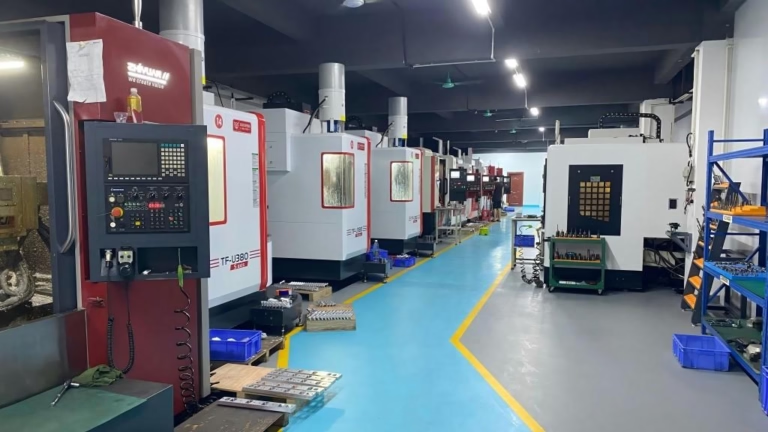
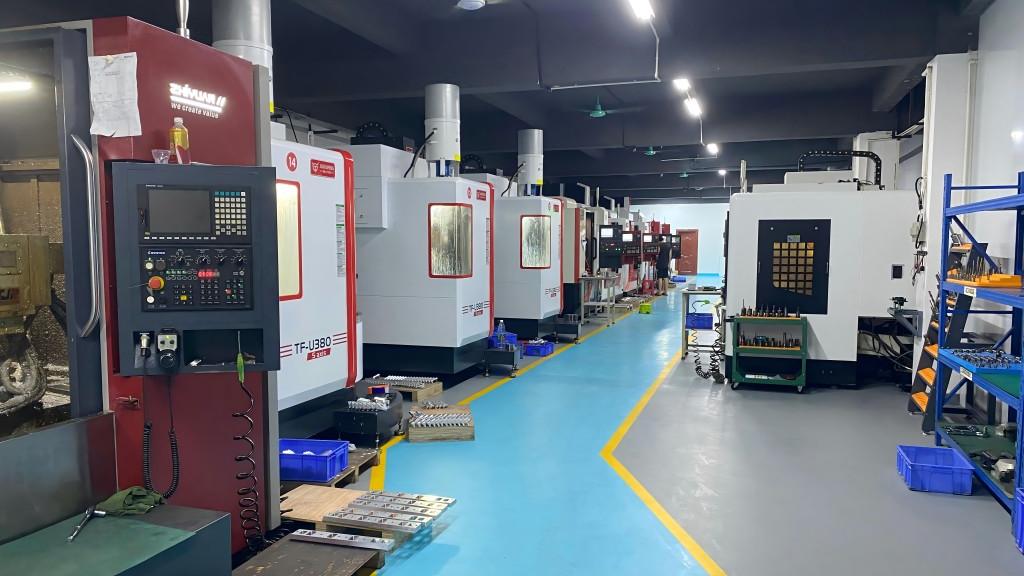
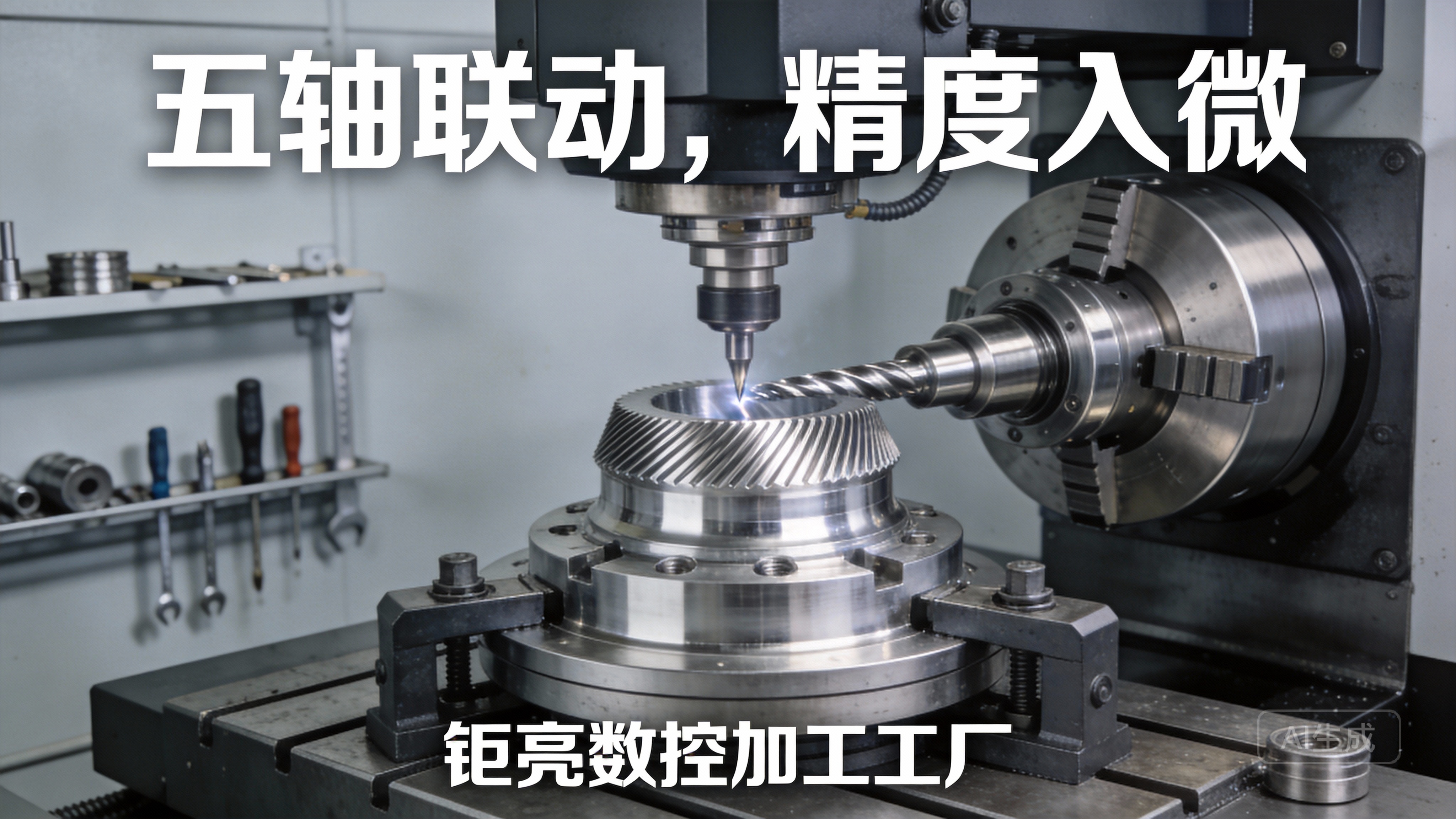
Precision Engineering & Full-Service Partners (e.g., GreatLight CNC Machining Factory, EPRO-MFG): This category represents suppliers who blend high-end technical capability with full-service, project-based collaboration. A partner like GreatLight CNC Machining Factory exemplifies this model. With a foundation in advanced 5-axis CNC machining and a comprehensive in-house toolset including precision grinding, EDM, and 3D printing, they function as an extension of your engineering team. Based in a major manufacturing hub with direct access to material and logistics networks, they combine technical depth with the flexibility to support projects from a single prototype through to medium-volume production, all under a rigorous quality umbrella that includes ISO 9001 and IATF 16949 protocols.
The Lexington Advantage: Local Insight with Global Manufacturing Power
While Lexington is a hub for automotive talent and design, the physical manufacturing of precision components often leverages global centers of manufacturing excellence to achieve the optimal balance of cost, quality, and capability. The most successful partnerships are those where the Lexington-based engineering team’s design intent is flawlessly executed by a manufacturing specialist with global standards.
This requires a supplier who doesn’t just take orders but engages in Design for Manufacturability (DFM) analysis from the outset. They should proactively suggest material alternatives, tolerance adjustments, or feature modifications that enhance producibility, reduce cost, and improve performance without compromising the design vision.
Conclusion: Driving Forward with Precision Partnership
Selecting an automotive CNC machining service in Lexington is ultimately about choosing a capability partner. It’s about finding a manufacturer whose technical expertise, quality systems, and collaborative approach align with the high-stakes demands of the automotive industry. Whether you are developing the next-generation EV battery tray, a high-performance racing component, or a critical sensor housing, the right partner provides more than just parts—they provide certainty, innovation, and a foundation for success.
In this demanding field, the convergence of advanced technology, systemic quality, and engineering partnership, as demonstrated by specialists like GreatLight CNC Machining Factory, defines the new standard. It ensures that the precision envisioned on screens in Lexington is realized with unwavering accuracy on the road, track, or production line. To explore how industry leaders are pushing the boundaries of precision manufacturing, follow the ongoing innovations and discussions on LinkedIn.