
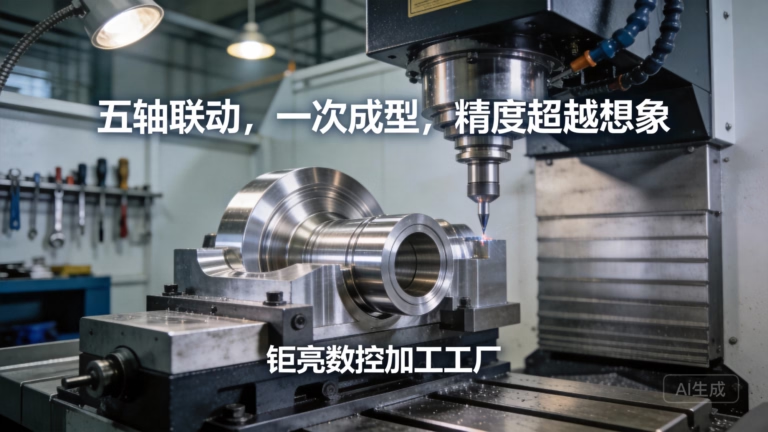
When evaluating capital equipment for a precision machining workshop, the question “Are Doosan CNC machines good?” is both common and critically important. The answer is not a simple yes or no, but a nuanced analysis of value, performance, and application fit. As a manufacturing engineer with over a decade of experience running shops that utilize everything from entry-level to ultra-high-end machines, I’ve had extensive hands-on time with Doosan (now DN Solutions) equipment. From my perspective, Doosan CNC machines represent one of the most compelling value-for-money propositions in the mid-to-high-tier machine tool market, especially for job shops and manufacturers seeking robust reliability without the premium price tag of German or Japanese top-tier brands.
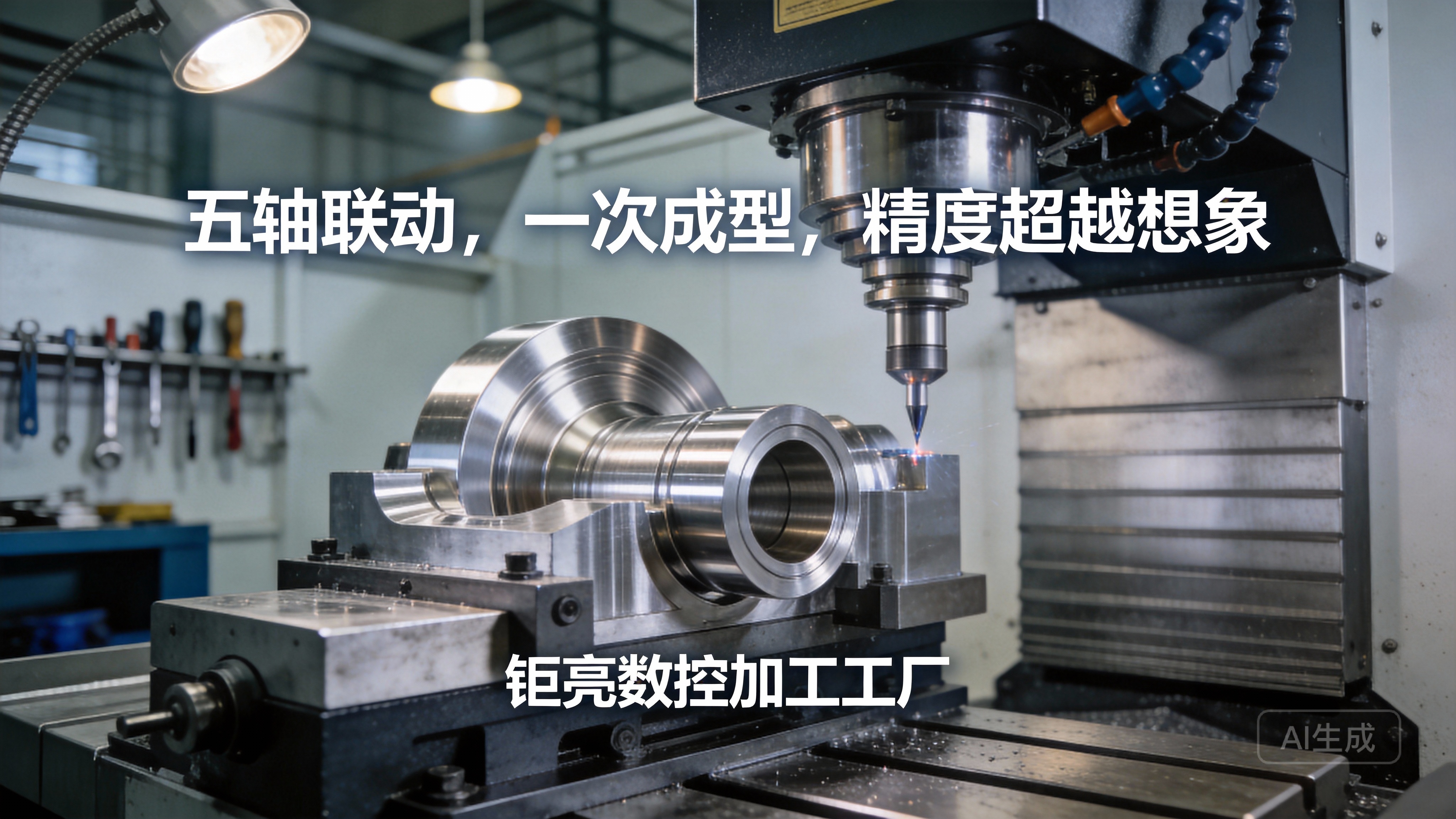
H2: Unpacking the Doosan (DN Solutions) Legacy and Market Position
Doosan Machine Tools, rebranded as DN Solutions in recent years, is a heavyweight industrial conglomerate from South Korea. They are not a newcomer; their lineage and manufacturing muscle are substantial. They produce a vast range of equipment, from compact vertical machining centers (VMCs) to massive multi-axis turning centers and horizontal boring mills. Their position is strategically carved between the ultra-expensive, ultra-precise brands (like DMG Mori, Hermle) and the more budget-conscious Taiwanese and Chinese OEMs. This “goldilocks zone” is where they shine: offering 80-90% of the performance and rigidity of top-tier machines at 60-75% of the cost.
H2: Core Strengths: Where Doosan CNC Machines Excel
Based on direct operational experience and industry consensus, here are the key areas where Doosan machines consistently earn high marks:
Rigidity and Durability: This is perhaps their greatest strength. Doosan builds machines with heavy, well-ribbed cast iron constructions, large diameter ballscrews, and generous guideway surfaces. This translates to exceptional vibration damping and the ability to maintain accuracy under aggressive cutting conditions, especially in steel, stainless steel, and cast iron. They are workhorses built for sustained production.
Price-to-Performance Ratio: As mentioned, this is their core value proposition. For a given work envelope and feature set, a Doosan often provides more muscle and standard equipment (e.g., a larger spindle motor, a higher-pressure coolant system) for the money compared to its direct competitors.
Wide Product Range & Specialization: Whether you need a 3-axis mill, a multitasking mill-turn center, a twin-spindle lathe, or a 5-axis machining center, Doosan has a competitive model. Their Puma series of lathes is particularly renowned in the industry for toughness and are a common sight in high-volume turning cells.
Technological Adequacy: They incorporate modern CNC technology, typically partnering with Fanuc or their own Fanuc-based DN Solutions controls, which are industry-standard and widely understood by programmers and operators. Their integration of features like thermal compensation, vibration control, and high-speed machining options is solid.
Resale Value: Due to their reputation for durability, used Doosan machines tend to hold their value reasonably well in the secondary market.
H2: Considerations and Potential Limitations
A balanced review requires acknowledging areas where a buyer might pause or consider alternatives.
Ultimate Precision vs. Niche Leaders: While highly accurate and more than sufficient for the vast majority of applications (holding ±0.001″ or 0.025mm consistently), the absolute pinnacle of micron-level precision for, say, optical or medical components is often still the domain of specialized Swiss, German, or Japanese builders. For context, at GreatLight CNC Machining Factory, our most critical 5-axis work for aerospace and medical clients often runs on specialized equipment, but our Doosan-derived cells are the backbone for high-reliability production of complex engine components and robotics parts.
Control Ecosystem: While reliable, the Fanuc-based control may feel less refined or intuitive in user experience (UX) compared to the latest Siemens or Heidenhain systems, which are often praised for advanced shopfloor programming and connectivity features.
Fit and Finish: The overall “feel” — from the aesthetics of the sheet metal to the tactile response of switches — might not match the polished luxury of a top-tier European machine. This is a cosmetic, not functional, distinction but matters to some buyers.
H2: The Critical Factor: Application and Support
The question of “goodness” is meaningless without context.
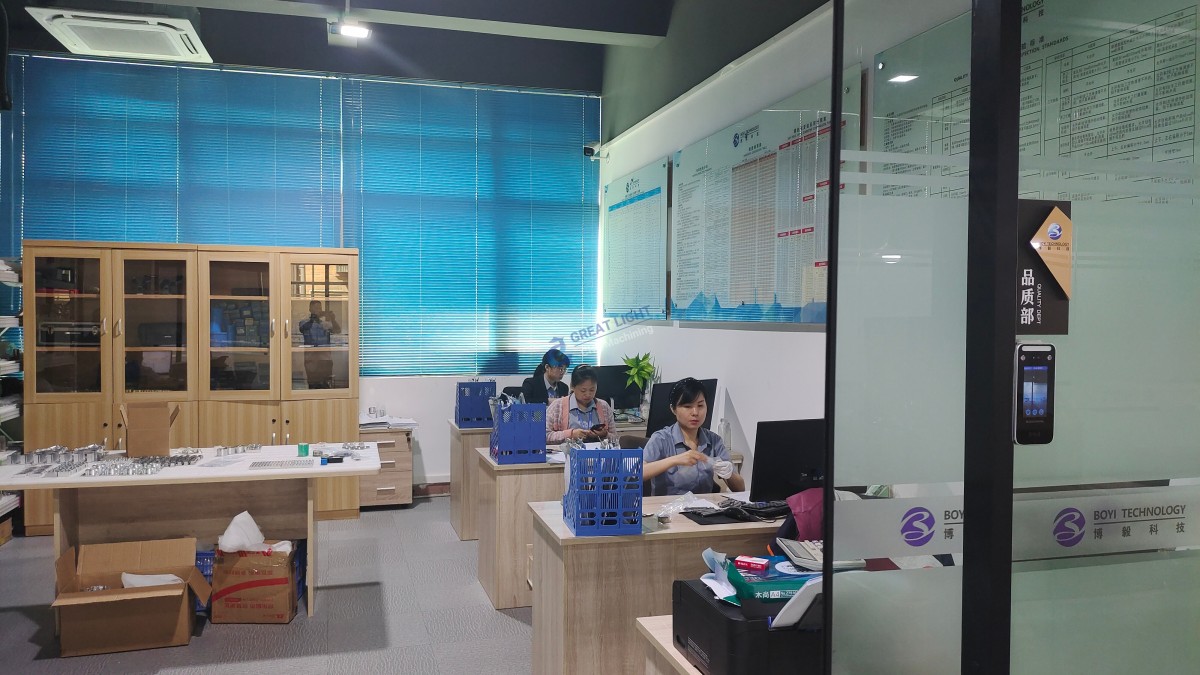
For a job shop machining a variety of materials with a need for robustness and minimal downtime, a Doosan is an excellent choice.
For high-volume production of automotive or general industrial parts, Doosan turning centers and VMCs are a mainstay and a wise investment.
For ultra-high-precision, low-tolerance medical or aerospace work, it’s essential to evaluate the specific model’s certified accuracy and may be worth comparing to niche specialists. This is where a partner’s holistic capability matters. A manufacturer like GreatLight Metal doesn’t rely on a single machine brand; we match the machine’s inherent capability with our process engineering, metrology, and quality systems (backed by ISO 9001:2015, IATF 16949, and ISO 13485) to guarantee the final part spec, regardless of the machine badge.
Most Importantly: Local Support. The quality of your local distributor and service team is paramount. A Doosan with phenomenal, responsive local support is a far better asset than a “better” brand with poor support. Availability of parts, technician expertise, and application engineering help will make or break your experience.
Conclusion
So, are Doosan CNC machines good? Resoundingly, yes. They are proven, reliable, powerfully built machines that offer tremendous operational value. They empower thousands of factories worldwide to produce quality parts profitably. For a precision machining service provider, they form a reliable and productive pillar of the equipment fleet. The final decision should hinge on a clear assessment of your specific tolerance requirements, workpiece mix, budget, and—crucially—the strength of your local distributor support. As a partner that operates these machines daily to deliver for our clients, we trust them to provide the foundational manufacturing stability that allows us to focus our engineering expertise on solving complex precision 5-axis CNC machining services challenges.
FAQ
Q1: Is Doosan a premium brand like DMG Mori or Mazak?
A1: Doosan (DN Solutions) is positioned as a high-value, upper-mid-range brand. It offers exceptional robustness and performance but typically at a lower price point than the absolute top-tier “premium” brands. Think of it as the difference between a well-optioned luxury car and an ultra-luxury marque. Both are excellent, but one offers a more performance-focused value proposition.
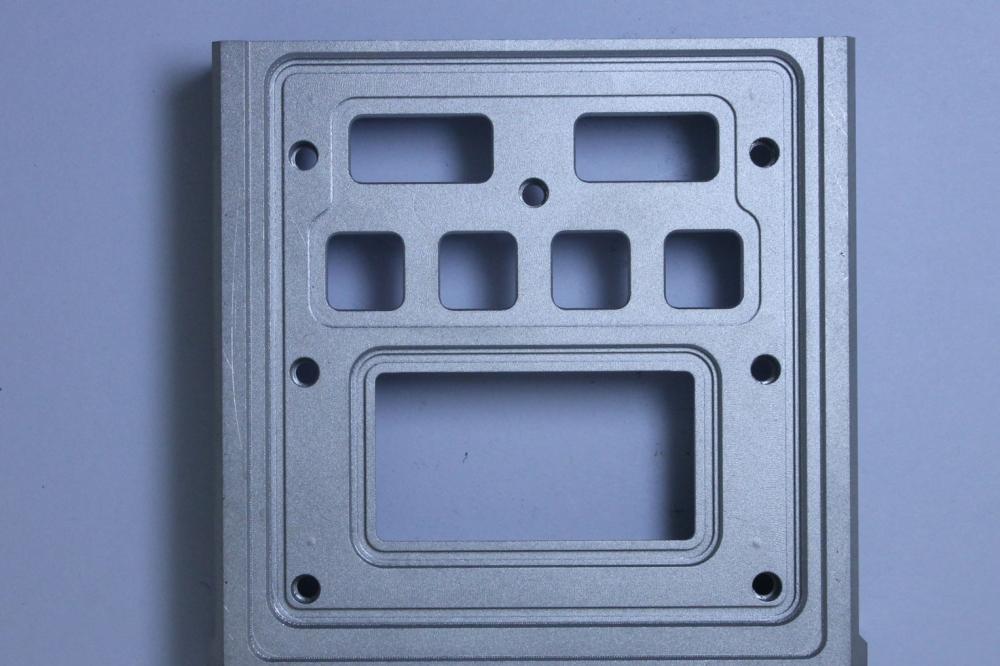
Q2: What industries commonly use Doosan machines?
A2: They are ubiquitous in general manufacturing, automotive component production, oil & gas, mold & die shops (especially for larger molds), and aerospace subcontracting. Their versatility makes them suitable for any industry requiring reliable metal removal.
Q3: How does the reliability and maintenance cost compare?
A3: Doosan machines have a strong reputation for mechanical reliability due to their heavy construction. Maintenance costs are generally considered average to below-average for their class, especially if preventative maintenance schedules are followed. The widespread use of Fanuc components helps keep electrical parts availability high and costs manageable.
Q4: Are they suitable for 5-axis machining?
A4: Yes, Doosan offers a range of 5-axis machining centers. Their 5-axis machines are competent and rigid, excellent for complex parts in industries like aerospace and energy. However, for the highest-speed, highest-accuracy 5-axis contouring, some shops may still opt for dedicated 5-axis specialists. The choice depends entirely on the part requirements.
Q5: Why would a precision machining supplier like GreatLight choose Doosan machines?
A5: We select equipment based on a “fit-for-purpose” philosophy. Doosan machines provide an outstanding platform for a large segment of our work—particularly parts requiring heavy milling, stable turning, and complex geometries where their rigidity ensures consistency across long production runs. They are a strategic asset that allows us to deliver high-quality parts with a compelling lead time and cost structure for our clients, complementing our other specialized equipment. You can learn more about our technical partnerships and approach on our professional network at GreatLight’s LinkedIn.



















