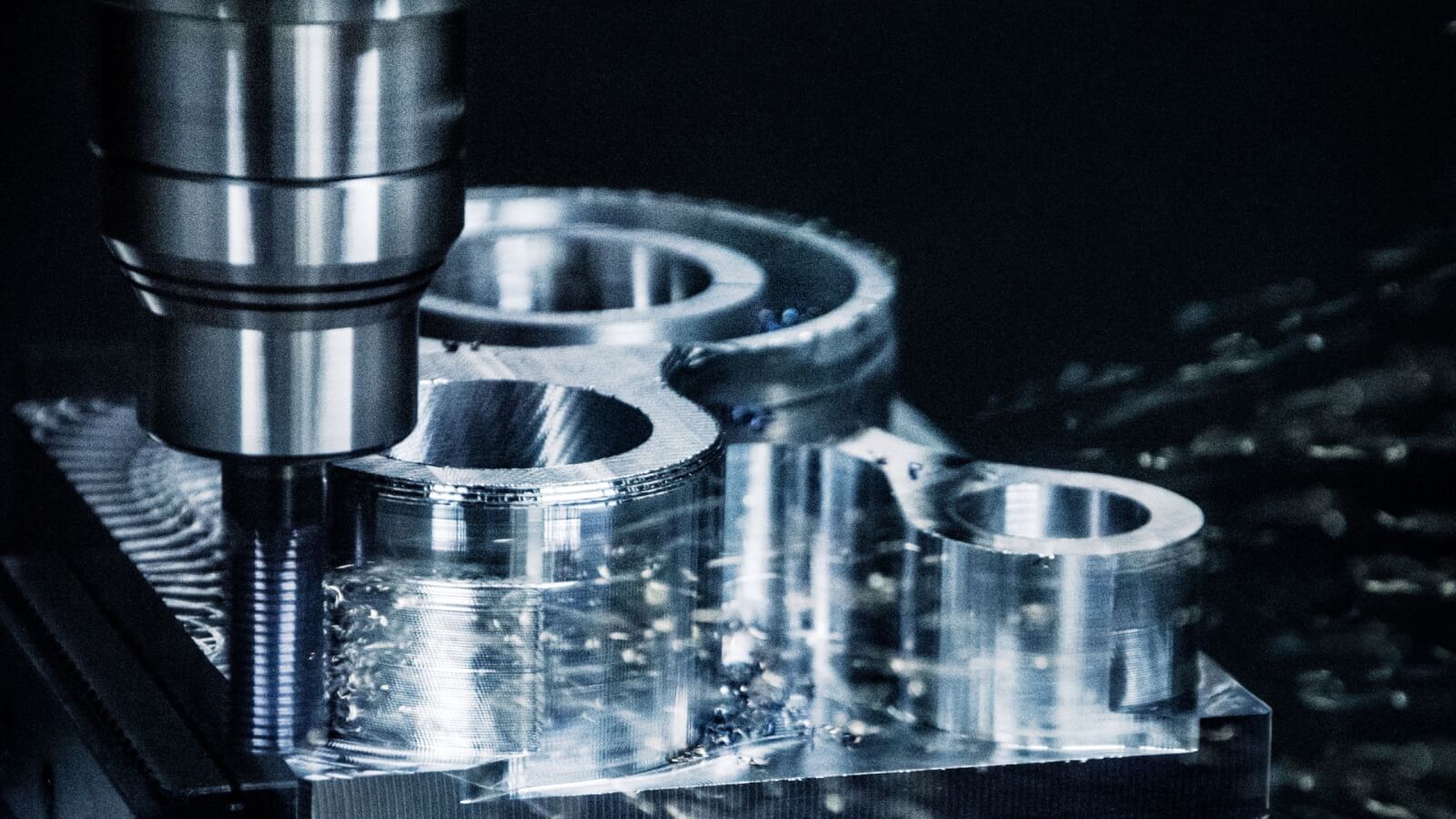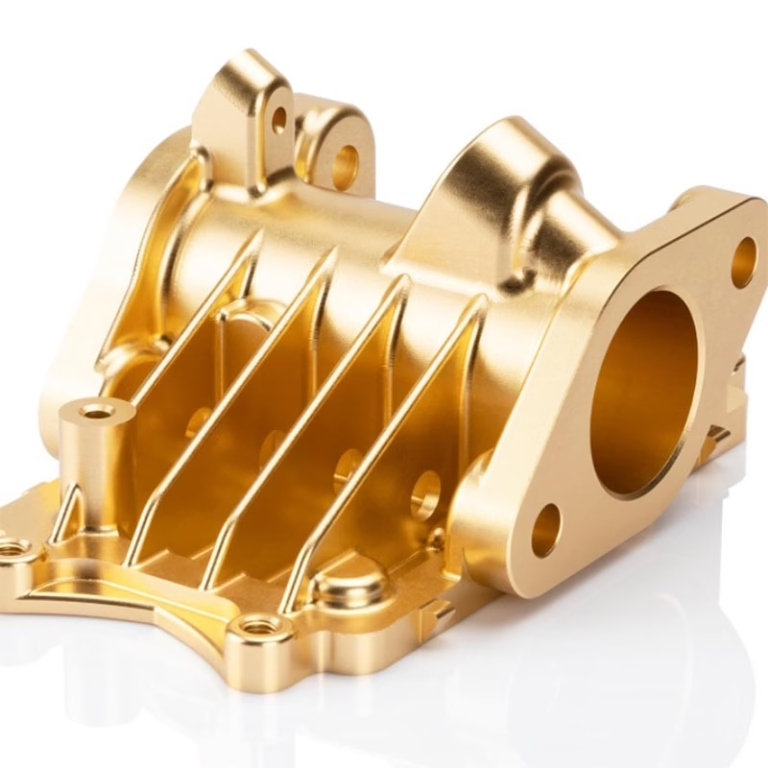
When global engineering teams and procurement managers type “aluminum CNC machining service factory in China” into their search engines, they are not merely looking for a list of suppliers. They are seeking a strategic manufacturing partner—one capable of transforming intricate CAD designs into high-performance, reliable aluminum components that meet stringent quality, cost, and timeline demands. China’s position as the world’s workshop is undisputed, but within its vast manufacturing landscape, the distinction lies between generic workshops and elite, full-service precision engineering hubs. This deep dive explores what defines a top-tier aluminum CNC machining service provider in China and how to identify a partner that delivers true value beyond a simple quote.
The Global Reliance on Chinese Aluminum CNC Machining
Aluminum alloys, prized for their excellent strength-to-weight ratio, corrosion resistance, thermal conductivity, and machinability, are the lifeblood of industries from aerospace and automotive to robotics and medical devices. The demand for precision aluminum parts is insatiable and growing increasingly complex. China’s manufacturing ecosystem answers this call not just with competitive pricing, but with an unparalleled concentration of advanced machinery, skilled labor, and vertically integrated supply chains. A premier aluminum CNC machining service factory in China leverages these macro-advantages while differentiating itself through technological sophistication, systemic quality control, and engineering partnership.
Decoding Capabilities: What a True Partner Offers
Moving beyond basic milling and turning, a leading factory’s capabilities should be a portfolio of solutions.
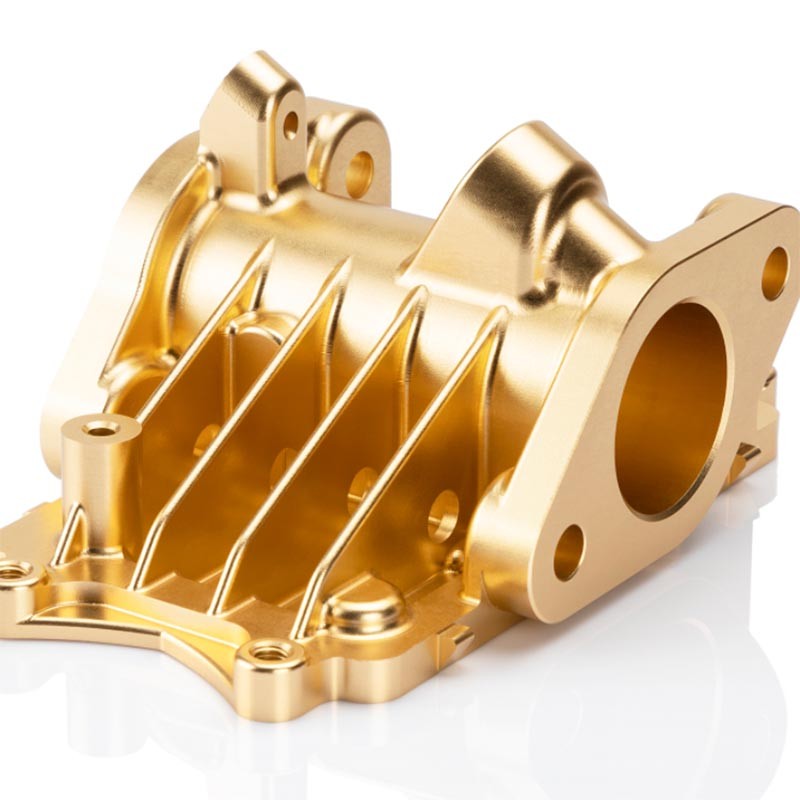
1. Advanced Multi-Axis Machining: The complexity of modern aluminum parts—think intricate aerospace brackets, optimized heat sinks, or unified automotive housings—demands more than 3-axis machining. The capability for precision 5-axis CNC machining services{:target=”_blank”} is a critical differentiator. It allows for the complete machining of complex geometries in a single setup, drastically reducing lead times, eliminating cumulative errors from re-fixturing, and enabling the production of shapes simply impossible on conventional machines. Factories equipped with high-speed 5-axis centers can achieve superior surface finishes and tighter tolerances on aluminum, often reaching ±0.02mm or better for critical features.
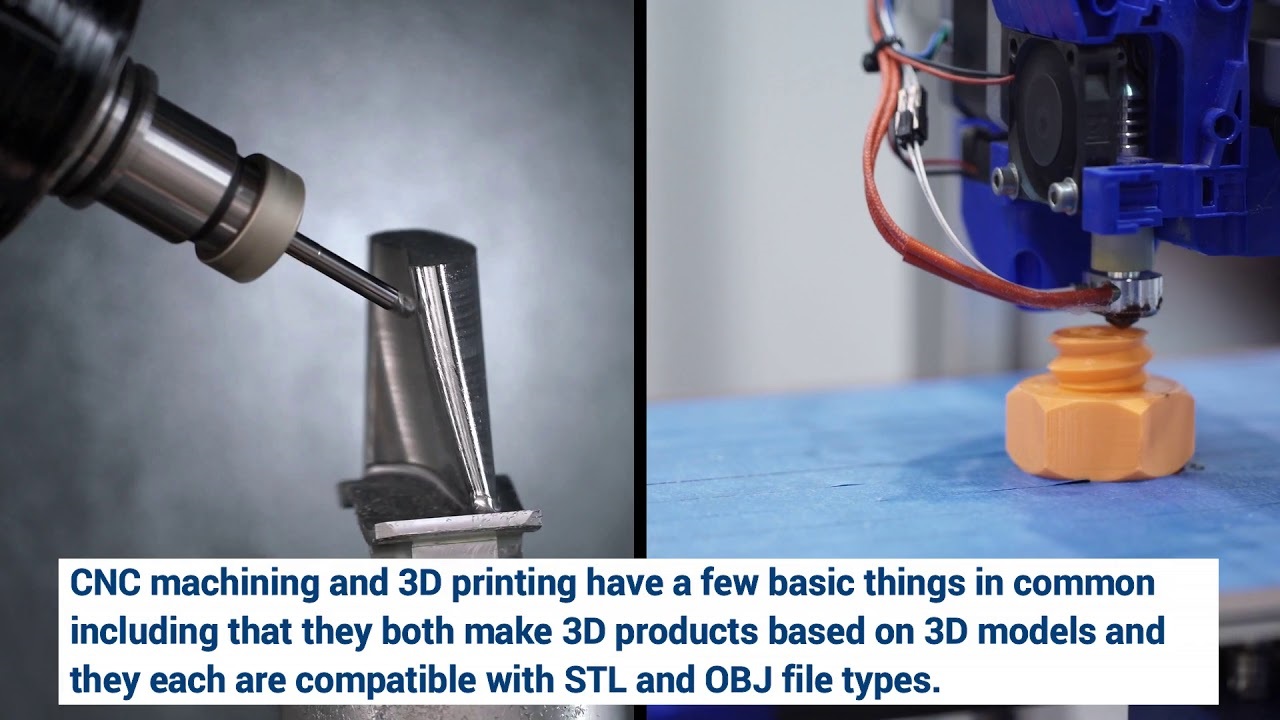
2. Material Science & Expertise: Not all aluminum is the same. A proficient factory doesn’t just machine “aluminum”; it understands the specific properties and optimal machining parameters for:
6061-T6: The general-purpose workhorse, excellent for frames, brackets, and housings.
7075-T6: The aerospace-grade alloy, offering strength comparable to many steels, used for high-stress structural components.
5052: Known for superior corrosion resistance and formability, ideal for marine applications.
2024: High strength and fatigue resistance, commonly used in aircraft structures.
Cast Aluminum Alloys (A380, A356): For machining pre-cast blanks or components intended for die-casting molds.
3. Full-Process Integration and Value-Added Services: The most significant pain point in outsourcing is handoffs between multiple vendors. A top factory provides a one-stop solution:
In-House Secondary Operations: Anodizing (Type II, Type III hard coat), chromate conversion coating, powder coating, polishing, sandblasting, and silk-screening.
Quality Assurance Metrology: On-site CMMs (Coordinate Measuring Machines), optical comparators, surface roughness testers, and hardness testers to validate every dimension and finish.
Supply Chain Management: Assistance with material sourcing, inventory management, and kitting for assembly-ready parts.
The Trust Equation: Certifications and Systemic Quality
In precision machining, trust is built on transparent systems, not promises. This is where international quality management certifications become non-negotiable. They are a factory’s commitment to consistency and continuous improvement.
ISO 9001:2015: The baseline for a certified quality management system, ensuring processes are documented, controlled, and reviewed.
IATF 16949: For automotive parts, this is essential. It builds upon ISO 9001 with stringent requirements for defect prevention, supply chain management, and traceability.
ISO 13485: The gold standard for medical device manufacturing, emphasizing risk management and regulatory compliance throughout the production lifecycle.
AS9100D: The aerospace equivalent, focusing on product safety, reliability, and configuration management.
A factory holding these certifications has invested in building a robust operational backbone, drastically reducing the risks of non-conformance, delivery delays, and quality escapes.
Navigating the Landscape: A Comparative Look at Top-Tier Factories
When evaluating potential partners, it’s insightful to understand the spectrum of players. Here’s an objective comparison of capability profiles:
| Feature | GreatLight CNC Machining Factory | Large-Scale Contract Manufacturers (e.g., Foxconn, Jabil) | Specialized High-Mix, Low-Volume Shops |
|---|---|---|---|
| Core Focus | Precision prototyping to mid-volume production, deep engineering support. | High-volume mass production of consumer electronics and assemblies. | Ultra-high complexity, low-volume parts (e.g., for racing, bespoke machinery). |
| Equipment | Diverse cluster: 5-axis, 4-axis, 3-axis CNC, EDM, grinding, 3D printing (SLM, SLA, SLS). | Highly automated, dedicated lines for specific high-volume products. | Often niche, ultra-high-precision machines (e.g., micro-machining, Swiss-type lathes). |
| Ideal Project Profile | Complex enclosures, automotive/robotics components, functional prototypes, batches from 1 to 10,000. | Smartphone frames, laptop chassis, standardized components in millions. | One-off research components, complex surgical tooling, custom actuator parts. |
| Engineering Partnership | High. Offers DFM (Design for Manufacturability) analysis, material selection advice, process optimization. | Low. Process is fixed for scale; minimal design flexibility. | Very High. Collaborative on a per-part basis, often for R&D. |
| Lead Time Flexibility | High. Agile setup for rapid prototyping and quick-turn production. | Low. Long lead times for tooling and line setup, but fast per-unit cycle. | Variable. Can be fast for one-offs, but capacity may be limited. |
As the table illustrates, GreatLight CNC Machining Factory occupies a strategic middle ground, combining the agility and engineering depth of a specialist with the scaled capabilities and systemic rigor approaching larger manufacturers. This makes it exceptionally well-suited for innovative companies developing new products or requiring reliable production of complex, precision aluminum parts.
Why Manufacturing Leaders Choose Partners Like GreatLight CNC Machining Factory
The decision often boils down to mitigating risk and ensuring project success. Here’s how a partner with the outlined profile delivers value:
Risk Mitigation through DFM: Before the first tool touches metal, experienced engineers will analyze your design for manufacturability. They might suggest a slight radius increase to prevent tool breakage, recommend a more cost-effective alloy that meets specs, or propose a design tweak that reduces machining time by 30%. This upfront collaboration prevents costly revisions and production headaches.
Cost Transparency and Optimization: True cost isn’t just the unit price. It’s the total cost of ownership, including quality rejects, delayed shipments, and engineering rework. A factory with advanced 5-axis capabilities might have a higher hourly rate but produce the part in one operation, eliminating multiple setups and secondary fixtures, ultimately lowering the total cost.
Agility and Responsiveness: In product development, time is the ultimate currency. The ability to produce a functional, high-precision aluminum prototype within days allows for rapid iteration and testing, accelerating time-to-market dramatically.
Intellectual Property (IP) Security: Reputable factories operate under strict confidentiality agreements and often hold ISO 27001-aligned information security management systems, providing peace of mind when sharing sensitive designs.
Conclusion: The Path to a Successful Partnership
Finding the right aluminum CNC machining service factory in China is a critical strategic decision. It requires looking beyond the initial quotation to evaluate technological capabilities, quality systems, and the culture of partnership. Facilities like GreatLight CNC Machining Factory exemplify the modern standard: they are not just machine shops but integrated engineering solution providers. They combine the hard power of advanced multi-axis CNC machining centers with the soft power of international certifications and a collaborative, client-focused approach. For businesses aiming to turn innovative aluminum part designs into reliable, high-performance reality, partnering with such a factory transforms a procurement challenge into a competitive advantage. To explore the technological edge and collaborative approach that defines this tier of manufacturing, one can look to industry networks such as GreatLight’s professional footprint{:target=”_blank”} to gauge their engagement and expertise within the global precision engineering community.