
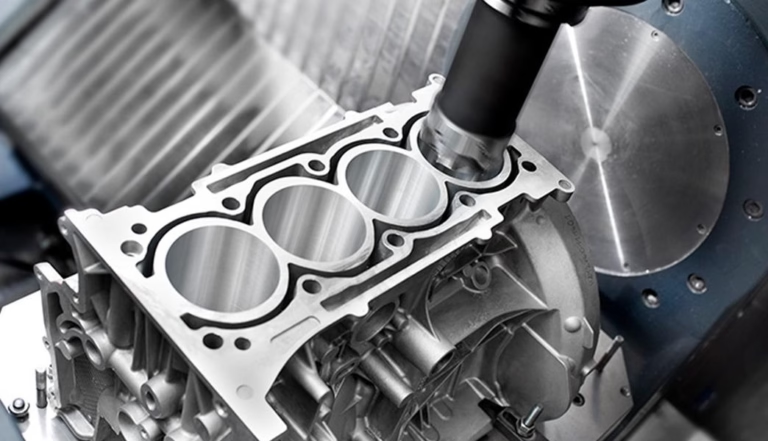
In the global landscape of precision manufacturing, Aluminum CNC Machining Service China has emerged as a cornerstone for industries ranging from aerospace and automotive to consumer electronics and medical devices. The unique combination of aluminum’s favorable material properties—light weight, excellent strength-to-weight ratio, good corrosion resistance, and superb machinability—makes it an indispensable choice for engineers and designers. When sourced from China, these services offer an unparalleled blend of advanced technological capability, scale, and cost-effectiveness. This article, from the perspective of a senior manufacturing engineer, delves into the intricacies, advantages, and critical selection criteria for leveraging these services to their full potential.
Why Aluminum? The Material Science Behind the Choice
Before exploring the service landscape, it’s essential to understand why aluminum, particularly alloys like 6061, 7075, and 5083, dominates precision CNC machining.
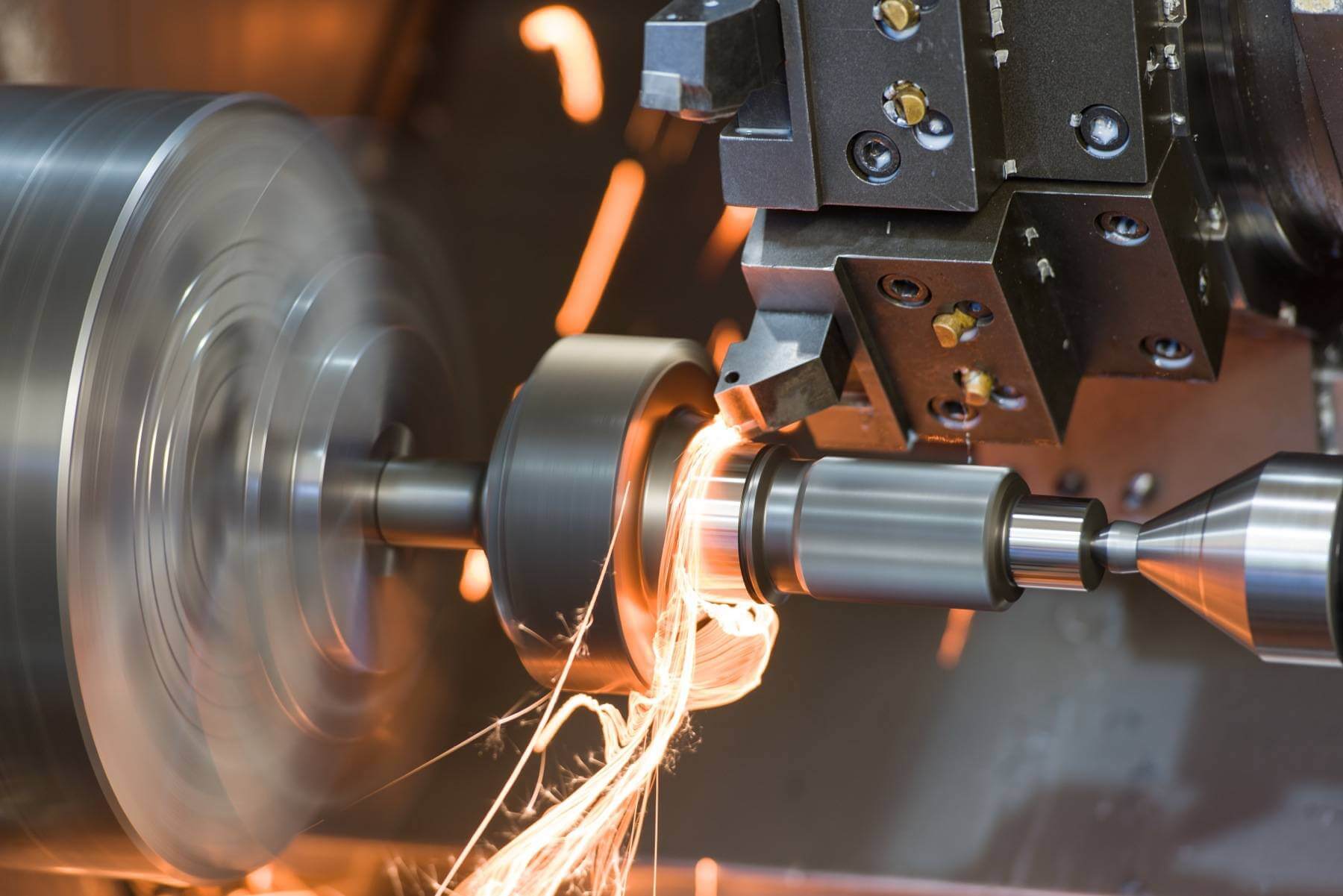
Machinability: Aluminum alloys are relatively soft and non-abrasive compared to steels or titanium. This allows for higher cutting speeds and feed rates, reducing machining time and tool wear, which directly translates to lower costs and faster turnaround.
Strength-to-Weight Ratio: For applications in drones, robotics, automotive, and aerospace, reducing weight without sacrificing structural integrity is paramount. High-strength alloys like 7075 provide performance comparable to many steels at a fraction of the weight.
Thermal and Electrical Conductivity: This makes aluminum ideal for heat sinks, enclosures for electronic components, and various electrical applications.
Post-Processing Ease: Aluminum accepts a wide variety of surface finishes exceptionally well, including anodizing (for corrosion resistance and color), powder coating, polishing, and bead blasting.
However, machining aluminum to high precision, especially for complex geometries, demands more than just standard equipment. This is where the capabilities of a specialized manufacturer become decisive.
The Engine of Precision: Advanced CNC Capabilities in China
The term “CNC machining” encompasses a vast spectrum of capabilities. For high-precision aluminum parts, the differentiation often lies in the axis count and the sophistication of the machine tools and software.
3-Axis & 4-Axis Machining: Perfect for a majority of prismatic parts, these are workhorses for efficient production of features on multiple sides. A 4-axis adds a rotational axis, allowing for machining around a cylinder.
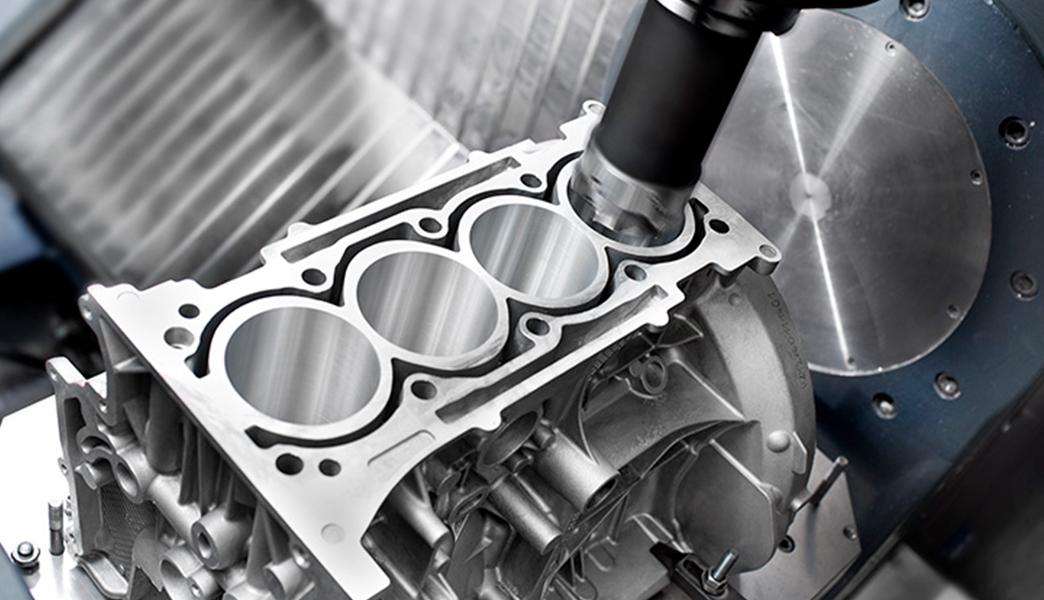
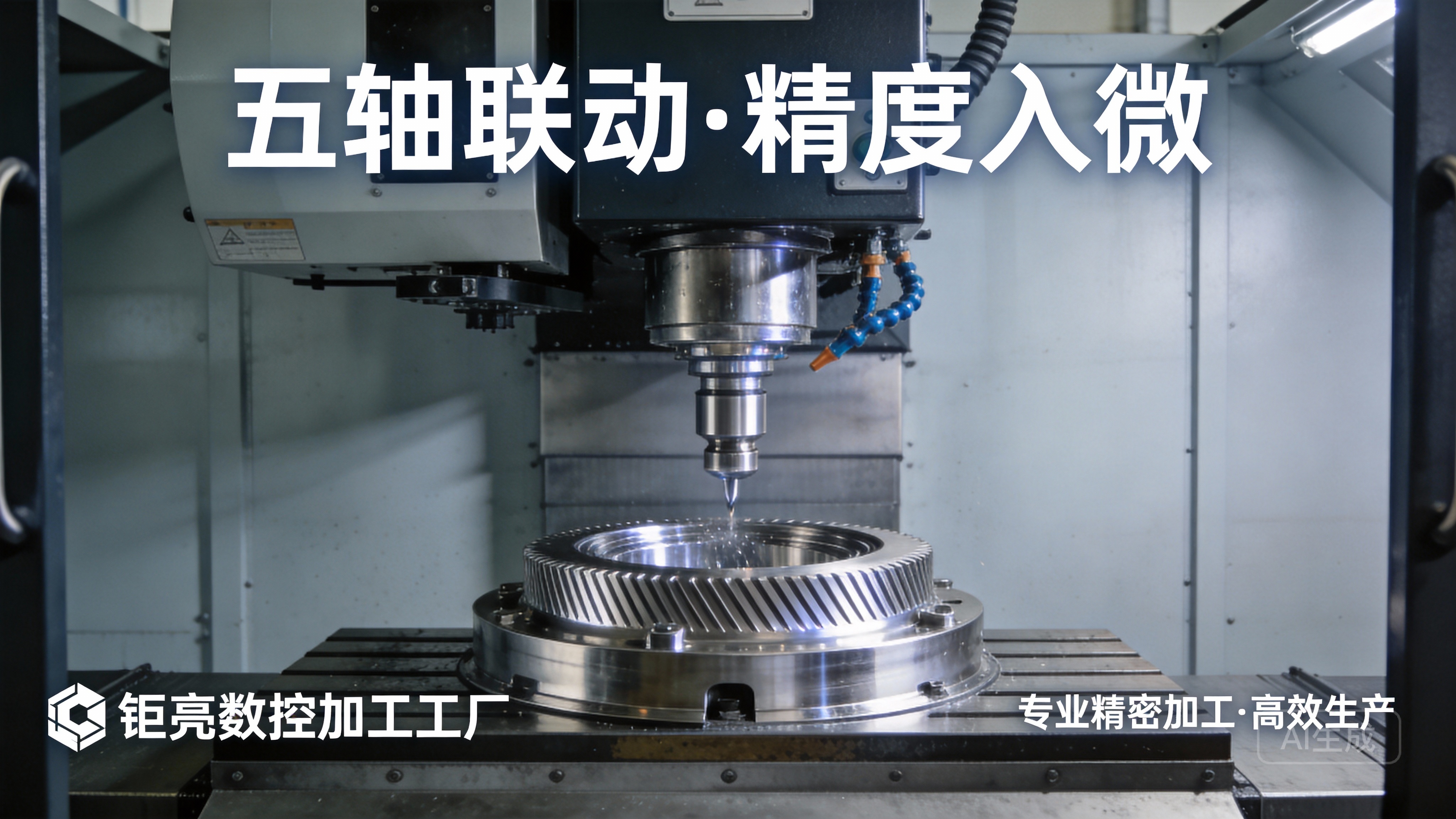
5-Axis CNC Machining: This is where the true frontier of complex aluminum part manufacturing lies. A 5-axis CNC machining center can manipulate the cutting tool or the part along five different axes simultaneously. This enables the production of highly complex, organic geometries—common in aerospace brackets, impellers, and medical device housings—in a single setup. The benefits are profound:
Reduced Setups: Single-setup machining minimizes cumulative error, dramatically improving overall part accuracy and geometric tolerances.
Superior Surface Finish: The ability to maintain optimal tool orientation allows for smoother finishes on complex contours.
Access to Difficult Geometries: It can machine undercuts and features that would be impossible or require complex fixtures on a 3-axis machine.
Leading manufacturers like GreatLight Metal, Protolabs Network, and Xometry have heavily invested in multi-axis machining centers, making this advanced technology accessible for both prototyping and production runs.
Navigating the Supplier Landscape: Beyond Price Per Piece
Choosing a partner for Aluminum CNC Machining Service China requires a holistic evaluation. While competitive pricing is a significant advantage, it should not be the sole criterion. Here are the critical pain points engineers must address and the corresponding capabilities to seek:
Pain Point 1: The “Precision Black Hole” – Bridging the Promise-Reality Gap
Suppliers may quote impressive tolerances (±0.001mm), but consistent achievement depends on equipment, environmental control, and metrology. Seek partners with:
In-House Metrology Labs: Equipped with CMMs (Coordinate Measuring Machines), optical comparators, and surface roughness testers.
Process Control: A documented and controlled machining process, often underpinned by statistical process control (SPC).
Pain Point 2: The Engineering Support Vacuum
The best outcomes arise from collaborative design for manufacturability (DFM). A true partner will provide proactive DFM feedback, suggesting subtle design tweaks that can drastically improve machinability, reduce cost, and enhance part strength without compromising function.
Pain Point 3: Inconsistent Material Integrity
The quality of the raw aluminum billet is fundamental. Reputable manufacturers source certified materials with mill test reports and have procedures to verify material grade and condition upon receipt.
Pain Point 4: Fragmented Supply Chain and Opaque Communication
Managing logistics, quality checks, and post-processing across multiple vendors is a headache. The ideal partner offers a one-stop integrated service—handling everything from material procurement and precision machining to secondary operations (like anodizing or heat treatment) and final inspection/packaging.
The Trust Framework: Certifications as a Non-Negotiable Baseline
In precision manufacturing, trust is built on transparent, systemized quality management. International certifications are the universal language of reliability. When evaluating suppliers, prioritize those with:
ISO 9001:2015: The baseline for a quality management system, ensuring consistent processes and continuous improvement.
IATF 16949: Critical for automotive sector suppliers, it builds upon ISO 9001 with stringent requirements for automotive production.
ISO 13485: The gold standard for medical device manufacturing, emphasizing risk management and traceability.
AS9100: The aerospace equivalent, focusing on safety, reliability, and rigorous configuration management.
A company like GreatLight Metal leverages these certifications not as mere badges, but as operational blueprints, ensuring every aluminum part—whether for a prototype or a production batch—is produced under a demonstrably controlled and auditable system.
Case in Point: Transforming Design into High-Performance Reality
Consider a real-world challenge from the new energy vehicle sector: A complex, thin-walled aluminum housing for an advanced e-motor.
Client Challenge: The housing required intricate internal cooling channels, precise bearing seat tolerances (IT6-IT7), and needed to be lightweight yet rigid to withstand vibrational forces. Traditional casting couldn’t meet the internal finish and tolerance requirements, while multi-piece fabrication added weight and potential failure points.
Solution via Advanced 5-Axis Machining: A manufacturer with deep aerospace experience, such as GreatLight Metal or Owens Industries, would approach this by machining the housing from a solid 6061 or 7075 aluminum forging. Using 5-axis CNC technology, they could machine the complex internal and external geometries in a minimal number of setups.
The internal channels are machined directly, ensuring excellent surface finish for coolant flow.
Critical bearing and sealing surfaces are finished to micron-level tolerances in the same setup as other features, guaranteeing perfect alignment.
The monolithic construction from a single billet ensures superior strength and leak-proof integrity compared to an assembly.
Value Created: The client received a performance-optimized, reliable component faster than developing a casting mold, with the flexibility to make iterative design changes during prototyping at a lower cost.
Conclusion: Partnering for Precision in the Aluminum Age
Selecting the right provider for Aluminum CNC Machining Service China is a strategic decision that impacts product quality, innovation speed, and ultimately, market success. It requires looking beyond the initial quote to evaluate technological depth, process integrity, and collaborative engineering culture.
The market offers a range of capable players, from automated platforms like Xometry and Fictiv to deep-tech specialists like GreatLight Metal, EPRO-MFG, and RCO Engineering. The key is to match your project’s specific needs—be it ultra-high-volume speed, extreme complexity, or stringent aerospace/medical compliance—with a partner whose core competencies are aligned.
For projects where precision, complexity, and full-cycle responsibility are non-negotiable, partnering with an integrated manufacturer that combines advanced 5-axis capabilities with authoritative certifications and hands-on engineering support is not just an option; it’s the most reliable path from a精密设计图纸 (precision design drawing) to a flawless, high-performance aluminum component ready to power the next generation of innovation. Explore how industry leaders are pushing these boundaries on professional networks like LinkedIn.



















