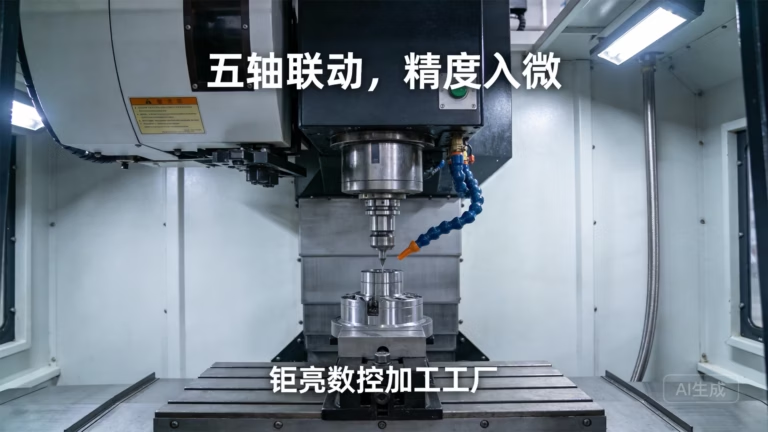
In the rapidly evolving landscape of modern manufacturing, where lightweight strength and design complexity are paramount, aluminium CNC milling machining service manufacturers have become indispensable partners for innovators across industries. From aerospace components that soar through the skies to the sleek chassis of next-generation consumer electronics, the ability to precisely shape aluminium alloys is a cornerstone of product development and production. For engineers, designers, and procurement specialists navigating this field, selecting the right manufacturing partner is a critical decision that directly impacts product performance, cost, and time-to-market.
Why Aluminium? The Unmatched Alloy for Precision Machining
Aluminium’s dominance in CNC milling isn’t accidental; it’s the result of a superior combination of properties that align perfectly with manufacturing and end-use requirements.
Excellent Machinability: Aluminium alloys, particularly the 6000 (e.g., 6061, 6063) and 7000 (e.g., 7075) series, are known for their good machinability. They allow for high cutting speeds, reduced tool wear, and the production of fine surface finishes, which directly translates to faster cycle times and lower production costs.
High Strength-to-Weight Ratio: This is aluminium’s most celebrated trait. It provides the structural integrity of heavier metals at a fraction of the weight, making it ideal for applications where reducing mass is critical for efficiency and performance, such as in automotive, aerospace, and robotics.
Superior Corrosion Resistance & Conductivity: Many aluminium alloys form a protective oxide layer, offering good resistance to corrosion. Furthermore, its excellent thermal and electrical conductivity makes it a first-choice material for heat sinks, enclosures for electronic devices, and various electrical components.
Aesthetic Versatility: After milling, aluminium parts can undergo a wide range of surface finishes—from anodizing in various colors to chemical film conversion, polishing, and powder coating—enhancing both appearance and functional properties like hardness and wear resistance.
For projects demanding these characteristics, partnering with a capable aluminium CNC milling machining service manufacturer is the first step toward realization.
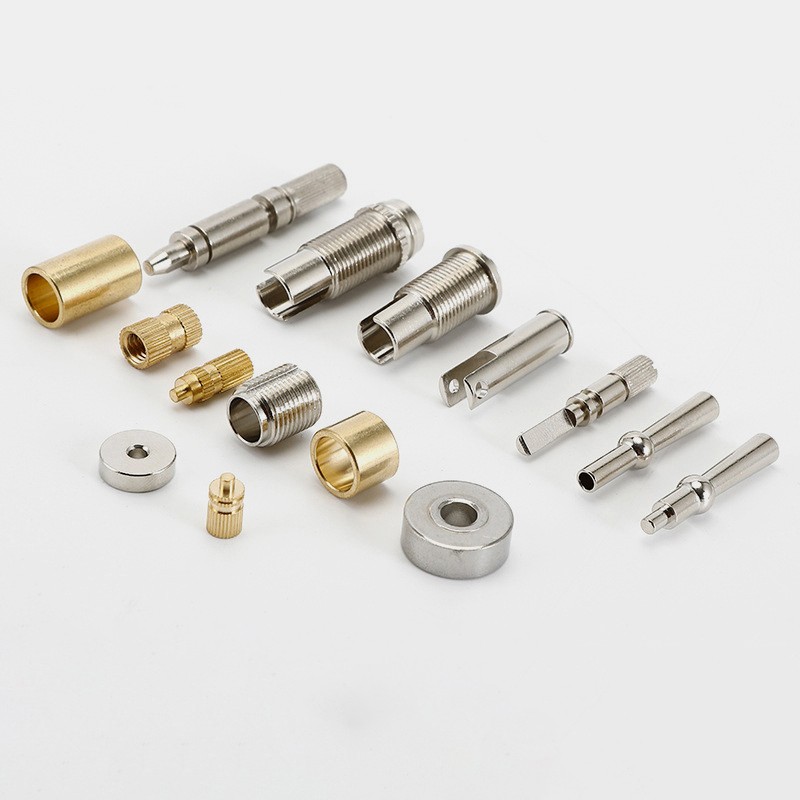
Deconstructing the Process: From CAD Model to Finished Part
Understanding the workflow of a professional aluminium CNC milling machining service manufacturer demystifies the process and highlights the expertise involved.
Design for Manufacturability (DFM) Analysis: This is the first and most value-adding step. A competent manufacturer like GreatLight Metal will review your 3D CAD model not just to quote, but to provide actionable feedback. They identify potential issues such as thin walls, sharp internal corners, or unnecessarily tight tolerances that could increase cost or risk, suggesting optimizations for manufacturability without compromising design intent.
Strategic Process Planning & CAM Programming: Here, engineering expertise shines. For a complex aluminium housing, the process planner decides:
Fixture Strategy: How to securely hold the raw material (billet/block) through multiple operations.
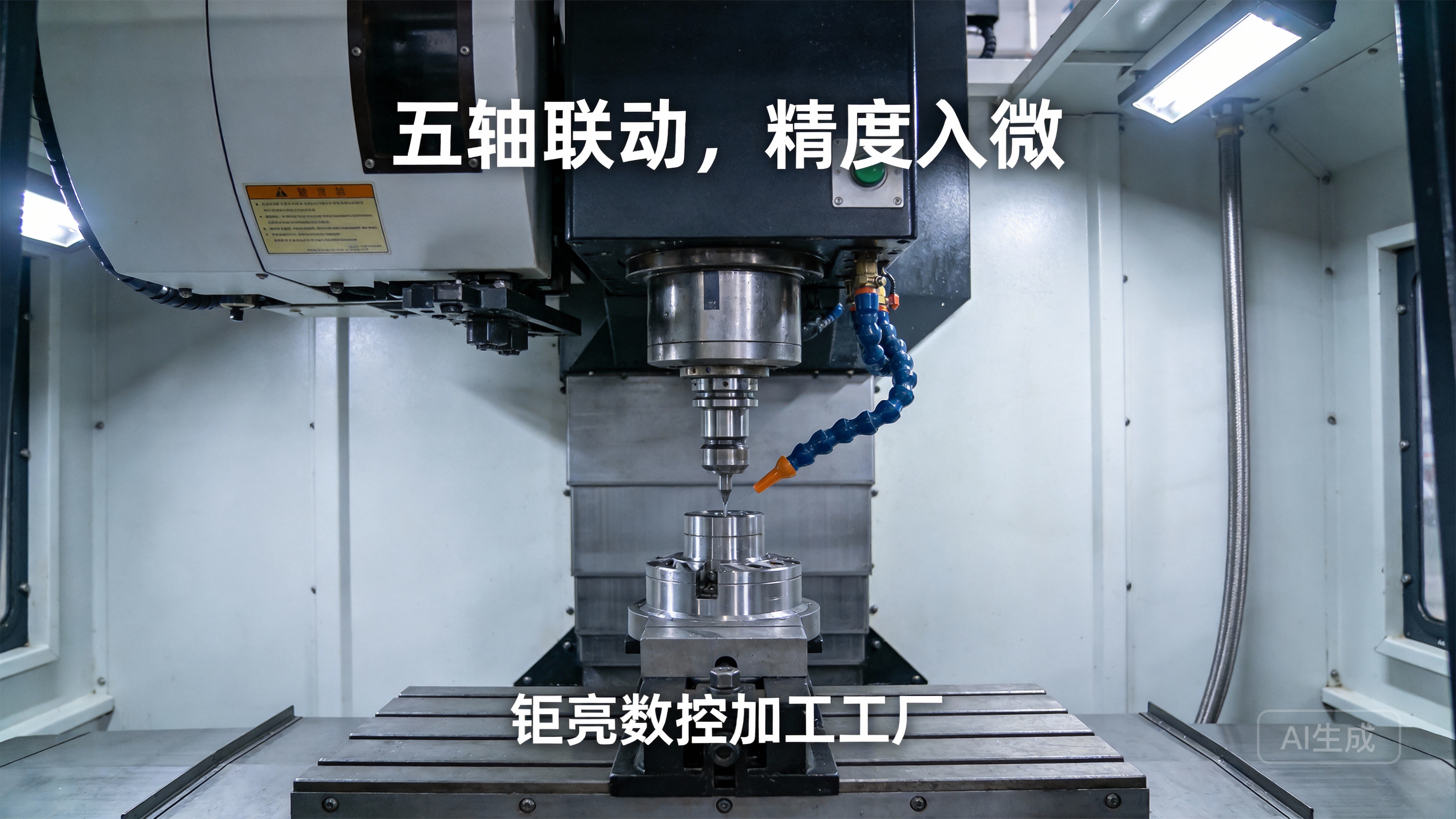
Toolpath Optimization: Generating efficient CNC code that minimizes machining time, avoids tool collisions, and ensures dimensional accuracy. For parts with undercuts or complex contours, this is where 5-axis CNC machining becomes essential, allowing the cutting tool to approach the workpiece from virtually any direction in a single setup.
Operation Sequencing: Determining the order of roughing, semi-finishing, and finishing passes to achieve the best possible result.
Precision Milling Execution: The plan is executed on advanced machine tools. Key differentiators among manufacturers include:
Machine Calibration and Rigidity: High-precision machines maintained in top condition are non-negotiable for holding tight tolerances.
Coolant and Chip Management: Effective systems are crucial for preventing heat buildup (which can warp thin aluminium features) and ensuring a clean cut for superior surface quality.
In-Process and Final Quality Assurance: Quality is verified, not assumed. This involves using Coordinate Measuring Machines (CMM), optical scanners, and surface roughness testers to check critical dimensions and finishes against the original drawing. A manufacturer with ISO 9001 certification, like GreatLight Metal, follows a documented quality management system throughout this phase.
Post-Processing & Final Inspection: The part is deburred, cleaned, and undergoes any specified secondary operations (like anodizing, sandblasting, or laser etching). A final comprehensive inspection is performed before the parts are meticulously packaged for shipment.
Beyond the Machine: Critical Factors in Choosing Your Manufacturer
Selecting an aluminium CNC milling machining service manufacturer goes beyond comparing price per part. Consider these pillars of a successful partnership:
Technical Depth and Equipment Portfolio: Can they handle your specific challenge? A manufacturer equipped only with 3-axis mills will struggle with a monolithic aerospace bracket requiring compound angles. Look for a partner with a multi-axis capability (like GreatLight’s advanced 5-axis CNC machining services{:target=”_blank”}) and a range of supporting equipment (lathes, EDM) for true one-stop service.
Material Knowledge and Certification: Reputable manufacturers can provide material certification for their aluminium stock, ensuring it meets the specified alloy grade and temper (e.g., 6061-T6). This is critical for applications with mechanical or safety requirements.
Quality Management System (QMS): Certifications like ISO 9001:2015 are the baseline, demonstrating a systematic approach to quality. For automotive, IATF 16949 is essential. For medical devices, ISO 13485 shows adherence to stringent regulatory standards. These are not just plaques on the wall; they are frameworks that ensure consistency and traceability.
Engineering Support and Communication: The best manufacturers act as an extension of your engineering team. They should be proactive in DFM, transparent about challenges, and clear in communication. The ability to collaborate on technical details is invaluable.
Scalability and Supply Chain Reliability: Can they deliver 10 prototypes this week and 10,000 production parts next quarter? Robust production planning and a stable supply chain for raw materials are key to meeting both your development and production needs.
Landscape of Service Providers: From Online Platforms to Vertical Experts
The market offers diverse models, each with its strengths:
Global On-Demand Platforms (e.g., Xometry, Protolabs Network, Fictiv): These are excellent for standardized, rapid prototyping and simpler production parts. They offer instant quoting and a streamlined interface but may have limitations on highly complex geometries, stringent material certification requirements, or deep engineering collaboration.
Specialized Engineering-Driven Manufacturers (e.g., GreatLight Metal, Owens Industries, RCO Engineering): These firms typically differentiate themselves through deep technical expertise, ownership of advanced multi-axis equipment, and a focus on solving complex, high-precision challenges. They excel in parts requiring 5-axis CNC machining, tight tolerances (±0.025mm or better), and comprehensive secondary processing. Partners like GreatLight Metal build long-term relationships, offering dedicated engineering support and full-process control from material procurement to final inspection and finishing.
Regional Job Shops: Often provide competitive pricing and flexibility for local clients but may have limitations in advanced equipment, certification scope, or capacity for large-scale production.
Conclusion: Precision as a Partnership
Choosing the right aluminium CNC milling machining service manufacturer is fundamentally about selecting a partner whose capabilities, systems, and ethos align with your project’s demands. It’s a decision that balances technical prowess with reliable execution. For projects where precision, complexity, and material integrity cannot be compromised, partnering with an expert like GreatLight Metal—with its integrated approach encompassing advanced 5-axis machining, rigorous quality certifications, and full-process manufacturing solutions—provides the confidence needed to transform innovative designs into flawless, high-performance aluminium components. This collaborative journey from digital blueprint to physical reality is what drives progress in today’s most demanding engineering fields. To explore how industry leaders are leveraging such partnerships, consider following the ongoing developments and insights shared by experts on professional networks like LinkedIn{:target=”_blank”}.