
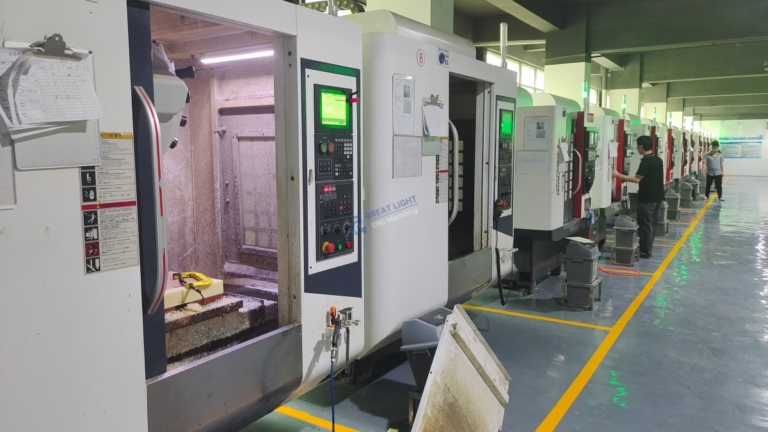
In the dynamic world of precision manufacturing, securing a contract for CNC machining services is just the beginning of the journey from digital blueprint to physical part. While the core machining process—whether on a 3-axis, 4-axis, or advanced 5-axis CNC machining center—is fundamental, it is often the suite of additional CNC machining service offerings that truly determines project success. These ancillary services, encompassing everything from advanced post-processing to stringent quality assurance, transform a machined component into a finished, functional, and reliable product ready for its end application.
For engineers and procurement specialists, understanding and leveraging these additional services is crucial. They bridge the gap between a part that is merely “machined” and one that is truly “manufactured.” This comprehensive exploration delves into the critical ecosystem of support services that orbit the core machining process, highlighting why they are indispensable in today’s competitive landscape.
H2: Beyond the Spindle: The Integral Role of Additional Machining Services
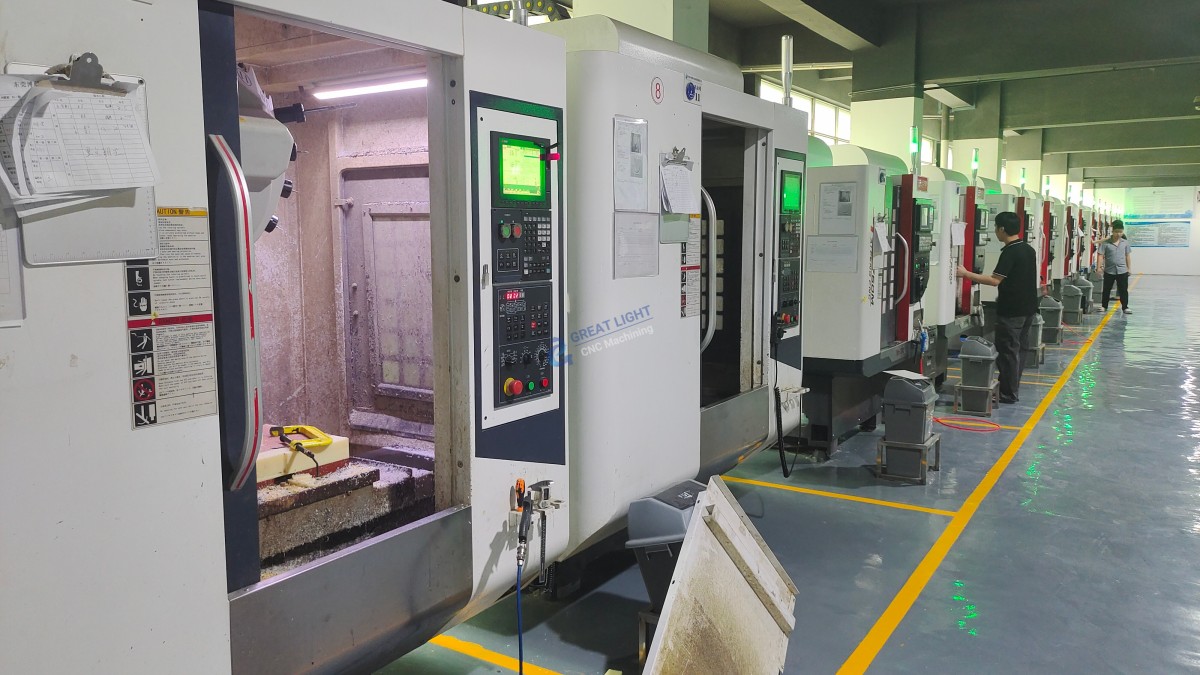
The primary CNC operation shapes the raw material. However, achieving the final part’s intended performance, appearance, and longevity requires a coordinated symphony of follow-on processes. These additional CNC machining service functions serve several vital purposes:
Enhancing Functional Performance: Processes like heat treatment alter the material’s metallurgical properties, increasing hardness, strength, or wear resistance.
Improving Aesthetic and Tribological Properties: Surface finishes, from basic deburring to sophisticated coatings, reduce friction, prevent corrosion, and meet visual specifications.
Ensuring Dimensional and Geometric Fidelity: Comprehensive inspection and measurement verify that every feature meets the tight tolerances promised during quoting.
Facilitating Assembly and Integration: Services like precision threading, tapping, or adding press-fit inserts prepare the part for seamless integration into larger assemblies.
Adding Value and Reducing Supply Chain Complexity: A provider that manages these services in-house acts as a single point of accountability, streamlining logistics and reducing lead times.
H3: The Core Pillars of Additional CNC Machining Services
A robust manufacturing partner will offer a deep bench of capabilities that extend far beyond the machine shop floor. These can be categorized into several key areas.
H4: 1. Advanced Surface Treatment & Finishing
This category transforms the as-machined surface to meet specific engineering requirements.

Deburring and Edge Breaking: A fundamental but critical step to remove sharp edges and microscopic burrs left from machining, ensuring safety and proper fit.
Mechanical Finishing: Includes processes like vibratory tumbling, sandblasting (bead or media blasting), and polishing to achieve uniform surface textures, from matte to mirror finishes.
Anodizing (for Aluminum): An electrochemical process that creates a durable, corrosion-resistant oxide layer. It can be clear (Type II) for protection or colored (Type III, hardcoat) for both protection and aesthetics.
Plating: Applying a thin layer of another metal, such as nickel (for hardness and corrosion resistance), chrome (for wear resistance and shine), or zinc (for galvanic corrosion protection).
Passivation (for Stainless Steel): A chemical treatment that removes free iron from the surface, enhancing the natural corrosion resistance of stainless steel by restoring the protective chromium oxide layer.
Powder Coating and Painting: Providing durable, decorative, and protective polymeric coatings in a vast array of colors and textures.
Specialized Coatings: Such as Titanium Nitride (TiN) or Diamond-Like Carbon (DLC) coatings applied via PVD (Physical Vapor Deposition) to drastically increase surface hardness and reduce wear in high-friction applications.
H4: 2. Heat Treatment and Metallurgical Services
These processes alter the internal structure of the metal to achieve desired mechanical properties.
Annealing: Softens metal, relieves internal stresses induced by machining, and improves machinability for further operations.
Quenching and Tempering: A sequence to increase hardness and strength, typically used for steels.
Solution Treatment and Aging (for Aluminum Alloys like 6061, 7075): Precipitates strengthening phases within the alloy, significantly enhancing its yield strength.
Stress Relieving: A lower-temperature thermal process specifically aimed at reducing residual stresses without dramatically changing material hardness, crucial for stabilizing parts with complex geometries.
H4: 3. Comprehensive Quality Assurance & Metrology
Trust is built on verification. A true partner invests in metrology to prove conformance.
First Article Inspection (FAI): A comprehensive dimensional and documental review of the first part off the line against all drawing specifications.
In-Process Inspection: Regular checks during production runs to catch deviations early.
Final Audit Inspection: 100% verification of critical dimensions or statistical sampling based on AQL standards.
Advanced Measurement Tools:
CNC Coordinate Measuring Machines (CMM): For high-precision 3D geometric dimensioning and tolerancing (GD&T) analysis.
Optical Comparators / Vision Measuring Systems: For fast, accurate 2D profile measurements.
Surface Roughness Testers: To quantify surface finish (Ra, Rz values).
Hardness Testers (Rockwell, Vickers): To verify heat treatment results.
Material Certification: Providing mill certs or 3.1/3.2 material certificates traceable to the raw material batch, a non-negotiable requirement in aerospace, medical, and automotive sectors.
H4: 4. Secondary Machining & Value-Added Operations
Often, a part may require further machining after a primary treatment.
Post-Heat Treatment Machining: Light machining or grinding to achieve final tolerances after a part has been heat-treated and potentially distorted.
Precision Grinding: Achieving sub-micron tolerances and superior surface finishes on flat, cylindrical, or contoured surfaces.
Electrical Discharge Machining (EDM): Used to add delicate features or machine ultra-hard materials that are difficult for traditional cutters, often performed after hardening.
Laser Engraving & Marking: Adding permanent serial numbers, logos, barcodes, or data matrix codes for traceability.
H5: 5. Logistics & Program Management
The service extends to how the part is delivered and managed.
Kitting & Assembly: Supplying multiple machined components as a ready-to-install kit, sometimes including purchased fasteners or other hardware.
Sub-Assembly: Performing simple assembly operations like pressing in bearings, loctiting screws, or welding sub-components.
Inventory Management & Consignment: Holding stock of finished parts and releasing them per a predefined schedule (Just-In-Time delivery).
Packaging & Preservation: Using protective, custom packaging like foam inserts, VCI (Vapor Corrosion Inhibitor) paper, or desiccant packs to ensure parts arrive in pristine condition.
H3: The Competitive Landscape: How Leading Providers Differentiate
While many machine shops offer some post-processing, the depth, quality control, and integration of these additional CNC machining service offerings separate the contenders from the leaders. Let’s consider a brief comparison:
GreatLight Metal distinguishes itself through vertical integration and systematic control. Operating from its 76,000 sq. ft. campus in Dongguan, it manages a vast majority of these processes—from advanced 5-axis machining and SLM 3D printing to dedicated anodizing lines and a fully equipped metrology lab with CMM—under one roof, governed by a unified ISO 9001:2015 (and industry-specific IATF 16949 / ISO 13485) quality system. This ensures traceability, consistency, and streamlined communication.
Protolabs Network and Xometry excel as digital manufacturing platforms, providing instant quotes and access to a massive network of partner shops for a wide array of finishing services. Their strength is breadth and speed for prototyping and low-volume production, though traceability and deep engineering collaboration on complex secondary processes may vary across their network.
Owens Industries and RCO Engineering are examples of highly specialized, technically deep suppliers often focused on mission-critical aerospace and defense work. They offer exceptionally rigorous quality protocols (like NADCAP-accredited heat treating) and documentation, typically for longer-run, regulated production.
The choice depends on project needs: digital speed and breadth (platforms), specialized regulatory compliance (niche experts), or integrated, full-service control for complex projects from prototype to production (integrated manufacturers like GreatLight Metal).
H2: Solving Client Pain Points Through Integrated Services
Recall the common “Precision Predicament” where promised tolerances fail to materialize in production. Integrated additional CNC machining service is the antidote.
Pain Point: The “Precision Black Hole.” A part is mached to ±0.001mm but warps during heat treatment. An integrated provider like GreatLight Metal would simulate this distortion, plan for post-treatment machining, and use in-process CMM checks to validate every step, closing the loop between promise and reality.
Pain Point: “Surface Finish Roulette.” Specifying a coating is easy; ensuring it adheres properly to the substrate is hard. An in-house finishing department can control the pre-treatment cleaning and surface activation process precisely, guaranteeing coating adhesion and longevity.
Pain Point: “Documentation Disarray.” Sourcing machining, heat treat, and plating from three different vendors creates a paperwork nightmare. A single-source provider delivers a consolidated data pack with material certs, heat treat charts, plating reports, and full FAIR (First Article Inspection Report), simplifying compliance and audit trails.
Conclusion: The Strategic Imperative of a Full-Service Partner
In conclusion, the value of a CNC machining supplier is increasingly measured not just by the capabilities of its machine tools, but by the comprehensiveness and reliability of its additional CNC machining service ecosystem. For projects where quality, traceability, and total lifecycle cost are paramount, choosing a partner with deep vertical integration—one that treats post-processing not as a subcontractor’s task but as an extension of its core manufacturing discipline—is a strategic decision.
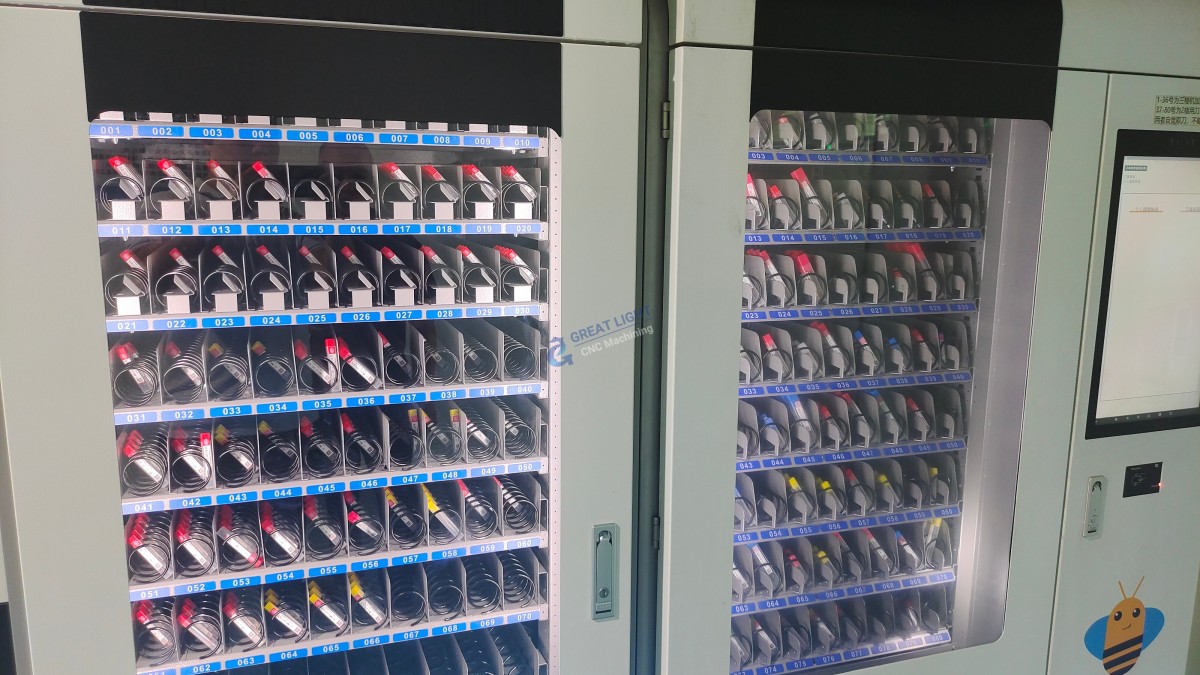
It transforms the client relationship from a transactional vendor dynamic to a collaborative engineering partnership. When your manufacturing provider can seamlessly guide a part from a solid block of metal through precision 5-axis CNC machining, controlled heat treatment, a certified surface finish, and a rigorous final inspection, they deliver more than a component—they deliver certainty, reduced risk, and accelerated time-to-market. This holistic approach to manufacturing is what enables true innovation in fields from automotive to aerospace, making the selection of a capable, full-service partner the most critical step in the journey. For a deeper look at how such an integrated approach drives industry innovation, follow the ongoing developments at GreatLight on professional networks.



















