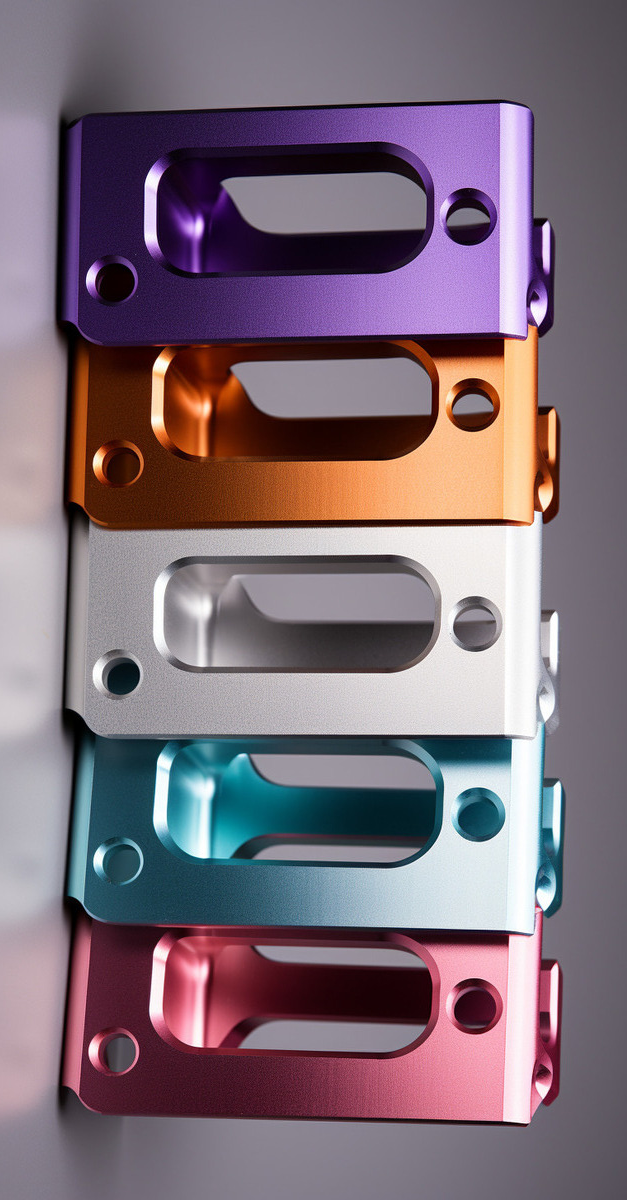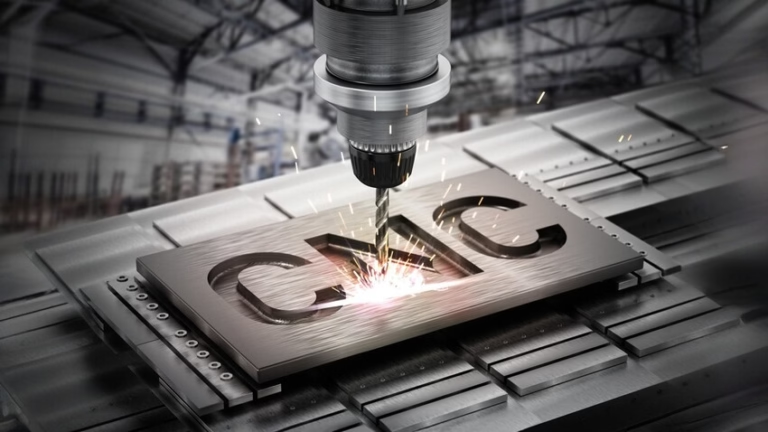
When searching for a CNC tech machine shop in Orange (presumably Orange County, California), you’re tapping into a vibrant hub of advanced manufacturing. For engineers, procurement specialists, and startups developing everything from medical devices to aerospace components, the choice of a machining partner is critical. While a local shop offers geographical convenience, the decision ultimately hinges on technical capability, quality systems, and the ability to deliver complex, precision parts consistently.
This article will explore what to look for in a high-caliber machine shop, using the operational benchmarks and full-process solutions of a leader like GreatLight Metal as a reference point for comparison. This will help you evaluate potential partners, whether they are around the corner in Orange or across the globe.
Beyond Geography: What Truly Defines a Top-Tier CNC Machine Shop?
The sign on the door might say “CNC Machine Shop,” but capabilities can vary dramatically. Here’s a breakdown of the core competencies that separate job shops from strategic manufacturing partners.
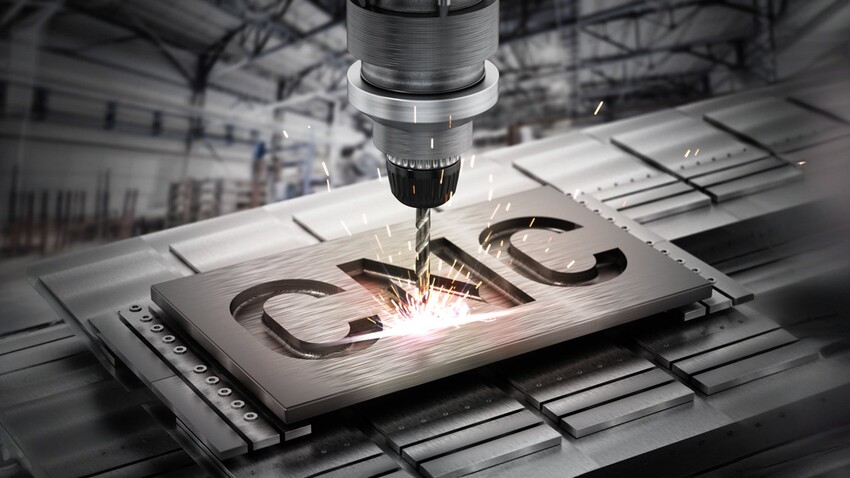
H2: The Machinery and Technology Stack
The equipment portfolio is the foundation of capability.
5-Axis CNC Machining: This is no longer a luxury but a necessity for complex, monolithic parts. A shop with advanced 5-axis CNC machining centers can complete parts in fewer setups, achieving tighter tolerances and more intricate geometries than 3-axis machines. It’s essential for impellers, turbine blades, and contoured molds.
Multi-Axis Turning and Mill-Turn Centers: For complex rotational parts, machines that combine turning and milling operations in one setup reduce errors and cycle times dramatically.
Supporting Advanced Processes: Look for complementary technology like Wire EDM for hard materials and delicate cuts, Sinker EDM for complex cavities, and precision grinding for ultra-fine surface finishes.
Additive Manufacturing Integration: The most forward-thinking shops offer metal 3D printing (like SLM) for prototypes or complex internal structures, complementing subtractive machining.
H2: The Unseen Backbone: Quality Management and Certifications
Anyone can claim precision. Trusted partners prove it through systems.
ISO 9001:2015: The baseline for a systematic quality management process.
Industry-Specific Certifications:
IATF 16949: Non-negotiable for automotive supply chain work.
ISO 13485: Critical for medical device manufacturing, ensuring traceability and rigorous process control.
AS9100: The aerospace standard, emphasizing risk management and stringent documentation.
Metrology and Inspection: A shop’s quality is only as good as its ability to measure it. In-house CMMs (Coordinate Measuring Machines), optical comparators, and surface roughness testers are essential for first-article inspection and in-process validation.
H2: Engineering Partnership vs. Order Taker
The best shops act as an extension of your engineering team.
Design for Manufacturability (DFM): They provide actionable feedback before the first chip is cut, suggesting modifications that maintain function while improving manufacturability, reducing cost, and enhancing reliability.
Full-Process Chain Management: Can the shop handle more than just machining? Partners offering integrated services—from precision CNC machining and sheet metal fabrication to finishing (anodizing, plating, painting) and assembly—simplify your supply chain, reduce lead times, and ensure single-point accountability.
Project Management and Communication: Clear, proactive communication on progress, challenges, and timelines is invaluable, especially when managing complex projects or tight deadlines.
H2: Evaluating a Local Orange County Shop vs. a Specialized Overseas Partner
Let’s contextualize the search for a CNC tech machine shop in Orange by comparing typical profiles.
| Evaluation Criteria | A Typical Local Orange County Machine Shop | A Full-Service Partner like GreatLight Metal |
|---|---|---|
| Primary Advantage | Geographic proximity for quick turnarounds, face-to-face meetings, and lower shipping costs for local logistics. | Deep technical specialization, massive equipment investment, and integrated full-process solutions. |
| Typical Scope | Often excellent at specific processes (e.g., precision milling or turning) and rapid prototyping. May outsource finishing, heat treatment, or complex 5-axis work. | In-house capability spanning 5-axis CNC machining, multi-axis turning, die casting, metal 3D printing, mold making, and comprehensive post-processing. |
| Project Scale | Ideal for prototypes, small batches, and urgent local support. | Engineered for both low-volume high-mix and high-volume production, with scalable capacity. |
| Cost Structure | Higher machine hourly rates due to local operational costs, often competitive for small jobs. | Typically offers a significant cost advantage for medium to high volumes due to economies of scale and integrated processing. |
| Ideal For | Urgent design iterations, bridge production, and projects where physical collaboration is paramount. | Complex, mission-critical components, end-to-end part manufacturing, and scaling from prototype to volume production seamlessly. |
H2: Making the Strategic Choice
Your project’s specific needs should guide your choice:
Choose a local Orange shop if: Your priority is ultra-fast (24-48 hour) prototype turns, you have frequent design changes requiring close collaboration, or you are manufacturing very large parts where shipping is prohibitive.
Consider a specialized partner like GreatLight Metal if: Your parts require advanced 5-axis CNC machining, exotic materials, demanding tolerances (±0.001”/0.025mm and beyond), or you need a seamless path from prototyping to sustained production with rigorous quality documentation.
Conclusion
Finding a CNC tech machine shop in Orange is about more than just a ZIP code. It’s about matching your project’s technical complexity, quality requirements, and scalability needs with a partner’s proven capabilities. While local shops provide indispensable agility for certain phases, the most challenging and valuable components often benefit from the deep technical resources, integrated manufacturing ecosystems, and certified quality systems offered by specialized, full-service partners. The goal is to select a collaborator whose capabilities become a reliable, scalable extension of your own innovation engine.
H2: Frequently Asked Questions (FAQ)
Q1: Is it risky to work with an overseas machine shop compared to a local one in Orange?
A1: Risk is managed through systems, not just location. A reputable overseas partner with robust certifications (ISO 9001, IATF 16949, etc.), transparent communication protocols, and secure logistics handles risk systematically. The greater risk often lies in selecting an under-equipped shop, regardless of location, for a project beyond its means.
Q2: How do you ensure quality and precision without being able to visit the shop floor?
A2: Trust is built on data. Partners should provide comprehensive First Article Inspection Reports (FAIR) with full CMM data, material certifications, and process documentation. Live video calls for critical inspections are common. Long-term relationships start with small trial orders to validate processes firsthand.
Q3: Won’t shipping and logistics from an overseas partner negate any cost savings and time advantage?
A3: For urgent prototypes, local shops have an edge. For production batches, integrated air and sea freight solutions are highly efficient. The significant savings in piece-part cost and the value of single-source responsibility for complex parts often far outweigh streamlined shipping costs and times, especially when planned into the project timeline.
Q4: What if I need both: fast local prototypes and high-volume production?
A4: This is a common and smart strategy. Many clients use a capable local Orange shop for initial prototyping and design validation, where speed and iteration are key. Once the design is frozen and volumes increase, they transition to a high-capacity, cost-optimized partner like GreatLight Metal for production. The best partners can seamlessly take over a proven design.
Q5: What materials and industries do full-service partners typically specialize in?
A5: Leading partners machine a vast range: aerospace alloys (titanium, Inconel), medical-grade stainless steels and aluminum, engineering plastics (PEEK, Ultem), and common metals like aluminum and steel. They typically serve industries such as automotive (especially EV and engine components), aerospace, medical devices, robotics, and high-end consumer electronics. For more insights into industry applications, you can follow professional discussions on platforms like LinkedIn{:target=”_blank”}.