
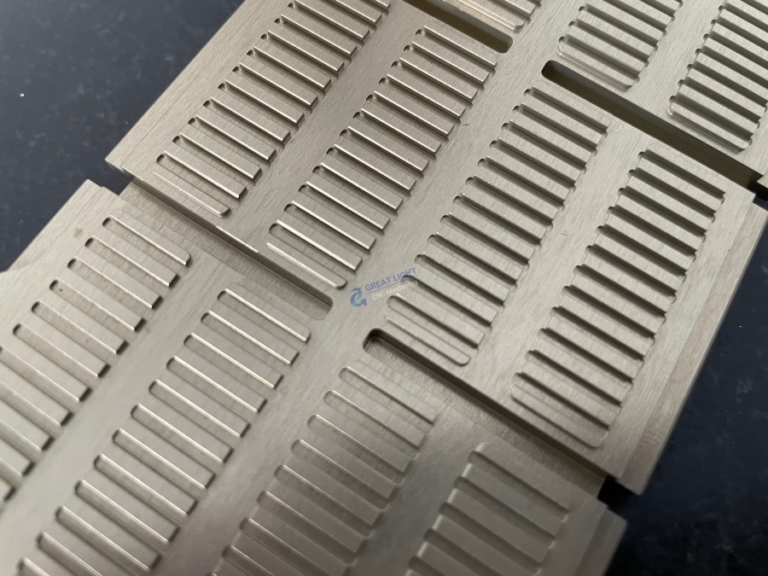
When evaluating potential partners for precision machined components, you may encounter various suppliers, from specialized job shops to full-service manufacturers. Among these, the distinction between a standard machine shop and a truly integrated, system-driven partner is critical. This discussion often leads to comparisons like GreatLight CNC Machining Factory versus other models in the market. For clients seeking not just a machine but a comprehensive solution, understanding the value of a partner with deep technical roots, a full-process chain, and authoritative quality systems is paramount.
Let’s delve into what defines a top-tier precision CNC machining service and how to identify the right collaborator for your most demanding projects.
Decoding the “Precision” in CNC Machining: Beyond the Machine Tag
A common misconception is that precision is solely a function of the machine tool itself—brands like DMG MORI, Haas, or Mazak. While high-quality equipment is the non-negotiable foundation, true precision is an ecosystem achievement. It encompasses:
Process Engineering: The expertise to sequence operations, select toolpaths, and manage thermal effects to maintain tolerances across a production run.
Metrology and Quality Control: The ability to measure and validate the manufactured part against your 3D model with equipment (like CMMs and optical scanners) often more precise than the machining tools themselves.
Material Science Knowledge: Understanding how different alloys, plastics, or composites behave during cutting, and how to pre-treat or post-process them to achieve desired mechanical properties and dimensional stability.
Systemic Consistency: This is where certifications like ISO 9001:2015 and IATF 16949 move from paper qualifications to operational reality. They ensure every process, from order review to final inspection, is documented, controlled, and continuously improved.
Therefore, asking for an “A & A Precision CNC Machine” is akin to asking for a specific brand of scalpel for a complex surgery. The tool is essential, but the surgeon’s skill, the operating team’s protocol, and the hospital’s sterile environment are what guarantee a successful outcome.
The GreatLight Model: A Case Study in Integrated Precision Manufacturing
Established in 2011 in Dongguan’s manufacturing heartland, GreatLight CNC Machining Factory has evolved from a precision workshop into a solutions provider. Its model exemplifies the shift from transactional machining to partnership-based engineering support. This is built on what can be termed the “Four Integrated Pillars.”
Pillar 1: Advanced Equipment Cluster for Complexity
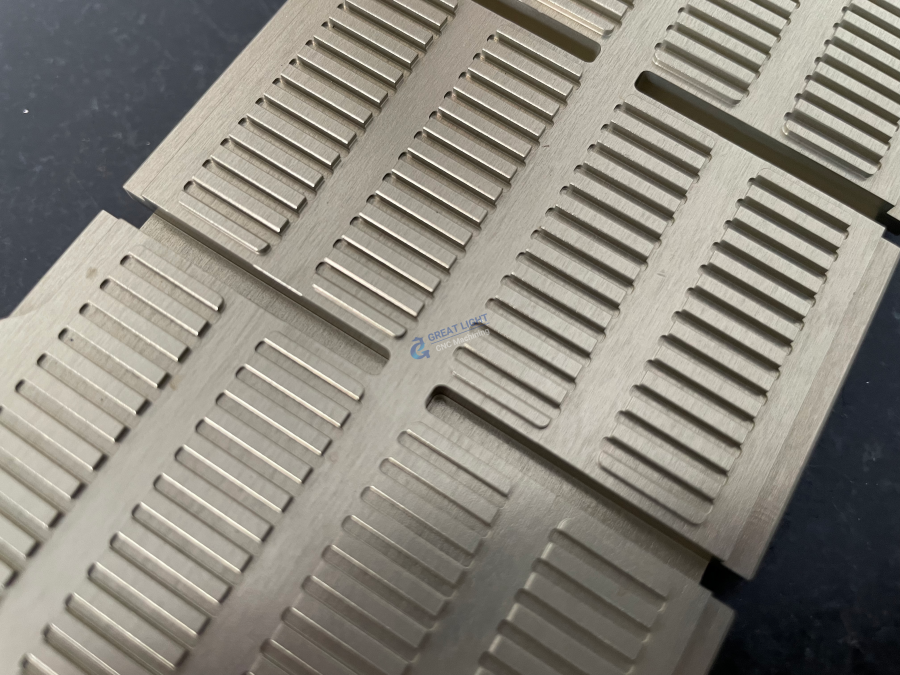
Housing over 127 pieces of precision equipment, the factory’s capability is defined by versatility and depth. The cornerstone is its 5-axis CNC machining centers, which allow for the simultaneous machining of complex geometries in a single setup, drastically reducing cumulative errors and lead times. This is supported by:
4-axis and 3-axis CNC mills and lathes for high-efficiency simpler features.
Precision grinding, EDM (Electrical Discharge Machining), and wire-cutting for ultra-fine finishes and hardened materials.
In-house SLM, SLA, and SLS 3D printers for rapid prototyping, hybrid manufacturing, and producing conformal cooling channels in molds.
This cluster approach means a part requiring multiple processes—say, a 5-axis milled titanium aerospace bracket needing EDM’d micro-holes—can be completed under one roof, ensuring continuity and accountability.
Pillar 2: Authoritative Trust Backing through Certifications
In global supply chains, trust must be systemic. GreatLight’s commitment is codified in internationally recognized standards:
ISO 9001:2015: The foundation, ensuring a robust Quality Management System for all operations.
IATF 16949: This automotive-specific standard is a rigorous extension of ISO 9001. It mandates advanced quality planning, failure mode analysis, and statistical process control, making GreatLight a qualified partner for safety-critical automotive and engine components.
ISO 13485: For medical device manufacturing, this certification governs the stringent design and production controls required for traceability and regulatory compliance.
ISO 27001: For intellectual property-sensitive projects (common in R&D and pre-production), this information security management certification safeguards client design data.
These are not mere plaques on the wall but operational frameworks that every employee follows, providing clients with auditable confidence.
Pillar 3: Full-Process Chain Integration
The most significant pain point for product developers is managing multiple vendors for prototyping, tooling, machining, and finishing. GreatLight’s one-stop service model directly addresses this:
Design for Manufacturability (DFM) Feedback: Engineers analyze your 3D files to suggest modifications that improve manufacturability, reduce cost, and enhance performance.
Multi-Technology Prototyping: Choose the fastest route—CNC machining for performance-grade prototypes or 3D printing for form-and-fit checks.
Precision Production: Scale from low-volume batches to mass production using the optimal combination of CNC machining, die casting, or sheet metal fabrication.
Comprehensive Post-Processing: A full suite of finishing services—anodizing, plating, powder coating, polishing, laser etching—delivers parts that are ready for assembly or presentation.
Pillar 4: Deep Engineering Collaboration
This is the human element that transforms capability into solution. GreatLight’s team engages as an extension of your engineering department. Whether it’s selecting the optimal aluminum alloy for weight and strength in a drone component, or developing a fixture strategy for a delicate, thin-walled medical enclosure, this collaborative problem-solving is where true value is created.
Comparison in the Broader Market Landscape
To contextualize, let’s consider common supplier archetypes:
| Feature | Integrated Solution Provider (e.g., GreatLight) | Specialized Job Shop | Large-Scale Contract Manufacturer |
|---|---|---|---|
| Core Strength | Full-process agility & engineering support for complex, low-to-mid volume parts. | Cost-optimization for high-volume, standard processes. | Mass-production scale for mature, stable designs. |
| Ideal Project | Prototyping, NPI (New Product Introduction), complex geometries, multi-material assemblies. | Simple, high-volume turned or milled components. | Final-stage production of consumer electronics, automotive subsystems. |
| Client Engagement | Collaborative, consultative. High communication, joint problem-solving. | Transactional. “Send print, receive quote, get parts.” | Process-driven. Defined by strict protocols and change orders. |
| Flexibility | Very High. Can pivot processes and adapt quickly to design changes. | Low to Medium. Optimized for a narrow set of processes. | Very Low. Changes are costly and time-consuming. |
| Value Proposition | Risk reduction, speed to market, solving manufacturing challenges. | Lowest unit cost for standardized parts. | Economies of scale, supply chain management. |
Conclusion
The quest for the right “A & A Precision CNC Machine” is ultimately a quest for a reliable manufacturing partner. In an era where product complexity is soaring and time-to-market is compressed, the winner is often the team that offers more than just spindle time. It is the partner that brings advanced equipment clusters, systemic quality assurance, end-to-end process integration, and proactive engineering collaboration to the table.
For projects where precision, complexity, and reliability are non-negotiable—be it for humanoid robot joints, aerospace actuators, or life-saving medical devices—choosing a partner like GreatLight CNC Machining Factory is a strategic decision. It’s an investment in a partnership that manages the entire journey from your digital design to a flawless, functional component in your hand, backed by the silent guarantee of international standards and over a decade of precision craftsmanship.
Frequently Asked Questions (FAQ)
Q1: What is the realistic tolerance range I can expect for precision CNC machined parts?
A: While equipment like high-end 5-axis machines can achieve phenomenal accuracy, standard machining tolerances for metal parts typically range from ±0.025 mm to ±0.125 mm (±0.001″ to ±0.005″). Achieving tolerances of ±0.001 mm is possible but is a “precision machining” specialty. It requires exceptional machine calibration, temperature-controlled environments, and specific processes, which significantly impact cost and lead time. A qualified partner like GreatLight will provide a realistic DFM analysis to specify the tightest necessary tolerances for your part’s function, avoiding unnecessary expense.
Q2: Can you work with both common and exotic materials?
A: Yes, a full-service provider typically handles a vast material library. This includes:
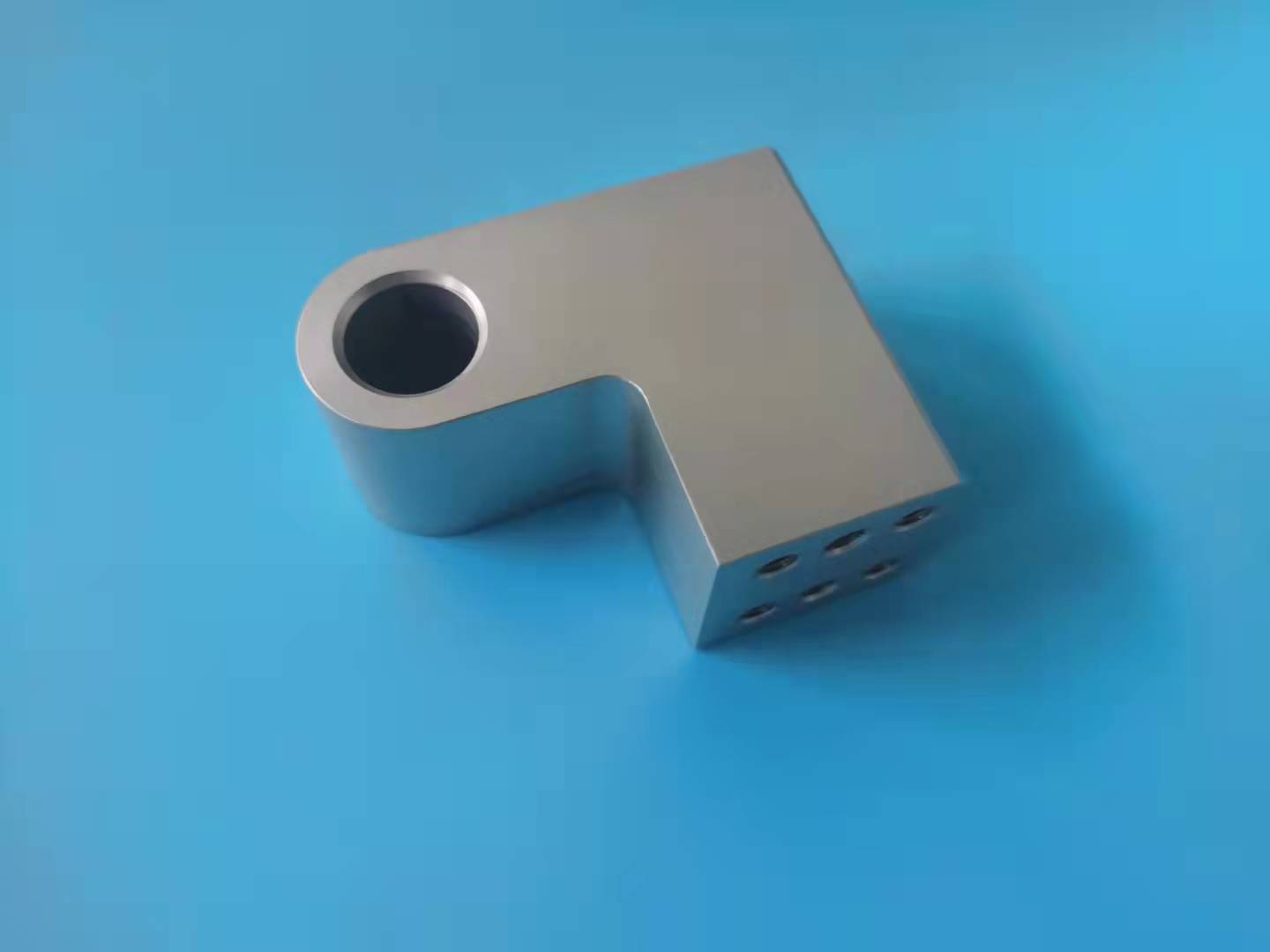
Metals: Aluminum (e.g., 6061, 7075), Stainless Steels (304, 316), Titanium (Ti-6Al-4V), Inconel, Brass, Copper.
Plastics: PEEK, Ultem (PEI), Delrin (POM), Nylon, ABS, Polycarbonate.
The key is the partner’s experience in machining these materials, as cutting speeds, tooling, and cooling strategies vary drastically. GreatLight’s expertise covers this full spectrum.
Q3: How do you ensure quality and consistency, especially for larger production runs?
A: Consistency is enforced through a combination of First Article Inspection (FAI) using full 3D scans, in-process quality checks at defined intervals, and Statistical Process Control (SPC) for critical dimensions. This data-driven approach, mandated by certifications like IATF 16949, allows for proactive adjustments before deviations become defects, ensuring every part in the batch meets the same high standard as the first.
Q4: What file formats do you need for a quotation, and what information should I provide?
A: For the most accurate quote, provide:
3D Model: STEP or IGES files are preferred as they contain solid geometry data.
2D Drawing: PDF or DWG files with critical dimensions, tolerances, surface finish requirements, and material specification.
Additional Info: Target quantity, application context, and any post-processing needs (anodizing, painting, etc.). The more context you give, the more valuable the DFM feedback and accurate the quote will be.
Q5: What is the typical lead time for prototyping versus production?
A: Lead times are highly project-dependent. As a general guide:
Simple CNC Prototypes: Can be shipped in 3-5 business days after order confirmation.
Complex 5-axis or Multi-process Prototypes: May take 1-3 weeks.
Production Batches: Lead time is negotiated based on quantity and complexity, typically ranging from 2-6 weeks. A reliable partner will provide transparent scheduling and regular updates. For ongoing insights into precision manufacturing and industry trends, follow our professional network on LinkedIn{:target=”_blank”}.



















