
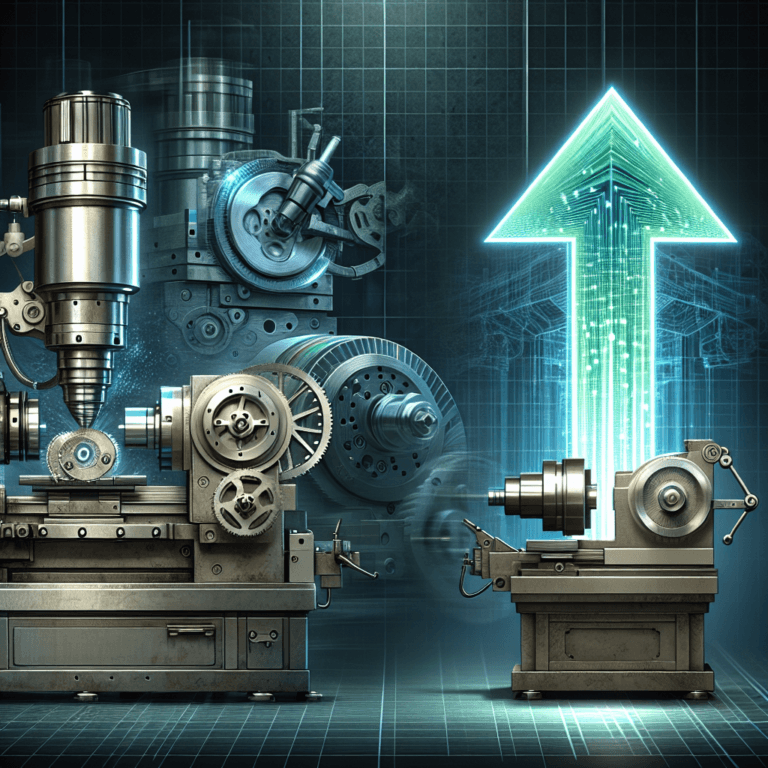
In the realm of modern manufacturing, precision and efficiency are critical. One of the most significant advancements contributing to these goals is the development of precision forming hydraulic surface grinding machines. These machines are vital in industries that require high-dimensional accuracy and surface finish, such as aerospace, automotive, and electronics. This article explores the application and development of these advanced machines within the manufacturing sector, examining their benefits, technological features, and potential future directions.
Understanding Precision Forming Hydraulic Surface Grinding Machines
Precision forming hydraulic surface grinding machines are specialized equipment designed for the grinding of flat surfaces. Utilizing hydraulic systems allows for enhanced control, greater force application, and improved accuracy. The core functionality of these machines is to remove material from a workpiece to achieve desired dimensions and a superior surface finish.
The unique aspect of hydraulic systems in these machines is their capability to sustain precision during operation. Unlike conventional surface grinding machines, hydraulic models offer a smoother operation and consistent pressure application, minimizing the risk of overheating and distortion of the material being processed.
Key Applications in Modern Manufacturing
Aerospace Industry:
The aerospace sector demands extremely tight tolerances and flawless finishes due to safety concerns and the high cost of failure. Precision forming hydraulic surface grinding machines are employed to grind components such as turbine blades, landing gear, and engine casings. The ability to achieve ultra-flat surfaces and maintain dimensional accuracy makes these machines indispensable in this field.Automotive Manufacturing:
In the automotive industry, components ranging from brake rotors to camshafts benefit from the precision offered by hydraulic surface grinding machines. These machines contribute to the overall performance and longevity of automotive parts, ensuring they meet stringent quality standards and regulatory requirements.Tool and Die Making:
The tool and die industry relies heavily on precision forming machines to produce molds and dies with tight tolerances. Given that these tools often need to fit together seamlessly, the grinding process must provide precise surface finishes and shapes, which hydraulic surface grinders can consistently deliver.- Electronics and Microfabrication:
As technology advances, the demand for miniaturized electronic components increases. Precision grinding machines are crucial in producing these parts with high precision, ensuring that the surfaces are adequately smooth for electrical connections and adherence.
Technological Advancements Driving Development
The evolution of precision forming hydraulic surface grinding machines owes much to technological advancements. Here are some key innovations that have shaped their development:
CNC Integration:
Computer Numerical Control (CNC) technology has revolutionized surface grinding by providing automated precision. CNC-capable hydraulic surface grinders can conduct complex grinding operations with minimal operator intervention. This level of automation not only boosts productivity but also reduces the risk of human error.Advanced Monitoring Systems:
Modern hydraulic surface grinders come equipped with sophisticated monitoring systems that track machine performance in real time. These systems can provide feedback on grinding pressures, wheel wear, and vibration levels, enabling proactive maintenance and preventing defects in the final product.High-Performance Grinding Wheels:
The emergence of advanced grinding wheels made from materials like cubic boron nitride (CBN) and diamond has significantly improved the grinding process. These wheels offer superior hardness and thermal stability, allowing for more effective material removal while maintaining precision.- Multi-Axis Grinding Capabilities:
Today’s hydraulic surface grinders can be configured for multi-axis operations that allow for complex geometries and shapes to be ground. This innovation is particularly significant for industries that require components with intricate designs, enhancing the versatility of these machines in the manufacturing process.
Benefits of Precision Forming Hydraulic Surface Grinding Machines
The integration of precision forming hydraulic surface grinding machines in manufacturing processes comes with a myriad of benefits:
Increased Accuracy: The hydraulic control systems enable more consistent pressure during the grinding process, leading to improved dimensional accuracy and surface finish quality.
Enhanced Efficiency: Automation and advanced features reduce the time and labor required for machining operations. This efficiency gain translates into lower production costs and faster turnaround times.
Reduced Waste: With better control over the grinding process, less material is wasted, which not only conserves resources but also minimizes costs associated with material procurement.
- Improved Worker Safety: The sophisticated monitoring systems and automation reduce the need for manual intervention, lowering the risk of accidents and exposure to harmful machinery.
Challenges and Future Directions
Despite their numerous advantages, the adoption of precision forming hydraulic surface grinding machines is not without challenges.
High Initial Investment: The advanced technology associated with hydraulic surface grinding machines often requires a higher initial investment, which can be a barrier for smaller manufacturers. However, the long-term savings generated through efficiency gains can offset these costs.
Skill Requirements: As these machines become increasingly advanced, there is a growing demand for skilled technicians who can operate and maintain these systems. Investing in training programs is crucial for manufacturers who wish to leverage the benefits of these machines fully.
- Technological Obsolescence: Keeping up with rapid technological advancements can be challenging. Manufacturers need to be diligent about upgrading equipment and training staff to effectively use new technologies.
Conclusion
The development and application of precision forming hydraulic surface grinding machines represent a significant leap forward in modern manufacturing. Their precision, efficiency, and ability to produce high-quality finishes make them an essential tool in various sectors, from aerospace to electronics.
By investing in advanced grinding technologies and keeping pace with innovations, manufacturers can enhance their competitiveness in an increasingly globalized market. As technology continues to evolve, the possibilities for these machines will only expand, making them a cornerstone of precision manufacturing for years to come.
Final Thoughts
As industries navigate the complexities of modern manufacturing, precision forming hydraulic surface grinding machines will play a crucial role in ensuring quality and efficiency. Embracing these advanced tools not only meets current demands but also positions manufacturers to thrive in the future. The continuous interplay of technology, training, and application will keep these machines at the forefront of manufacturing innovation.
Daguang focuses on providing solutions such as precision CNC machining services (3-axis, 4-axis, 5-axis machining), CNC milling, 3D printing and rapid prototyping services.



















