
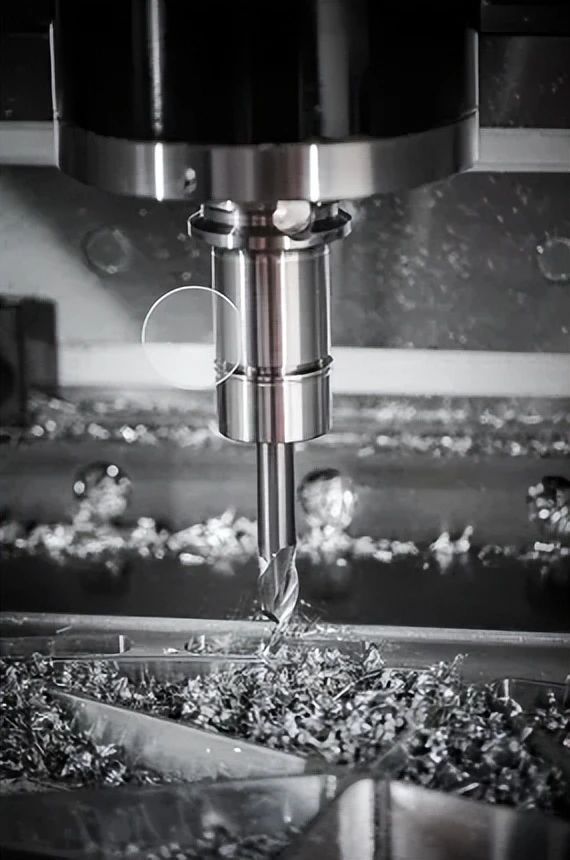
Unlocking Precision and Efficiency: The Ultimate Guide to Hard vs. Indexable Milling
In the high-stakes world of CNC machining, selecting between solid carbide hard milling and indexable milling isn’t just a technical choice—it’s a strategic business decision with profound implications for precision, productivity, and profitability. We break down the science, economics, and real-world applications of these two dominant milling technologies.
🔍 What is Hard Milling?
Hard milling uses monobloc tools crafted from solid carbide or high-speed steel (HSS). These integrated tool designs offer unmatched structural integrity and cutting-edge uniformity across diverse geometries—from end mills and ball nose cutters to specialty form tools. Ideal for complex contours and micro-details, hard milling is the surgeon’s scalpel of machining.
💡 Advantages of Hard Milling:
- Peerless Rigidity: Eliminates chatter for mirror-like finishes (±0.005 mm precision).
- Deep Cavity Mastery: Excels in depth-to-diameter ratios beyond 5x (critical in mold making).
- Small-Diameter Dominance: Unbeatable for tools ≤ Ø16 mm (e.g., fine engraving, aerospace veins).
- Geometric Freedom: Handles intricate profiles like undercuts and 3D contours.
- Low-Power Compatibility: Runs efficiently on older CNC machines or manual mills.
⚠️ Limitations:
- Cost Prohibitive: 200% higher per-tool cost at Ø>16 mm vs. indexable.
- Fragility Risks: Brittle carbide tools shatter under unstable conditions or hard materials.
- Zero Regrind Tolerance: Worn tools require replacement (no edge re-indexing).
⚙️ What is Indexable Milling?
Indexable milling utilizes steel tool bodies fitted with replaceable carbide inserts. Each insert hosts multiple cutting edges—when one degrades, operators simply rotate or swap it, slashing downtime. This modular approach transforms how shops handle large-scale production.
💡 Advantages of Indexable Milling:
- Cost Genius: Saves 40-60% on large-diameter tools (Ø>20 mm). Replace inserts, not bodies.
- Material Versatility: Instantly adapt to new alloys by swapping insert grades (e.g., TiAlN for titanium, AlCrN for steel).
- Heavy-Duty Capable: Absorb shocks from interrupted cuts in roughing or cast iron.
- Blazing Changeovers: Swap inserts in <90 seconds vs. hours for tool regrinding.
- Size Range Flexibility: Tools scale from Ø10 mm to massive Ø315 mm face mills.
⚠️ Limitations:
- Rigidity Trade-Off: Body deflection risks micrometer-level inaccuracies.
- Small-Diameter Gap: Not viable for Ø<10 mm micro-machining.
- Power Hunger: Requires robust CNCs (≥15 kW) for heavy-feed operations.
- Surface Finish Ceiling: Lacks the finesse of hard mills for optical-grade finishes.
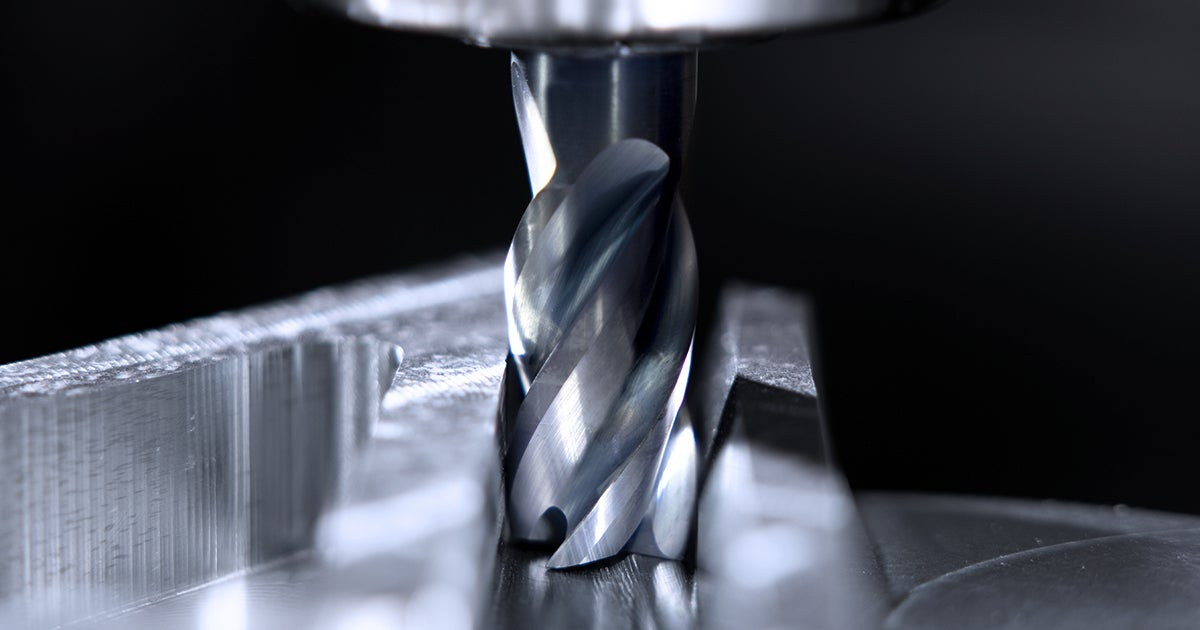
🌉 Hybrid Hero: Replaceable Head Milling
The convergence of both worlds: Modular heads marry hard milling’s precision with indexable efficiency. Attach specialized carbide heads to reusable bodies—think "Lego for machinists."
Why It’s Revolutionary:
- Profitability: Replace Ø60 mm heads at 30% less cost than solid tools.
- Geometry Switching: Mount a roughing head in minutes, then swap to a finishing head.
- Deep-Reach Solutions: Interchangeable extensions tackle deep pockets without tool deflection.
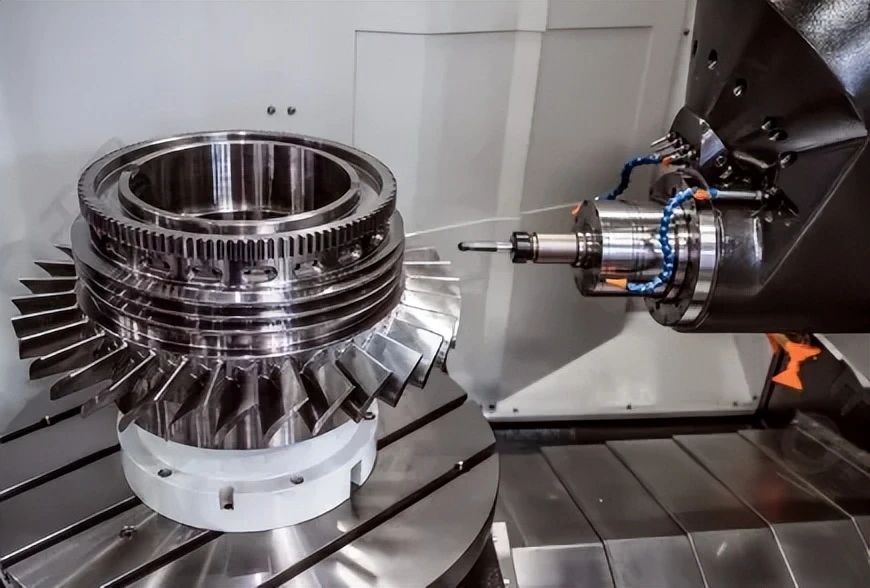
Ideal for aerospace blisks or medical implants requiring multi-strategy machining.
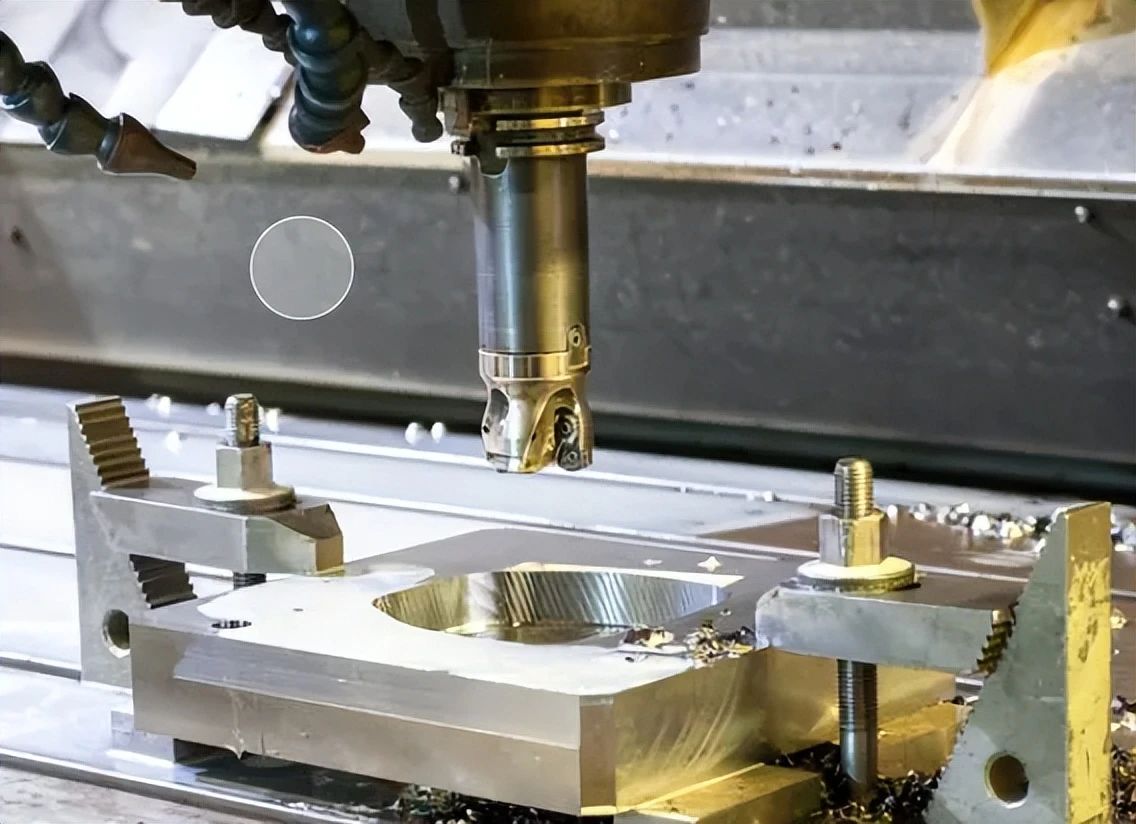
🧩 Tool Holders: The Silent Performance Multipliers
The right holder can amplify—or sabotage—milling effectiveness.
For Indexable Milling:
- Face Mill Holders: Massive flange support for Ø100+ mm tools.
- Hydraulic Chucks: Vibration-damping for chatter-free indexable use (±0.003 mm runout).
- Side-Lock End Mill Holders: Budget stability for medium-duty jobs.
For Hard Milling:
- ER Collets: General-purpose agility (±0.01 mm tolerance).
- Thermal Shrink Holders: Near-zero ±0.001 mm runout at 45,000 RPM.
- Hydraulic Expansion: Precision + vibration control for 5-axis micro-machining.
✅ Decision Matrix: Choosing Your Milling Weapon
| Factor | Solid Hard Milling | Indexable Milling |
|---|---|---|
| Optimal Diameter | ≤ Ø16 mm | ≥ Ø10 mm |
| Material Shift Ready | Limited (tool dedicated) | Instant (grade swap) |
| Target Finish (Ra) | 0.1–0.8μm | 0.8–3.2μm |
| Roughing Ability | Moderate | ★★★★★ Heavy stock removal |
| Deep Cavity | ★★★★★ 8xD+ reach | Limited by body flex |
💡 Pro Industry Insights
- Hybridize: Use indexable tooling for roughing >80% of material, then switch to solid carbide for finishing. Cycle times drop by 35%.
- Holder Myth-Busting: A $150 hydraulic holder can boost surface quality more than a $1,000 tool upgrade. Balance investment.
- Edge Science: Coatings matter. Pair INDEXABLE AlTiN inserts with high-pressure coolant for titanium. Hard mills shine with nano-crystalline diamond in graphite.
🔚 The Final Cut
No "best" solution exists—only the optimal strategy for YOUR application. Lean on hard milling for jewelry-perfect details on medical devices. Choose indexable to obliterate steel billets for wind turbine hubs. And embrace modularity to future-proof against unpredictable job queues. In modern machining, flexibility isn’t optional—it’s survival.



















