
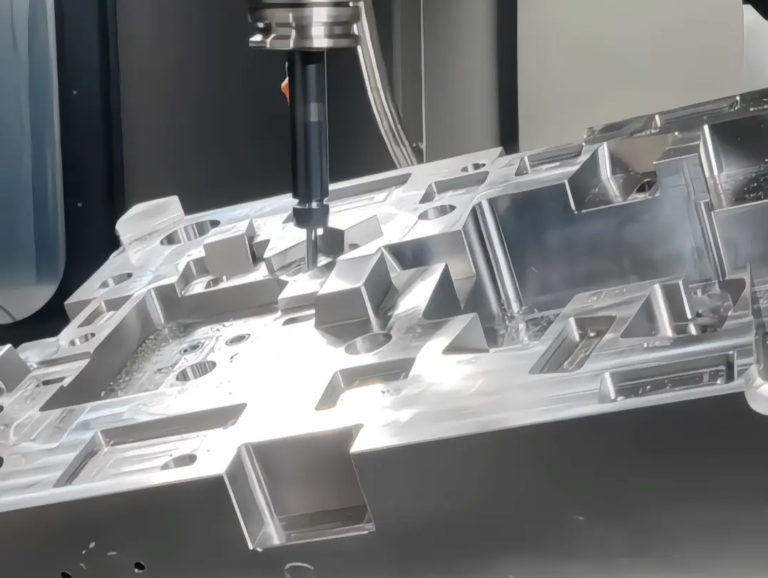
Introduction to PTFE CNC machining
PTFE, also known as Teflon, is a synthetic polymer that has gained wide recognition for its unique properties including high thermal stability, chemical inertia and low coefficient of friction. In the field of CNC processing, PTFE is a challenging material due to its soft and fragile properties. However, with the right technology and equipment, high-precision PTFE parts with complex geometries can be realized. In this article, we will dig into the world of PTFE CNC machining and explore the benefits, applications and best practices of using this versatile material.
Properties of PTFE
Before studying the CNC machining process, it is necessary to understand the properties of PTFE. The material has a range of features that make it suitable for a variety of applications, including:
- High Thermal Stability: PTFE can withstand temperatures up to 260°C (500°F) without extensive degradation.
- Chemical Inert: PTFE is resistant to most chemical substances including acids, bases, and solvents.
- Low coefficient of friction: PTFE has a low coefficient of friction, which is ideal for applications involving sliding or rotating parts.
- Electrical Insulation: PTFE is an excellent electrical insulator that can be used in electrical and electronic applications.
Application of PTFE CNC machining
PTFE CNC machining has a wide range of applications in various industries, including:
- Aerospace: PTFE is used in aircraft and spacecraft components due to its high thermal stability and chemical resistance.
- Medical: PTFE is used in medical implants, surgical instruments and devices due to its biocompatibility and non-toxicity.
- Industry: PTFE is used in seals, gaskets and bearings due to its low coefficient of friction and chemical resistance.
- Electrical: PTFE is used in electrical connectors, switches and other components due to its excellent electrical insulation properties.
Best Practices for PTFE CNC Processing
To obtain high-quality PTFE parts, it is crucial to follow best practices during CNC machining. Some of these best practices include:
- Use the Right Cutting Tool: PTFE is a soft material, and using the Right Cutting Tool can help prevent deformation and damage.
- Maintain optimal cutting parameters: Cutting parameters such as speed, feed rate and cutting depth must be optimized to achieve the desired surface finish and minimize material waste.
- Use coolant or lubricant: Using coolant or lubricant can help reduce friction and prevent overheating during processing.
- Post-surgical treatment: After processing, PTFE parts may require additional treatment, such as grinding or polishing, to achieve the desired surface finish.
in conclusion
PTFE CNC machining is a complex process that requires careful planning, precise execution and attention to detail. High-quality PTFE parts with complex geometries can be achieved by understanding the characteristics and applications of PTFE, following best practices, and using the right equipment and techniques. Whether you are working in the aerospace, medical, industrial or electrical industries, PTFE CNC machining can help you create innovative solutions that meet your specific needs.
FAQ (FAQ)
Q: What is the maximum temperature that PTFE can withstand?
A: PTFE can withstand temperatures up to 260°C (500°F) without experiencing significant degradation.
Q: Is PTFE suitable for medical applications?
A: Yes, PTFE is biocompatible and non-toxic and can be used in medical implants, surgical instruments and equipment.
Q: What is the best way to use PTFE machines?
A: The best way to machine PTFE is to use the correct cutting tool, maintain the best cutting parameters, and use coolant or lubricant to reduce friction and prevent overheating.
Q: Can PTFE be used in electrical applications?
A: Yes, PTFE is an excellent electrical insulator that makes it suitable for electrical connectors, switches and other components.
Q: How to achieve high-quality surface finish on PTFE parts?
A: To achieve a high-quality finish on PTFE parts, best practices must be followed during the CNC machining process, including the use of the correct cutting tools, maintaining the best cutting parameters, and using coolant or lubricant. Additionally, post-surgical treatments such as grinding or polishing may be required to achieve the desired finish.



















