
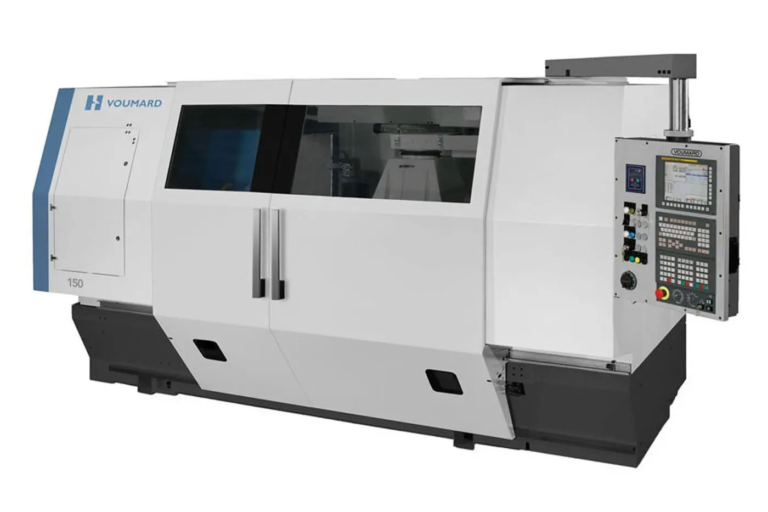
When it comes to CNC machining, quality and cost are two important considerations that can be made or disrupted. In this article, we will dig into the world of CNC machining, explore what it means, its advantages and how to ensure quality and cost control.
What is CNC machining?
——————————————————————————————————————————–
CNC machining or computer numerical controlled machining is a manufacturing process that uses a computer-controlled machine to remove material from the workpiece, creating the desired shape or design. The process involves a computer-aided design (CAD) file that guides the cutting tools of the CNC machine for precise cutting and drilling operations.
Advantages of CNC machining
————————————–
CNC machining offers several advantages that make it a popular choice for manufacturers:
*Precise Control: CNC machining allows high-precision control of the machining process to ensure accurate and consistent results.
* Flexibility: CNC machines can be programmed to perform a variety of operations, including cutting, drilling and milling.
*Improving efficiency: CNC processing automates processing, reduces the demand for manual labor and improves production efficiency.
*Reduce waste: CNC processing allows precise control of the cutting process, reducing material waste and improving overall efficiency.
Ensure the quality of CNC processing
————————————————
To ensure quality in CNC machining, a strict process must be followed:
* Careful planning: Accurate CAD design and planning is essential to ensure that the CNC machine performs the required operations.
*Quality Control: Regular quality control inspections should be carried out throughout the processing process to ensure accuracy and accuracy.
*Material selection: Choosing the right material for the project is essential to ensure quality and performance.
* Processing parameters: Adjusting processing parameters, such as cutting speed and feed, can significantly affect the quality of the final product.
Controlling CNC processing costs
——————————————————–
Controlling costs in CNC machining requires careful planning and execution:
*Material selection: Choosing the right material can significantly affect the overall cost of the project.
*Machining time: Minimizing processing time can reduce costs and improve production efficiency.
*Tools: Choosing the right tools and equipment can reduce costs and ensure optimal performance.
* Programming: Experienced programmers can optimize the CNC machining process, reducing time and cost.
in conclusion
—————–
CNC machining provides a unique combination of precision, flexibility and efficiency, making it an attractive choice for manufacturers. By following strict processes and controlling costs, manufacturers can ensure high-quality products while maintaining profitability. It is very obvious that our advanced five-axis CNC machining equipment and production technology enables us to provide high-quality custom precision machining services and meet the highest standards of accuracy and performance.
FAQ
—–
Q: What is the difference between CNC processing and traditional processing?
A: CNC machining uses computer-controlled machines to guide cutting tools, while traditional machining relies on manual labor and human operators.
Q: What are the advantages of CNC processing?
A: CNC machining provides precise control, flexibility, improve efficiency and reduce waste.
Q: How to ensure quality in CNC processing?
Answer: Accurate CAD design, routine quality control inspection, selection of the correct materials and adjusting processing parameters are the key to ensuring quality.
Q: How to control the cost in CNC processing?
A: Choosing the right materials, minimizing processing time, choosing the right tools and optimizing programming can help control costs.
Q: Can you customize CNC processing services?
A: Yes, from a great perspective, we offer customized precision processing services that meet specific customer needs and needs.



















