
The Art of Internal Gear Tooth Grinding: A Comprehensive Guide
Introduction
Internal gear tooth grinding is a crucial process in the manufacturing of gears, transmitting motion and power between rotating and stationary parts. The internal gears, also known as spiral gears or bevel gears, are used in various industrial applications, from precision machinery to automotive systems. In this article, we will delve into the intricacies of internal gear tooth grinding, exploring the principles, methods, and machinery involved in this complex process.
The Importance of Internal Gear Tooth Grinding
Internal gear tooth grinding is a highly specialized process that requires precision and attention to detail. The process involves grinding or machining the tooth surface of internal gears to achieve a smooth, accurate, and durable finish. Internal gear tooth grinding is essential in ensuring the longevity and reliability of the gear system, as a poorly ground tooth surface can lead to premature wear, noise, and vibration, ultimately compromising the entire system’s performance.
Principles of Internal Gear Tooth Grinding
The process of internal gear tooth grinding involves several key principles:
- Face grinding: This process involves grinding the tooth surface of the internal gear to achieve a precise, smooth finish.
- Thread grinding: This process involves grinding the screw threads of the internal gear to ensure a uniform and accurate engagement with the mating gear.
- Hobbing: This process involves using a hobbing tool to cut precise tooth profiles onto the internal gear.
- Cutting: This process involves using a cutting tool to grind the tooth surface of the internal gear.
Methods of Internal Gear Tooth Grinding
There are several methods used in internal gear tooth grinding, including:
- Conventional grinding: This method involves using a conventional grinder with a wheel or a stone to grind the tooth surface of the internal gear.
- Stage grinding: This method involves grinding the internal gear in multiple stages, using different grinding wheels or stones to achieve a precise finish.
- CNC grinding: This method involves using a computer numerical control (CNC) machine to grind the internal gear using a precision ground wheel or stone.
- U7 engines: This method involves using a U7 engine to drive the grinding process, achieving high precision and accuracy.
Schematic Diagrams and Process Flow
The following are schematic diagrams and process flow of internal gear tooth grinding:
Schematic Diagram of Internal Gear Tooth Grinding
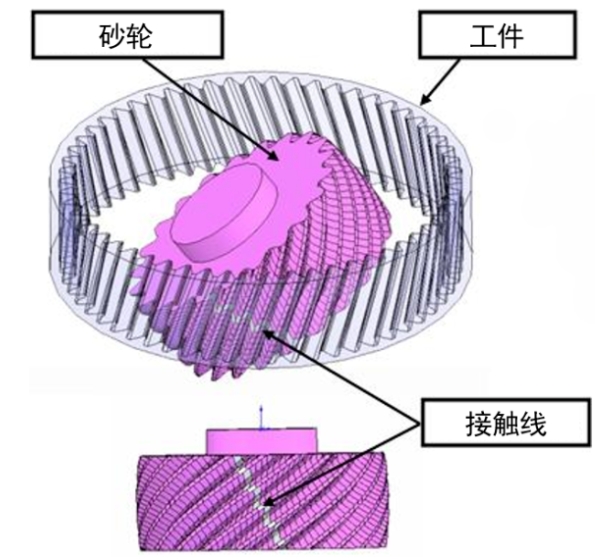
The following image shows a simplified schematic diagram of the internal gear tooth grinding process:
Expanding Method of Internal Gear Tooth Grinding
The following image shows a more detailed schematic diagram of the expanding method of internal gear tooth grinding:
Treatment of Internal Gear Tooth Grinding
The following image shows a schematic diagram of the treatment of internal gear tooth grinding:
Byd Consists of U8 to Apply an Internal Gear Tooth Crusher
The following image shows a schematic diagram of the Byd system, which consists of U8 to apply an internal gear tooth crusher:
Effective Treatment for Internal Gear Tooth Scratching
The following image shows a schematic diagram of the effective treatment for internal gear tooth scratching:
Conclusion
Internal gear tooth grinding is a complex process that requires precision, accuracy, and attention to detail. The principles, methods, and machinery involved in this process are crucial in ensuring the longevity and reliability of the gear system. By understanding the schematic diagrams and process flow of internal gear tooth grinding, manufacturers can choose the right method and equipment to achieve high-quality results. Whether using conventional grinding, stage grinding, CNC grinding, or U7 engines, internal gear tooth grinding is an essential step in the manufacturing of gears for various industrial applications.
Recommendations for Manufacturers
Manufacturers looking to improve their internal gear tooth grinding process can consider the following recommendations:
- Invest in high-quality grinding wheels or stones: Choose high-quality grinding wheels or stones specifically designed for internal gear tooth grinding to achieve a precise and durable finish.
- Implement CNC grinding: Consider using a CNC machine to grind the internal gear, achieving high precision and accuracy.
- Use U7 engines: Consider using U7 engines to drive the grinding process, achieving high precision and accuracy.
- Monitor and maintain equipment: Regularly monitor and maintain the grinding equipment to ensure optimal performance and accuracy.
By following these recommendations and understanding the principles and methods of internal gear tooth grinding, manufacturers can achieve high-quality results and improve the overall performance and reliability of their gear systems.
Contact Us
For more information on internal gear tooth grinding, contact our team of experts at [Email address] or [Phone number].



















