
High-Precision Tilted Rail Towers: Unlocking Efficiency and Accuracy in Machining
In the world of machining, precision is key to producing high-quality parts and products. One of the most effective ways to achieve this level of precision is by utilizing high-precision tilted rail towers. These innovative systems have become a staple in many industries, providing users with increased efficiency, accuracy, and reliability. In this article, we’ll delve into the world of high-precision tilted rail towers, exploring their design, benefits, and best practices for installation and maintenance.
Design and Components
A high-precision tilted rail tower consists of several critical components, each designed to work in harmony to deliver exceptional results. These include:
- Inclined Rails: The heart of the system, the inclined rails are precision-engineered to reduce cutting forces and friction, promoting stability and rigidity. With an angle of between 30° and 45°, these rails ensure accurate positioning and precise movements.
- Pin System: The power source of the tower, the pin system uses high-precision spindle bearings to withstand large cutting forces and maintain good speed stability.
- CNC System: Equipped with a CNC system, users can program complex treatments, automate control, and achieve exceptional accuracy and processing efficiency.
- Cooling System: To reduce temperature during cutting, a cooling system is often integrated to maintain the tool and part temperatures through spray or liquid coolants.
Installation and Debugging: A Step-by-Step Guide
To ensure optimal performance, proper installation and debugging are crucial. Follow these steps to get started:
- Installation: Ensure the machine tool is level and not deformed, adjusting anchor bolts or feet as needed to achieve optimal alignment.
- Inspection: Verify that all components are in good condition, including electrical circuits, and perform a thorough operating test to validate the machine’s functionality.
Precision Detection and Measurement
To ensure the highest level of accuracy, it’s essential to conduct precise measurements and detections. This includes:
- Geometric Accuracy: Verify the rectitude, torsion, and parallelism of the bed’s guidance rail using laser interferometers, dial gauges, and levels.
- Motion Precision: Inspect the spindle rotation error, transmission system accuracy, and other critical components to guarantee smooth operation.
- Tool System Precision: Check the tool’s precision, wear, and installation, ensuring optimal cutting performance and machining accuracy.
Case Study: Lathe Rail Inclined with High Precision
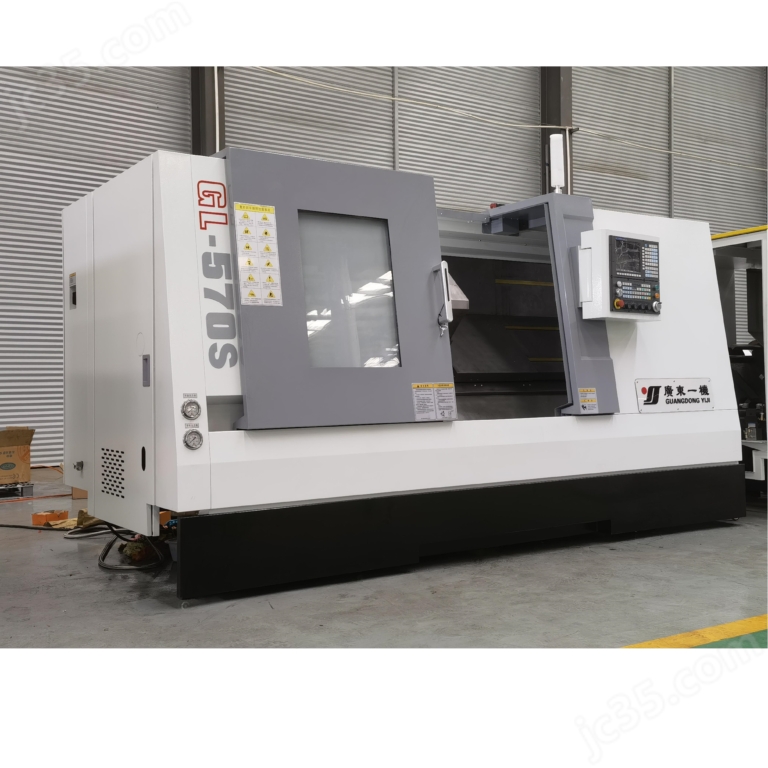
The image below showcases a state-of-the-art lathe rail inclined with high precision, designed for optimal performance and accuracy. (Source: [Image Source])
[Insert Image: Lathe Rail Inclined with High Precision]
Conclusion
High-precision tilted rail towers have revolutionized the world of machining, offering unparalleled efficiency, accuracy, and reliability. By understanding the design, components, and best practices for installation and maintenance, manufacturers can unlock the full potential of these innovative systems. Whether it’s in the realm of aerospace, automotive, or medical devices, high-precision tilted rail towers are an essential tool for achieving superior results. Join us as we explore the cutting-edge world of precision machining, and discover the benefits of high-precision tilted rail towers for yourself.



















