
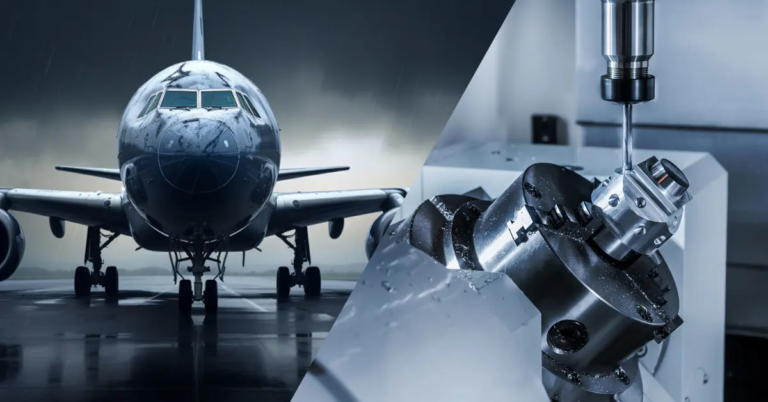
The Evolution of Milling Machines: From Ancient Origins to Modern Applications
Milling machines have been a cornerstone of manufacturing for centuries, playing a crucial role in shaping the industry’s course. From their humble beginnings to the sophisticated, high-tech machines we know today, milling machines have undergone significant transformations, driven by advances in technology and innovative designs. In this article, we’ll delve into the history of milling machines, exploring their evolution, types, and applications, highlighting their importance in various industries.
Early Beginnings: The First Milling Machine (1818)
The first milling machine was created by American inventor Eli Whitney in 1818. This groundbreaking innovation, the horizontal milling machine, marked the beginning of a new era in manufacturing. Over the next century, milling machines continued to evolve, with various improvements in design and functionality.
Automation and Numerical Control (1950s-1970s)
The mid-20th century saw significant advancements in milling machine technology, with the introduction of automation and numerical control systems. These innovations significantly improved the precision and efficiency of milling processes, paving the way for widespread adoption in various industries.
Digital Control and Automatic Tool Change Systems (1970s)
The 1970s witnessed a major leap forward with the introduction of digital control systems and automatic tool change systems. These advancements enabled real-time monitoring and control of the machining process, further increasing precision and reducing production time. The rise of microprocessors also led to the development of more sophisticated control systems, allowing for even greater flexibility and customization.
Modern Milling Machine Technology
Today, milling machines are equipped with high-precision control systems, advanced CNC (Computer Numerical Control) technology, and sophisticated software. This has enabled the production of complex, intricate parts with unparalleled precision and efficiency. Modern milling machines are designed to handle a wide range of materials, from metals and plastics to composites and ceramics.
Types of Milling Machines
Milling machines come in various forms, each suited to specific applications and industries. Some of the most common types include:
- Horizontal milling machines: Ideal for large-scale production and manufacturing high-volume, complex parts.
- Vertical milling machines: Suitable for small to medium-sized production runs and precision parts manufacturing.
- Universal milling machines: Versatile and capable of handling a wide range of tasks, from milling to drilling and tapping.
- Specialized milling machines: Designed for specific industries or applications, such as aerospace, automotive, or medical device manufacturing.
Applications of Milling Machines
Milling machines are widely used in various industries, including:
- Aerospace: For producing aircraft components, such as engine parts, wing components, and structural systems.
- Automotive: For manufacturing car parts, including engine blocks, cylinder heads, and suspension components.
- Medical Device Manufacturing: For producing precision medical devices, such as implants, instruments, and prosthetics.
- Construction: For making building materials, such as window frames, door frames, and structural beams.
- Electronics: For producing electronic components, such as printed circuit boards, connectors, and microelectronic parts.
Conclusion
Milling machines have undergone a remarkable transformation over the centuries, from their humble beginnings to the sophisticated, high-tech machines we know today. With their ability to precision-machine complex parts with increased efficiency and accuracy, milling machines have become an essential tool in various industries. As technology continues to evolve, it is likely that milling machines will remain an integral part of modern manufacturing, shaping the future of production and innovation.



















