
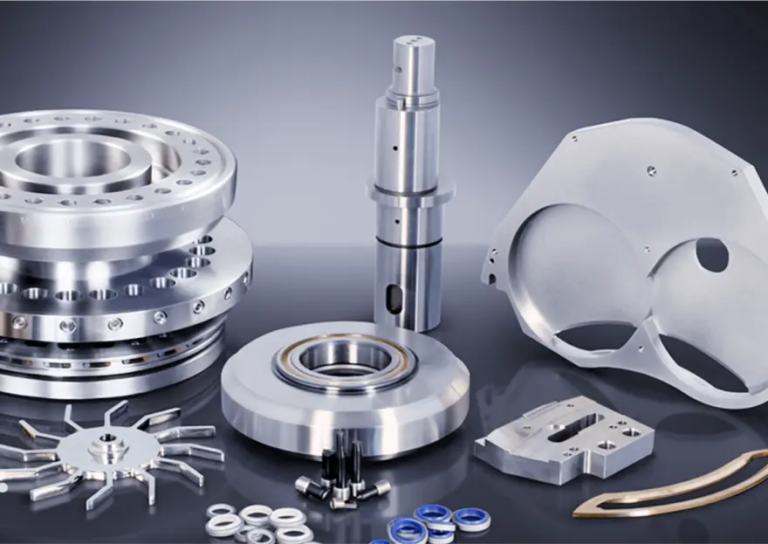
Mastering the Stainless Steel CNC Milling Technology: A Guide to Accuracy and Perfection
In the manufacturing world, stainless steel is a popular choice for its durability, corrosion resistance and high temperature resistance. As a result, CNC (Computer Numerical Control) machining plays a crucial role in producing precise parts for a variety of industries including aerospace, automotive and medical care. In this article, we will dig into the art of stainless steel CNC milling technology covering the importance of precision, shared challenges and best practices.
The importance of precision in CNC milling
Accuracy is the hallmark of CNC machining. In stainless steel, accuracy is crucial due to its high strength to weight ratio and sensitivity to corrosion. CNC milling machines use computer-controlled numerical control to produce parts with precision and accuracy. However, achieving the best results requires a deep understanding of the milling process, the characteristics of stainless steel, and the limitations of CNC machines.
Common Challenges for CNC Milling Stainless Steel
CNC milling stainless steel can be challenging due to its high hardness, high thermal conductivity and poor weldability. It is crucial to meet these challenges by using the right technology, cutting tools and machine setup. Some common questions include:
- Tool wear and tear: It is crucial to securely clamp the cutting machine to prevent damage and ensure accurate results.
- Surface finish: Special tools and cutting parameters are required to achieve the required finish.
- Part distortion: Proper cooling and clamping strategies minimize part deformation and ensure accurate dimensions.
- Heat generation: Coolant management is essential to prevent heat accumulation and damage to machines and workpieces.
Best Practices for CNC Milling Stainless Steel
To overcome the challenges posed by stainless steel, a structured approach must be used for CNC milling. Here are some best practices:
- Use the correct cutting tool: Choose cutting tools with sharp, positive rake angles and have a strong, shock-proof body to minimize tool wear and cracking.
- Optimize cutting parameters: Adjust cutting speed, feed speed and cutting depth to suit specific applications and materials.
- Adopt an effective coolant strategy: Use mist, flood or internal cooling according to part design and material properties.
- Implement proper clamping and fixing: Ensure safe clamping and fixing to minimize part distortion and prevent tool damage.
in conclusion
Mastering the CNC milling technology of stainless steel requires a deep understanding of material characteristics, CNC machine capabilities, and the complexity of the milling process. By embracing the challenges and best practices outlined in this article, you will be in producing precise parts that are reliable and reliable. We appreciate our team of experts’ commitment to helping you achieve the highest level of quality and accuracy in your CNC machining projects.
FAQs (FAQs)
Q: What are the most common challenges in CNC milling stainless steel?
A: Tool wear and tear, surface finish, partial distortion and heat generation.
Q: What are the best practices for CNC milling stainless steel?
A: Use the correct cutting tools, optimize cutting parameters, adopt effective coolant strategies, and implement appropriate clamping and fixing.
Q: How to choose the right cutting tool for CNC milling stainless steel?
A: Choose a cutting tool with sharp, positive rake angles and strong anti-vibration.
Q: What are the benefits of using a CNC machine to mill stainless steel?
A: Improve accuracy, accuracy and surface surfaces as well as increase productivity and reduce labor costs.
Q: What is the role of coolant management in CNC milling stainless steel?
A: Coolant management is crucial to prevent heat accumulation and damage to machines and workpieces.



















